

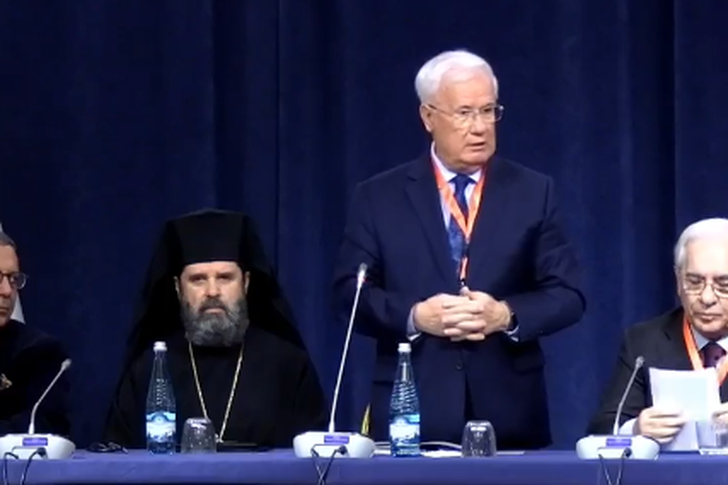
First International Scientific Conference/ Paskal Milo: Albania, center of regional and European culture
Today, the proceedings of the First International Scientif...


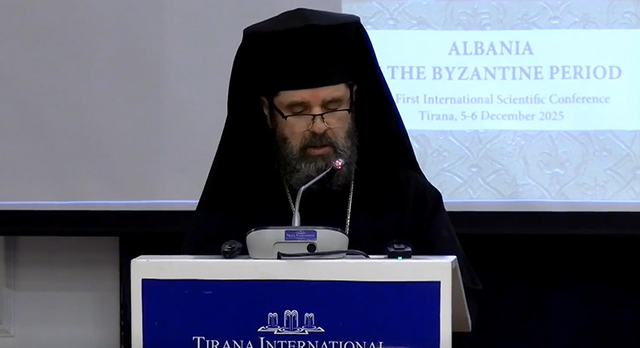
At the first international scientific conference "Albania in the Byzantine Period", Archbishop Joan delivered a profound and reflective speech on the importance of this fact and the influence of Byzantine civilization in shaping Albanian identity.
The Archbishop emphasized that the conference marks an important step in the study of our common heritage, while assessing the choice of topic as extremely important, as the papers that will be presented will enrich knowledge about a historical period that is still understudied.
His Beatitude John emphasized that Byzantium was not simply a political empire but a civilization that shaped the spiritual, cultural and artistic identity of the peoples of the Balkans.
The Archbishop underlined that this centuries-old heritage has left an indelible legacy in the psycho-cultural formation of our people and that without knowing the psycho-cultural formation of a people, a better and deeper understanding of historical events becomes difficult. In this history, our ancestors were not simply passive recipients but active contributors.
The Archbishop mentioned Saint John Kukuzel, son of Durrës, who was a reformer of Byzantine music and is revered by the entire church. His Beatitude John said that the Church has historically been a bridge between East and West, between the past and the present, between faith and culture.
The Archbishop said that cooperation between the church and science is not a new phenomenon, since since the time of the fathers, religion and reason have been side by side.
The Church remains ready to contribute its archives, manuscripts, and expertise to the study of this very important period of our people.
"This first International Scientific Conference marks an important step in the study of our common heritage. The choice of the topic Albania in the Byzantine period is exceptionally important because the papers of this conference will be a wonderful source of information about the culture of our country in this not so well-known historical period."
Promoting our rich heritage also helps preserve our identity, the evidence of the acceptance of civilization and culture in this country, and our historical memory.
Byzantium was not a political empire, it was an entire civilization that shaped the spiritual, cultural and artistic identity of the peoples of the Balkans.
This centuries-old heritage has left an indelible legacy in the psycho-cultural formation of our people.
Without knowledge of the psycho-cultural formation of a people, a better and deeper understanding of historical events becomes difficult.
In this history, our ancestors were not simply passive recipients but active contributors.
It is enough to mention Saint John Kukuzel, son of Durrës, who was a reformer of Byzantine music and is revered by the entire church. The church has historically been a bridge between East and West, between past and present, between faith and culture.
Our Gothic churches, our Byzantine frescoes, our thousand-year-old monasteries all testify to a spiritual continuity that transcends political changes.
Today, after decades of isolation and persecution, the Autocephalous Orthodox Church of Albania continues this historic mission. More than 150 churches and monasteries have been restored, the Byzantine musical tradition is being reborn, and the new generation is discovering the spiritual heritage of their ancestors. Our Saint John Kukuzeli Choir symbolizes the living connection.
The collaboration between the church and science is not a new phenomenon. Since the time of the fathers, religion and reason have gone hand in hand.
This conference continues this just and honorable tradition. The Church remains ready to contribute its archives, manuscripts, and expertise to the study of this very important period of our people.
"We hope that the conference proceedings will shed new light on our shared history and inspire future generations," said Archbishop Joan./ CNA

Today, the proceedings of the First International Scientif...
Over the next two years, Albania plans to establish 20 rec...

A hearing for PL leader Ilir Meta and other defendants is ...

We are introducing you to the main newspaper headlines for...

Journalist Artan Hoxha said today that Prime Minister Edi ...
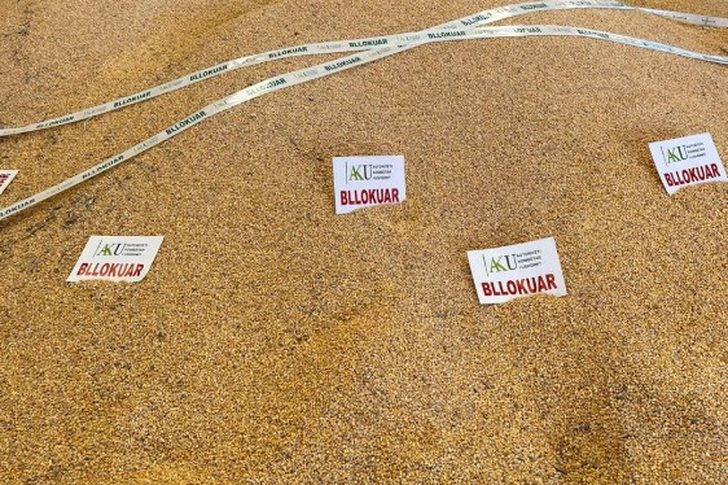
The National Food Authority (AKU) has blocked, according t...
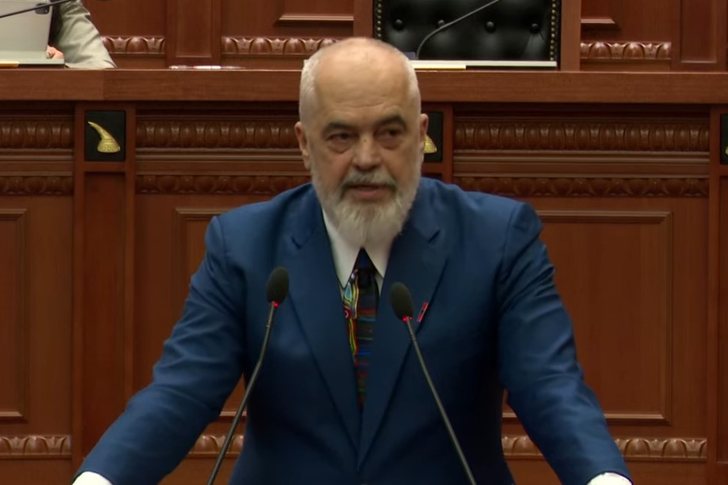
Prime Minister Edi Rama, through a post on his social netw...

A house has caught fire in the 'Skenderbeg' neighborhood i...

On the eve of the opening of the newest fish restaurant "A...
Journalist Alba Kepi has raised questions today regarding ...
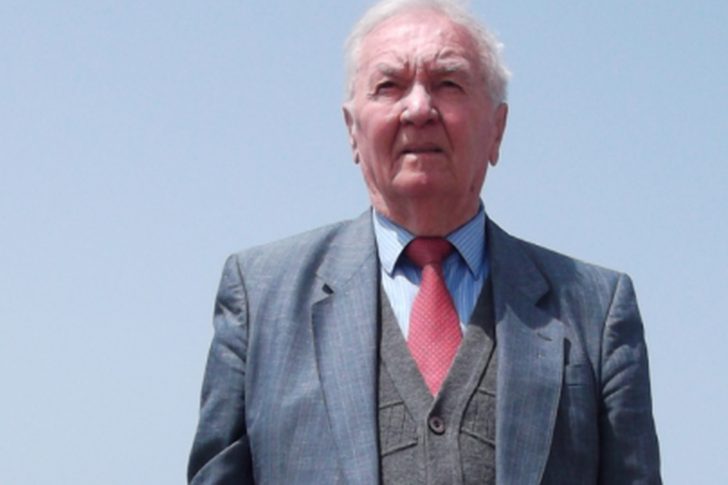
Muho Asllani, former member of the Politburo during commun...

Mayor Erion Veliaj continues to endlessly postpone court h...

The Presidency of the Republic has published today the lis...
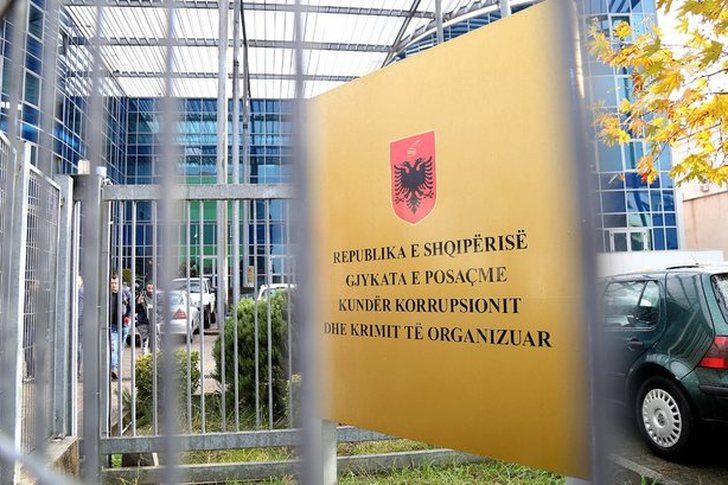
Gjykata e Posaçme e Apelit ka vendosur sot lënien në fuqi ...
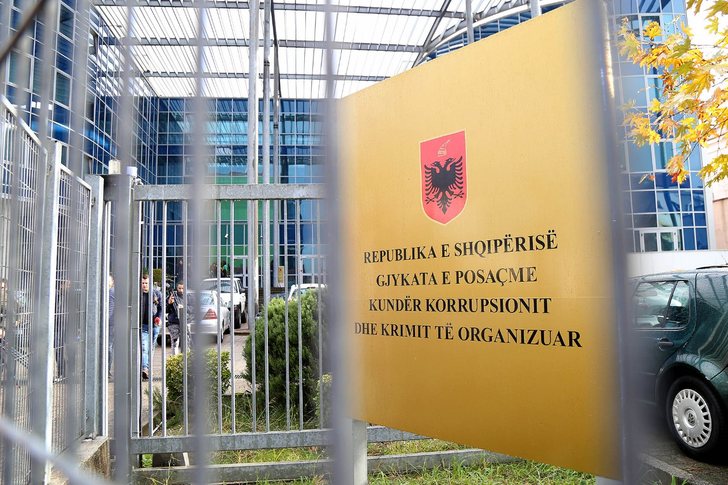
The hearing on the "Golden Bullet" case is underway at the...
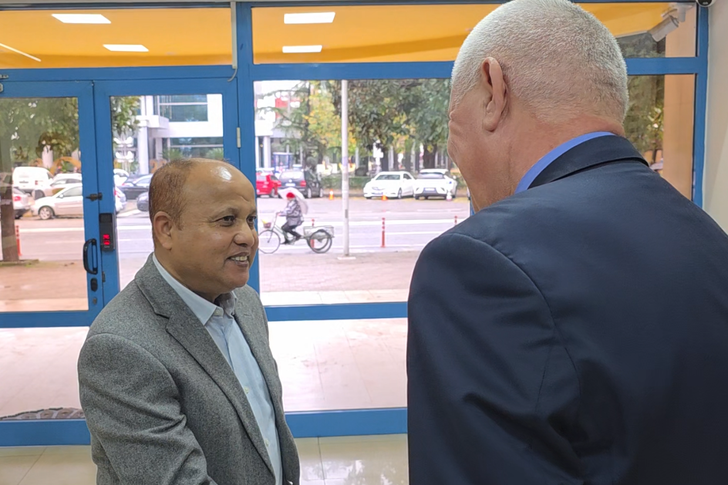
The Rector of the University of Shkodra, Tonin Gjuraj, hos...
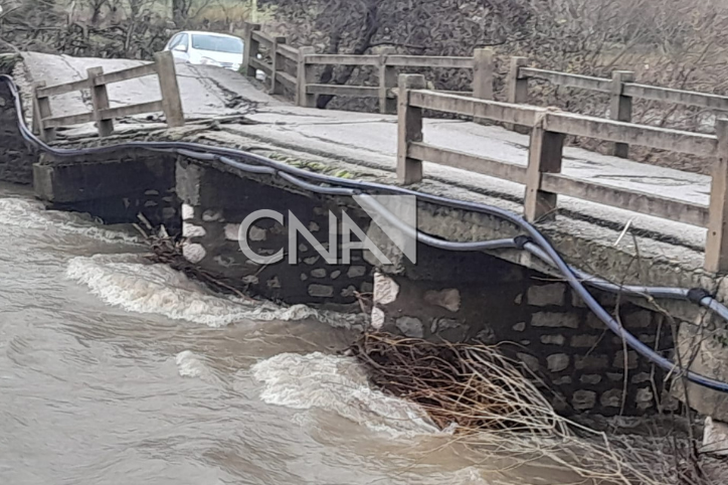
The bridge in the village of Qafëzezë in Kolonjë has been ...

The Kakavija-Ioannina road axis will be blocked again toda...
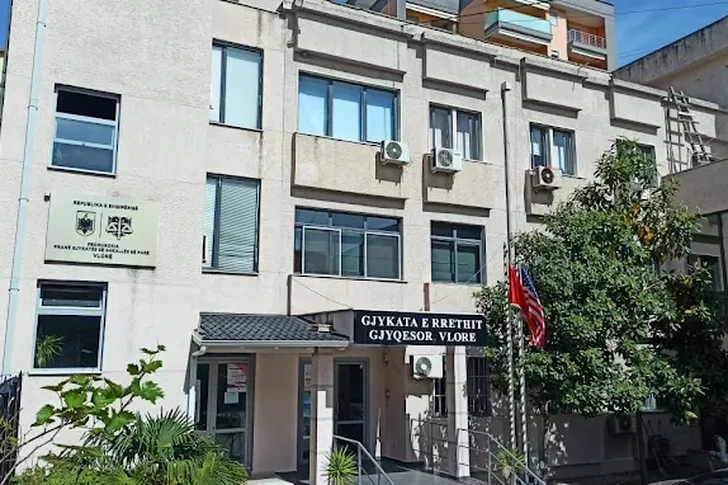
The Vlora Prosecution Office has seized the assets of a pe...

We are introducing you to the main newspaper headlines for...

CNA has launched another investigation that could lead to ...

Irfan Hysenbelliu is a businessman that we call "Irfan the...

In March 2026, CNA launched another investigation centered...
The arrested mayor of Tirana, Erion Veliaj, with 13 charge...

The Special Board of Appeal (KPA) decided this Monday ...

The KPA vetting decided this Thursday to dismiss the p...

Suela Salavaçi, a prosecutor in the Prosecutor's Offic...

The Special Board of Appeal reinstated the prosecutor ...

Footage emerges from the serious accident that occurred th...

A Shkodra traffic police officer was hit with hard objects...
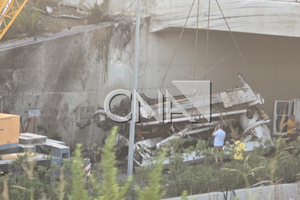
This Wednesday, around 4:00 PM, a serious accident occurre...

Tirana Police have shared details regarding the accident t...

On Thursday, our country will be under the influence of st...
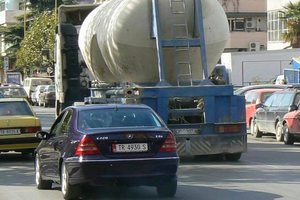
A serious accident that occurred this Wednesday with the c...

The Institute of Geosciences has shared a forecast for wea...
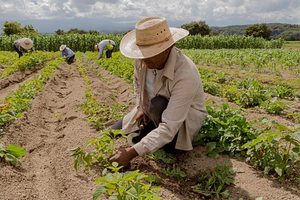
Rising energy and fertilizer prices are expected to contin...

Artificial intelligence (AI) models from the American comp...
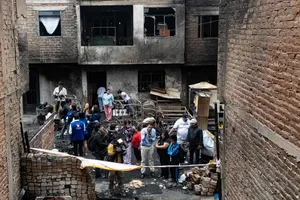
At least 10 people have died after a fire broke out in a h...

Yemen's Houthis have claimed to have attacked two Saudi oi...
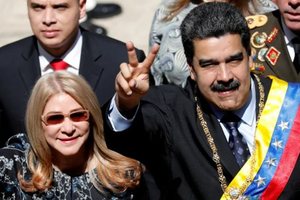
The trial of ousted Venezuelan President Nicolas Maduro on...

At a time when industrial products are increasingly taking...

Trust among people is not just a three-syllable word. It c...

Master of humor Todi Llupi has passed away at the age of 7...

The ninth edition of "MIK Festival" kicked off with one of...
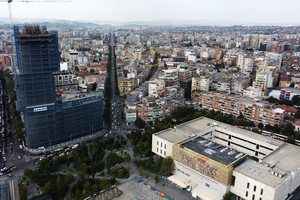
The average sale price of apartments in Tirana reaches rec...

This Thursday, one US dollar is bought for 81.5 lek and so...

The price of diesel reached 206 lek per liter from 198 lek...

Businesses will no longer be required to simply register t...