


Plenary sessions resume with debates/ Rama present in Parliament, podium blocked
Plenary sessions have resumed, with Prime Minister Edi Ram...

Plenary sessions have resumed, with Prime Minister Edi Ram...

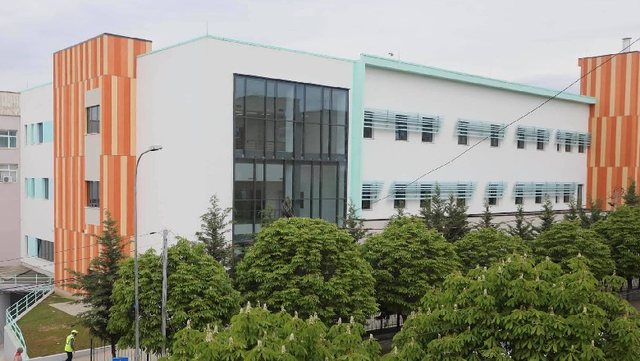
The development of new projects for the establishment of private or public hospitals will be subject to the new design norms.
In the Official Gazette, the decision "On the approval of design standards for hospitals and medical clinics" was published.
With the entry into force of the decision after publication in the Official Gazette, the new norms are mandatory for the design of public or private hospitals and medical clinics that will be built or reconstructed. State institutions and private entities involved in the process of design, construction permit approval, opposition and inspection of hospitals and medical clinics will be charged with their implementation.
"The document contains obligations and recommendations for the design of typologies of hospital facilities, for new constructions and for those subject to total reconstruction. The content of the material presents technical definitions and general concepts about the hospital structure as a whole, as well as its main typologies. This document sanctions the minimum rates allowed regarding architectural-spatial aspects, as well as engineering-infrastructural ones. Also, this document provides the necessary explanations for the aspects of the operation of the hospital facility", it is quoted in the decision.
Regarding the typology of hospital construction, the document presents 4 types of models. The model with platform and tower, which results in more compact spaces and in reducing roads or shortening trajectories from one unit to another. This model also represents rationalization of the hospital in general. The second model of the hospital articulated by a street-gallery.
According to this model, the hospital is oriented around a street-gallery, which is treated as a public space. The hospital model articulated around covered atriums that resemble hotel or shopping center lobbies and are reception, orientation and distribution spaces and the hospital model articulated around open squares and courtyards.
For the organization of sectors, the hospital should include 4 sectors, that of diagnosis and treatment, of hospitalization (beds), of administration and public services and the sector of general services.
The diagnostic and treatment sector should occupy about 45% of the surface of the entire hospital building and the hospitalization (beds) about 35% of the surface. While the general services sector, which together with Administration and Public Services will be about 25% of the area of ??the entire hospital building.
Regarding the number of beds, it is determined that each hospitalization unit (inpatient unit) can contain up to 32 patient beds. Up to 16 additional beds may be permitted as an extension of a standard 32-bed unit, with additional support equipment commensurate with the number of beds, for example by 1 additional service for clean, dirty materials and storage of additional equipment. For more than 16 additional beds, additional support services will be required, as for a full 32-bed unit, located to serve the additional beds.
The preferred maximum number of beds in an area of ??hospitalization for Obstetrics or Pediatrics will be 20-25 beds according to the document. A minimum of 20% of the beds will be placed in single rooms in a bedding unit. The document emphasizes that the trend is to provide a greater percentage of single rooms mainly for infection control reasons.
So if the hospital's service plan envisages treatment at all levels of health care, including bariatric patients (obese patients), the document also defines the criteria for the operation of the bariatric patient unit, which provides support, rehabilitation, monitoring and their treatment such as through surgery, exercises in the gym and consultations with nutritionists./Monitor

Gjykata e Posaçme ka liruar nga qelia, Klea Gjatën, mi...
Deputy Albana Vokshi has reacted with harsh tones to t...

At today's session of the Assembly, representatives of the...

On the International Day of Forests, the Minister of Touri...

A survey conducted by "Monitor" on its website and social ...
Albania is a country that has started the irreversible...

This Thursday we are introducing you to some of the main p...

Kryetari i Grupit Parlamentar i PD, Gazment Bardhi ka zbul...

Tonight on the show "Opinion" it was discussed about the P...
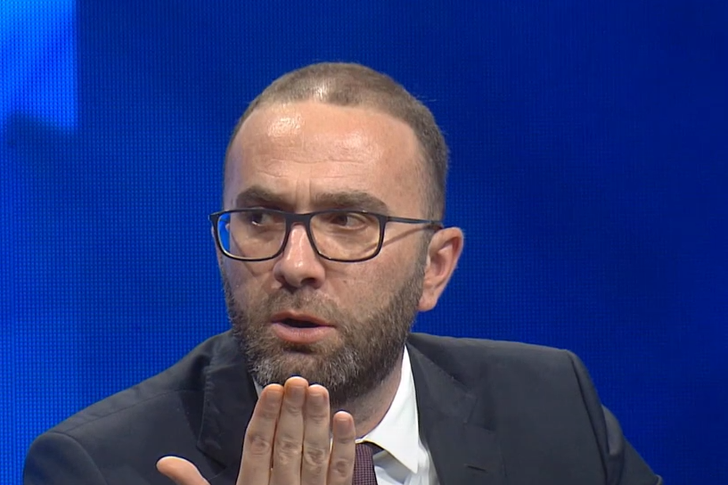
The head of the DP parliamentary group, Gazment Bardhi, re...
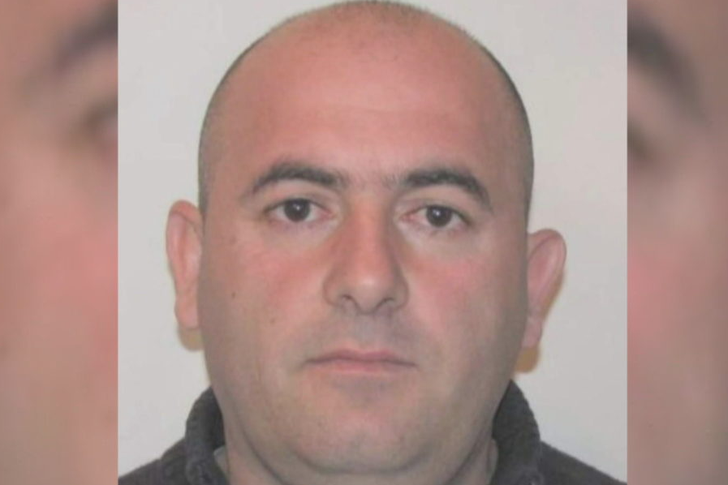
Journalist Merin Maçi has revealed new details about the m...
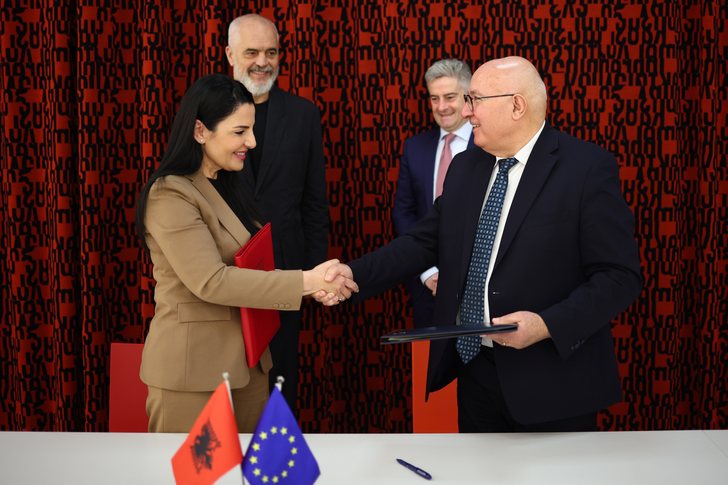
The Global EIB continues to support sustainable transport ...

The member of the National Council of the DP, Dorian Telit...

Former Prime Minister Sali Berisha, during his speech ...
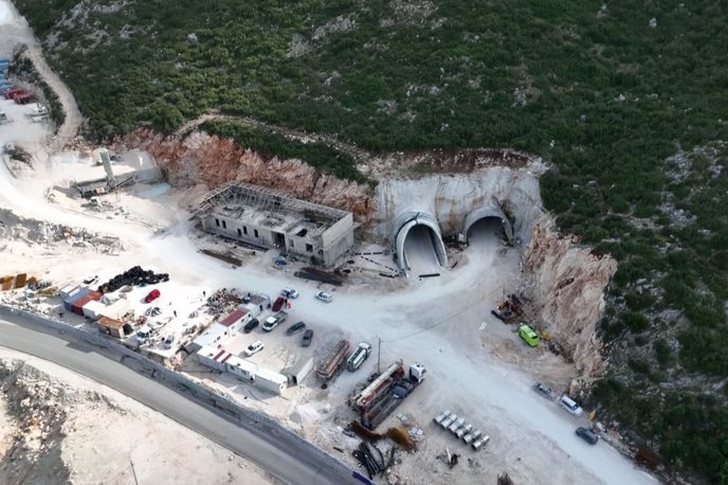
The director of the Llogara Tunnel project, Ardino Halimi,...
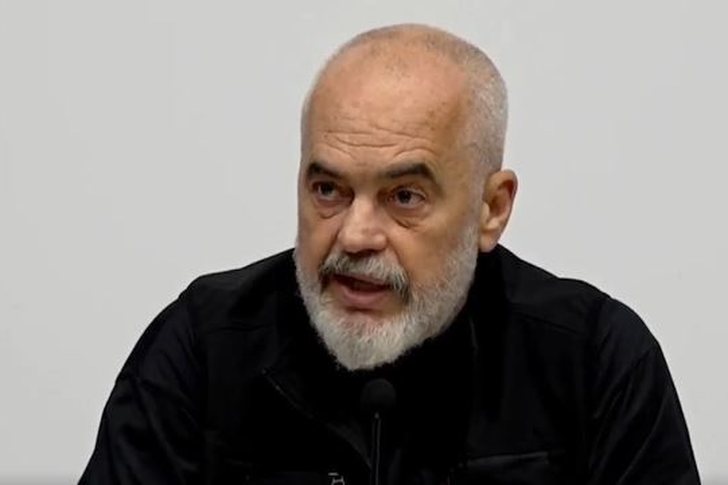
The vice president of the DP, Gazment Bardhi, has denounce...

Prime Minister Edi Rama has reacted again regarding the in...
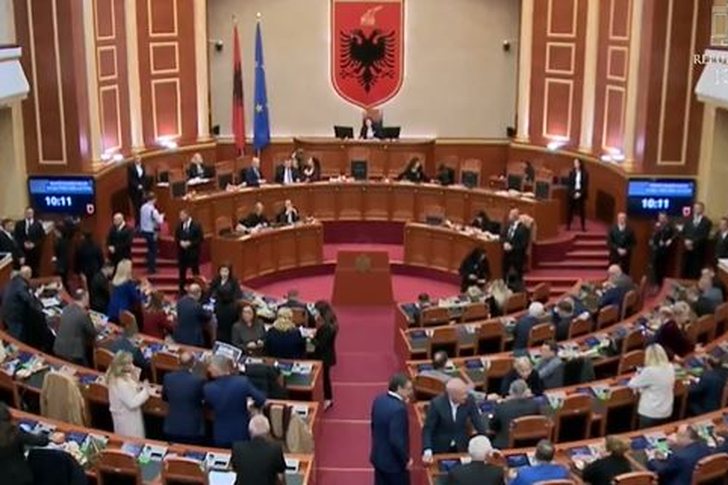
Ditën e nesërme do të mbahet seanca e radhës parlamentare,...
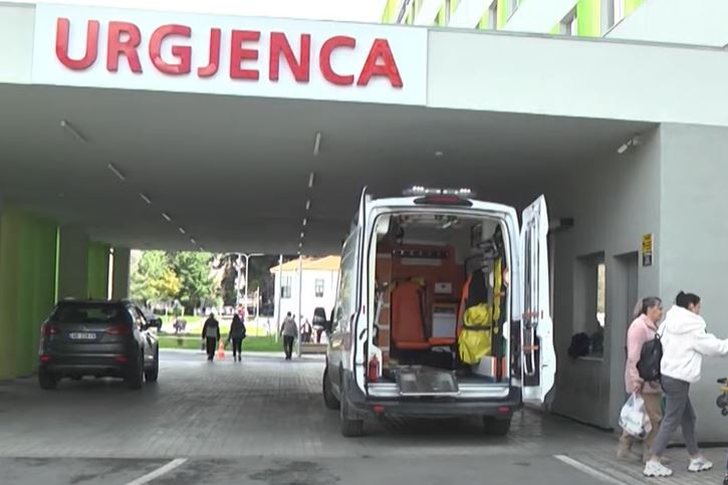
Pas zjarrit që përfshiu Urgjencën e Qendrës Spitalore ...
Former prison officer Gentian Bejtja was executed 5 da...

CNA has launched another investigation that could lead to ...

Irfan Hysenbelliu is a businessman that we call "Irfan the...

In March 2026, CNA launched another investigation centered...
The arrested mayor of Tirana, Erion Veliaj, with 13 charge...

The Special Board of Appeal (KPA) decided this Monday ...

The KPA vetting decided this Thursday to dismiss the p...

Suela Salavaçi, a prosecutor in the Prosecutor's Offic...

The Special Board of Appeal reinstated the prosecutor ...
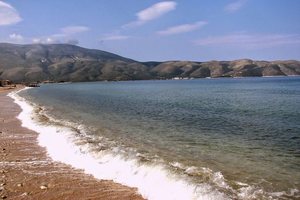
A person has died today on Orikum beach. According to repo...
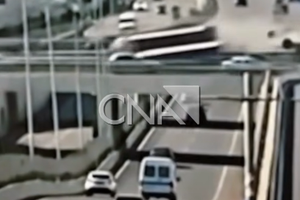
Footage emerges from the serious accident that occurred th...

A Shkodra traffic police officer was hit with hard objects...
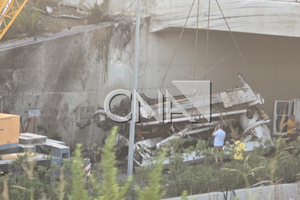
This Wednesday, around 4:00 PM, a serious accident occurre...

Children without parental care, for whom alternative famil...

On Thursday, our country will be under the influence of st...
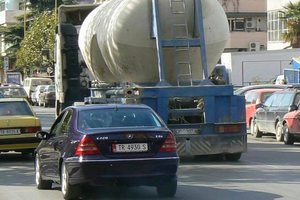
A serious accident that occurred this Wednesday with the c...

The Institute of Geosciences has shared a forecast for wea...

Artificial intelligence (AI) models from the American comp...
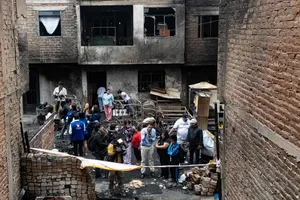
At least 10 people have died after a fire broke out in a h...
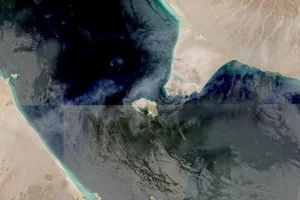
Yemen's Houthis have claimed to have attacked two Saudi oi...

The trial of ousted Venezuelan President Nicolas Maduro on...

At a time when industrial products are increasingly taking...

Trust among people is not just a three-syllable word. It c...

Master of humor Todi Llupi has passed away at the age of 7...

The ninth edition of "MIK Festival" kicked off with one of...
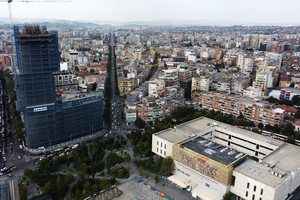
The average sale price of apartments in Tirana reaches rec...

This Thursday, one US dollar is bought for 81.5 lek and so...

The price of diesel reached 206 lek per liter from 198 lek...

Businesses will no longer be required to simply register t...