


Do journalistic investigations have a real impact in Albania?
The question arises: Do journalistic investigations ha...

The question arises: Do journalistic investigations ha...

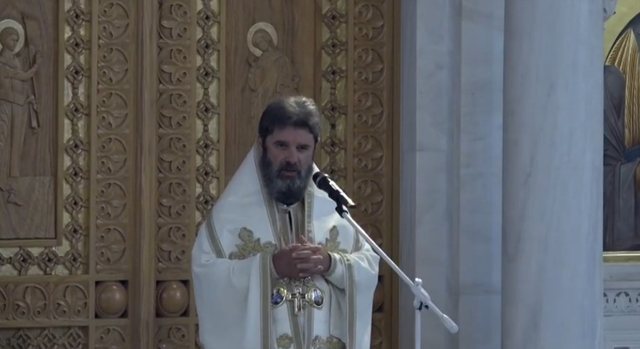
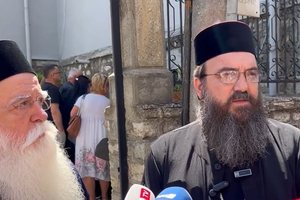
At the "Resurrection of Christ" Cathedral, the Archbishop of Tirana, Durrës and all Albania, His Beatitude Joani, delivered a sermon on the occasion of the 5th Sunday of Matthew.
During his speech, the Archbishop emphasized human freedom as a gift from God and the responsibility that stems from it.
The Archbishop also focused on the human difficulty in accepting guilt and the tendency to justify oneself. He emphasized that the ability to take responsibility for our actions is essential for spiritual healing.
His Beatitude expressed that the inability to admit guilt indicates a very great spiritual weakness.
Among other things, the Archbishop said in his six sermons that one must keep one's heart pure and by illuminating oneself, one also illuminates the people around one.
Excerpts from Archbishop Joan's sermon:
People think that life is easier without God, that they are often obligations. As often many people do not go to the doctor because they are afraid of pain. But the pains that you can get from medicine are to be cured. That is why the restrictions that God gives us - do not steal, do not commit adultery, do not kill and all the other things - are not to punish us, but to protect us, they are medicines, which protect us from the destruction of our own selves. And the most tragic thing is this, because by protecting our passions, we do not protect our real selves, but we protect our pseudo-selves.
We defend a self that is not entirely ours. Just as it happens with possessed people who become alienated, strangers to themselves, so it happens with each of us who lives a life of sin. As it says in the parable of the prodigal son: 'and the son came to his senses when he repented.' Which means that until then he was not in himself. That is why we often defend with great persistence and passion what we are not really. And we fight against what we really are. That is why the Lord tells us, 'whoever wants to come after me, let him take up his cross, deny himself,' he is talking about this kind of pseudo-self, 'and follow me.' And the people asked him to leave the city. And the Lord left. And it does not say in the gospel that he went back to that place, he did not come again. If we ask Christ to leave, he will not remain with us. Because God does nothing by force unless we accept it with our free will.
It is the foundation of Christian anthropology that man was created as a free being. God loved each individual so much that he created him as a free being. That is to say, we have the freedom to accept God and to walk in his way, just as we have the freedom to sin and through this we can destroy ourselves. Everyone is responsible for every deed they do, because man is a free being. Often, finding fault outside is an excuse. A very beautiful story is told on the holy mountain. During Great Lent, there was a young monk, who probably had a lot of difficulty with Lent, and he had a very large key, like the door keys of that time that had a... very large, he took that key, put an egg in it and boiled it in the flame of a candle. And once, the abbot opened the door and saw him doing this, and said to him: 'What are you doing like this?' He said: 'The devil tempted me.'
The story goes that they heard a deep voice saying, 'Liar, I never thought of that.' It was the devil who spoke. Often, by finding justification only from the outside, we do not heal. Because the inability to admit guilt shows a very great spiritual weakness. The saints always had the courage to admit their mistake. We do not admit it because we do not have the courage. We do not have the courage because we are proud, and we are proud because we are selfish, we have created a pseudo-self. That is why today's gospel is a very important lesson for us. Let us keep our heart pure, because if we open it and pollute it, different spirits can enter inside that will destroy our life. And it tells us to accept Christ. Accept God. Even when it seems difficult, let us not expel him from our life, because by expelling him from our life, it is our life that will wither.
Let us pray to God to give us strength. To give us strength, to give us enlightenment, to discern the spirits. Because as Saint John commands us in his letter, 'Beloved,' he says, 'discern the spirits. Not every spirit comes from God.' Not every thought that pleases us means that it came from God; often it does not come from God, it comes from another. That is why we should ask God for discernment, because by having discernment, we will enlighten ourselves. And as I like to say all the time, by enlightening ourselves, we can also enlighten the people around us. /CNA

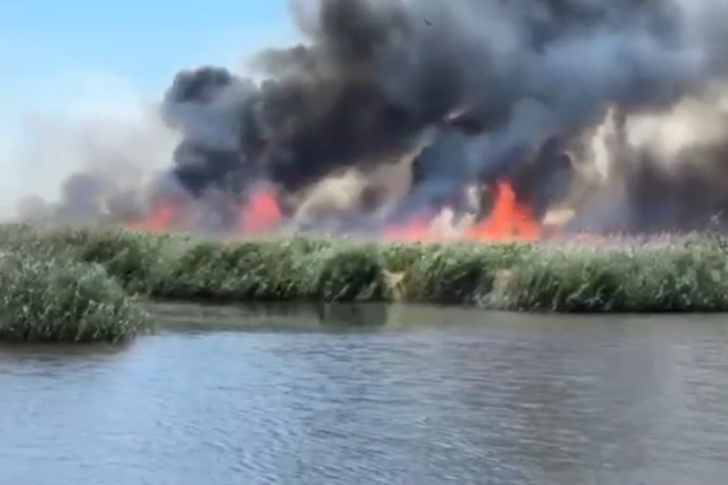
Another fire has broken out in the Lezha area, this time n...
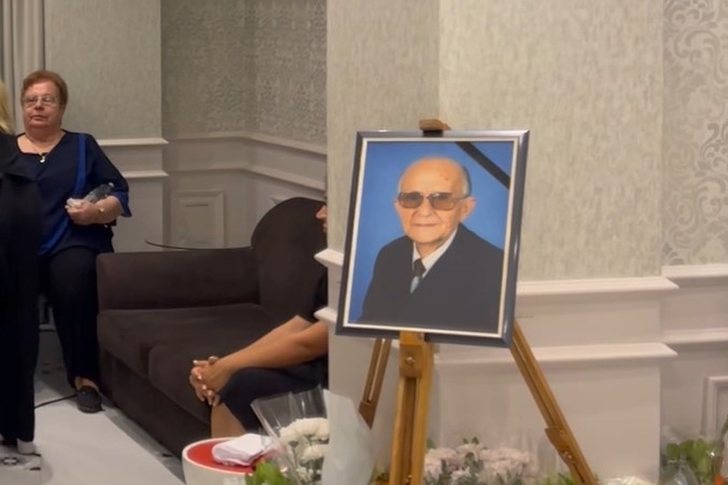
Korça said its final farewell this Sunday to the prominent...
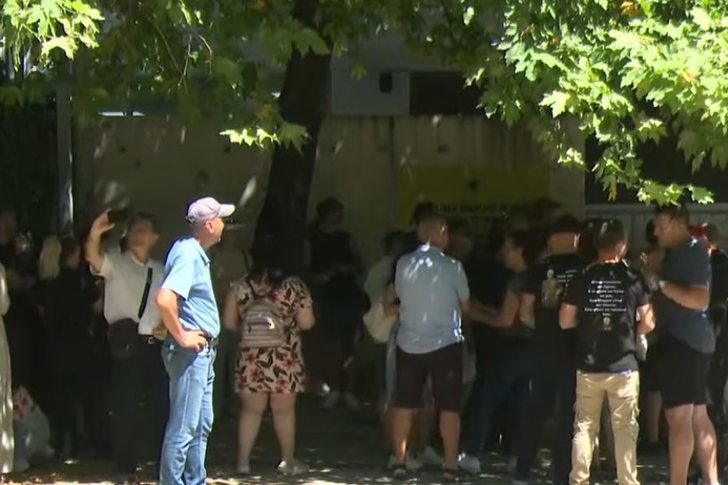
The hearing for determining the security measure for t...
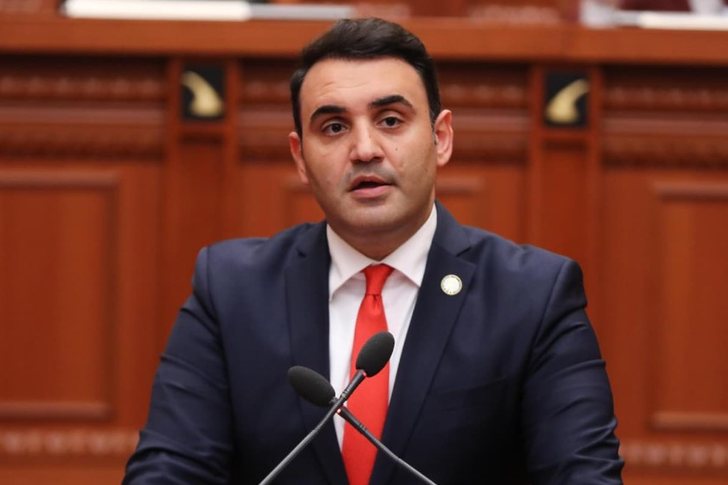
DP MP Belind Këlliçi has reacted to the statement made by ...
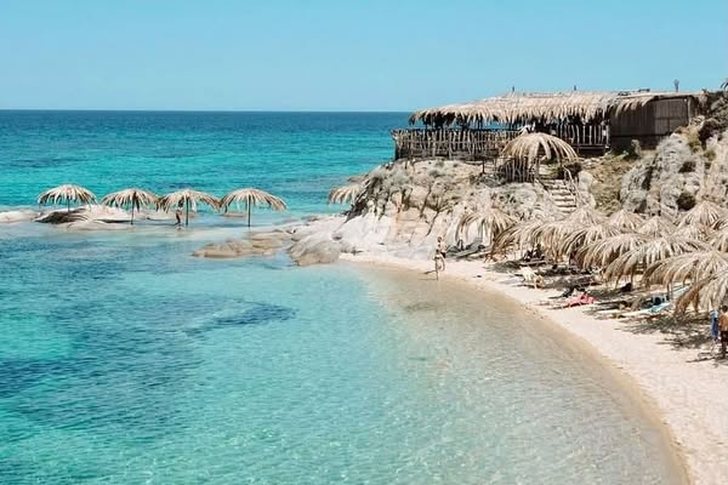
Tourism expert Zak Topuzi, in a post on social media, anno...
The head of the Socialist Party Parliamentary Group, Taula...
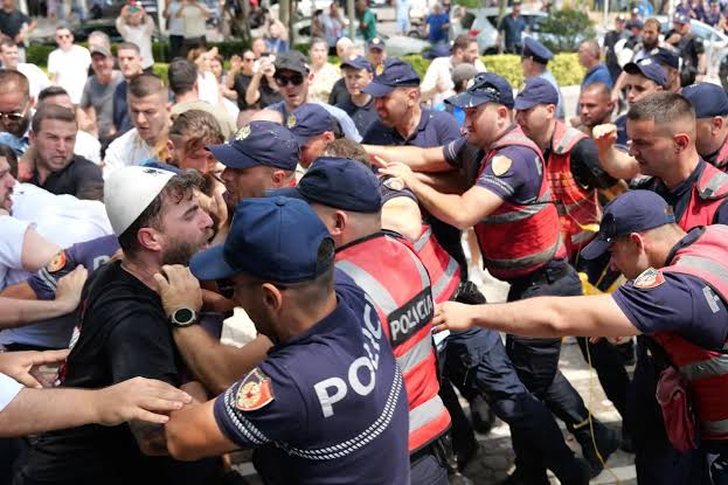
A group of citizens gathered this morning in front of ...

The six Western Balkan countries are following different p...
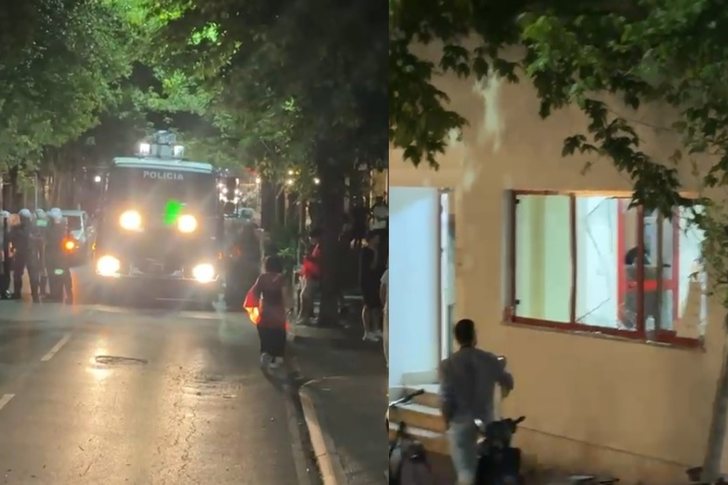
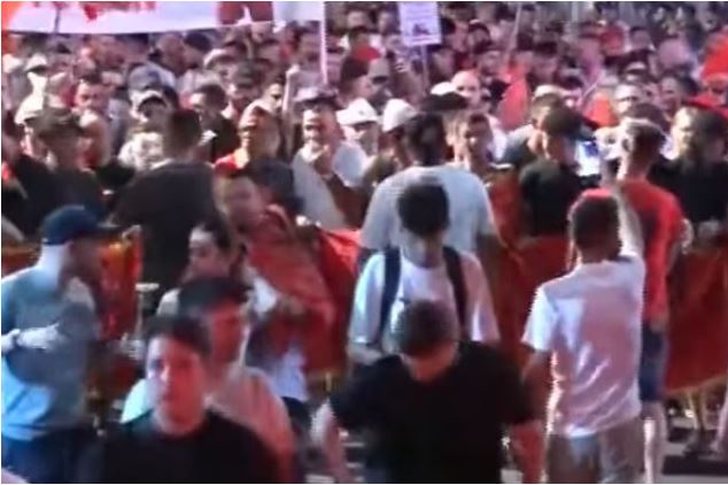
Tensions and unrest were recorded in the protest held yest...
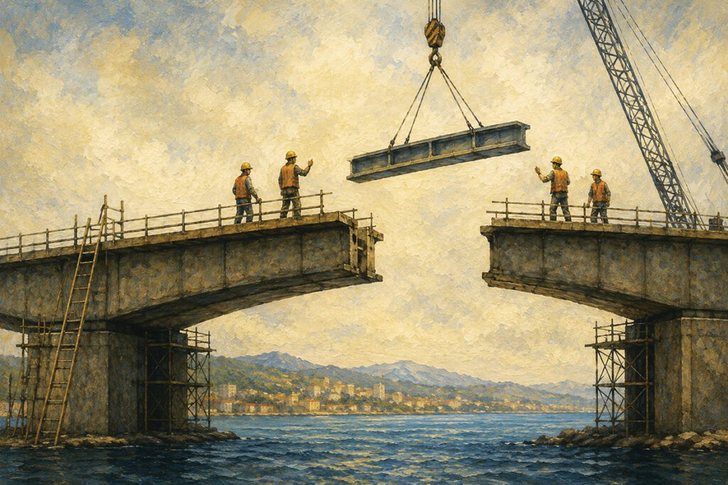
Integration into the single European market means respecti...
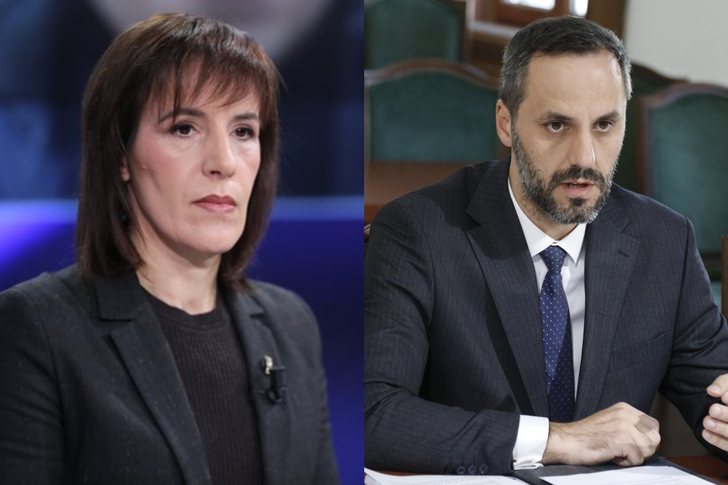
Journalist Klodiana Lala responded through a post on socia...

The Western Balkans continue to move closer to the Europea...

The head of the Socialist Party Parliamentary Group, Taula...
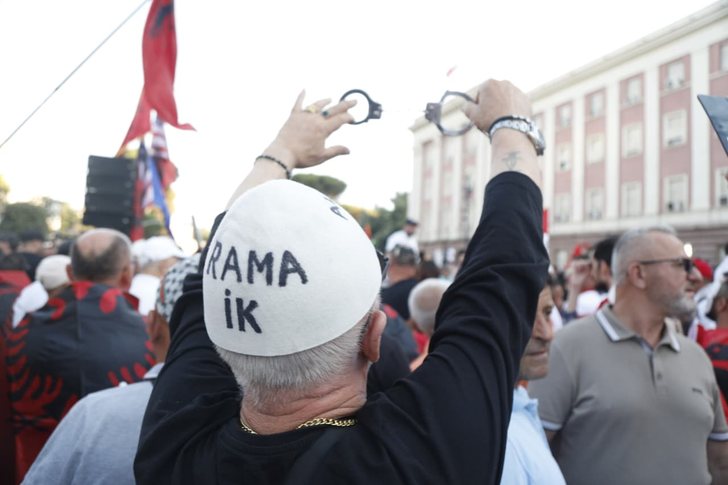
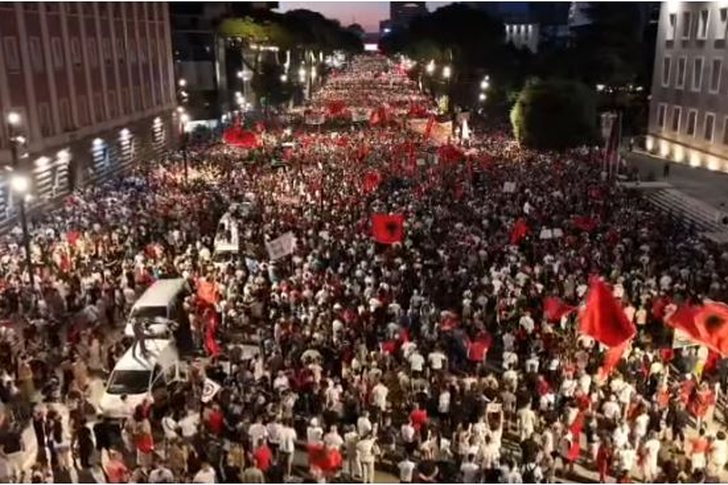
On the 35th day of the protest, which coincided with Prime...
In several communications made on WhatsApp, a group called...
After model Oriola Marashi, another denunciation has been ...
The head of the Socialist Party Parliamentary Group, Taula...
After about three hours of speeches before the Prime Minis...
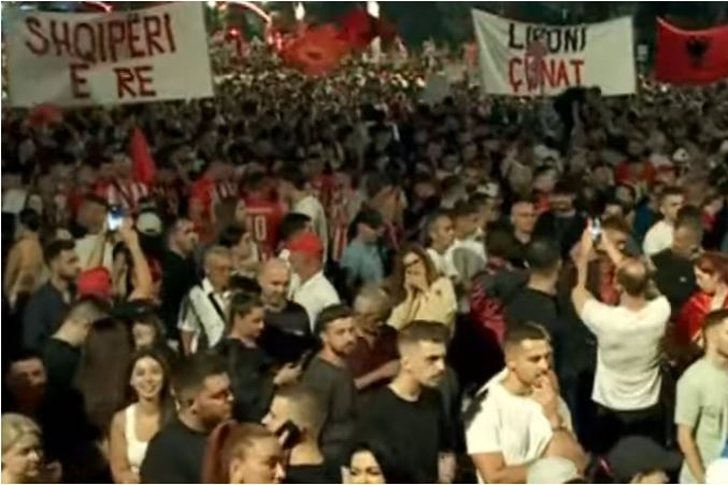
In today's protest, in the speeches held, there were also ...
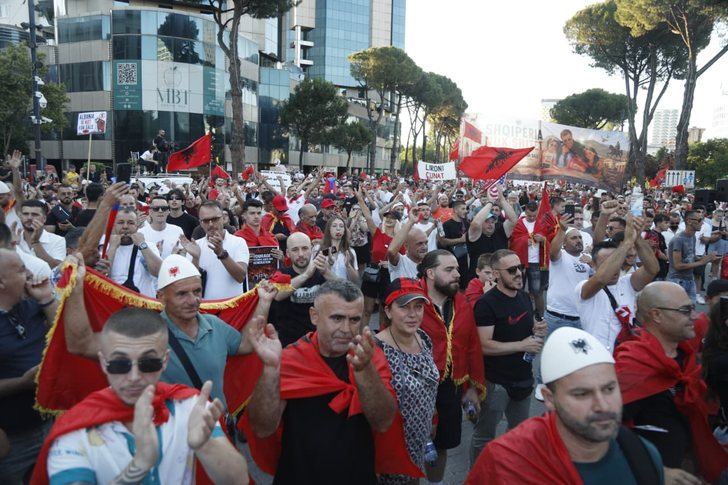
Today, Albanians from the diaspora were also present at th...

The justice reform claimed that it would bring faster, fai...
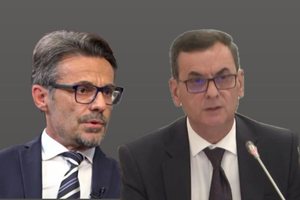
The Justice Reform and the vetting process were trumpeted ...
After revealing the property portfolio in Tirana, Kavaja, ...
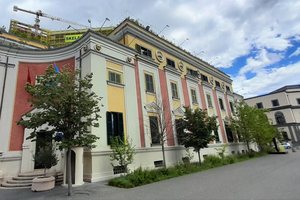
Four months ago, on March 11, CNA sent an official letter ...

The Special Board of Appeal (KPA) decided this Monday ...

The KPA vetting decided this Thursday to dismiss the p...

Suela Salavaçi, a prosecutor in the Prosecutor's Offic...

The Special Board of Appeal reinstated the prosecutor ...
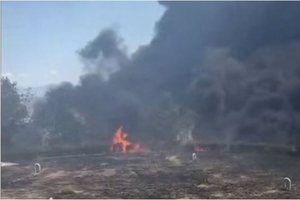
Fier Police has issued an official announcement regarding ...
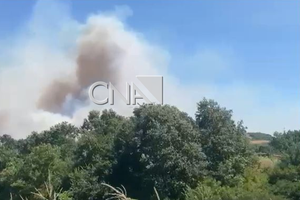
A large area of land in the village of Drizë, Fier, has ...
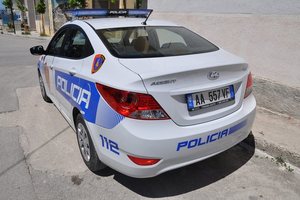
The Vau i Dejës police have prevented a criminal incident ...
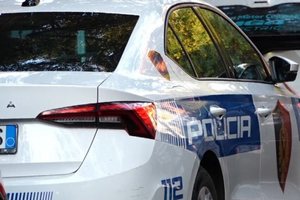
An axe attack occurred today in neighborhood no. 1 in Korç...
On Sunday, our country will be affected by stable weather ...
A day dedicated to health, solidarity and cooperation betw...
On Saturday, our country will be affected by relatively un...
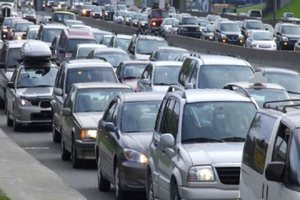
Heavy traffic is turning movement in Tirana into an exhaus...
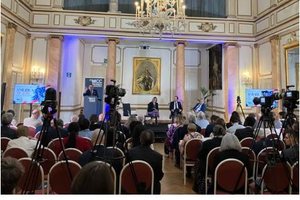
Under the glittering chandeliers of a neoclassical ballroo...
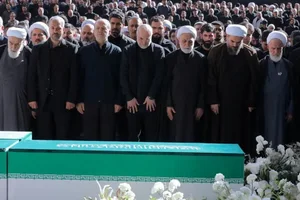
Iran's Supreme Leader, Mojtaba Khamenei, was absent from h...
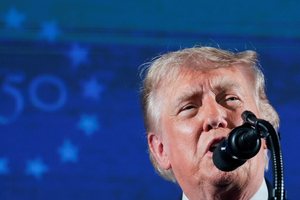
Ukrainian President Volodymyr Zelensky and the Kremlin ann...
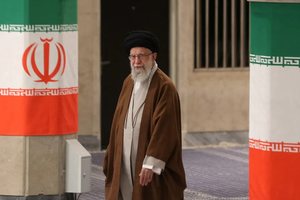
After months of tumultuous conflict with the United States...
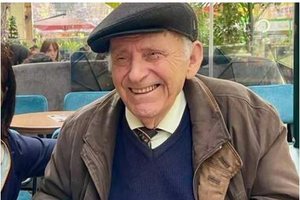
Professor and literature scholar Ali Xhiku has passed away...
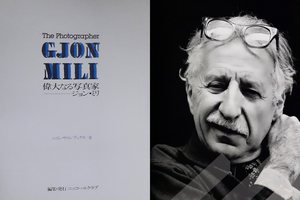
During my research into the life and artistic photographic...

This year's edition of the Gjon Mili International Video A...
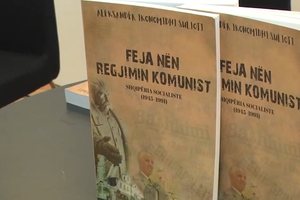
The promotion of the book by author Aleksandër Ikonomidhi ...
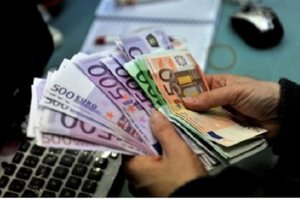
This Sunday, one US dollar is bought for 81.3 lek and sold...

When it comes to 10 key economic issues, the debate in Alban...

This Saturday, one US dollar is bought for 81.3 lek and so...
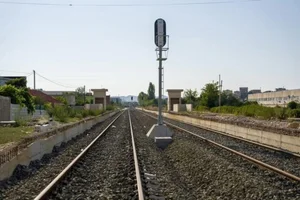
The loan agreement for the electrification of the Tirana-D...