

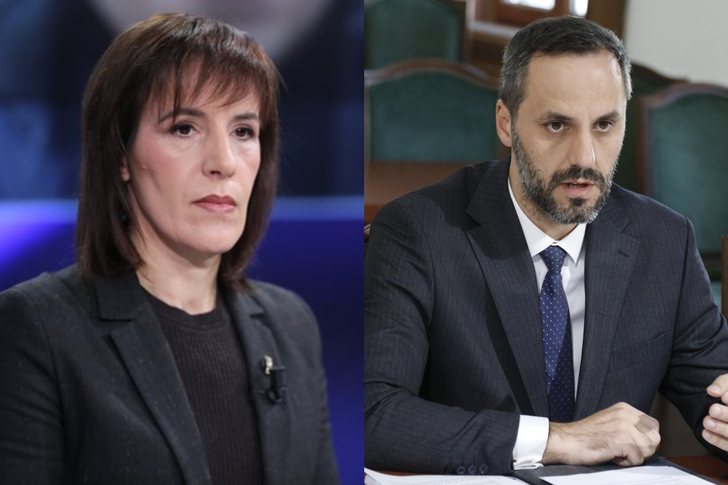
"Explain what happened to the arrested protesters instead of reacting to my statuses"/ Lala responds to Lamallari
Journalist Klodiana Lala responded through a post on socia...


Integration into the single European market means respecting thousands of technical rules, food safety standards, consumer protection, the environment, competition and product quality. This is where the biggest challenge lies.
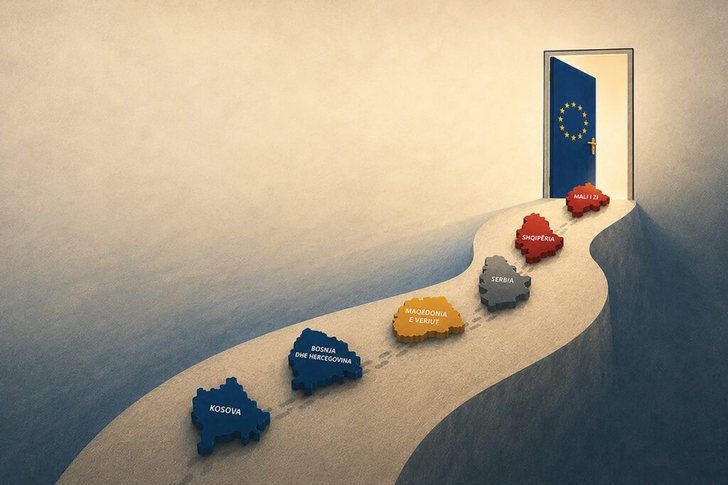
Albania has entered the most advanced phase of the European integration process. After opening all chapters – 33 in total, the focus has shifted from formal harmonization of legislation to the concrete implementation of reforms.
The institutions' attention is now shifting to fulfilling the specific conditions for the provisional closure of each chapter, where rule of law reforms remain essential. According to the integration agenda, the main focus will remain on chapters 23 and 24, which relate to the independence of justice and the fight against corruption, as they dictate the pace of the closure of the entire process.
The Albanian government has committed to closing the first 10 chapters of negotiations for membership in the European Union by 2026.
The government's objective is to conclude negotiations by the end of 2027 and join the EU around 2030. This deadline is also supported by European institutions, which consider Albania and Montenegro as the two most advanced enlargement countries in the Western Balkans.
For Ardian Haçkaj, an expert on European integration policies in Albania, success will not be measured only by closed chapters. “Albania is gaining technical integration points, but not necessarily sustainable and balanced economic transformation for society,” he assesses.
Along the same lines, Arben Shkodra from the Association of the Union of Albanian Producers argues that membership should not be seen as the end of the process, but as the beginning of a profound economic transformation.
Albanian businesses facing European standards
Integration into the single European market means respecting thousands of technical regulations, food safety standards, consumer protection, the environment, competition and product quality. This is where the biggest challenge lies.
Mr. Haçkaj warns that many Albanian economic activities have little time to adapt.
"Businesses, especially activities that are not currently exposed to the EU and are therefore not prepared, have very little time to adapt."
The concern is even greater among domestic producers. According to a preliminary analysis by the Ministry of Economy, cited by the Albanian Producers Association, only 10–15% of businesses are currently considered prepared for the European market.
“About 10 to 15% of them are relatively prepared to be part of the European Union,” says Mr. Shkodra.
Sektorët më të ekspozuar pritet të jenë industria ushqimore dhe ndërtimi. Në rastin e industrisë ushqimore, BE kërkon standarde shumë të larta të sigurisë dhe gjurmueshmërisë së produkteve. Në ndërtim, sfida lidhet me përafrimin me Eurokodet dhe normat europiane të sigurisë.
Kush fiton dhe kush rrezikon të humbasë
Në thelb, integrimi përfaqëson kalimin nga një model ekonomik i bazuar në kosto të ulët pune drejt një ekonomie të bazuar te produktiviteti dhe inovacioni.
“Kostot janë reale dhe të menjëhershme, përfitimet do të jenë më të mëdha, por të vonuara dhe të pabarabarta”, argumenton z. Haçkaj.
Sipas tij, fituese do të jenë bizneset që eksportojnë në tregun europian dhe arrijnë të certifikohen sipas standardeve të BE-së. Humbësit potencialë janë aktivitetet që operojnë vetëm në tregun vendas dhe që deri më sot kanë funksionuar me kërkesa më të ulëta rregullatore.
Edhe z. Shkodra paralajmëron se një pjesë e sipërmarrjeve mund të mos i mbijetojnë procesit.
“Kompanitë që nuk përmbushin standardet do të dalin nga tregu”, thotë ai.
Disa biznese, sipas tij, mund të detyrohen të ndryshojnë modelin e aktivitetit, ndërsa të tjera mund të mbyllen nëse kostot e përshtatjes rezultojnë të papërballueshme.
Fondet europiane dhe emigracioni: Mësimet nga Europa Lindore
Një nga argumentet kryesore në favor të integrimit është potenciali për të përfituar nga fondet europiane. Përvoja e vendeve si Polonia, Çekia apo Sllovakia tregon se fondet e kohezionit dhe ato strukturore kanë qenë motorët kryesorë të modernizimit ekonomik.
Polonia ka përfituar mbi 250 miliardë euro fonde europiane që prej anëtarësimit në vitin 2004 dhe konsiderohet sot një nga historitë më të suksesshme të konvergjencës ekonomike në BE.
Z. HaCkaj argumenton se Shqipëria mund të ndjekë një trajektore të ngjashme.
“Nëse shihet evolucioni i Polonisë, anëtarësimi dhe lëvizja e lirë pas anëtarësimit mund të kontribuojnë në emigrim drejt BE fillimisht, por pasohet menjëherë me rikthim të emigrantëve në vend.”
Megjithatë, përfitimi nga fondet europiane nuk është automatik. Shqipëria vazhdon të ketë kapacitete të kufizuara absorbuese. Vetëm dy projekte shqiptare kanë përfituar financim nga programi “Single Market Programme” që prej vitit 2024.
Z. Shkodra argumenton se pa mbështetje financiare shtesë, shumë biznese nuk do të arrijnë të përshtaten. “98% e biznesit nuk kanë mundësi reale monetare dhe kapacitete për të bërë transformimin”, vëren ai.
A është realist viti 2030
Nga pikëpamja teknike, Shqipëria duket më afër se kurrë anëtarësimit. Por procesi nuk përfundon me mbylljen e kapitujve. Pas kësaj nis ratifikimi i Traktatit të Anëtarësimit nga të 27 vendet anëtare, një proces që mund të ndikohet nga zhvillimet politike në secilin shtet.
"What depends on the administration, the government and the Parliament is the closure of 33 chapters in December 2027. With this, Albania is certified as a country that meets the technical and administrative conditions to be a member of the EU," says Haçkaj. On the other hand, business sees the 2030 deadline as a dividing line. "We have until 2030 to realize this transformation," says Mr. Shkodra.
Ultimately, Albania's challenge is not just to convince Brussels that it is ready to join. The challenge is to ensure that the economy, businesses and citizens are as prepared as the legislation.
Because integration is not just a political process. It is the largest economic and institutional transformation the country has undertaken since the beginning of transition. /Monitor

Journalist Klodiana Lala responded through a post on socia...
The Western Balkans continue to move closer to the Europea...

The head of the Socialist Party Parliamentary Group, Taula...
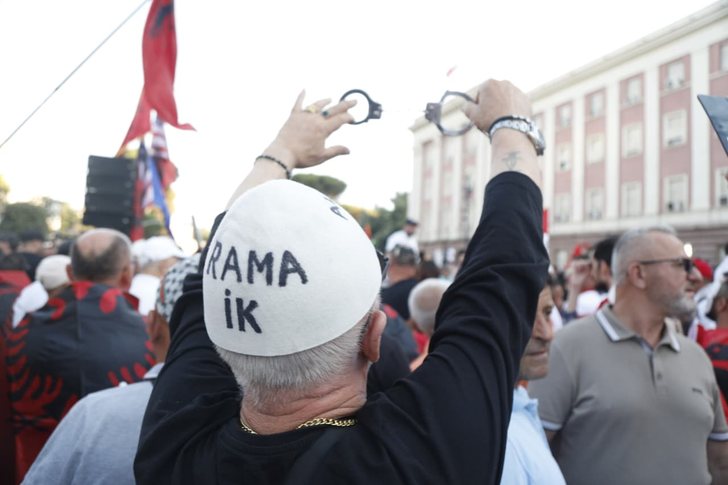
On the 35th day of the protest, which coincided with Prime...
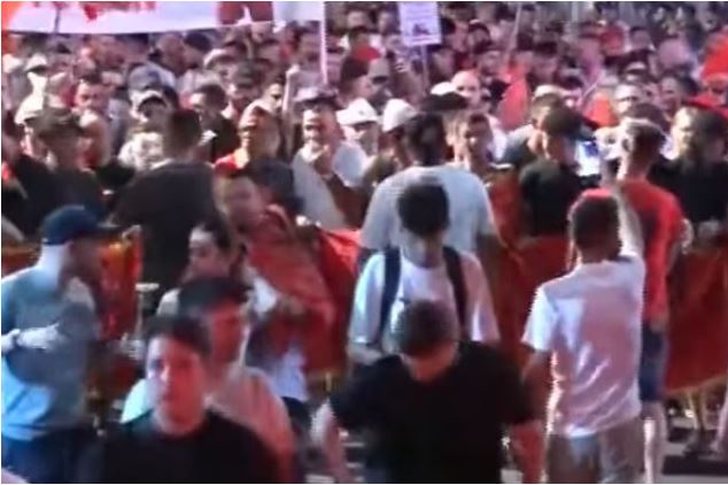
In several communications made on WhatsApp, a group called...
After model Oriola Marashi, another denunciation has been ...
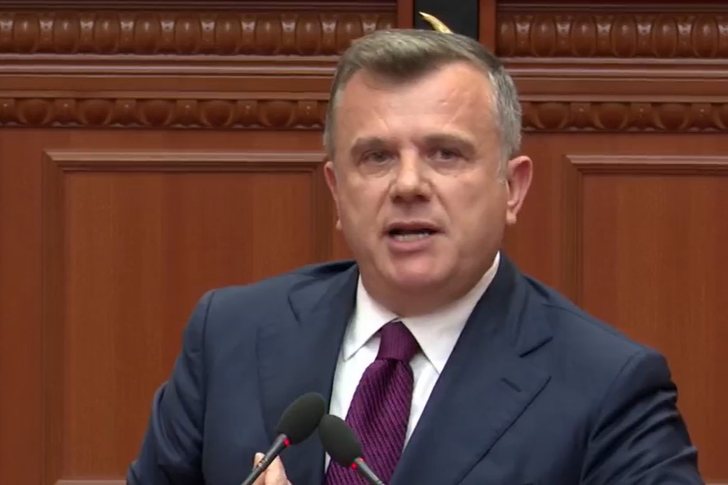
The head of the Socialist Party Parliamentary Group, Taula...
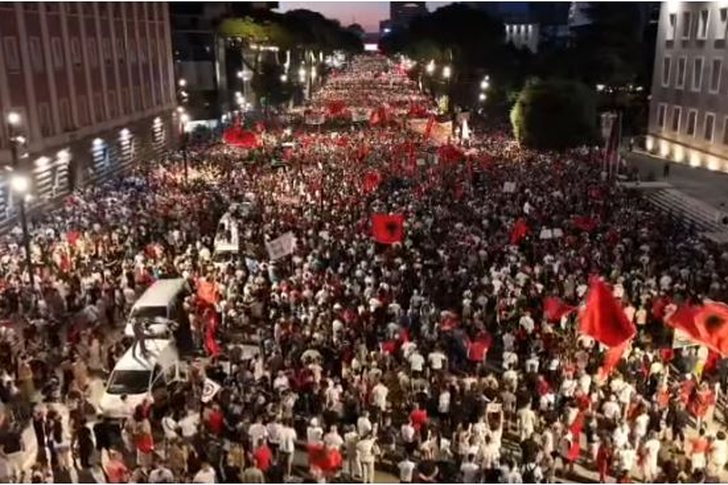
After about three hours of speeches before the Prime Minis...
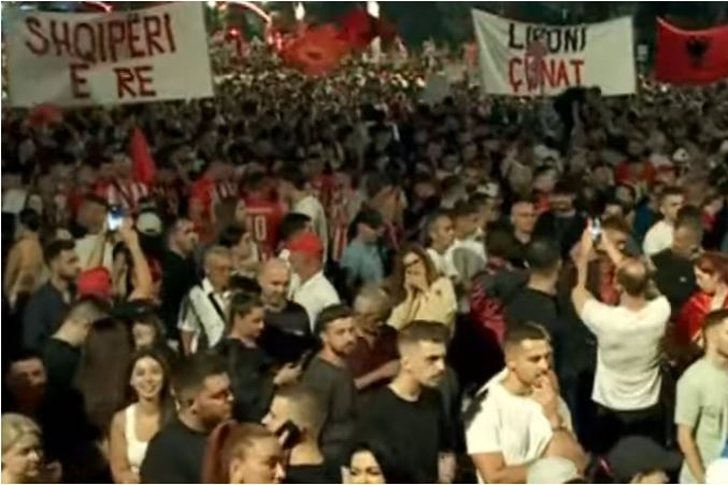
In today's protest, in the speeches held, there were also ...
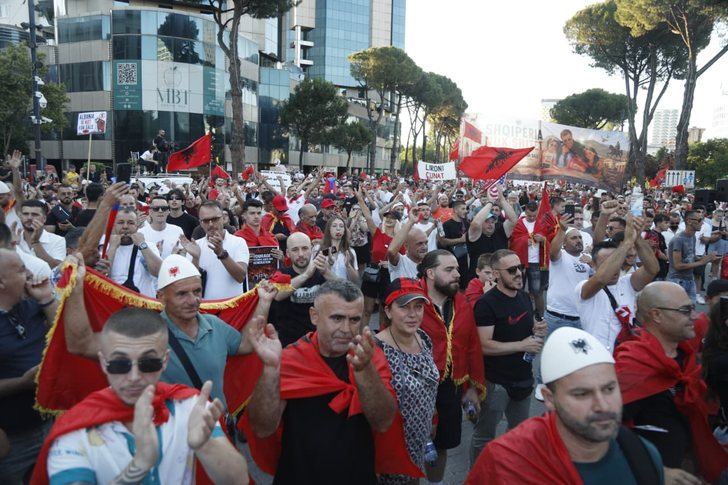
Today, Albanians from the diaspora were also present at th...
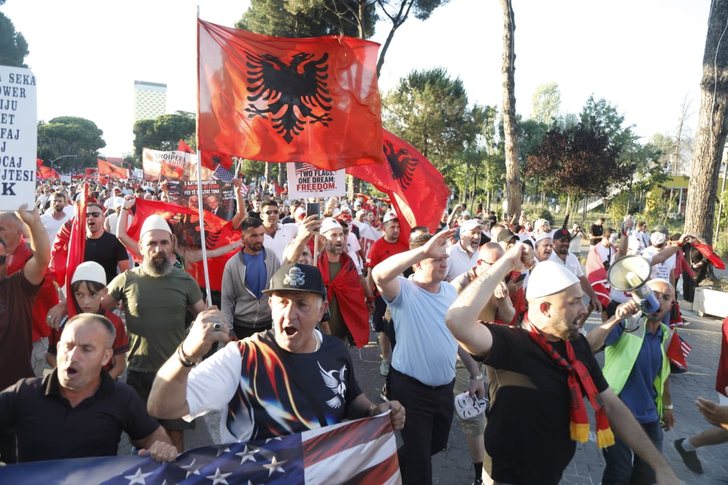
At today's protest, one of the people whose photo was post...
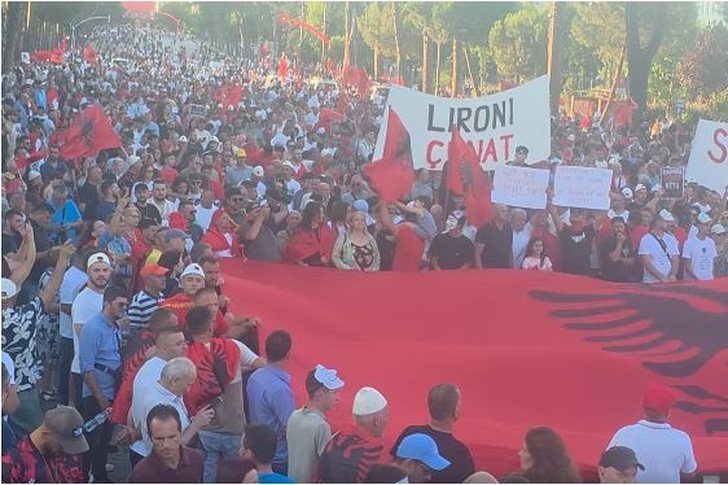
Like every day, on the 35th day of the protest, there was ...
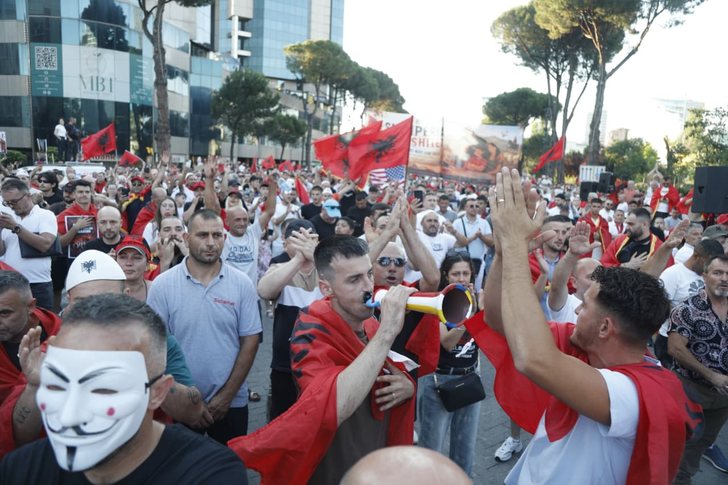
Also present at today's protest was a little boy, who also...
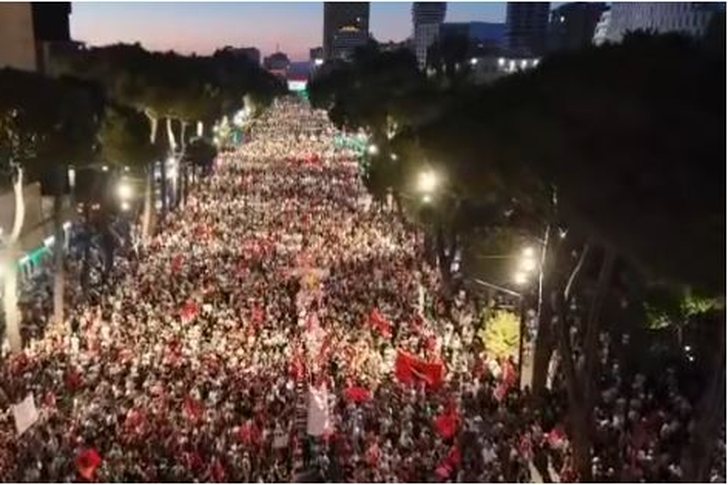
As the speeches on the 35th day of the protest continue, o...
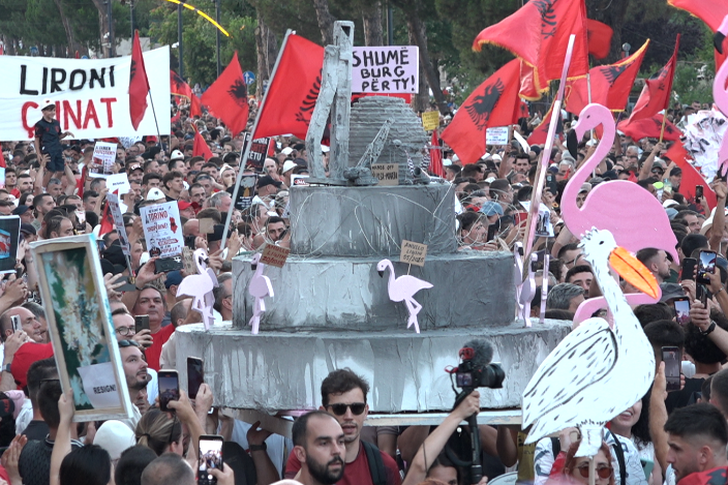
On the 35th day of the protest, which coincides with Prime...
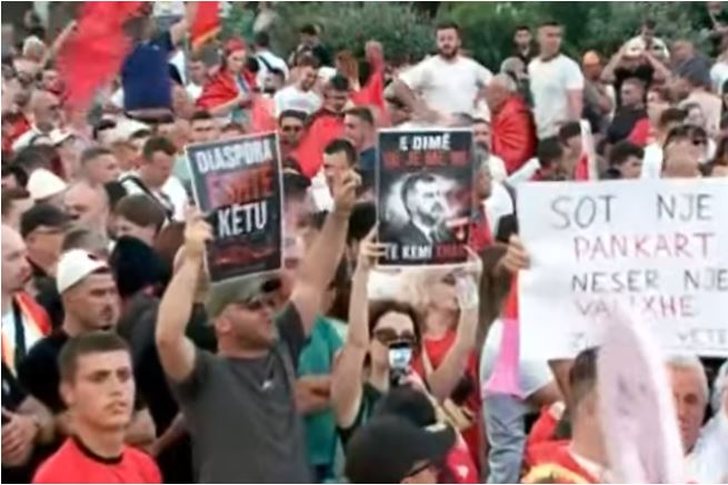
On the 35th day of the protest, one of the protesters, ide...
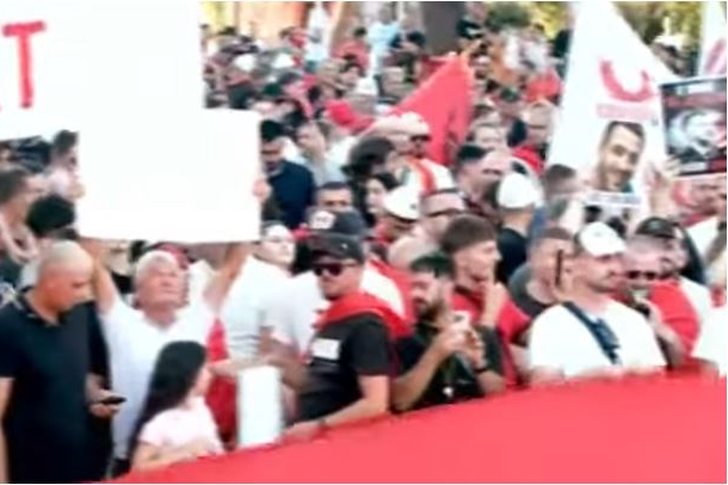
Protesters have begun their speeches in front of the Prime...
Some of the most developed countries are returning to the ...
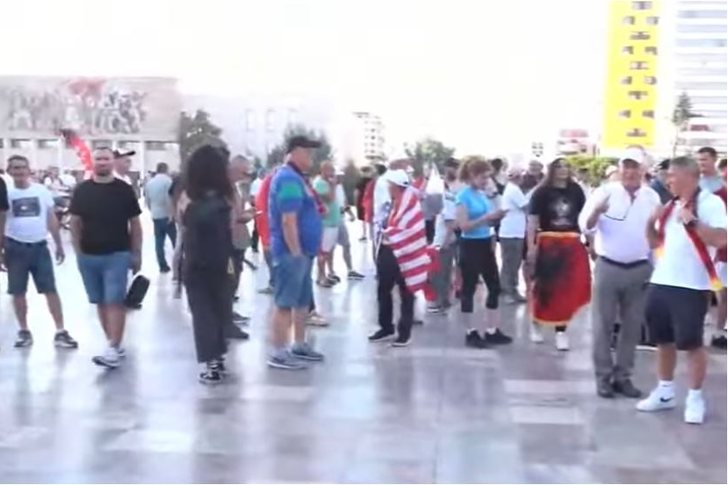
On the 35th day of the protest, citizens gathered as usual...
The Albanian higher education system gives students the op...
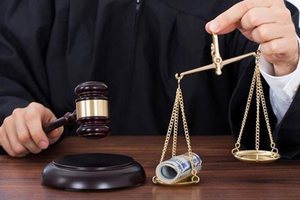
The justice reform claimed that it would bring faster, fai...
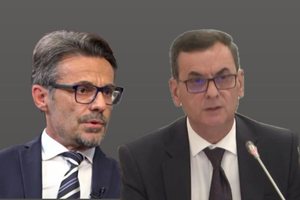
The Justice Reform and the vetting process were trumpeted ...
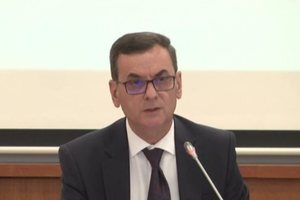
After revealing the property portfolio in Tirana, Kavaja, ...
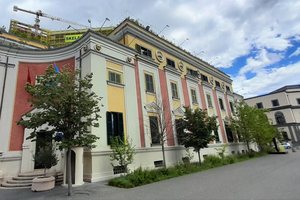
Four months ago, on March 11, CNA sent an official letter ...

The Special Board of Appeal (KPA) decided this Monday ...

The KPA vetting decided this Thursday to dismiss the p...

Suela Salavaçi, a prosecutor in the Prosecutor's Offic...

The Special Board of Appeal reinstated the prosecutor ...
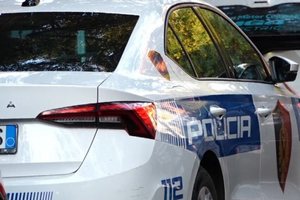
An axe attack occurred today in neighborhood no. 1 in Korç...
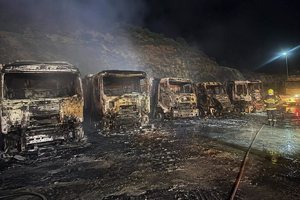
Five heavy-duty vehicles were engulfed in fire in the morn...
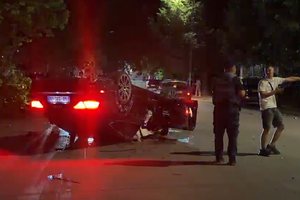
An accident was recorded around 01:00 on Sunday, near the ...
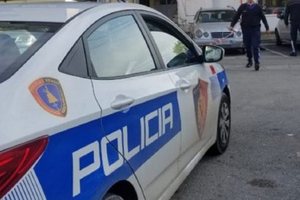
During routine checks in the village of Vlahen in Has, 3 p...
On Sunday, our country will be affected by stable weather ...
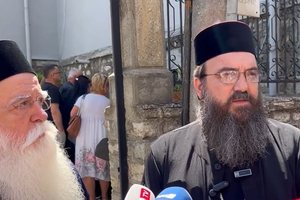
A day dedicated to health, solidarity and cooperation betw...
On Saturday, our country will be affected by relatively un...
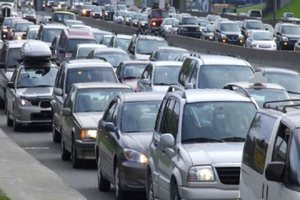
Heavy traffic is turning movement in Tirana into an exhaus...
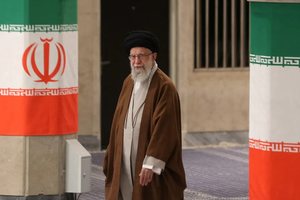
After months of tumultuous conflict with the United States...
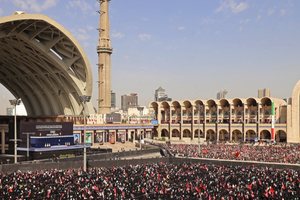
The multi-day funeral ceremonies for Iran's late supreme l...
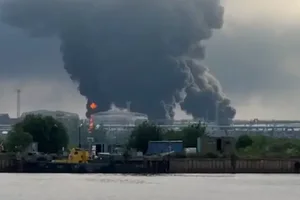
The General Staff of the Ukrainian Army has denied Russian...
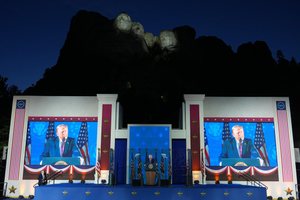
US President Donald Trump delivered a speech on the eve of...
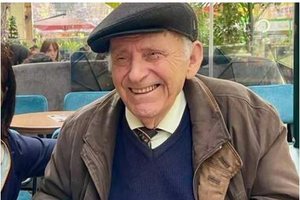
Professor and literature scholar Ali Xhiku has passed away...
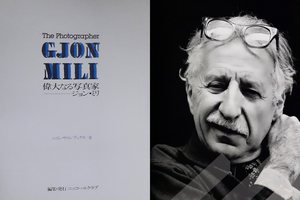
During my research into the life and artistic photographic...
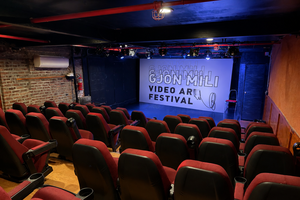
This year's edition of the Gjon Mili International Video A...
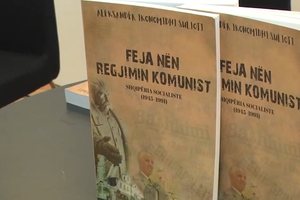
The promotion of the book by author Aleksandër Ikonomidhi ...
This Sunday, one US dollar is bought for 81.3 lek and sold...
When it comes to 10 key economic issues, the debate in Alban...
This Saturday, one US dollar is bought for 81.3 lek and so...
The loan agreement for the electrification of the Tirana-D...