


100 years 100 stories-Gold Franc/ Albania's first national currency
The Bank of Albania has shared information about Albania's...


CNA TV has obtained exclusive rights from renowned professor and scholar of history and geopolitics, Stephen Kotkin, to broadcast his academic lectures.
The fifth part of this documentary talks about the "Problem of Succession".
"An authoritarian regime seems not to be in a legacy crisis, it is in a permanent crisis, there is no secure future in an authoritarian regime," says Kotkin.
Part five of the documentary
It's the legacy problem, life is good, I have mine, you have yours, no one asks questions, my kids are going to school, maybe I have another kid at Dartmouth, they have a lot of expenses, it's 10 times my nominal salary, but I'm not feeling the pain. I have a Maybach to drive around the neighborhood to show everyone that I should be feared and taken seriously. My wife has a piece of jewelry on each finger and my lover has two pieces of jewelry on each finger. My kids have birthday parties in Dubai where whoever, whatever, is the "dog" is the performer.
Exactly and so I'm living in luxury, but you know, how can I be sure that tomorrow I'll be living in luxury too? What's the guarantee that all my loyalty, all the dirty work that I'm doing for this regime will be recognized tomorrow and the day after. I mean, what would happen, for example, if the leader got sick? A new person came in and it was the person that I didn't treat so well before, or whatever the case may be.
The uncertainty of the legacy of authoritarian regimes is paralyzing every day. Not only when Mubarak is 82 and has cancer and no one takes Gamal, his son, seriously, then it's clear as day that you have no future with this regime. If he's 82 and he's sick and the son won't manage the situation, you have a problem, that's clear. But when they're 55, they can still get cancer, when they're 55, there can be a coup, or the price of oil can drop or all sorts of things can happen, so even when an authoritarian regime seems not to be in a legacy crisis, it's in a permanent crisis, there's no secure future in an authoritarian regime.
In China we are expecting a third authoritarian transition, nobody was shot, there were no mass purges, right? There was no violent redistribution of property, that's how successions are usually done in authoritarian regimes, it was quite peaceful, behind the scenes they made a deal, the elite got together and they made a deal and gave portfolios and things and balanced things out. And they had a succession of authority that was peaceful and stable, mechanisms that are not transparent that we don't fully understand, that many people who claim to understand don't even know about, even if they are inside, because I don't know any more inside these regimes than I know outside, that's another point for another lecture.
However, my point is simply that authoritarian regimes have these inherent problems, these inherent problems are something that they can't do much about, they can try, but information degrades, the governing apparatus rots, the uncertainty about the legacy is a psychological problem, and more than psychological, it drives people to take action sometimes when they're afraid of what the legacy might be, they themselves can test their legacy and you have a coup or a putsch within the regime, sometimes because of the uncertainty about the legacy issue.
Okay, in conclusion, so no one should feel sorry for authoritarian regimes, I just want to make it clear, no one should, this is not an attempt to elicit sympathy on their behalf, because they have it hard, but I hope I've made the point clear that authoritarian regimes are not just a lack of democracy, they are not a default.
It's not easy to do and it's not easy to maintain, because it has this inherent tendency to undermine itself when it's successful. The usual problems that we think of authoritarian regimes as having may not be the real problems. For example, the disloyalty of intellectuals, just disloyalty. The number of intellectuals who are disloyal within authoritarian regimes is so small, so small. My favorite is the case study of the Italian fascist regime, and how many professors resigned from their university positions when Mussolini came to power? Do you know who answers that? Google it, it's one of the numbers in the algorithm. Do you know algorithm zero or one? So the things that we normally see as threatening to authoritarian regimes may not be the biggest problems that they have.
The biggest problems that authoritarian regimes have are mostly themselves, because it's a hard thing to do and when you do it well, things get worse, almost every authoritarian regime rots, it performs, it can improve for a while and perform better, but it reaches a point where it rots. There is very little sustainable authoritarianism./ CNA

The Bank of Albania has shared information about Albania's...
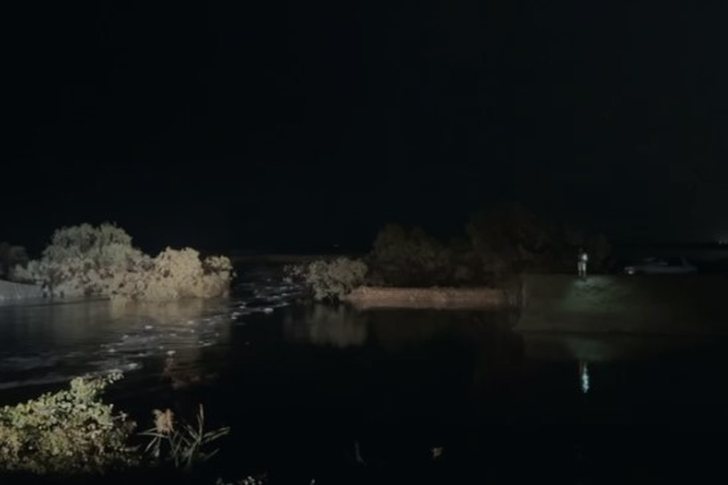
The operation to close the embankment, which suffered a la...
SPAK investigation into the procurement procedures of the ...
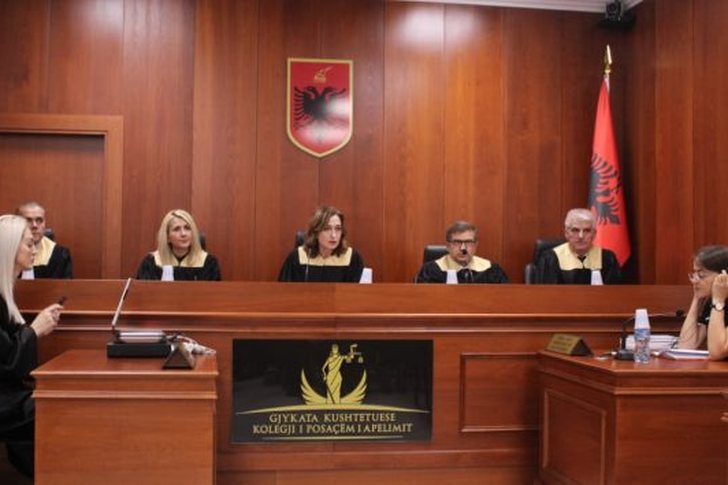
The Special Appeals Chamber has decided today to uphol...
Lawyer Ylli Manjani has expressed his position regarding r...
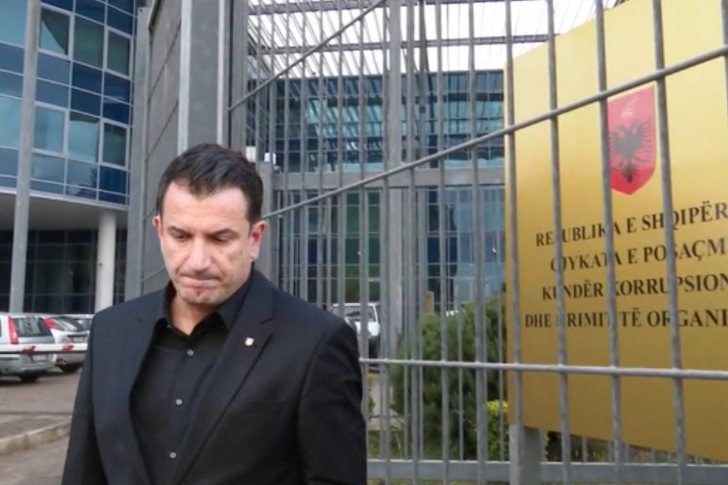
The American newspaper "The Washington Post" has dedicated...

SPAK has denied Erion Veliaj's media reports that EC autho...
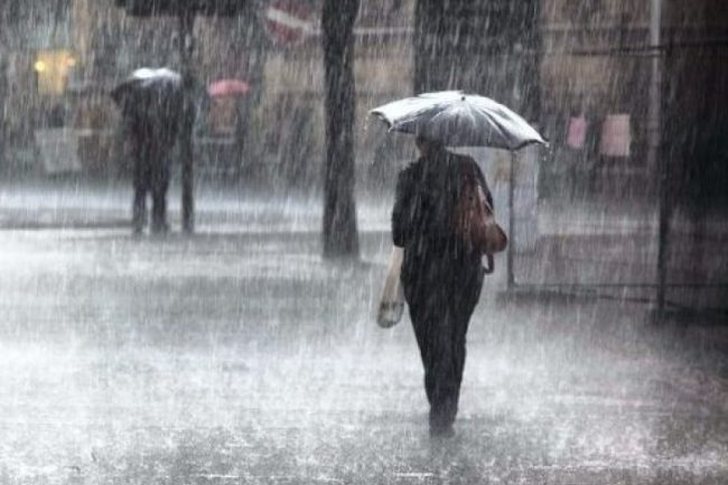
The recent days of intense rainfall that have engulfed Alb...

SPAK Head Altin Dumani has conducted a two-day visit to Br...
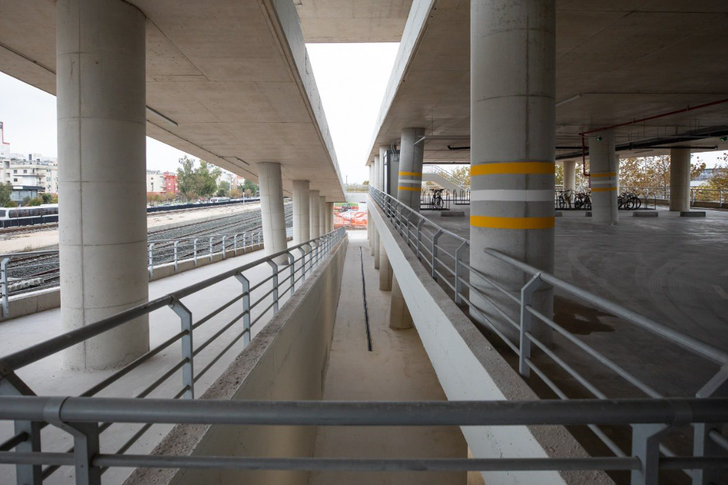
Prime Minister Edi Rama announced today the opening of a n...
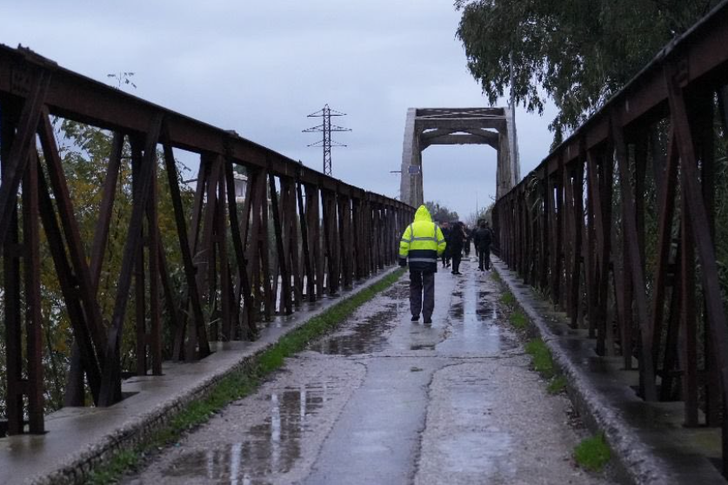
In the territory of Shkodra District, rainfall continues w...
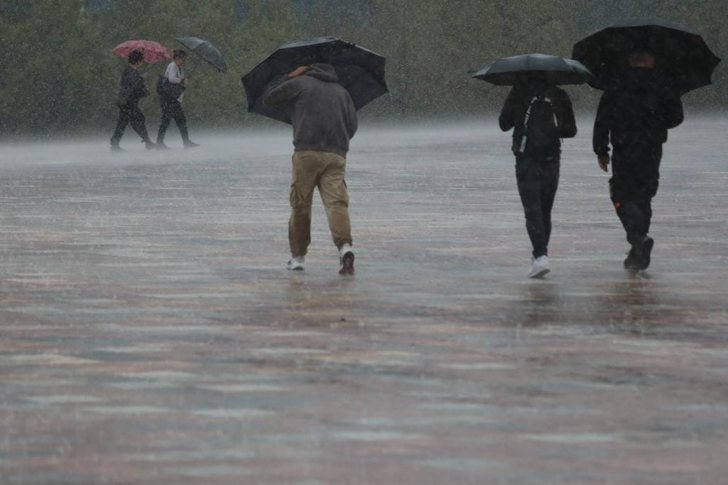
The Institute of Geosciences has shared an announcement re...
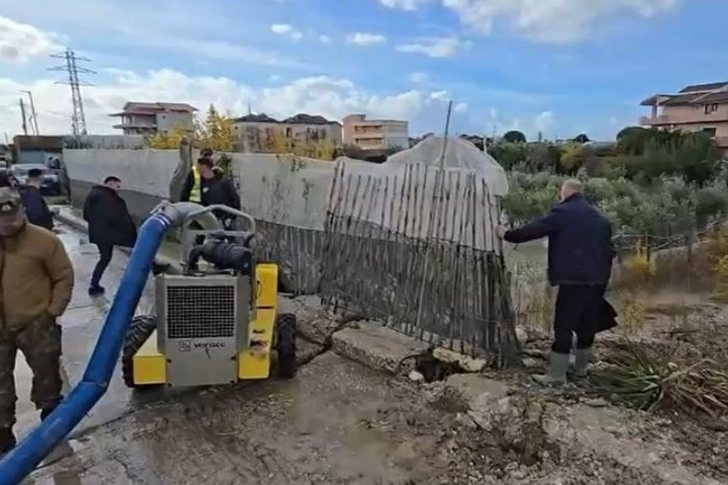
Bad weather and intense rainfall have caused flooding in N...

The Special Court of Appeal has released Eria Ago, Safet B...
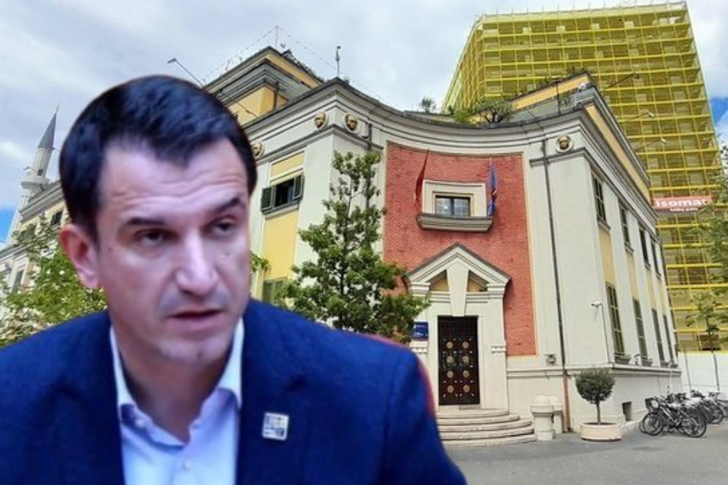
The left-wing councilors of the Tirana Municipal Council, ...
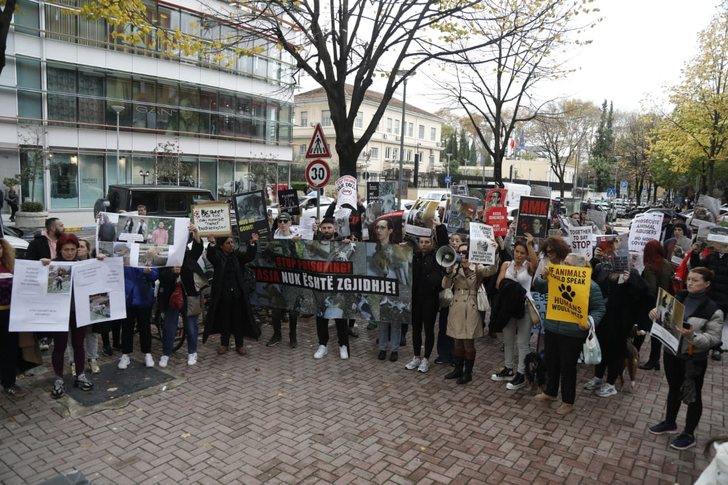
A protest for animal protection took place today in Tirana...
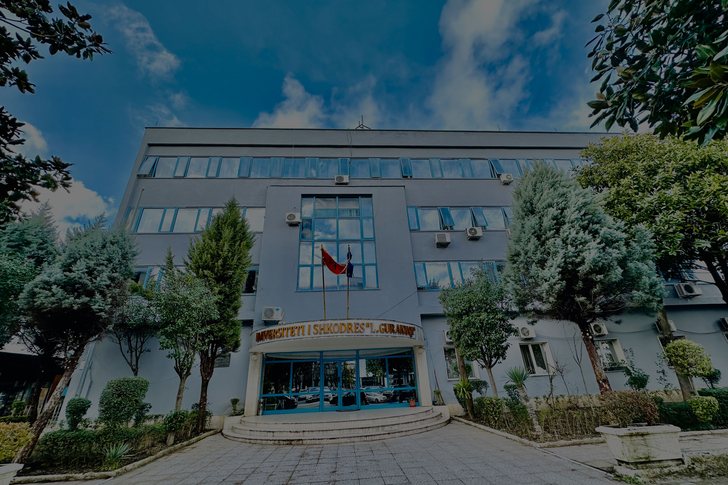
The University of Shkodra has requested a budget increase ...
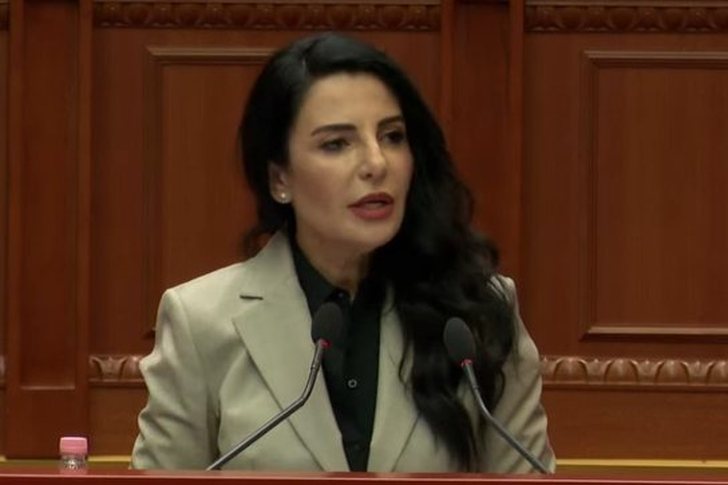
The Special Court, it was previously reported, has imposed...
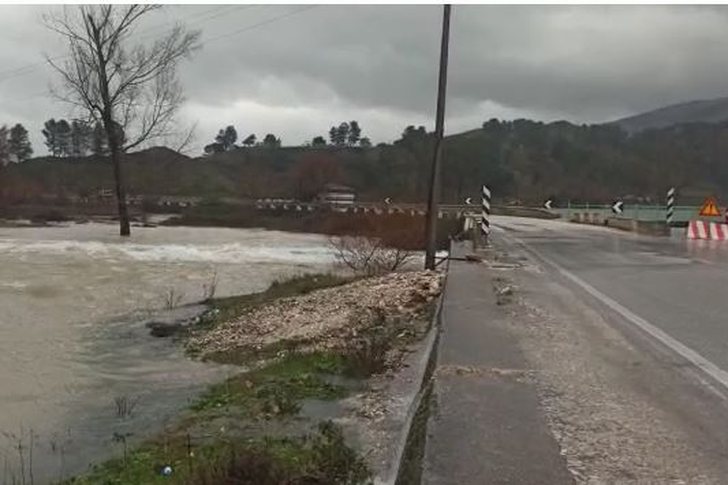
The situation caused by bad weather in the Gjirokastër reg...
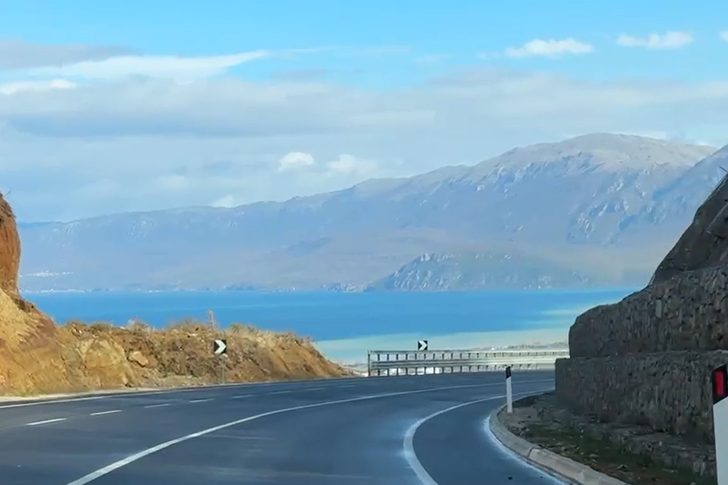
The Korça region has been hit by heavy rainfall over the l...

CNA has launched another investigation that could lead to ...

Irfan Hysenbelliu is a businessman that we call "Irfan the...

In March 2026, CNA launched another investigation centered...
The arrested mayor of Tirana, Erion Veliaj, with 13 charge...

The Special Board of Appeal (KPA) decided this Monday ...

The KPA vetting decided this Thursday to dismiss the p...

Suela Salavaçi, a prosecutor in the Prosecutor's Offic...

The Special Board of Appeal reinstated the prosecutor ...

A conflict occurred this Thursday evening in the toy area ...
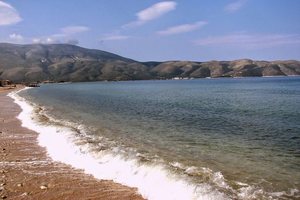
A person has died today on Orikum beach. According to repo...
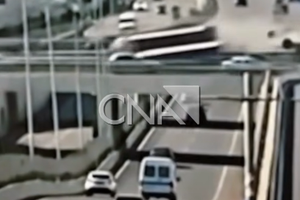
Footage emerges from the serious accident that occurred th...

A Shkodra traffic police officer was hit with hard objects...

Children without parental care, for whom alternative famil...

On Thursday, our country will be under the influence of st...
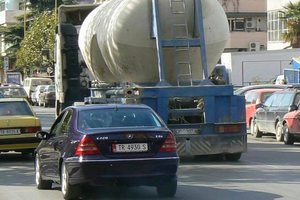
A serious accident that occurred this Wednesday with the c...

The Institute of Geosciences has shared a forecast for wea...

The European Union Office in Kosovo has called on all poli...
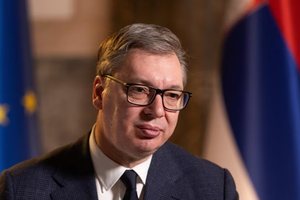
Serbian President Aleksandar Vučić, at a press conference ...

For the first time since the launch of the euro, European ...

Artificial intelligence (AI) models from the American comp...

At a time when industrial products are increasingly taking...

Trust among people is not just a three-syllable word. It c...
Master of humor Todi Llupi has passed away at the age of 7...
The ninth edition of "MIK Festival" kicked off with one of...
The average sale price of apartments in Tirana reaches rec...

This Thursday, one US dollar is bought for 81.5 lek and so...

The price of diesel reached 206 lek per liter from 198 lek...

Businesses will no longer be required to simply register t...