

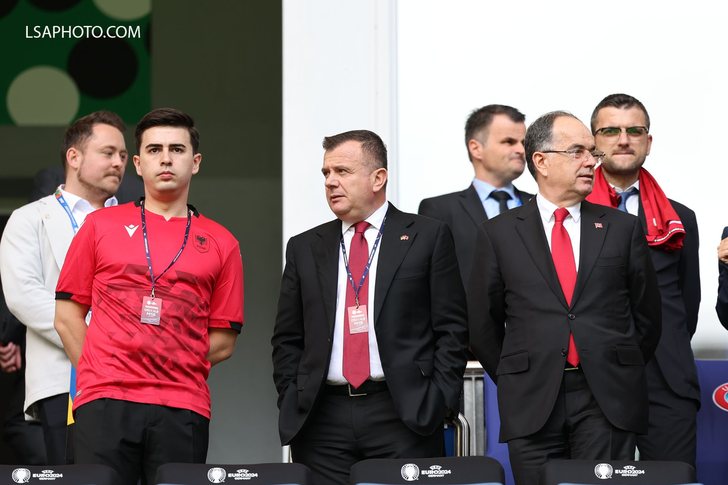
Photo - What was not seen from the Croatia-Albania match, Balla and Begaj together in the stadium
Albania got a draw at the end against Croatia, with th...


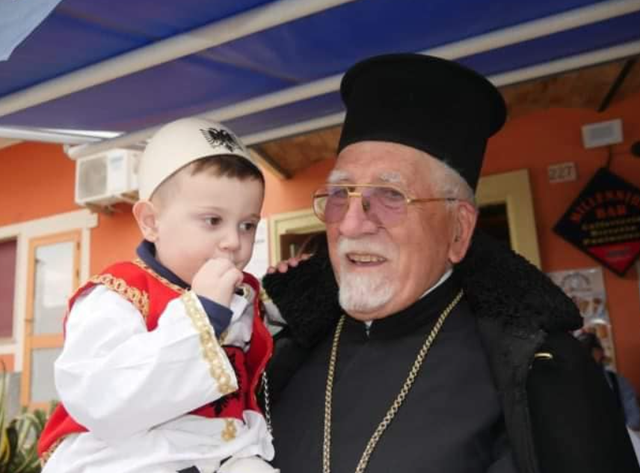
The red and black flag will have to be raised at half-mast for one of the most prominent sons of the Albanian world!
No one else has shed more light and love on the language, spirit, culture, letters, folklore and Arbno ethnography (Arbëresh and Arvanitash) than him!
I have personally lost one of my most adored idols!
Farewell dear Father! We will remember forever!
Once he would say: "Matronymia (Himariote) connects me to my mother Albania, patronymic connects me to the Arvanites, my birthplace connects me to Arbëresh, while the idea of ??Albanian fraternity connects me to Kosovo!"
Father Antoni, this Arbëresh Son of a talented weaver and an epic shepherd of Calabria, would turn into the missionary philosopher of the spiritual and cultural world of the Albanian nation!
With His departure, today we actually feel more alone, but very proud that He met us to travel a part of life together!
Listening to Papas Antonio Belushi, reading his work, browsing his magazine Lidhja, we heard and learned about the language of the earth (toponymy), the language of the soul (Albanian words), the language of the body (clothing), the language of sedentariness (places of residence), the language of faith (ethnicity) of the Arvanites of Greece, the Arberians of Italy and the Albanians of the whole world, 'gathered by a priest', others emphasized, 'gathered by an Arberian priest', he added.
From that time we became loyal to his flock, and that priest of Albanian ethnicity!
Antonio Belushi (or as he is called in Arbëre areas, Mr. Ndon) is a priest from the diaspora of Calabria. He was born on March 15, 1934, in Frasnitë (it. Frascineto) in a simple family. His mother was a very ladylike weaver, while his father was a shepherd and, like many others, day by day he took the root of Pollini to graze his herd.
When he grew up, Belushi would use both of these skills of his parents as objects of study in two important ethnographic works, namely "Argalia in original Arbëreshe texts" and "Livestock in Frasnitë", already known by the researcher.
His father, seeing Ndon's distinct desire and talents for school and knowledge, did his best to provide him with the opportunity to grow up in a different way, to become more than a shepherd, and for this proud ambition he was ready to make any sacrifice . Thus, the young Ndon entered the ecclesiastical career at the Pontifical Gregorian Seminary in Rome, where in 1958 he received his baccalaureate in philosophy and, in the same university, in 1962 he received his license in sacred theology. So, Belushi, although the son of a shepherd and with all the possibilities to follow his path, did not become a shepherd, but became a "shepherd of souls" and in 1962 he started the path of craftsmanship.
After doing a short internship in France, at the Byzantine Church of St. Julian in Paris, he returned to his homeland and for a period was a lecturer at the Seminary of St. Basil, then moved on as an assistant parish priest at St. Sophia. This is how his life as a priest began, close and closely connected with the people, selfless and everywhere around the poor, the sick and the needy, always smiling and ready to serve the poor and give them encouragement. comfort him with his sweet words, with his sage advice. Soon, he went deep into the souls of the believers and saw that in those remote and some forgotten environments, there was much to preserve, to recognize and appreciate, there were priceless ethnological and folklore materials, the Albanian language was preserved.
This invited Belushi to an interesting field of research, and he, as he himself would say later, "turned into a diligent student" and constantly fixed the rich visar of the Arbër folk stone. It is the time when a new generation of cultural activists, poets and researchers, folklorists and songwriters was taking over in Calabria and beyond in the Arberian diaspora of Italy; everyone shared a single concern, to continue to be Arbëresh, to preserve the Albanian language, to speak it, and to learn to write it alongside Italian, to enliven Arbëresh culture and the artistic life of their roots; further leads De Rada's "vravashka".
Everyone in his field tries to say a new word: poets like K. Kandreva, V. Ujko, P. Napolitano, G. Del Guido, etc., are devoted to cultivated poetry and publish the first volumes, the chair of of the Albanian language, several Arbëresh magazines start to appear, the demand of the Arbëresh people for the teaching of the Albanian language in their schools is widespread. In this beautiful "chorus" of the Arbëre culture, Ndon Belushi is also quickly approaching, who chose to research an almost barren field, but so valuable: the ethnological research about the Arbëre world.
For years, in the magazine "Shejzat", he continuously published the study "Livestock in Frasnitë". Belushi, like many other activists of our time, is very troubled by the fact that Arbëresh culture is an illiterate culture, rich but unwritten, rich but unknown, that is why he aims to make it "literate". to make it written, known and appreciated.
For this purpose, he set about collecting and describing everything that impressed him from Arbëresh traditions and documents, collects toponymy and proverbs, follows the lexicon and phraseology. Like many other Arbëresh priests, Belushi did not deal only with what the vicar's "rasoja" required of him, but he put himself to the research of knowing a culture that was brewing and that needed to be saved. When in 1965, he was appointed as parish priest in the remote settlement of Saint Kostantini in Arbëresh, in the provinces of Potence, he thought that all that material should be put in the hands of researchers, that's why he founded the magazine "Vatra nõna".
In it, in addition to the main religious content: announcements about services, holiday celebrations and church activities, he also started publishing his culture column, at first with "sacred songs", then also with other content from Arbëresh folklore.
The period he stayed as a parish priest in St. Constantine, a settlement with no more than 1,500 Albanian-speaking inhabitants, was very fruitful for Belushi. He spent eight years of his life there, full of work, without resting for a moment, recording and recording all the values ??of a rich but unknown culture. Only a few months after arriving in that village, Belushi had created an archive of rich materials about popular culture, traditional songs and rhapsody, magical formulas and stories, fairy tales, wishes, curses, folk games, toponyms and anthroponyms, names and descriptions of clothing. , dishes, rites and popular beliefs about birth, marriage, death, etc.
From this great collecting work, Belushi moved on to breeding and the corresponding publication in the magazine "Vatra ?na" and in other organs. He published four issues of "Vatra" (1966, 1967, 1968, 1969), in which it can be said that he gave us the entire life of Saint Constantine of Arbëre.
"Our hearth" is, so to speak, the "mother" of Belushi's later magazine "Lidhja", which he founded in 1980 in the city of Kozenza. "Lidhja" is today, without a doubt, one of the most popular cultural magazines of the Albanian diaspora, which falls into the hands of an ever-increasing number of readers, not only in Italy and Greece, but also in the Republic of Albania and The Republic of Kosovo, as well as elsewhere where there are Albanian Albanians, especially in the USA. It is also a magazine sought after by researchers of Albanian sciences everywhere, as evidenced by their correspondence and cooperation with the head of "Lidhje".
A good part of A. Belushi's ethnological and cultural research is occupied by the research about the Arbëresh people of Greece. As early as 1965, when he first drew the Arvanite imprints (he calls them arboreal), our researcher had a burning desire to diligently research those environments, collect data on their folklore, record their speech and habits, thus bringing us material from places about which little or nothing was known.
There, Belushi met and became friends with Arvanite researchers and cultural activists, such as Jorgo Marugas, Aristidh Koljas, Vangjel Ljapis, etc. and cultural and spiritual exchange and connection began between them, as well as mutual comings and goings.
From Belushi's side, of course, these trips to Greece were always for ethnological and linguistic folklore research. Always tireless, always with the tape recorder in his hand, Belushi treads with his own feet every Albanian-speaking inhabited center of the Albanian diaspora in Greece, meets the locals, speaks with them in their native Albanian language, records their free conversations and folklore.
Upon returning to Italy, he started publishing that subject in "Awakening", "Our Hearth" and especially in his "Link".
The circle of A. Belushi's research on the Arvanite settlements of Greece has been expanding. It includes the settlements of Attica, Boeotia, Peloponnese, Corinth, Argolida, Euboea and other Greek islands, in which the Albanian diaspora is located. These materials reflect quite clearly the current real state of the Arberian dialects of Greece, both in the field of phonetics and grammar, as well as in that of the lexicon and word formation.
We can say that the linguistic data of the living discourses of the Arbëresh people of Greece fills a significant void, especially for dialectology and for the history of the Albanian language in general. They provide the opportunity for the facts and phenomena to be observed and analyzed in the system, in a wider and more complete diachronic and synchronic scope as until today.
The publication of these original materials by A. Belushi, in addition to the publication of volumes with studies being done by the arboreal researchers of Greece themselves, are giving today's linguistic science new opportunities to reach more complete and accurate conclusions in the determination of the features of the Arberian dialects of Greece, the connections and proximity they present, on the one hand, with the Arberian dialects of Italy and, on the other hand, both together, with the dialects of Albanian in the compact Balkan lands. For this reason, A. Belushi's publications about the Arbëresh people of Greece have attracted the attention of a number of researchers from the fields of linguistics, ethnography, folklore, etc.
Antonio Belushi has also published a number of separate volumes such as: "Canti sacri" ("Sacred songs"), a collection of traditional Arbëre songs (1971), "Argalia" (1977), "Magia, miti i credenze popolari" (1983 ) and, finally, "Dizionario fraseologica degli albanesi d'Italia e di Grecia" (1989). These works with ethnological, folkloric and linguistic values ??have been reviewed and highly valued by researchers in the respective fields, because their subject matter is a living reflection of the life of our Arbëresh brothers, of their great spiritual and cultural wealth, of the creative genius of to our diaspora, which prove that the Albanian people and their "broken" limbs, in the diaspora have had and always have a poetic and creative spirit that amazes.
Finally, we emphasize that Antonio Belushi is also a living activist and a big-hearted arborist, always connected with Albania and with Albanians wherever they are, in Kosovo, Montenegro and Macedonia, or in the diaspora. His connections with the most prominent personalities of today's Albanian science and culture, as well as prominent figures of the world who champion the Albanian cause in the international arena, make Antonio Belushi a figure with a big name and a lot of support in the world . His fruitful work serves the recognition, appreciation and further progress of Albanian culture and science, and beyond.
(Prof. Gjovalin Shkurtaj)

Albania got a draw at the end against Croatia, with th...
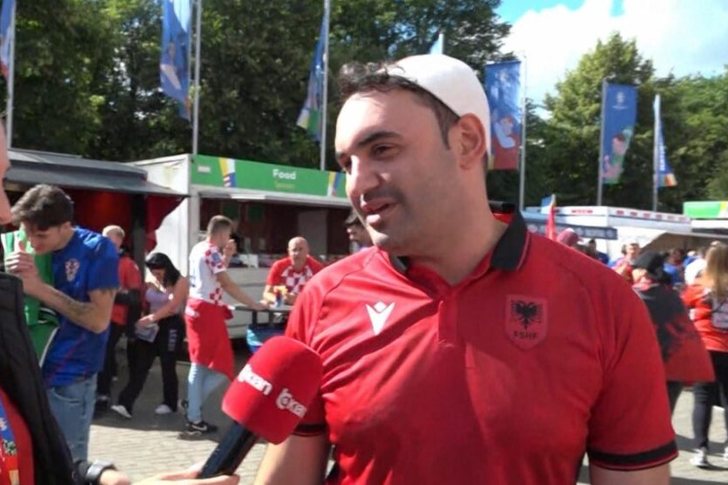
The match between Albania and Croatia in Hamburg has u...
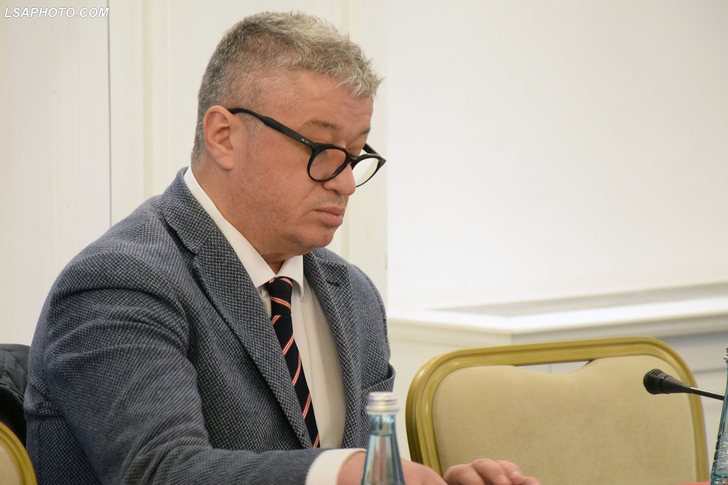
This Wednesday, CNA denounced the director of RTSH, Al...
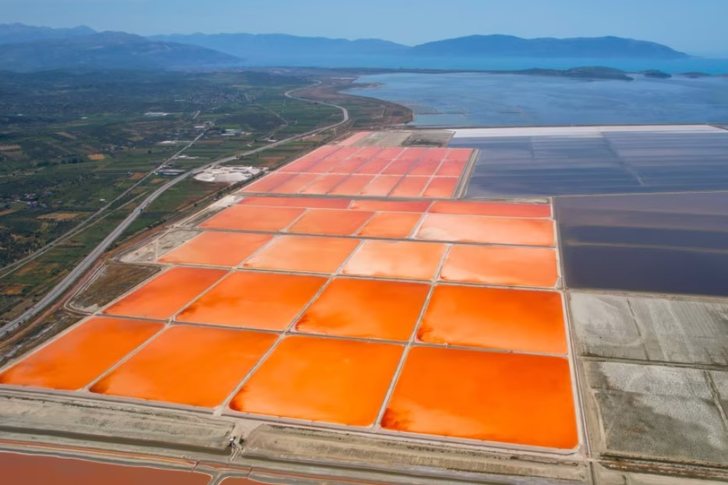
Several Albanian environmental organizations said on W...
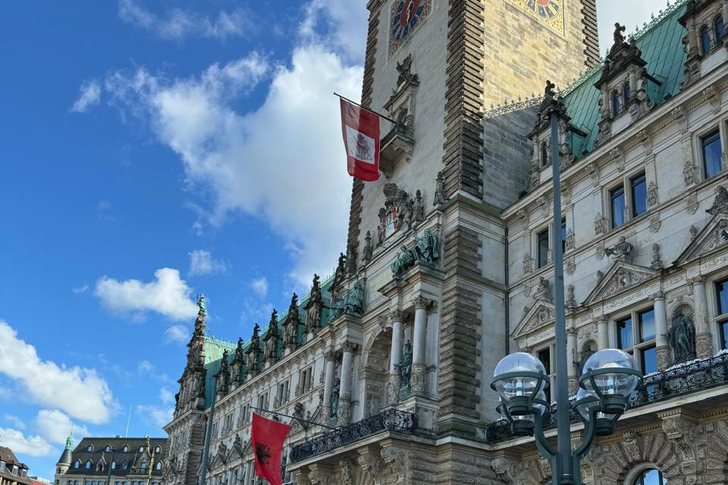
This Wednesday, the match between Croatia and Albania ...
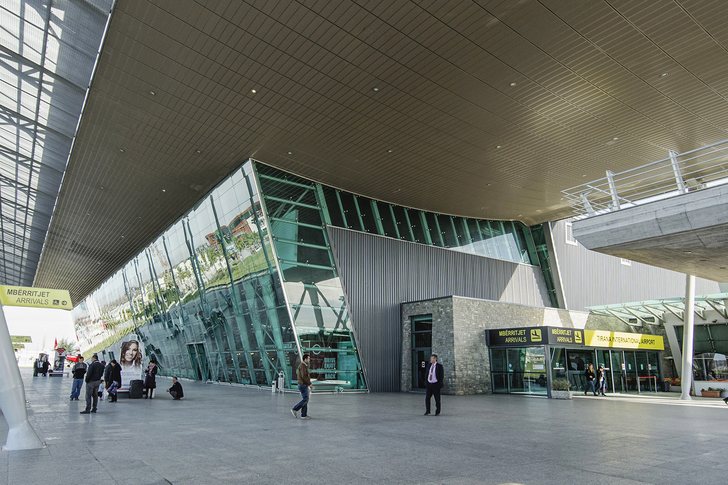
The high flow of passengers moving through the Rinas I...
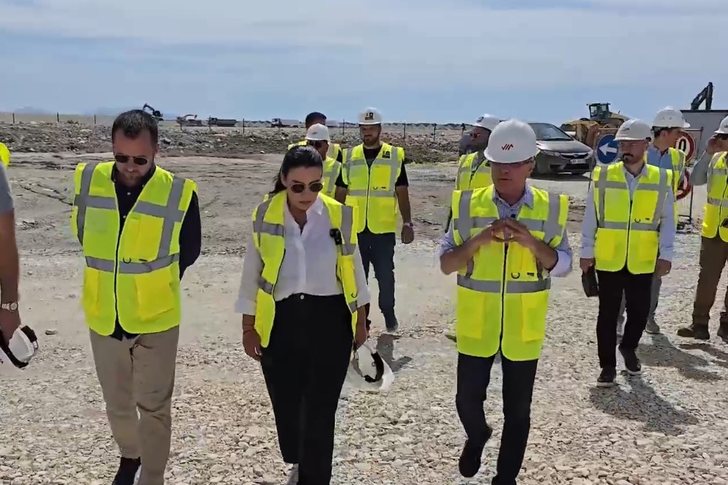
The Deputy Prime Minister, at the same time the Minister o...
Alfred Peza's scandals at the head of RTSH seem to hav...
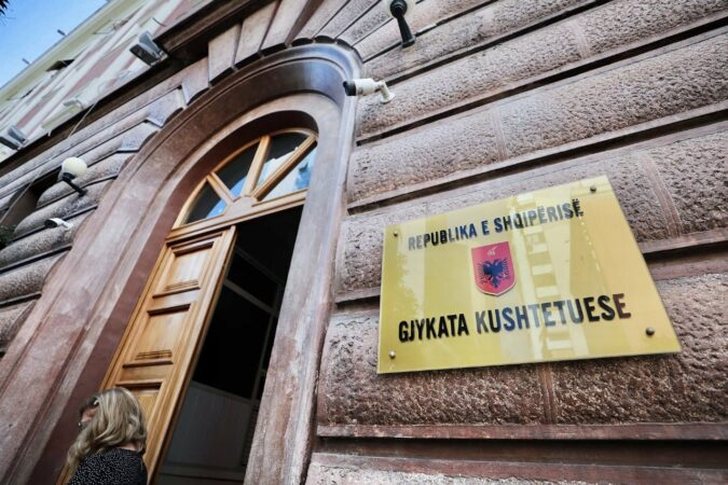
The Constitutional Court has abolished some of the poi...

Alarming results come for 15-year-old Albanians from t...
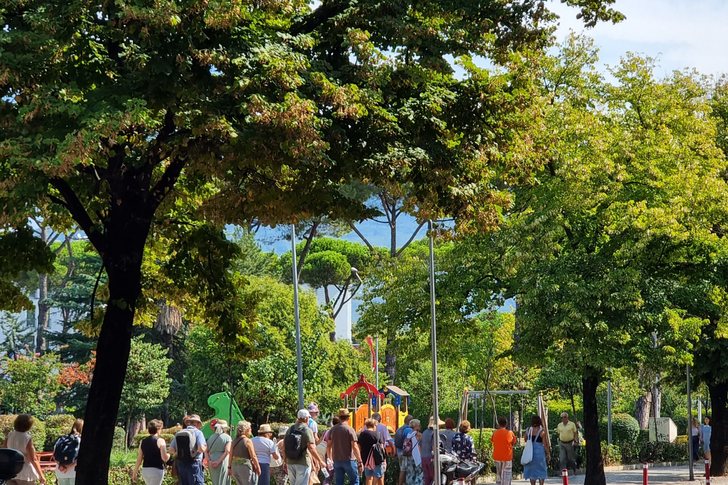
Foreigners have continued to show interest in touristi...
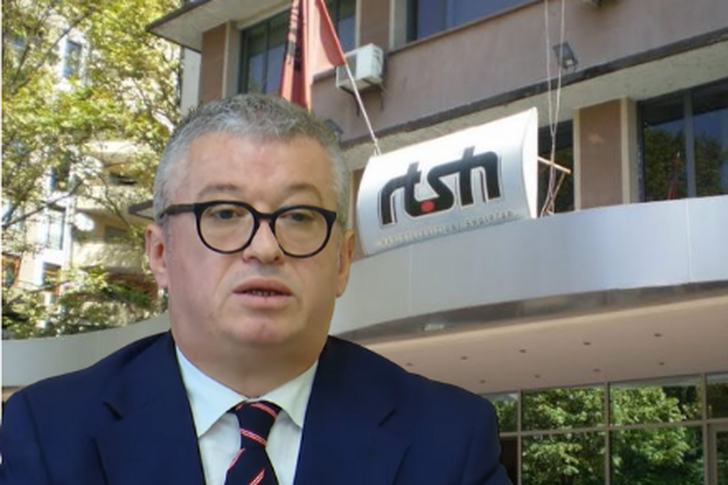
Albanian Public Radio Television headed by Alfred Peza...
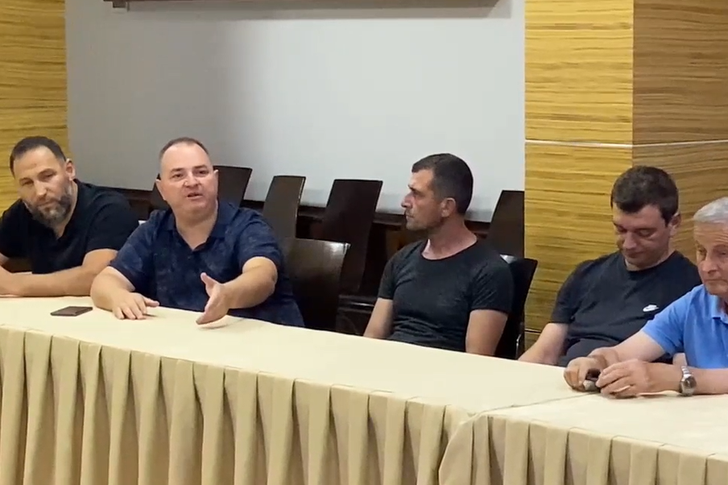
A few months ago, the government approved a normative act ...
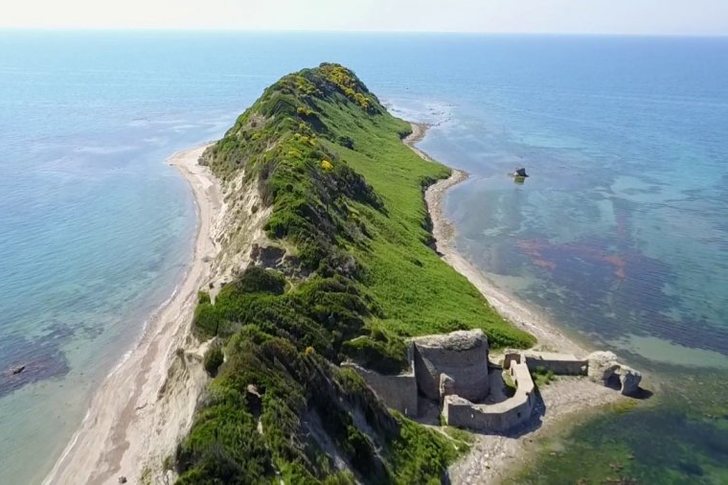
Miliona metra katrorë në dy gadishujt shqiptarë, Karaburun...
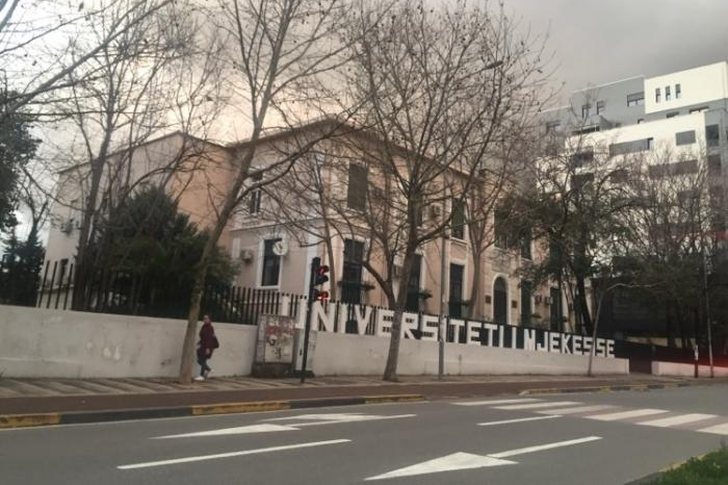
The Minister of Health, Albana Koçiu, through a post o...
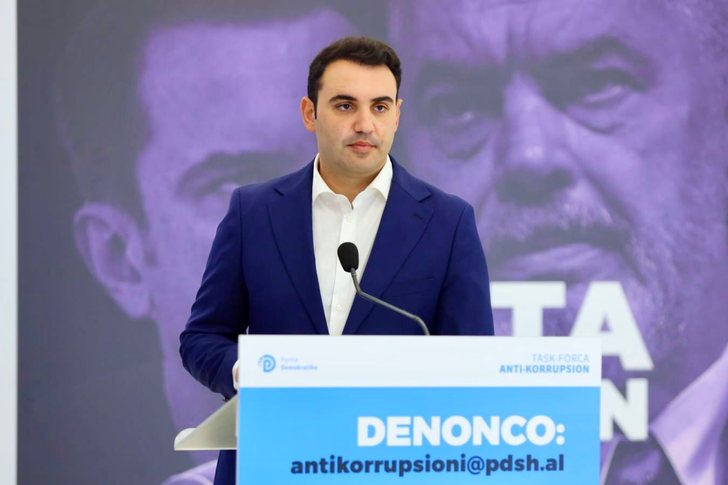
Today, CNA through an investigation with evidence and ...
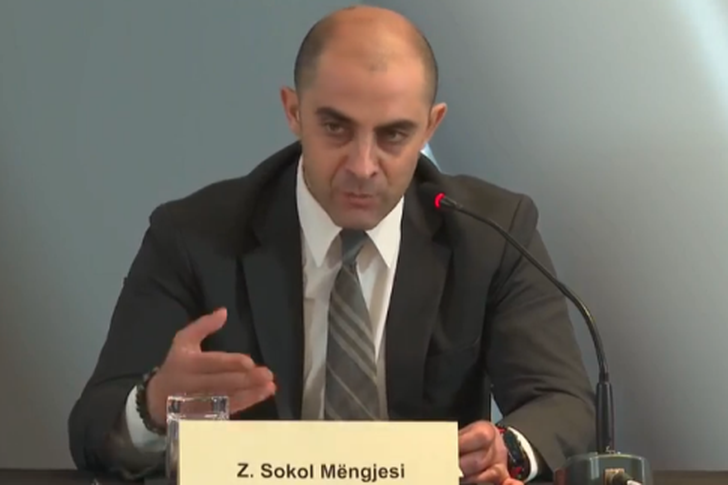
On Wednesday, the Court of Appeal left Dritan Nano and...

A few hours before the start of the match between Croatia ...

The Special Anticorruption Prosecution forwarded the r...
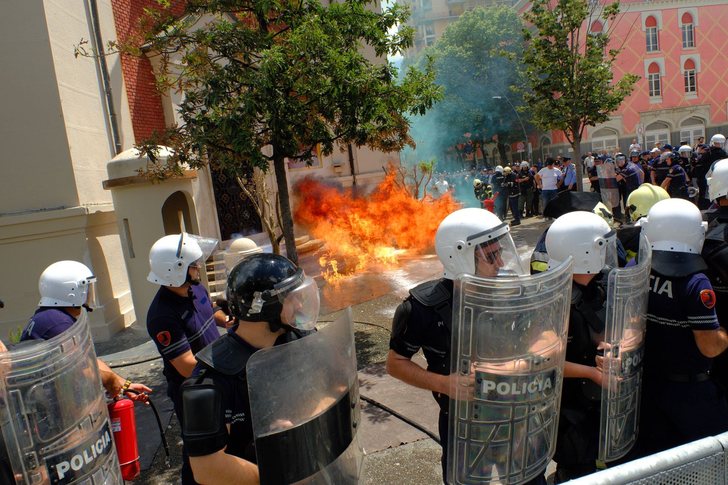
The opposition does not back down. As he has warned, h...

CNA has launched another investigation that could lead to ...

Irfan Hysenbelliu is a businessman that we call "Irfan the...

In March 2026, CNA launched another investigation centered...
The arrested mayor of Tirana, Erion Veliaj, with 13 charge...

The Special Board of Appeal (KPA) decided this Monday ...

The KPA vetting decided this Thursday to dismiss the p...

Suela Salavaçi, a prosecutor in the Prosecutor's Offic...

The Special Board of Appeal reinstated the prosecutor ...
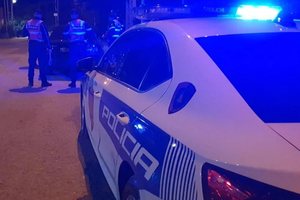
A conflict occurred this Thursday evening in the toy area ...
A person has died today on Orikum beach. According to repo...

Footage emerges from the serious accident that occurred th...

A Shkodra traffic police officer was hit with hard objects...
Children without parental care, for whom alternative famil...

On Thursday, our country will be under the influence of st...
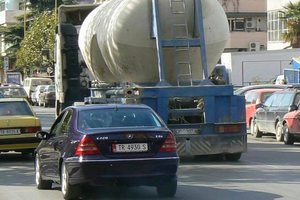
A serious accident that occurred this Wednesday with the c...

The Institute of Geosciences has shared a forecast for wea...

The European Union Office in Kosovo has called on all poli...
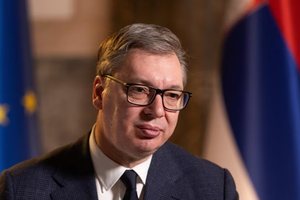
Serbian President Aleksandar Vučić, at a press conference ...

For the first time since the launch of the euro, European ...

Artificial intelligence (AI) models from the American comp...

At a time when industrial products are increasingly taking...

Trust among people is not just a three-syllable word. It c...
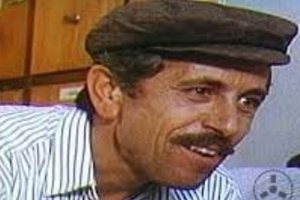
Master of humor Todi Llupi has passed away at the age of 7...

The ninth edition of "MIK Festival" kicked off with one of...
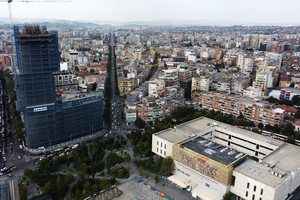
The average sale price of apartments in Tirana reaches rec...

This Thursday, one US dollar is bought for 81.5 lek and so...

The price of diesel reached 206 lek per liter from 198 lek...

Businesses will no longer be required to simply register t...