

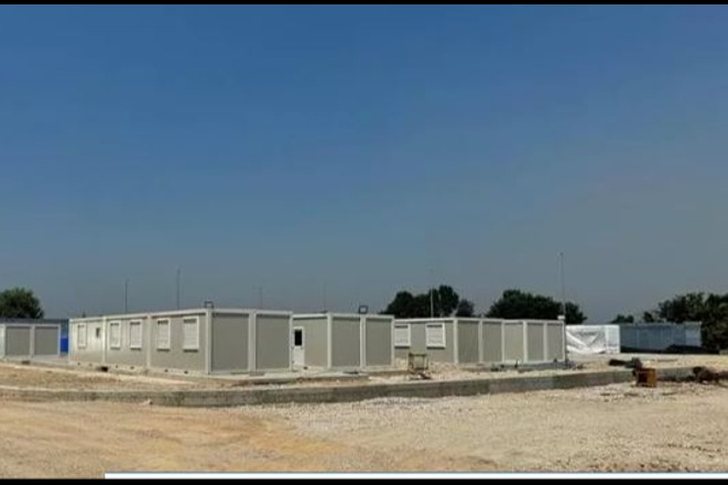
When will the center for immigrants in Gjadër open?/ 'La Repubblica' reveals details
The Italian media "La Repubblica" has published an ar...


The Institute of Political Studies has reacted to yesterday's reaction of the Speaker of the Assembly, Elisa Spiropali, to the result of the elections in Himara.
According to the ISP, the statement, which was made before the CEC officially confirms the completion of the process and the granting of the mandate to the new mayor, contains comments of a partisan nature and personal considerations.
It is further underlined that this is the first time during the 34 years of parliamentary life when the Speaker of the Assembly, through an official position on behalf of the Assembly, speaks about an election process, especially for a local election process that has no connection or influence on the composition of the parliament.
"The publication of the statement of a party nature and the personal attitude towards a still unfinished political process and a local politician, constitutes not only a negative precedent, but with concern it may also be a warning for the disturbing trend of moving the institution of the Assembly from the position of own constitutional and legal rights", emphasizes the ISP.
Full reaction:
Through an official announcement on the website of the Parliament (www.parlament.al), the President of the Parliament has published a political statement regarding the election process in Himarë. The statement, which was made before the CEC officially confirms the end of the process and the granting of the mandate to the new mayor, contains comments of a partisan nature (about the process and voters) and personal considerations (about the winning candidate).
Referring to the monitoring of the Assembly over the years, it turns out that this is the first time during the 34 years of parliamentary life when the Speaker of the Assembly, through an official position on behalf of the Assembly, speaks about an election process, especially about a local election process that has no connection or influence in the composition of the parliament. The publication of the statement of a party nature and the personal attitude towards a still unfinished political process and a local politician, constitutes not only a negative precedent, but with concern it can also be a warning about the disturbing trend of the displacement of the institution of the Assembly from its position constitutional and legal.
The Institute of Political Studies (ISP), considering this case as an unnecessary incident and perhaps an emotional part of the festive climate of the new election at the head of the Assembly, suggests that the Assembly avoid such practices and return to its constitutional position, respecting the standards of the state of law and functional democracy, which should have been achieved by Albania three decades after the political change.
Such practices are not found in any EU country, so it is time to stress the appeal that the institution should not be used for daily political debates that are not related to the Assembly nor to its calendar, agenda or composition. The concept that the institution is identified with the next leading individual is wrong, pre-democratic and fundamentally, in contrast to the constitutional principles of state organization.
The President of the Assembly represents not only the preferential political force but the Assembly itself, where all the parliamentary political forces are members. The position of the President of the Assembly is related to the representation of the institution and the administration of the parliamentary activity.
According to the Rules of the Assembly, the chairman "represents the Assembly, ensures the respect of the rights of the Assembly and its members. He takes care of the development of the parliamentary activity, in accordance with the Constitution and the Regulations of the Assembly, as well as ensuring the necessary conditions for the Assembly and its structures".
The rest of the responsibilities are technical, related to work procedures in the Assembly and delegations. The new President of the Assembly promised in the post-election speech that she will respect the Assembly Regulations, the Code of Ethics and good parliamentary practices; reflection on such critical cases are tests to move from declaration to concrete actions that live promises and parliamentarism with integrity./CNA

The Italian media "La Repubblica" has published an ar...

This Tuesday we are introducing you to some of the mai...
The Minister of Health and Social Protection, Albana K...
Petro Gjikuria, the opposition candidate for Himara, r...
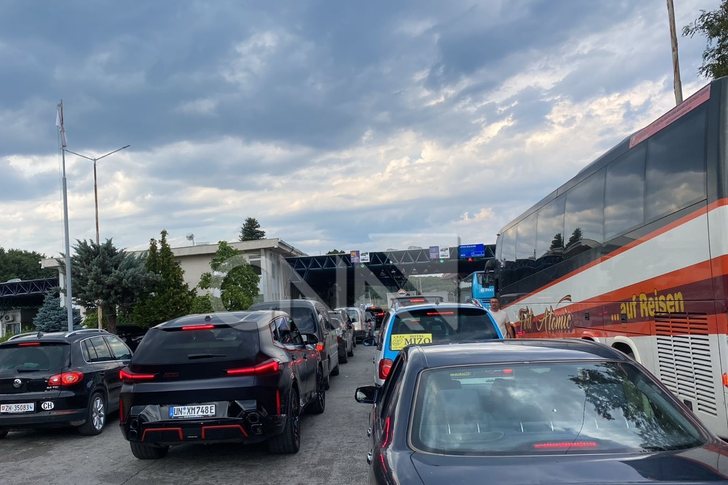
An increased flow of travelers has been registered at the ...

SPAK has sent the authorities in Belgium and France to...
The departure of the Minister of Finance, Ervin Mete, and ...

In Monday's court session at the Special Court, the de...

Returning after 13 years "Nile fever" in our country. It ...
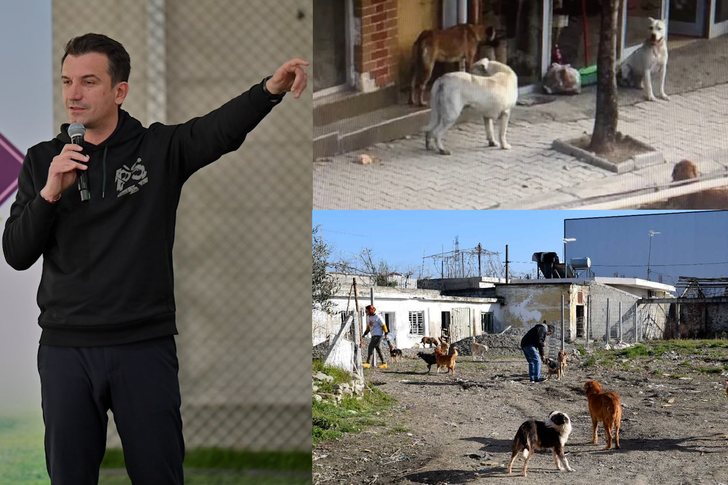
Erion Veliaj, vrasësi i qenve, publikoi këtë të hënë n...
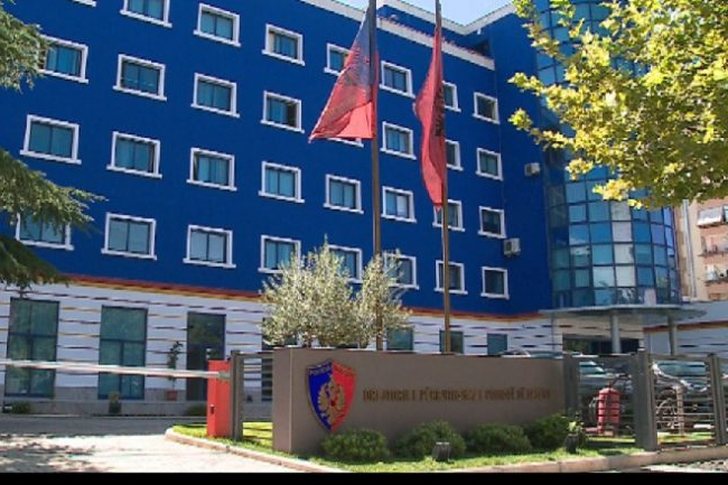
Policia e Shtetit, bazuar në inteligjencën policore, ka in...

Rapper Rigels Rajku, otherwise known as Noizy, has bee...
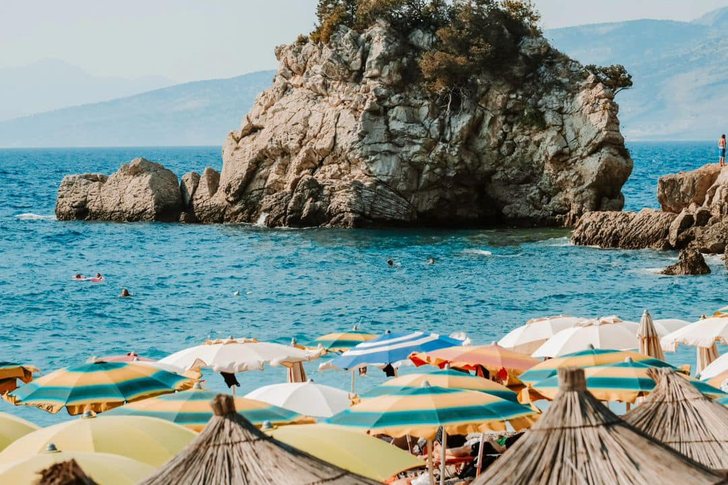
Foreign and Albanian tourists have chosen the Albanian...

On Monday, the Special Court ordered the measure of "i...
CNA has launched a survey, asking the citizens of the ...
This Monday we are introducing you to some of the main...
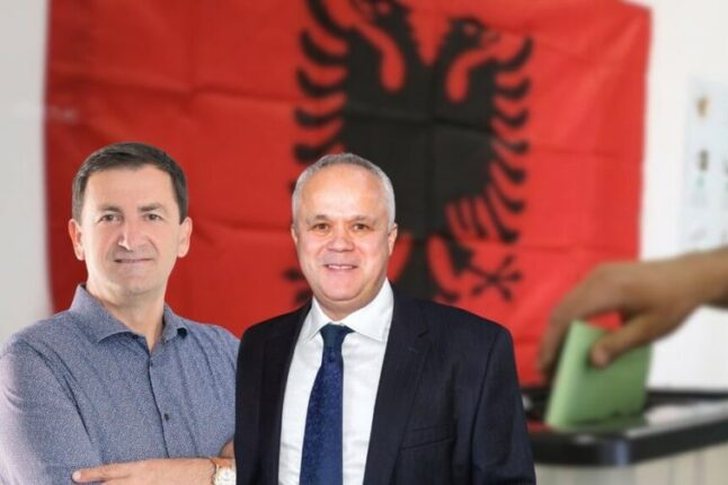
The candidate of the Socialist Party, Vangjel Tavo, has wo...
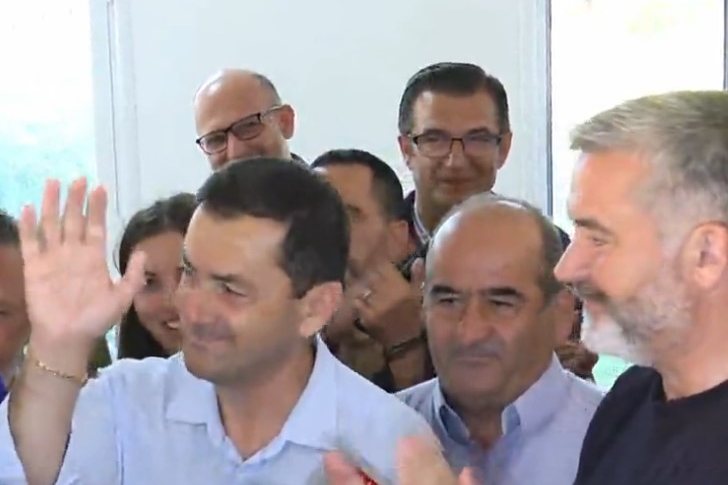
The process of counting votes in Himare has brought th...
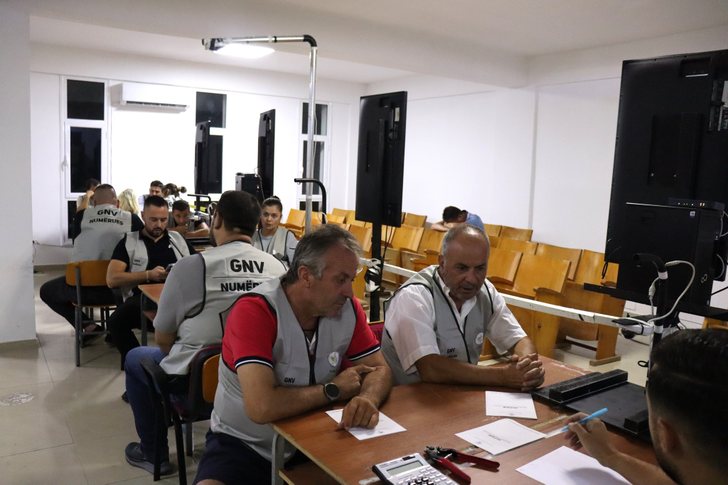
34 polling stations were counted in the Himara stadium out...
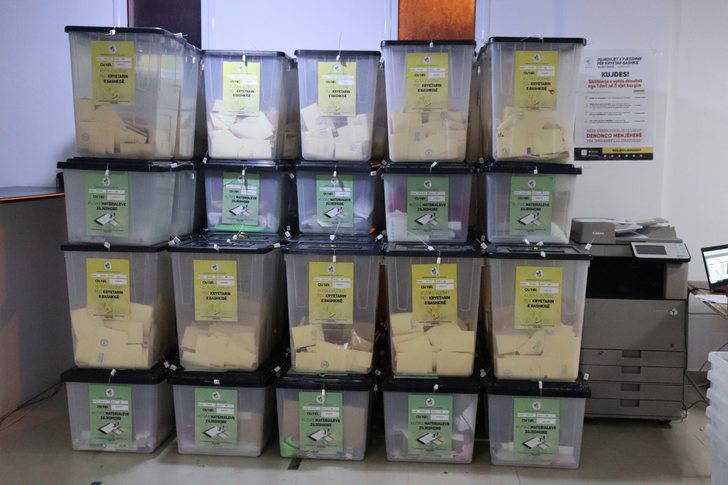
The Central Election Commission has released the results f...

CNA has launched another investigation that could lead to ...

Irfan Hysenbelliu is a businessman that we call "Irfan the...

In March 2026, CNA launched another investigation centered...
The arrested mayor of Tirana, Erion Veliaj, with 13 charge...

The Special Board of Appeal (KPA) decided this Monday ...

The KPA vetting decided this Thursday to dismiss the p...

Suela Salavaçi, a prosecutor in the Prosecutor's Offic...

The Special Board of Appeal reinstated the prosecutor ...
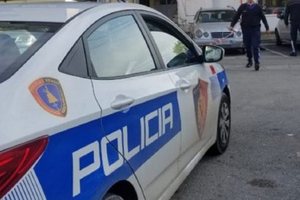
A serious incident occurred this Tuesday in the Yrshek are...

An accident occurred this Tuesday on "Dituria" street in K...
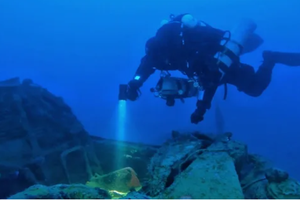
A tourist has lost her life on Orikum beach, where she was...

Two people were arrested and two others were prosecuted af...
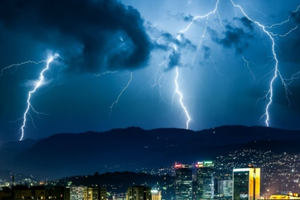
All of Southern Europe will face changing weather conditio...

Albania was hit by temperatures significantly higher than ...

For the first time, Pogradec welcomed the Inter-Lake Chess...
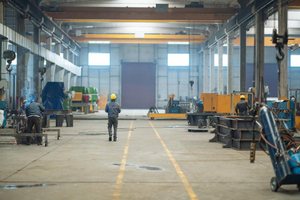
Albania has achieved a record for the employment of foreig...
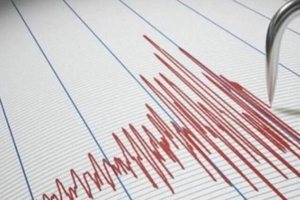
An earthquake measuring 5.0 on the Richter scale struck so...
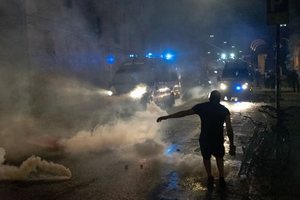
Clashes between police and protesters have erupted in the ...

The United Kingdom's new Prime Minister, Andy Burnham, has...
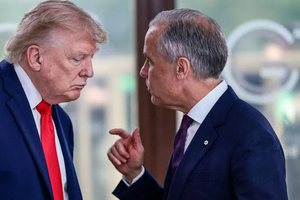
United States President Donald Trump has imposed 50% tarif...

At a time when industrial products are increasingly taking...

Trust among people is not just a three-syllable word. It c...

Master of humor Todi Llupi has passed away at the age of 7...

The ninth edition of "MIK Festival" kicked off with one of...

The Centralized Purchasing Operator recently opened a tend...
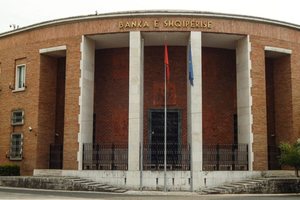
The new draft law "On the Bank of Albania" provides that t...

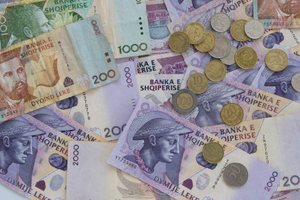
This Tuesday, one US dollar is bought for 81.2 lek and sol...
Deputy Minister of Economy and Innovation, Enkelejd Musabe...