

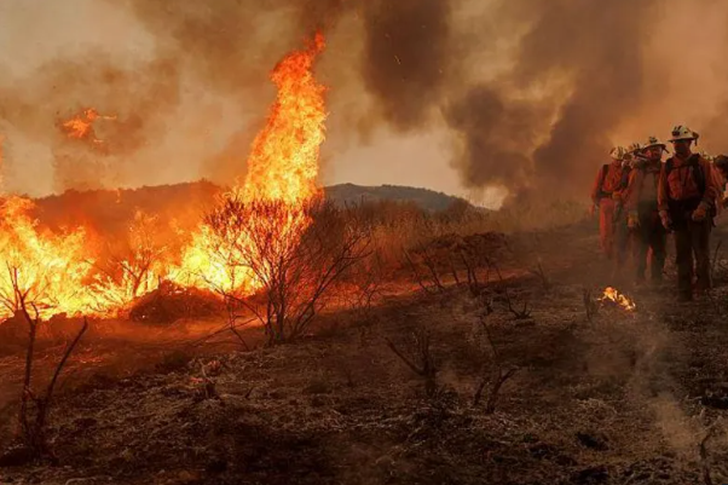
Fires/ Embassy of Greece in Albania: We stand by the Albanian people
The Greek Embassy in Albania has expressed solidarity with...


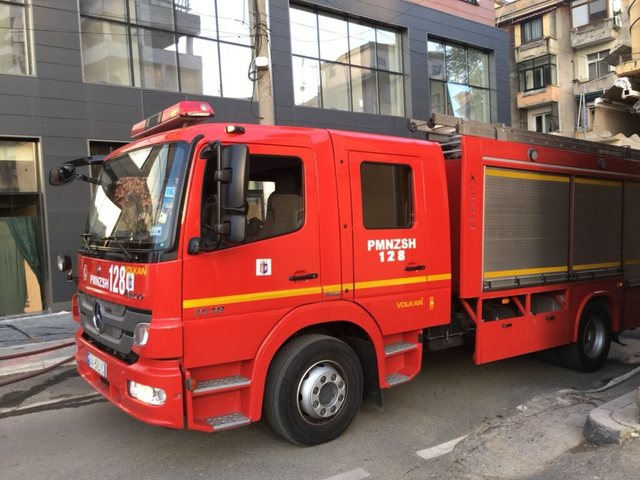
Municipalities across the country are coping with the emergency situation created by the fires with 25% fewer firefighting personnel than required by the law "On Fire Protection and Rescue Services".
The legislation stipulates that every Fire Protection and Rescue Service (FPS) station, an operating and inspection unit established in every municipality, must implement the standard of having 1 professional firefighter for every 1,500-2,000 residents.
In total, 1,300 firefighters are employed in all municipalities nationwide, according to data from the Institute of Municipalities of Albania. In the annual report on “Local Governance in Albania - Report on the Current Situation 2024”, the Institute of Municipalities of Albania highlights that the average number of firefighters at the national level reaches 0.8 firefighters per 1,500 inhabitants, while the number of firefighting vehicles is 0.9 per 10,000 inhabitants.
This indicates that the number of firefighters employed per 1,500 residents is about 25% below the level required by the law "On Fire Protection and Rescue Services".
The executive director of the Institute of Municipalities of Albania, Agron Haxhimali, told Monitor that not only is the number of firefighters below the level set in the 2015 law, but their number also results in an uneven distribution, with small municipalities having more firefighters and firefighting vehicles per capita than large municipalities.
"But this could be related to the distribution of the population in rural areas, where distances are greater and road infrastructure more difficult. While Tirana has the lowest number of firefighters and firefighting vehicles per capita, which can be explained by the concentration of the population and the more developed road infrastructure in the capital," he says.
Also, by the end of 2018, fire stations with a minimum staff of 14 employees were established in each municipality. The number of fire stations is 70.
In the context of the ongoing challenges that Albania faces in terms of fire protection, the executive director of the Institute for Municipalities of Albania, Agron Haxhimali, emphasized the importance of modernizing operational means and firefighting forces.
He commented on the current situation of fire management in several municipalities, including Delvina and Gramsh, where not only local firefighting forces, but also helicopters and Albanian and foreign Armed Forces are engaged.
"Local firefighting forces, municipal firefighting vehicles, as well as helicopters from the Albanian and foreign Air Forces for difficult areas have been engaged in extinguishing the fires, especially in the municipalities of Delvinë and Gramsh. A very important part has been the readiness of citizens and volunteers."
According to Haxhimali, although there have been coordinated efforts, the firefighting infrastructure in these municipalities remains limited, with a lack of modern equipment and a need for more trained personnel.
"In both municipalities, evacuation orders have been issued for several villages and the intervention between local and central structures has been coordinated to contain the flames."
However, the firefighting infrastructure in these municipalities is limited, with few modern equipment and a need for more trained personnel, which makes it difficult to respond to large-scale emergencies.
In this case, the very important contribution of aircraft from the European defense mechanism should be emphasized.
This shows once again how important investment in such tools is. But the civil protection system is required to be more vital and integrated, in resources, technology, infrastructure, organizations, education, awareness, etc. "
In the latest World Bank report on Albania's firefighting preparedness, it was emphasized that the country has limited capacities to extinguish fires in remote areas, due to the lack of specific equipment such as thermal cameras and specialized vehicles for mountainous and remote areas.
"Albania needs more firefighting vehicles and modern equipment that can serve to cope with more difficult situations, especially in isolated areas," Haxhimali added.
This represents another major challenge for local administration and the government to ensure sufficient funding for improving fire service capacities and managing fires in the future. In this context, the Institute for Albanian Municipalities has recommended increasing sectoral transfers and creating a special fund for fire emergencies, which can be used to deal with critical situations.
This includes: increasing funds for the modernization of the firefighting vehicle fleet, especially in municipalities with difficult infrastructure; financial support for increasing the number of firefighters in relation to the population and specific needs of each municipality.
Also, according to the Institute of Municipalities of Albania, in order to cope with emergency situations, municipalities need to draft detailed plans for fire risk management, adapted to the characteristics of each municipality and capacities in this sector for extinguishing forest fires, as this constitutes a different typology from urban fires.
For 2025, the country's 61 municipalities have benefited from a fund of 2.1 billion lek (about 21 million euros) for fire protection services, through an unconditional transfer from the state budget. Compared to 2024, this fund has increased by 36%.
Meanwhile, for civil emergencies, the 2025 fund that will be available from the state budget is 5.4 billion lek (about 55 million euros), an increase of 1.4% compared to 2024.
Agron Haxhimali, director of the Institute of Municipalities of Albania, previously recommended that a redistribution of budget funds for emergency situations is necessary. He suggested that municipalities that are directly facing difficult situations should benefit from more funds.
What does the law stipulate for the organization of the service structure?
Article 7 Organization of the service structure
1. The fire protection and rescue service is organized at the central and local levels. The General Directorate of Fire Protection and Rescue represents the central level; the service structures of the MDS in the municipality represent the local level and are organized in directorates or sectors.
2. The General Directorate of the Ministry of Environment, reporting to the Minister, represents the highest technical, supervisory and management authority of the Ministry of Environment. The General Directorate of the Ministry of Environment is organized into directorates with inspection, coordination, training and logistics functions.
3. The Directorate or Service Sector of the Ministry of Fire Protection at the local level is subordinate to the mayor of the municipality. It represents the basic operating and inspection structure in the field of fire protection and rescue in the territory under its jurisdiction.
4. Each municipality must cover its territory with a fire service, with stations complete with personnel, vehicles and firefighting equipment.
5. The MZSH service station is an operating and inspection unit subordinate to the head of the MZSH service sector and is established in each municipality, implementing the standard of 1 professional firefighter for 1500-2000 inhabitants.
6. Each station must have no less than 14 firefighters, professional personnel./ Monitor

The Greek Embassy in Albania has expressed solidarity with...
The World Health Organization has declared the situation c...
Journalist Mentor Kikia reacted today to the numerous cons...
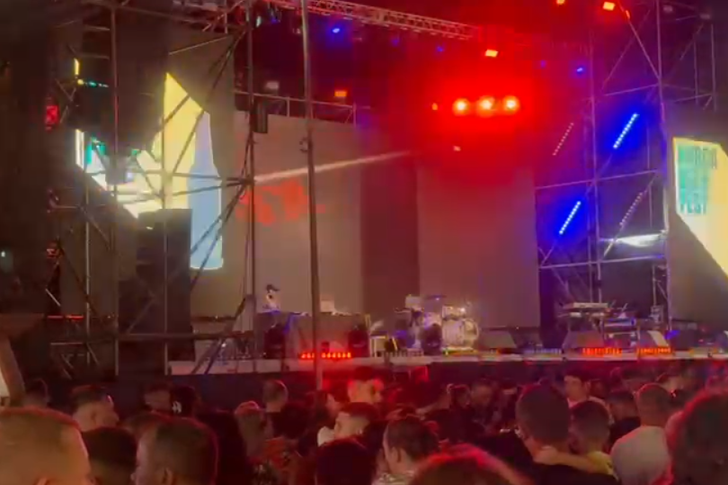
Korça has ignited the atmosphere of the 19th edition of th...
Prime Minister Edi Rama reacted this evening regarding the...
The head of the road traffic sector at the Korça DVP, Klem...
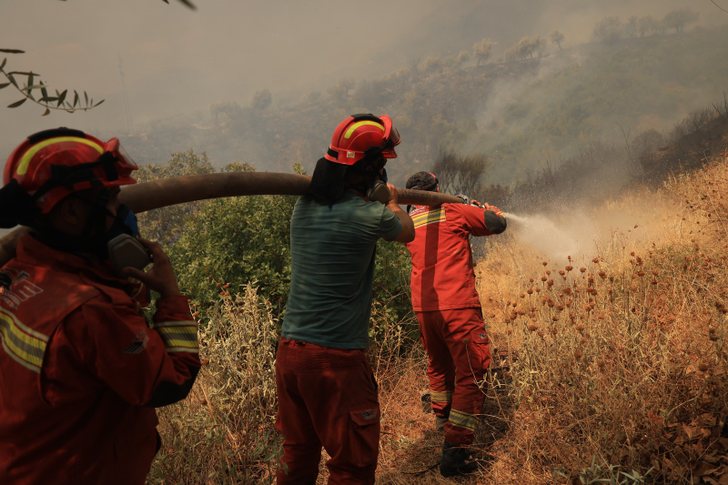
Fires in the Delvina area continue to be active. The spre...
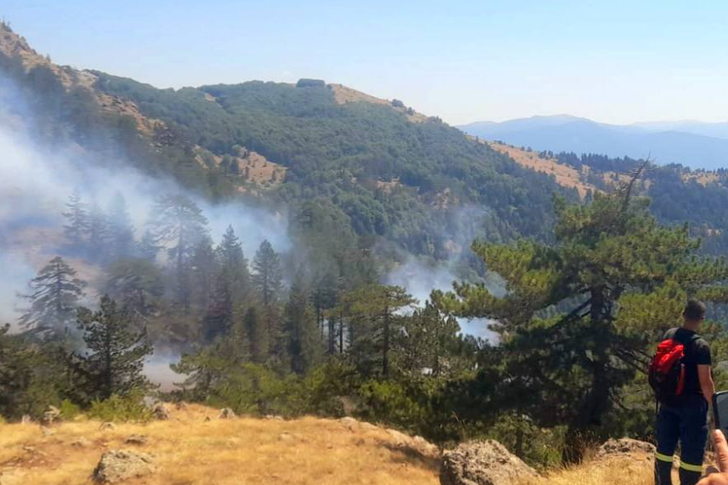
A fire recently spread near the Gërmenja Natural Park. As...
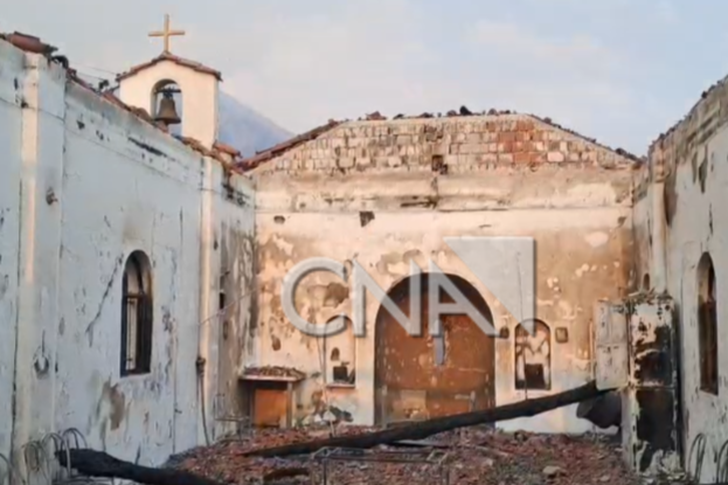
The fires that have been raging for days in the Delvina ar...
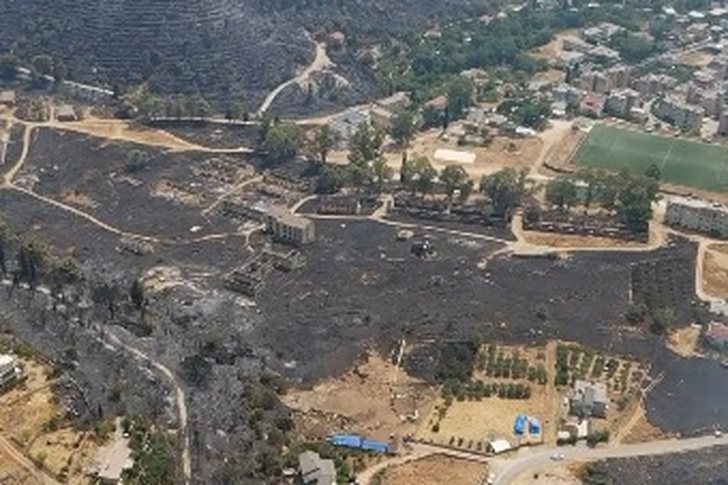
The fires in the Delvina area, which have spread massively...
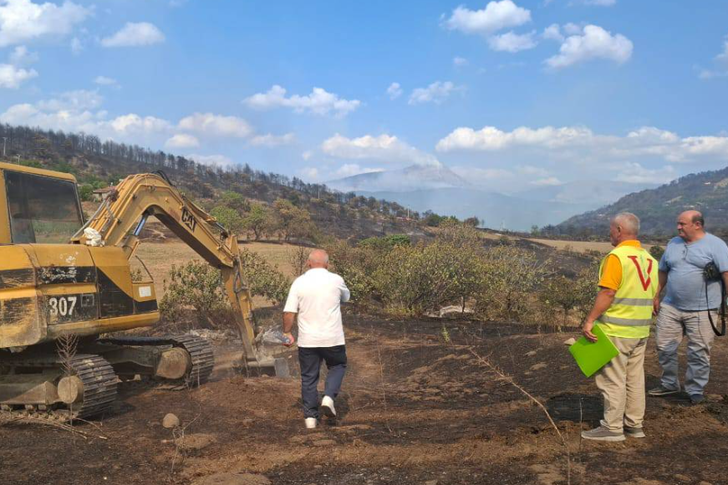
The numerous fires in recent days in the country have also...
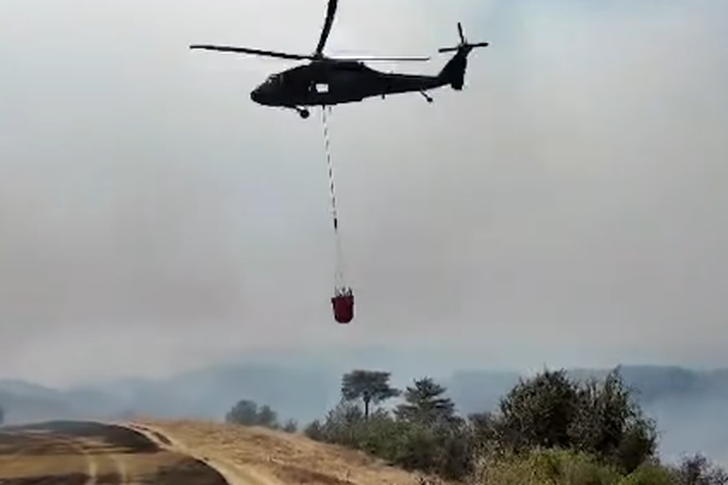
This summer's fires in the country have created an unprece...
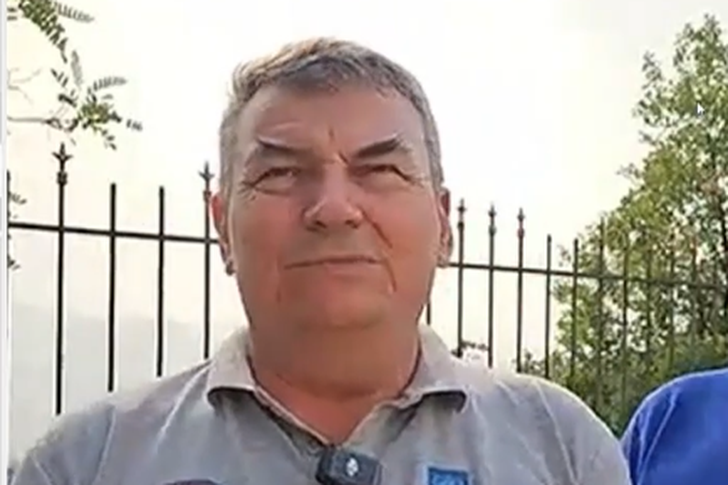
AKMC General Director, Haki Çako, shared this Wednesday de...
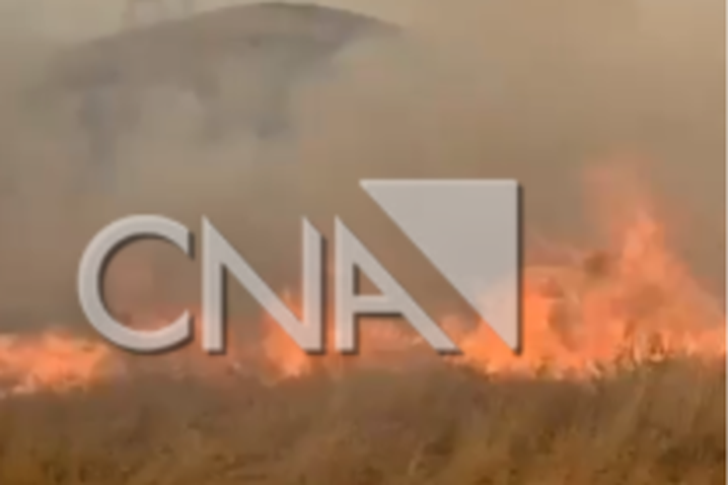
Flames have 'invaded' Sopot Mountain this Wednesday. A fi...
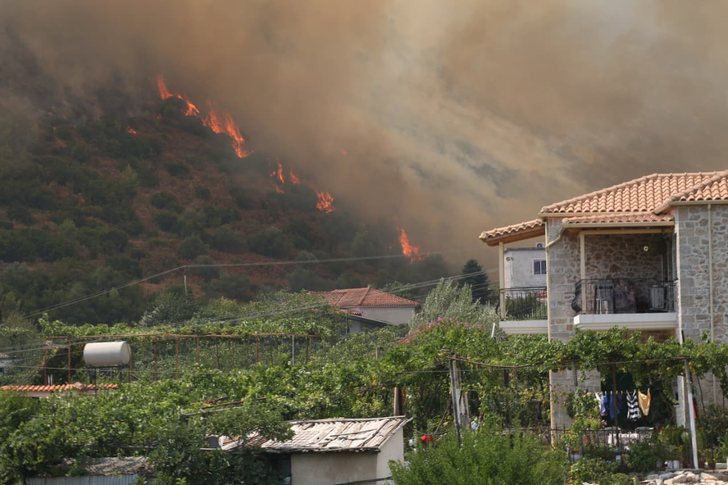
Since Tuesday, several fires in Delvina have spread over a...
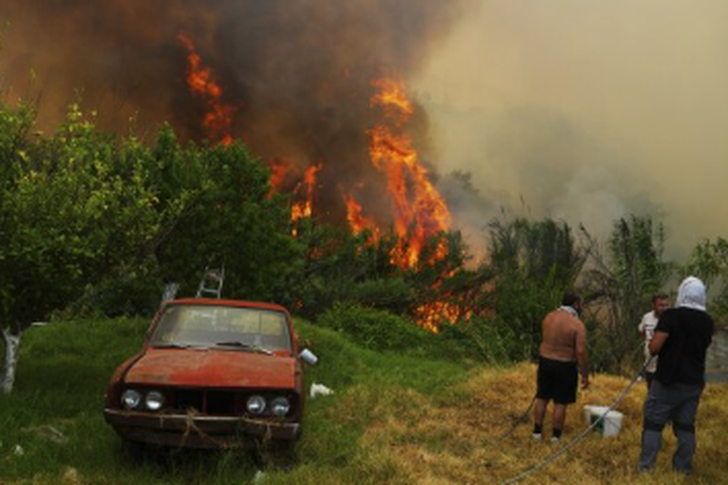
The renowned international media outlet Associated Press, ...

Prime Minister Edi Rama today shared an action carried out...
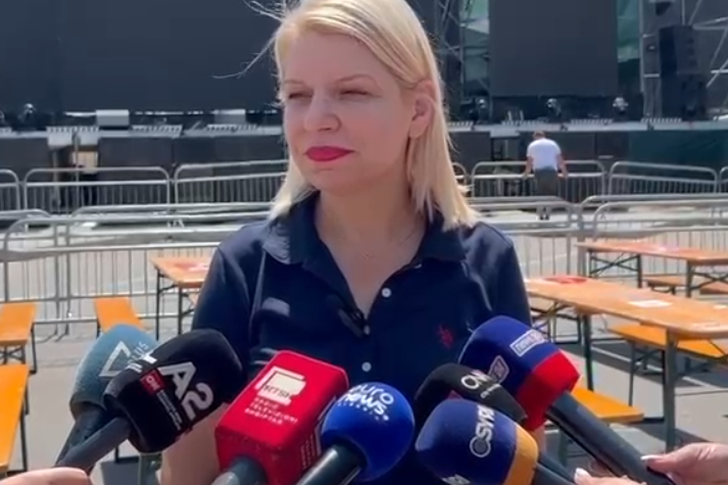
Korça will open tonight with the 19th edition of the 'Beer...
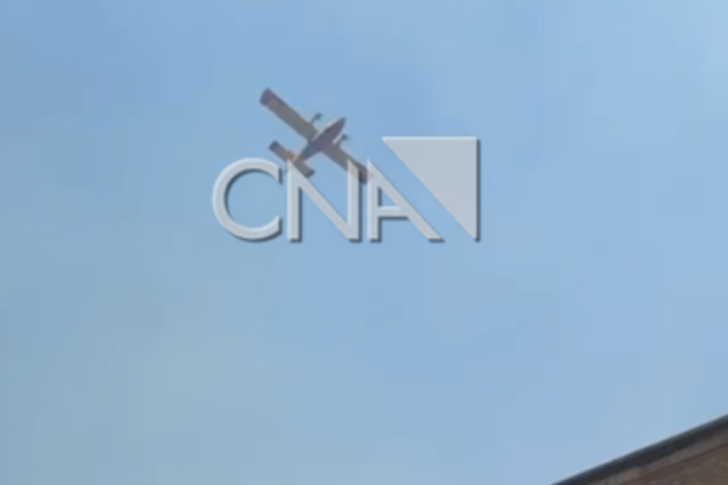
The fires in Delvina continue to rage in several areas. F...
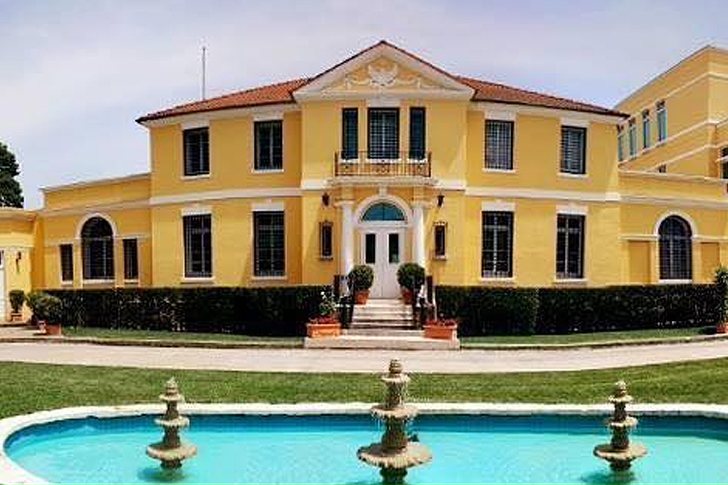
The US Embassy in Tirana has reiterated its call regarding...
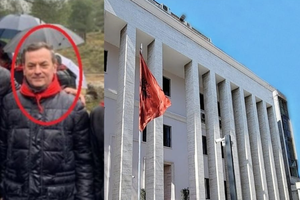
CNA has put under scanner the assets of Sokol Sadushi, the...

A 39-year-old citizen has been arrested in Lezha, after se...

CNA has launched another investigation that could lead to ...

Irfan Hysenbelliu is a businessman that we call "Irfan the...

The Special Board of Appeal (KPA) decided this Monday ...

The KPA vetting decided this Thursday to dismiss the p...

Suela Salavaçi, a prosecutor in the Prosecutor's Offic...

The Special Board of Appeal reinstated the prosecutor ...
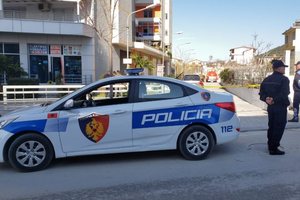
Police have revealed details of the incident that occurred...
According to preliminary information, a person in his 60s ...
A triple accident occurred on the Peqin-Elbasan axis n...
The police have provided details regarding the accident th...
The Institute of Geosciences has today shared a forecast r...
Company leaders can improve productivity by investing in a...
Today, our country will be under the influence of stable a...

As the year 2026 is in its second half, the world is exper...
North Korea is said to have achieved some impressive resul...
US Ambassador to the United Nations, Mike Waltz, said toda...
The suspect in the Berlin Pride attack was shot and killed...
A tragic event occurred this Sunday on Mount Elbrus in the...
Two windows, a century of history and the metaphysics of p...
In my research at the Central State Archives, specifically...

At a time when industrial products are increasingly taking...

Trust among people is not just a three-syllable word. It c...

This Sunday, one US dollar is bought for 81.5 lek and sold...

This Saturday, one US dollar is bought for 81.7 lek and so...
War, weather and supply disruptions could send gas prices ...
The number of active enterprises in Albania continued to g...