

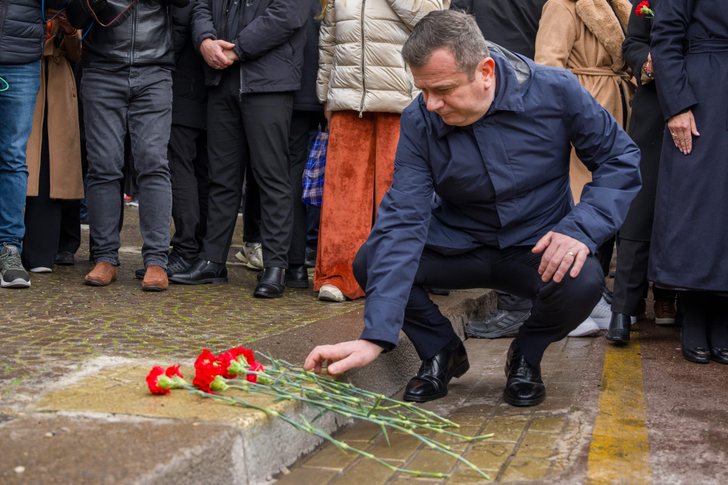
"We are not indifferent"/ Balla participates in the tributes for January 21st
Minister of State for Parliamentary Relations, Taulant Bal...


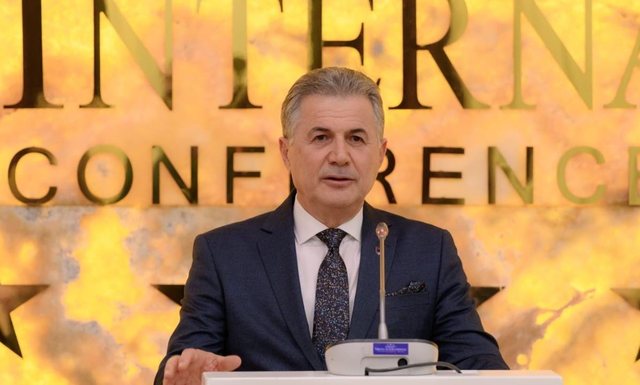
After nearly 8 years of question marks over its existence since the founding of the Albanian state, Albania
needed a rescue institution. Moreover, as a European state, it had to be oriented towards
European institutions, otherwise it would remain foreign to Europe. The national will
demanded that this rescue and orientation institution be the Congress of Lushnja.
The declaration of independence of Albania in 1912 is the most significant development in the history of
the Albanian nation, because it constitutes the resolution of the vital issue of the fate
of the nation's further existence through the act of independence and the creation of the state as an instrument of
its power and representation.
A Europe shaped mostly by geopolitical balances and less by values ??would
leave Albania not only halved, but also suspected of being self-governing. Therefore,
it would entrust its governance to a foreigner, a German, whose government would not escape
the merciless turmoil of World War I. In these turmoils, the secret Treaty of London of 1915 would seal the annihilation of even that half-remaining
Albania .
In these circumstances, national intuition would be reawakened. The Durrës Congress of 1918 would be
an attempt to embody this nerve of the nation, reaffirming the state, albeit with
truncated representation.
A country of values ??like the USA and its visionary President Wilson, at the 1919 Paris Peace Conference,
would become the shield of small nations, including the Albanian nation.
However, like every nation, the Albanians had to take their own destinies into their own hands, and this
hour came at the Congress of Lushnja, which was held on January 21, 1920.
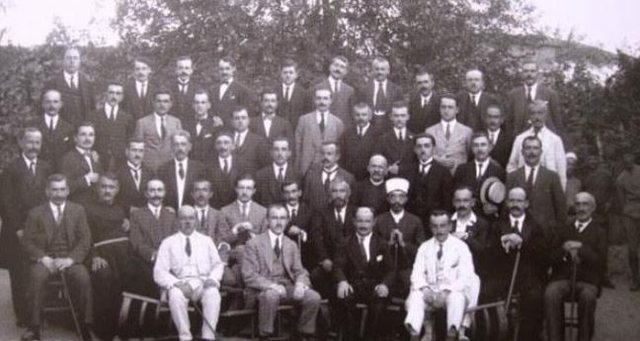
The Lushnja Congress reunited signatories of independence, well-known names of the national elite, of
traditional Albanian patriotism, religious and intellectuals from all parts of Albania:
Sulejman Delvina, Iljaz Vrioni, Abdi Toptani, Ndoc Çoba, Aqif Pashë Elbasani, Luigj Bumçi,
Mehmet Konica, Dr. Turtulli, Hoxhë Kadria, Sotir Peci, Ali Riza Kolonja, Eshref Frashëri,
Idhomene Kosturi, etc.
On this broad representative basis, in the wake of the decisions of
the Vlora Assembly, the decision of the 1913 Conference of Ambassadors and the
internationally defined status for the governance of the Albanian state by Prince Vidi, the Congress
reconfirmed the continuity of the form of the regime. Until the issue of the king was resolved, it was decided to
create the “High Council”.
This Council would represent the head of the Albanian state until this,
as well as the form of the regime, were determined through the convocation of a
constitutional assembly. With the creation and composition of the High Council, the Congress conveyed the message of
inclusiveness - a necessary criterion for a legitimate government.
In parallel, the Congress also elected a National Council (which was also called the Senate), composed
of 37 members with the attributes of parliament. Given the fact that this Council fulfilled
the functions of the parliament, it is rightly considered that with this historical development
the history of parliamentarism in Albania begins.
The Congress elected the new government headed by Sulejman Delvina, which includes
the Ministry of the Interior, the Ministry of War, and a number of other ministries
necessary for the governance of the time, as basic institutions for the implementation of
government policies, thus giving meaning to the state attribute of internal and external security
.
The Congress of Lushnja laid the secure foundations for a representative government of the
national spectrum, emerging only from the legitimate bodies of the Albanian people and with the highest degree of credibility. The Congress reconfirmed Albania fully under its political
and administrative jurisdiction, taking a decisive step towards the security of the implementation of the policies
it had established.
Among the main decisions of the Congress was the drafting and approval of a document
(the Statute of Lushnja), on the functioning of the High Council and other powers. Given
the breadth and content of this Statute, it can be said that it constitutes the first constitution of
the Albanian state. The declaration in that Statute of Tirana as the capital, constitutes a new dimension
to the governance of the Albanian state, in contrast to its predecessors, who considered
their residence as such.
The government that emerged from the Congress of Lushnja paid due attention to the admission of Albania
to the League of Nations. On October 12, 1920, the official request was submitted. The
General Assembly of the League of Nations admitted Albania on December 17, 1920 as a member of
the League. This admission had a double significance, because it reaffirmed the
international recognition of the Albanian state and, secondly, the admission constituted the official act of recognition of
the government of Tirana by the internationals.
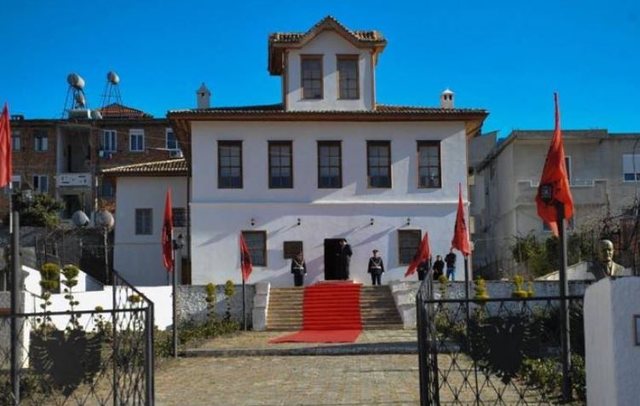
A visionary Congress like the Congress of Lushnja would also think strategically about
the capital of the country, therefore, on this basis, it decided on Tirana as the capital of Albania.
The thoughts expressed by some delegates, to stay in the city of Lushnja until
the anarchic situation created by the Durrës government was somewhat stabilized, were openly opposed by the Minister of
Interior Ahmet Zogu, who addressed the delegates: “The decisions of the Congress will be implemented
without fail and without delay. This requires courage and work, therefore I am leaving for Tirana”.
He overcame the obstacles that arose with courage, bravery and perseverance: “I do not know
any other authority, except the Congress of Lushnja”.
Both the delegates of the National Assembly of Lushnja, as well as the government that emerged from that Congress,
were aware of the difficult tasks that awaited them, but they were determined to
face all the difficulties. For this, the unification of all
national factors was necessary. Therefore, in the capacity of a Minister, namely the Chairman of the Committee "Defense of
Kosovo", Hoxhë Kadria (Prishtina), was chosen to be from Kosovo.
Based on historical criteria, it is estimated that the Congress of Lushnja brought Albania's independence to life
and laid the foundation stone of parliamentarism, as a political feature that, in addition to geography, would
also bring Albania closer institutionally to the continent to which it belongs. The Congress reconfirmed
national identity and created a new political and historical reality for the Albanian people. It
formalized the constitutional continuity of the Albanian state, which would be the foundation of
its stability in the years and events that followed./CNA

Minister of State for Parliamentary Relations, Taulant Bal...
President Bajram Begaj decreed the dismissal of the ambass...

FD from Shkodra has been declared wanted following investi...
The Tirana Court published the decisions regarding the cla...

Tuesday started with snowfall in the Korça region. Snow re...
Policia e Durrësit finalizoi me sukses operacionin “Interv...
Tirana Police announced the completion of the "Collaborati...
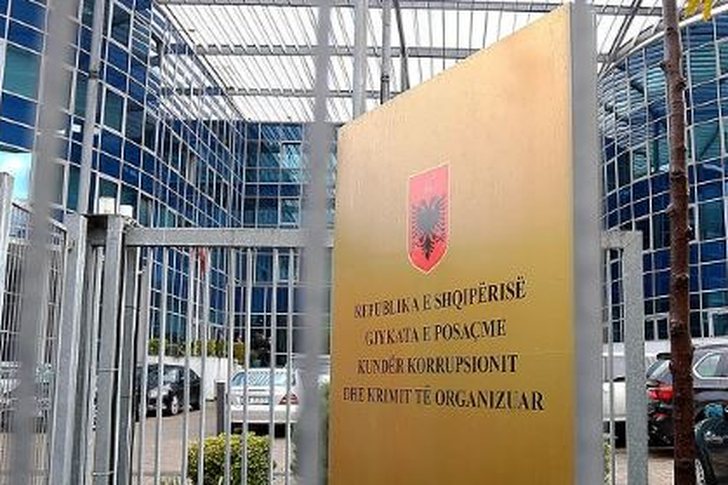
The Special Prosecution Office is seeking a one-year priso...
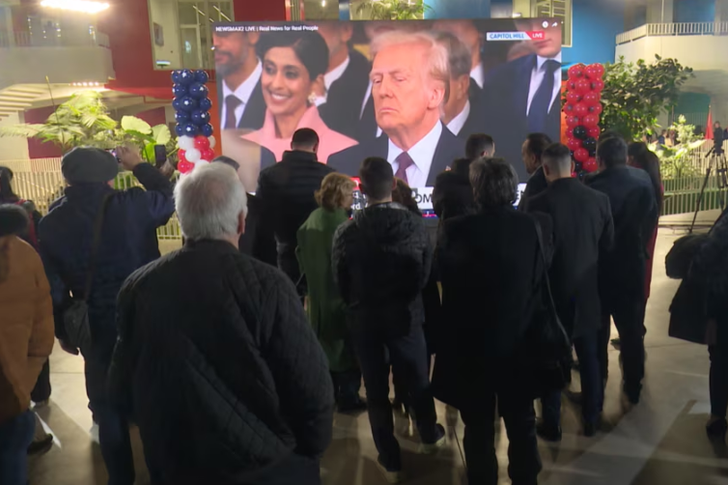
Në Tiranë qytetarët mendojnë se administrata e re amerikan...

This Tuesday, we are introducing you to some of the main h...
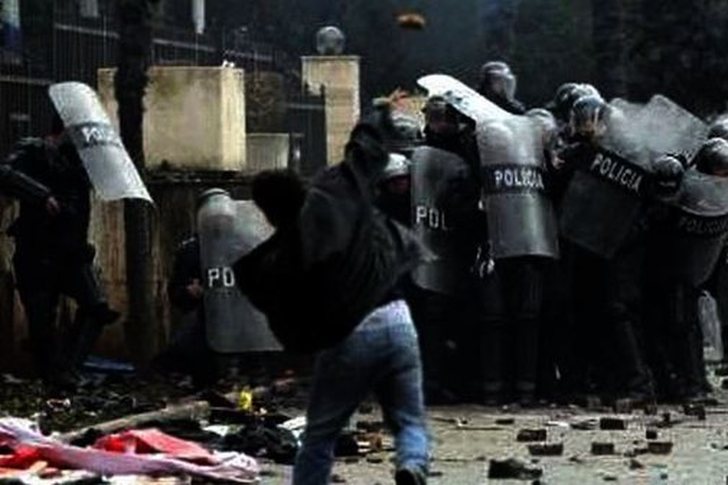
A full 14 years have passed since the serious event of...
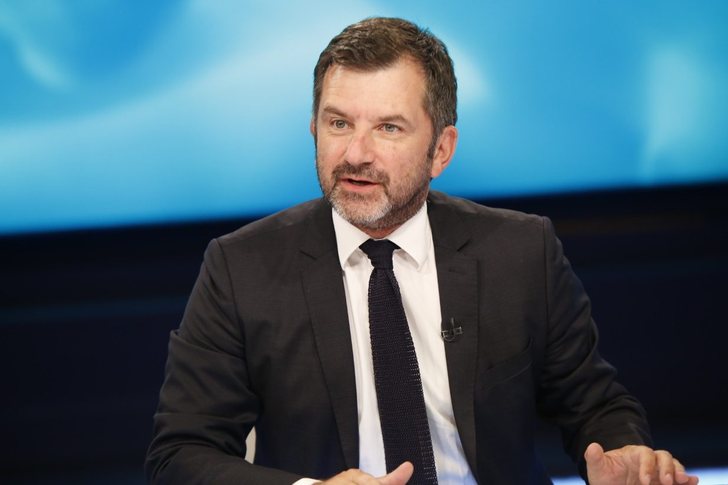
Analyst Andi Bushati emphasized in a television appearance...
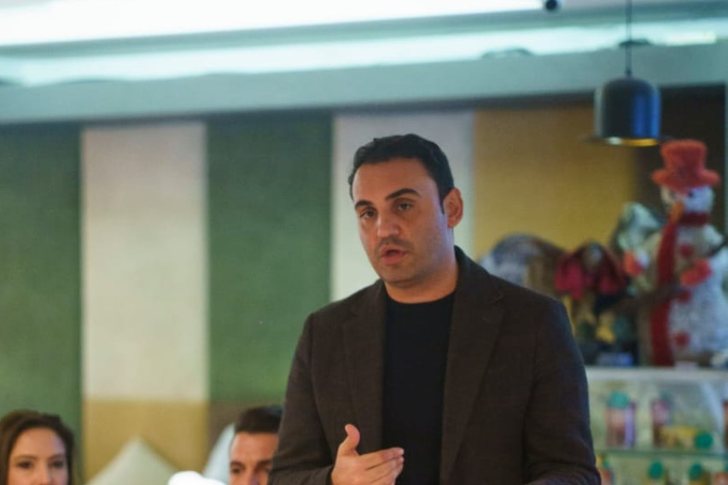
The political leader of the Democratic Party in Tirana, Be...
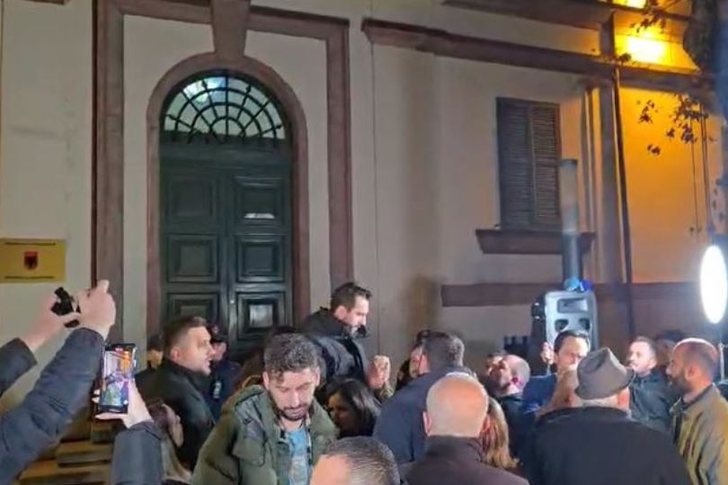
Arlind Qori's protest in front of the Ministry of Interior...
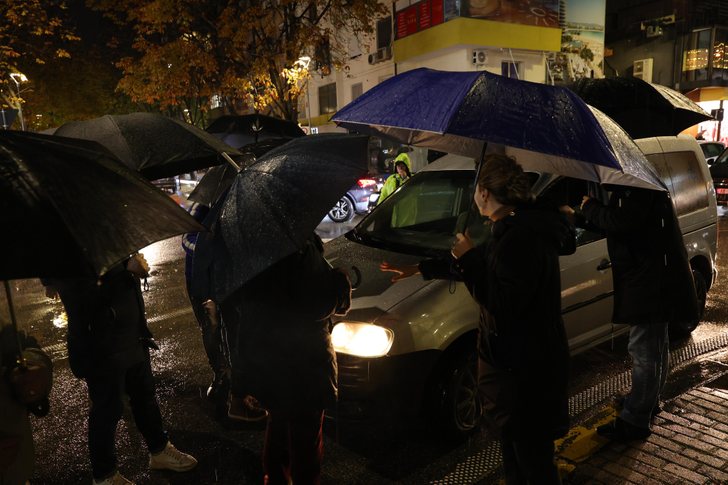
Arlind Qori's protest in front of the Ministry of Interior...
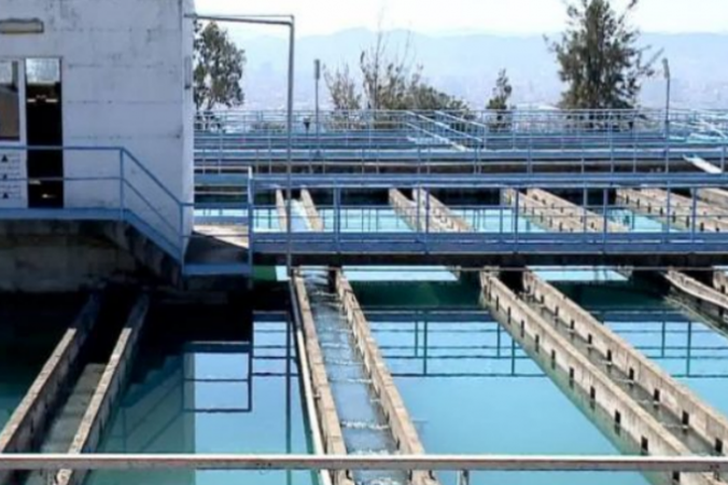
A large group of Waterworks employees held a protest today...

The Head of the Special Prosecution Office Altin Dumani ha...
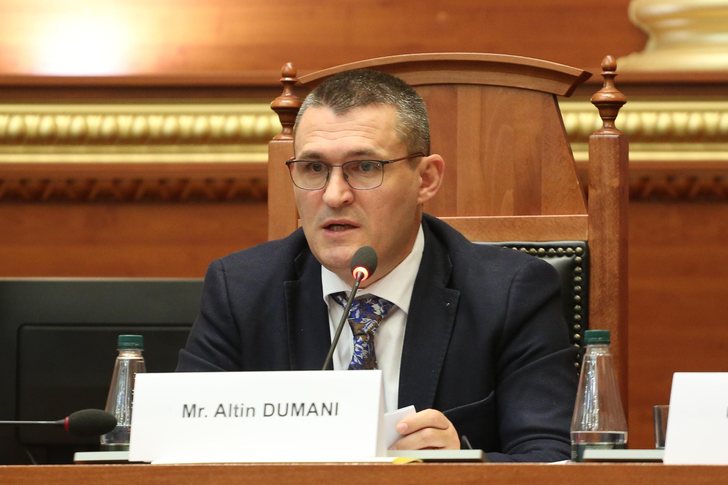
SPAK head Altin Dumani, in a statement to the media, s...
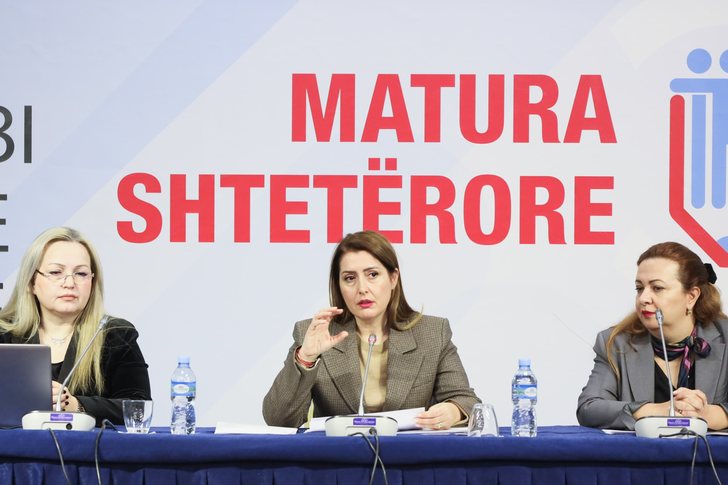
At the presentation of the 2024 Matura Public Report, whic...

On Tuesday and Wednesday nights there is only one meeting ...

CNA has launched another investigation that could lead to ...

Irfan Hysenbelliu is a businessman that we call "Irfan the...

In March 2026, CNA launched another investigation centered...
The arrested mayor of Tirana, Erion Veliaj, with 13 charge...

The Special Board of Appeal (KPA) decided this Monday ...

The KPA vetting decided this Thursday to dismiss the p...

Suela Salavaçi, a prosecutor in the Prosecutor's Offic...

The Special Board of Appeal reinstated the prosecutor ...
Footage emerges from the serious accident that occurred th...

A Shkodra traffic police officer was hit with hard objects...
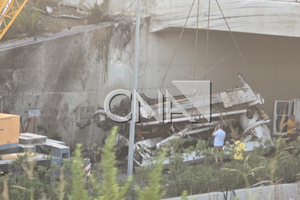
This Wednesday, around 4:00 PM, a serious accident occurre...
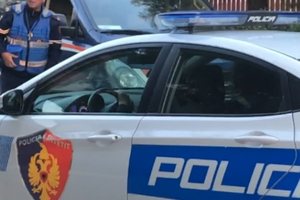
Tirana Police have shared details regarding the accident t...
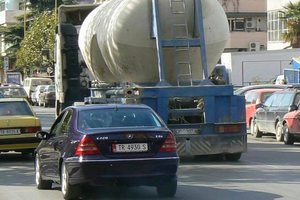
A serious accident that occurred this Wednesday with the c...

The Institute of Geosciences has shared a forecast for wea...
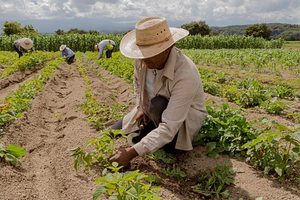
Rising energy and fertilizer prices are expected to contin...

Over 18,000 foreign citizens from 140 countries have appli...
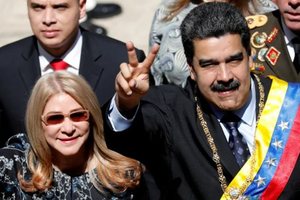
The trial of ousted Venezuelan President Nicolas Maduro on...
US President Donald Trump has issued another warning to Ir...
Prime Minister Andy Burnham has announced that most bus fa...

France's parliament has passed a law to ban social media f...

At a time when industrial products are increasingly taking...

Trust among people is not just a three-syllable word. It c...

Master of humor Todi Llupi has passed away at the age of 7...

The ninth edition of "MIK Festival" kicked off with one of...

The price of diesel reached 206 lek per liter from 198 lek...

Businesses will no longer be required to simply register t...

Despite economic growth and income in recent years, Albani...

This Wednesday, one US dollar is bought for 81.4 lek and s...