


Google changes search bar for the first time in 25 years/ The role of artificial intelligence
For 25 years, Google's iconic search bar has been a long, ...


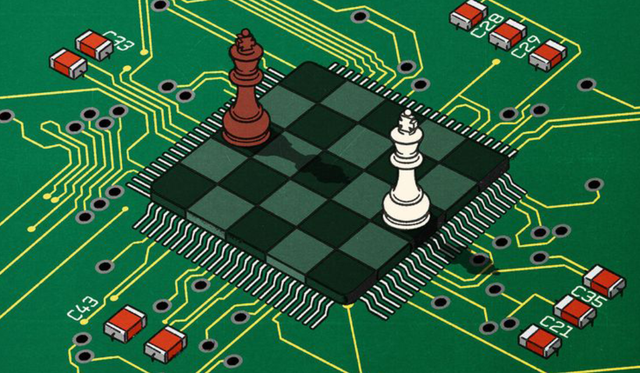
Elites in both Beijing and Washington are concerned about the rapid advancement of technology. The more intelligent AI models become, the more vital they become to economic progress at home and geopolitical clout abroad.
But at the same time, the risks they pose also increase. Not since the creation of the atomic bomb have the Great Powers faced such a dilemma.
The Trump administration is increasingly recognizing this reality. It has abandoned its laissez-faire approach to technology regulation after recent clashes with Anthropic, an American lab, and is considering the possibility of government vetting new designs before release.
Anthropic said in April that it had created Mythos, a model so capable of detecting weaknesses in cyber defenses that it could not be released for general use. America and its rivals took the development seriously.
After initial skepticism, Chinese state media noted Mythos' "unprecedented cyberattack capabilities," while a Russian broadcaster called it "more dangerous than a nuclear bomb."
Fears that increasingly powerful models could launch cyberattacks, design biological weapons, or spiral out of human control have made diplomacy over AI urgent.
Some in America and China are quietly considering whether they can agree to set defensive limits on a technology that each side considers essential to defeating the other. The mistrust is high.
Neither side wants to slow down its development and risk giving the opponent an advantage.
Some tech figures in America believe that being the first to build a self-improving and therefore increasingly powerful AI model could create tremendous strategic advantage.
Chinese experts tend to see AI as the key to economic growth: more nuclear energy than nuclear weapons.
Interest
America and China have a “shared interest” in AI security, Xue Lan told attendees at a Capitol event in late April. “If one country is not safe, none of us are safe,” he said. Xue and Yi Zeng, head of the AI ??Security Institute in Beijing, called for global efforts to regulate and even slow the development of AI.
This is consistent with Chinese policy. Shortly after the emergence of ChatGPT in 2022, China began promoting international cooperation on AI and the creation of a UN body.
Chinese diplomats have floated the idea of ??a "temporary freeze" on AI development and argue that global standards should be adopted to ensure that humans remain in control.
Their plan calls for the West to share AI technology with poor countries, so that the world is not divided between countries that possess the technology and those that are left behind.
A bilateral approach seems more likely and is favored by officials in Washington.
Together, America and China own 90% of the world's most advanced computing power and are therefore the only ones with real regulatory clout. American officials also see the Chinese AI ecosystem as a particular source of risk.
Chinese models are largely "open source," meaning that the parameters that make them functional are freely published, giving malicious actors easy access to powerful AI tools.
The talks wouldn't be entirely new. Trump and Xi agreed to "work together" on AI when they met in Busan, South Korea, in October.
Earlier, in 2024, Joe Biden secured an agreement from Xi that nuclear weapons would be controlled by humans, not AI. But the pace of evolving risks is forcing a review of any piecemeal approach to cooperation.
Codes
American and Chinese researchers are already collaborating in less public ways. For example, some of China's largest labs, including Baidu, have adopted open source code written by Anthropic developers to regulate the way AI agents communicate.
In recent years, several informal dialogues have also taken place between technology executives and former officials from America and China, sometimes in secret.
However, participants say that the technical experts needed to make real progress in harmonizing standards are often not present.
Three forms of cooperation now seem possible. First, dialogue. America and China could engage in “strategic assurance,” says one Western official.
In nuclear weapons talks, countries regularly discuss their plans for managing risk, building trust, and reducing the possibility of miscalculation. America and China may write AI rules in parallel, but not in coordination.
“If they read the same technical studies and share the same fact base, they can take reasonable action in response,” says Karson Elmgren of the US Institute for AI Policy and Strategy.
Second, America and China could agree on how to test the safety of models. Without sharing the results, both sides could adhere to common standards for risky behavior or ways to identify motives that don't match those of human creators.
It is difficult to distinguish data used to monitor AI security from information important to its development, notes Jeffrey Ding of George Washington University. By not making the results public, both parties can avoid fears of technical data leaks.
Së treti, “beso, por verifiko”. Nëse Trump dhe Xi do të ndiheshin ambiciozë, ata mund të kërkonin një marrëveshje formale për zhvillimin e testeve të përbashkëta të sigurisë dhe ndarjen e rezultateve të tyre.
Por kjo ndoshta do të kërkonte mekanizma ndërhyrës për të kontrolluar respektimin e marrëveshjes.
Këto mund të përfshijnë inspektime ose transmetimin e të dhënave mbi aktivitetin e qendrave të të dhënave te një arbitër ndërkombëtar, si Agjencia Ndërkombëtare e Energjisë Atomike e OKB-së, e cila monitoron materialet bërthamore.
Të gjitha këto forma bashkëpunimi duken ende shumë larg. Studiuesit amerikanë të IA-së janë skeptikë nëse zyrtarët kinezë janë të sinqertë.
Laboratorët kinezë të IA-së kanë qenë relativisht më pak rigorozë për sigurinë, ndoshta sepse modelet e tyre ende nuk janë mjaftueshëm të fuqishme për të paraqitur kërcënime ekzistenciale, ose sepse u mungojnë koha dhe fondet për t’i testuar.
Dokumentet shoqëruese të modelit v4 të DeepSeek, të publikuara muajin e kaluar, nuk përfshinin mbrojtjet që janë të zakonshme në laboratorët amerikanë.
Ryan Fedasiuk, ish-zyrtar i administratës Biden, sugjeron se shqetësimet e deklaruara nga Kina për sigurinë e IA-së janë performative dhe bëhen “për t’i nxjerrë amerikanët në pozitë të keqe”.
Debati
Pavarësisht mbështetjes publike të Kinës për qeverisjen globale të IA-së, ajo deri tani ka kundërshtuar diskutimet e detajuara me Amerikën për këtë çështje. Në vitin 2024, Amerika dërgoi zyrtarë të lartë të sigurisë dhe ekspertë teknikë për t’u takuar me homologët e tyre kinezë në Gjenevë.
Kina dërgoi zyrtarë politikë që refuzuan të diskutonin sigurinë e IA-së derisa Amerika të hiqte kontrollet e eksportit për çipat kompjuterikë të avancuar, sipas personave të njohur me bisedimet.
Diplomatët amerikanë ankohen se Kina ka një histori të gjatë të manipulimit të dialogut për përfitime politike: ajo ndërpreu diskutimet për ndryshimet klimatike në vitin 2022 sepse Nancy Pelosi vizitoi Tajvanin, për shembull.
Diskursi kinez për IA-në, përfshirë diskutimet e fundit për Mythos, pasqyron ndonjëherë paranojën se laboratorët amerikanë përdorin shqetësimet për sigurinë për të kontrolluar zhvillimin e teknologjisë.
Disa druhen se ndarja e të dhënave mbi sigurinë është një manovër për të përvetësuar sekretet teknologjike të Kinës. Tong Zhao, ekspert për negociatat mbi kontrollin e armëve bërthamore në Carnegie Endoëment, thotë se strategët kinezë janë përgjithësisht skeptikë ndaj marrëveshjeve me një palë teknologjikisht superiore.
Historia e Kinës me “traktatet e pabarabarta” në shekullin XIX i ka bërë zyrtarët të kujdesshëm ndaj marrëveshjeve që mund të ngadalësojnë zhvillimin e tyre ose t’i mbyllin në një status të dorës së dytë.
Bashkëpunimi bëhet edhe më i vështirë për shkak të rreziqeve të mëdha që përfshihen. “Nëse nuk fitojmë në IA, atëherë loja ka mbaruar”, tha sekretari amerikan i Thesarit për “The Wall Street Journal” në prill. Xi e ka cilësuar së fundmi IA-në si “përcaktuese të epokës”.
However, American and Chinese leaders may soon begin to see AI as existential for other reasons as well.
“Unfortunately, historical evidence suggests that real momentum only comes after a tragic accident,” says Ding, citing global standards set after the Bhopal chemical disaster in 1984 or the Chernobyl disaster in 1986. The AI ??negotiations remain a real test of human intelligence./ The Economist

For 25 years, Google's iconic search bar has been a long, ...
Five names dominate the world of artificial intelligence t...
Croatia has become the first country in Europe with a robo...
Hangzhou city in east China's Zhejiang Province has deploy...
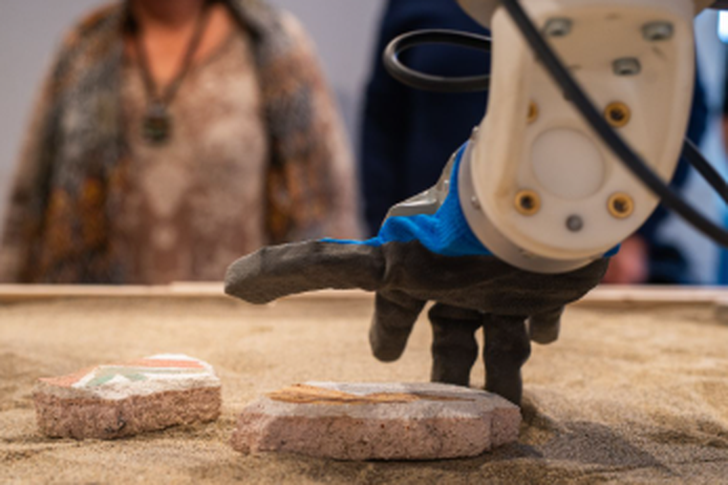
Archaeologists in Pompeii, Italy, have used artificial int...
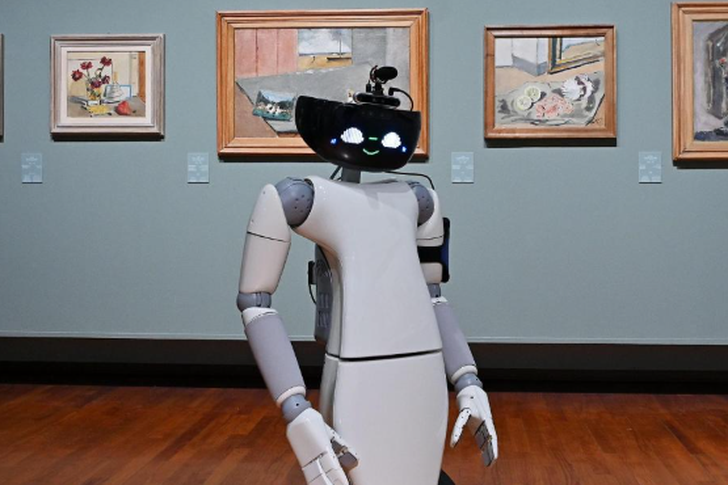
Italy is testing the R1 guide robot at Turin's Palazzo Mad...
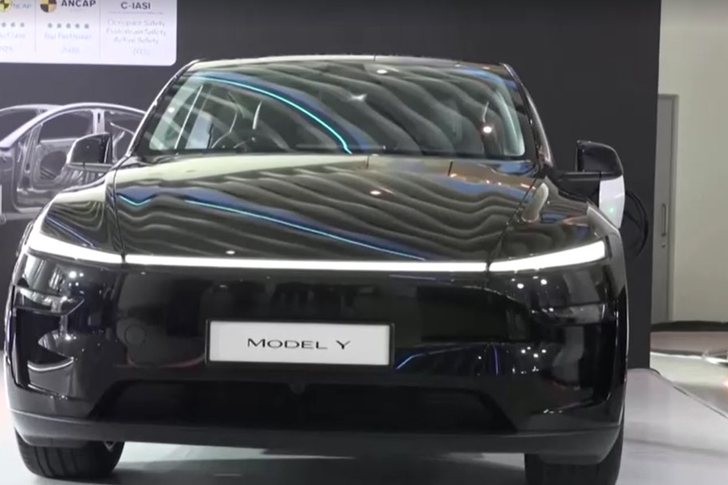
Reuters-Prodhuesi amerikan i automjeteve elektrike Tesla k...
The well-known technology company, Apple, will now have a ...

The ARTEMIS II crew was treated to unique images, in addit...

Dozens of humanoid robots made in China demonstrated their...

The European Union has introduced an app to confirm the ag...
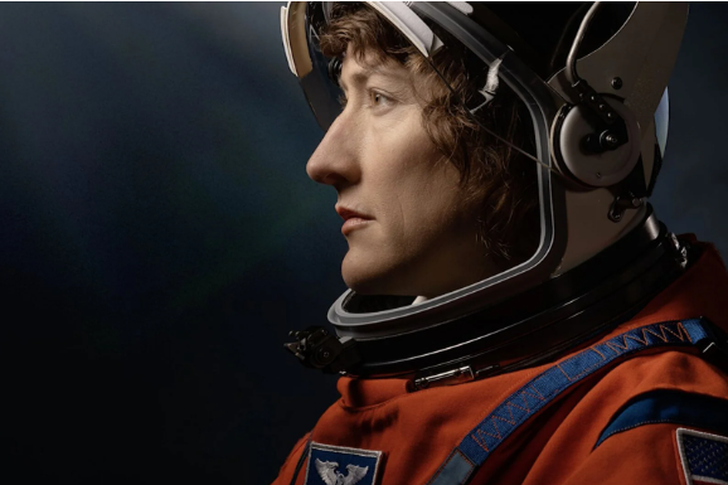
Christina Koch, an astronaut on NASA's Artemis II mission ...
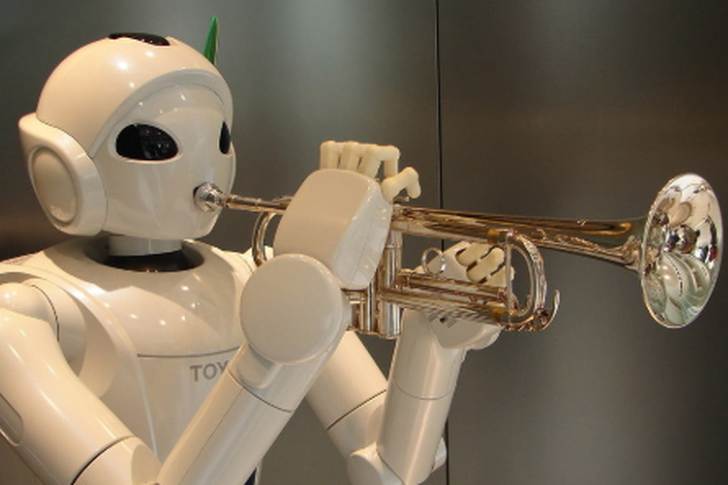
A new study shows that robotics can improve musical synchr...

Germany is the leading innovative country in Europe in ter...
Video game platform Roblox has said it will take a share o...
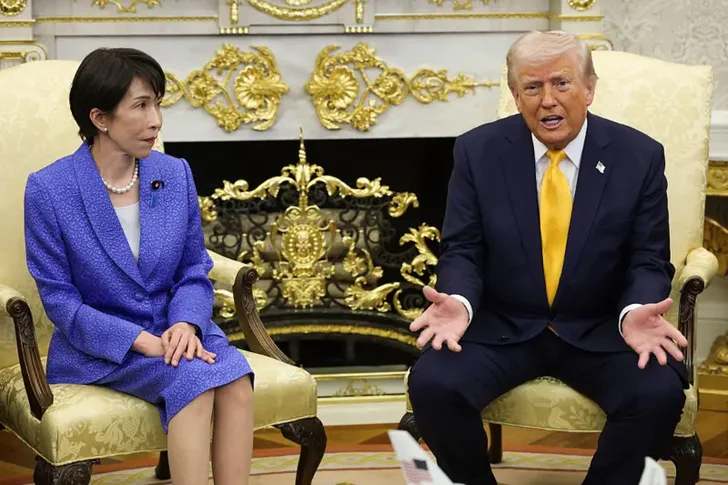
President Trump has been asked about Japan's reluctance to...

Tracking meteors, or meteoroids, as they enter the atmosph...

A new technology could help many travelers, as you can now...
China has approved the first brain implant designed to hel...
Artificial intelligence (AI) has become one of the most im...

There have been 12 days of protests in the capital, which ...
Dritan Prençi is the SPAK prosecutor who is sleeping on th...

The in-depth investigations that SPAK conducted into Ajola...
SPAK's standards, the way it investigates, how it secures ...

The Special Board of Appeal (KPA) decided this Monday ...

The KPA vetting decided this Thursday to dismiss the p...

Suela Salavaçi, a prosecutor in the Prosecutor's Offic...

The Special Board of Appeal reinstated the prosecutor ...

New details have emerged regarding the serious accident th...

An Albanian businessman was arrested this afternoon in Gre...

A serious accident has occurred on the Korça-Ersekë axis, ...

Fier Police has announced the measures taken this week for...

Today our country will be affected by unstable weather con...

On Thursday, our country will be affected by relatively un...

Albania is facing a deep demographic crisis where official...

This Wednesday, our country will be affected by relatively...

This June 12th marks the 27th anniversary of the liberatio...

The global economy is expected to face its biggest slowdow...
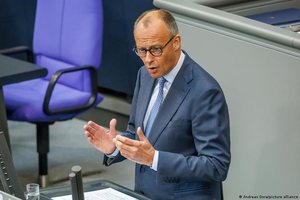
German Chancellor Friedrich Merz (CDU) defended his govern...
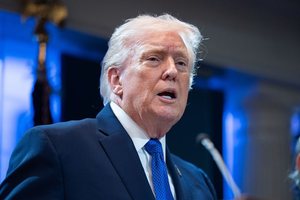
US President Donald Trump has made a post on Truth Social ...

At the Museum of Fine Arts in Chambéry, France, an exhibit...

Korça has transformed this weekend into the capital of cel...

Korça is ready to open the summer season with one of the c...

Two years after his passing, the renowned Korçë poet Skënd...
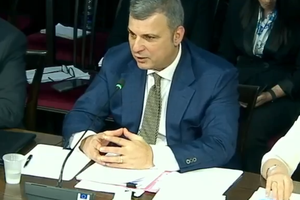
The Governor of the Bank of Albania, Gent Sejko, shared to...

Business lending has increased in the first half of this y...

The labor market has shown worrying trends in early 2026. ...

The number of new retirees in the social security scheme i...