

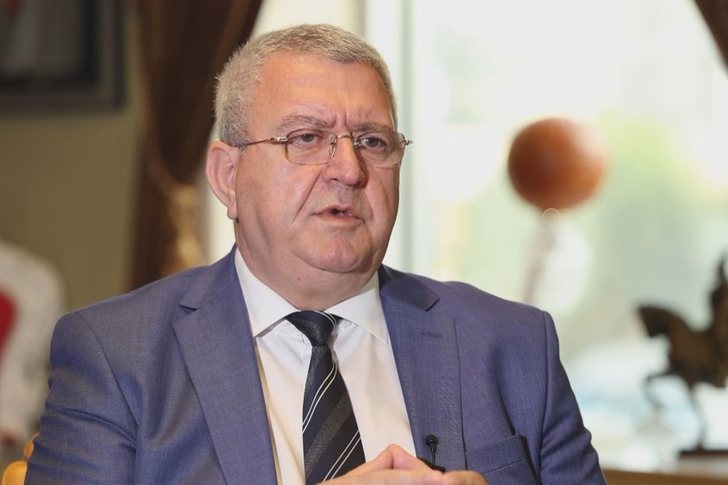
Armand Duka determined for investments: Let's increase the inventory of fields at any cost
The successful elimination campaign and qualification ...


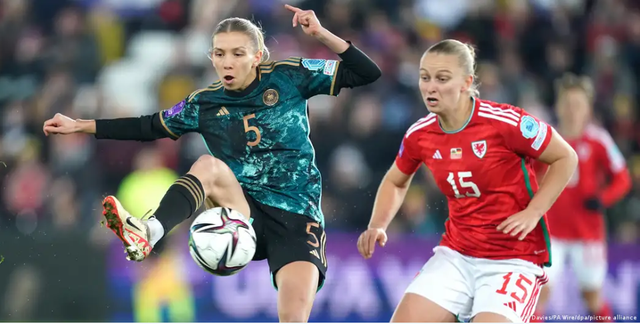
Interest in women's football has grown rapidly: 59,402 fans paying to watch a women's football match. This is what happened in London in the Women's Super League clash between Arsenal and Chelsea in mid-December. But this has happened and continues to happen in Australia, the USA and some European countries.
Such participation is further evidence of the great growth of women's sports, driven above all by football. A recent report from accounting firm Deloitte predicts that women's sports will pass the $1 billion (€928 million) global revenue threshold for the first time in 2024, with soccer accounting for $555 million.
But such rapid growth has raised significant questions from the players' union and FIFPRO players about its cost. These concerns were published in their report on the 2023 World Cup in Australia and New Zealand on the same day. The report found that players whose impact on the growth of the game is visible on the pitch, in the stands and at the trading desks may be paying an unfair price.
The report surveyed 260 female players from 26 of the 32 teams and found that one in three players earns less than $30,000 a year from soccer (not including FIFA's World Cup bonus), and one in five needs a job second as a result.
Great strain
The change is relatively new though, those on the field in London and in the WSL in general, are completely professional. But this is the case in only a few leagues around the world, and even then, players are only paid well at elite clubs. But even at these clubs, conditions aren't perfect, with two-thirds of players claiming they feel short of their physical peak due to the intense fixture calendar. Several of Arsenal's players made the last four of the World Cup in Australia and then faced a Champions League qualifier in the interval just over two weeks later.
Steph Catley was one of them. The full-back captained Australia in four matches as they lost in the semi-finals and returned to play a competitive match in London; a 24-hour flight away, just 18 days after the third-place playoff. The recovery period was one less day for Arsenal's England internationals.
"Any break is very welcome at this stage," Catley told DW of the WSL's upcoming Christmas break. "It's a lot of games, especially playing for Australia, where we do a lot of extra travel. That's something we have to be careful of. That's something our medical and coaching staff do a really good job of managing. It's only important to know your body".
Elite players like Catley at least do not have to balance income with second jobs or studies with their sporting careers and enjoy access to improved medical and fitness infrastructure, especially at those clubs affiliated with the men's top teams. But even for them, the effects of travel and the demands of matches can have consequences.
"If players don't have that safe period of at least three weeks, or ideally five weeks, after a long campaign before going into pre-season, then it's dangerous not just physically and physiologically, but mental health as well," said FIFPRO Chief Medical Officer, Prof. Dr. Vincent Gouttebarge.
This was not the case for Alessia Russo, Catley, Lotte Wubben-Moy, Caitlin Foord and many other players in leagues around the world, who returned to playing high-profile matches in addition to training and travel so soon after the final, in Sydney or in the third-place playoff in Brisbane. The creation of the Nations League for women's football this year has further increased the number of matches included in the calendar, and will also bring about future changes to the UEFA Champions League.
Growth, but at what cost?
The consequences of what is required of them were unfortunately demonstrated this London derby. Arsenal's opener Beth Mead missed the World Cup with an anterior cruciate ligament injury that has become a frequent bane of the women's game, while her team-mate and England captain, Leah Williamson has yet to recover from the same injury. Williamson's replacement as England captain, Millie Bright, missed the derby and World Cup build-up after being the player who played the most minutes across Europe in the 2021-22 season.
"Our schedules are much busier now," she told DW earlier this year, ahead of the World Cup. "We're expected to do tournament after tournament as we compete for every trophy when we play at those top-level clubs. It's impossible to go on and we're not robots, our bodies will break down," she added, prophetically.
The report confirmed the massive strides made at the top of the women's game, with gender-equal terms for accommodation, transport and support staff negotiated for the World Cup and more money being poured into the game. But as Deloitte noted: "This increase in fan and investor engagement is leading to new and improved opportunities for clubs and leagues, including greater commercial partnerships, increased attendances and bigger match days. To to ensure that this growth is continuous and sustainable, sports organizations must ensure that investments are directed to the right places, such as encouraging fan loyalty, player welfare and maintaining competitive leagues."
Women's football, at the very highest level, is now at a crossroads: develop in the way the men's game has evolved, with money as the main driver, or slow down a bit and focus mainly on what makes it interesting./ DW

The successful elimination campaign and qualification ...
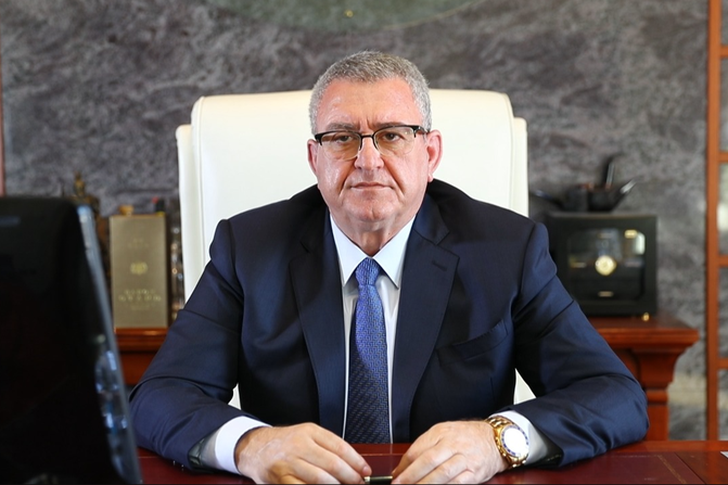
Presidenti i Federatës Shqiptare të Futbollit, Armand ...
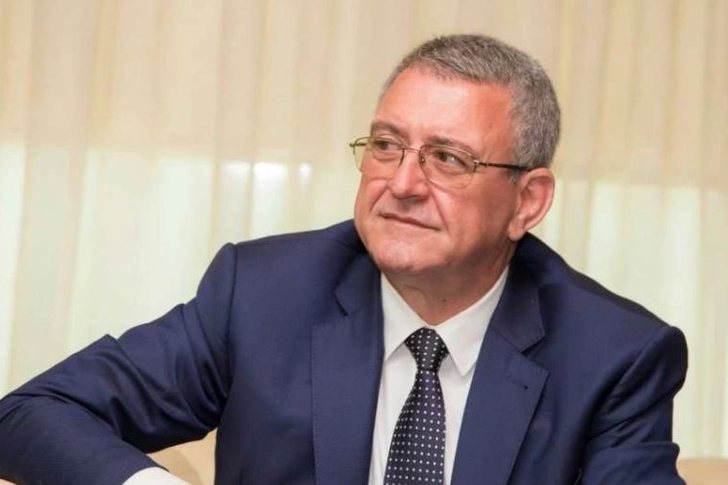
The head of the Albanian Football Federation, Armand D...
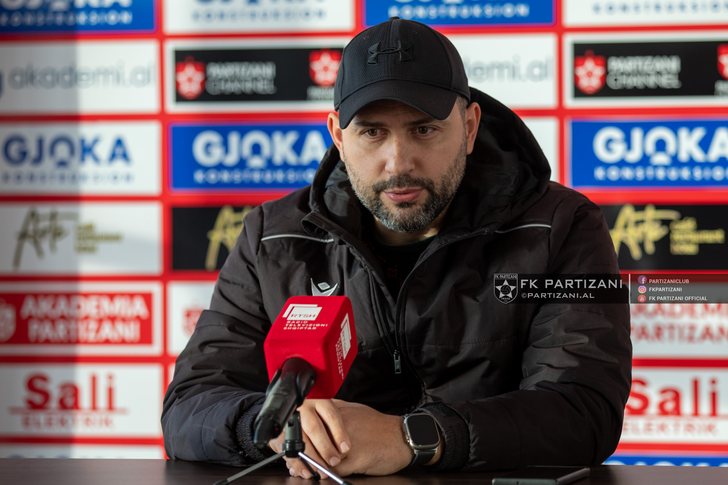
Trajneri i Partizanit, Arbër Abilaliaj, foli në konferencë p...

West Ham i ka shkaktuar disfatën e radhës Manchester United....
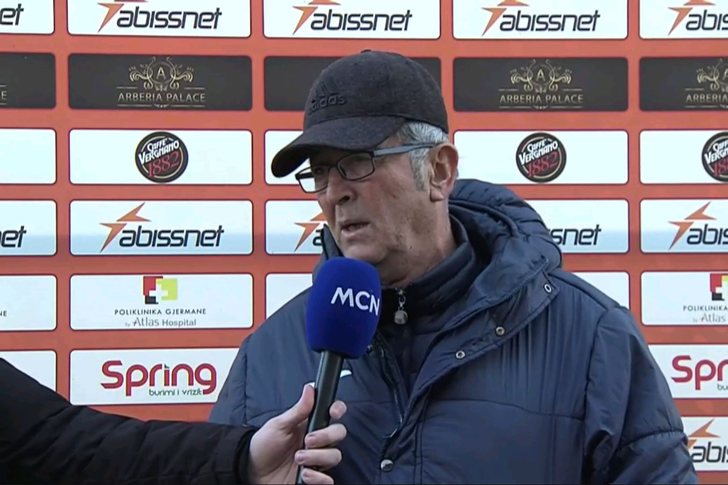
Trajneri i Kukësit, Stavri Nica, foli për MCN TV, pas barazi...
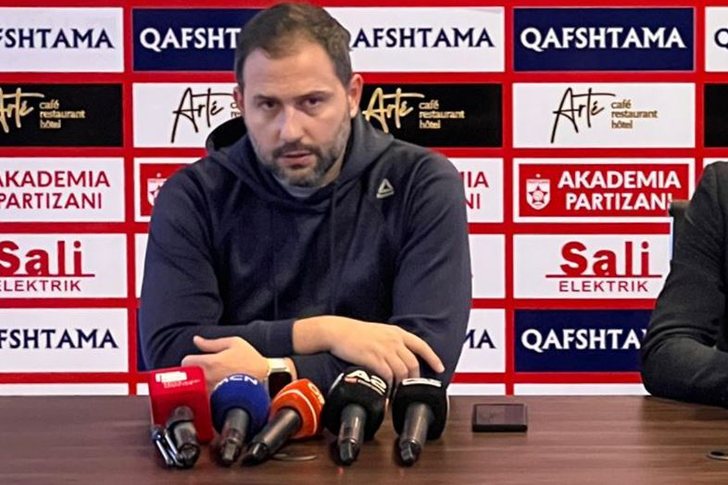
Partizani luan ndeshjen e fundit për këtë vit kundër Erzenit...

Sfida mes Laçit dhe Kukësit, e vlefshme për javën e 18-të ...

Erald Çinari mund të ndodh që të rikthehet në vendlindjen ...

Sulmuesi i Shqipërisë, Rei Manaj, nuk di të ndalet në Turqi,...

Trajneri Edi Martini, foli për MCN TV, pas ndeshjes ku skuad...

Dinamo mori një fitore shumë të rëndësishme, teksa mposhti m...

Vllaznia triumfoi me rezultatin e thellë 5-0 ndaj Skënderbeu...
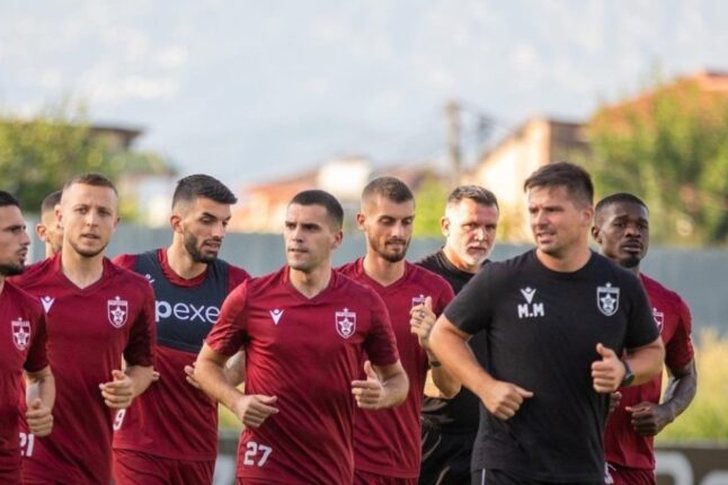
Partizani ka ndërprerë bashkëpunimin me Sabit Bilalin. Mesfu...
Duke filluar nga ora 17:00, do të luhet sfida mes Vllaznisë ...
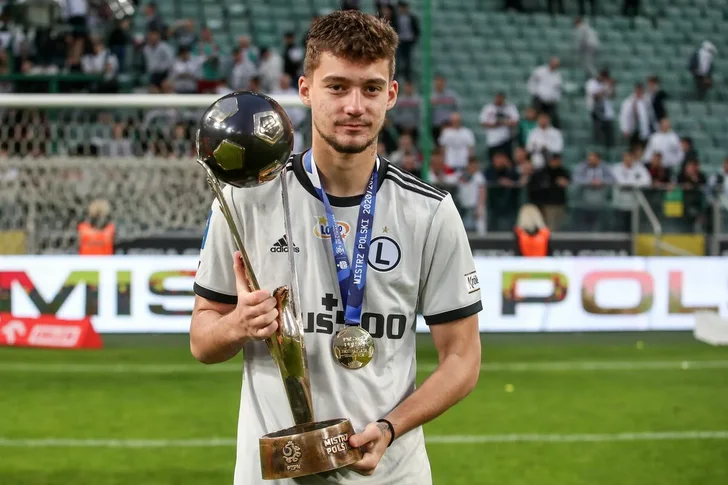
Pavarësisht luhatjeve në kampionat, 3 golat kundër Aston Vil...

Përveç largimeve, Teuta po punon edhe për merkaton në hyrj...
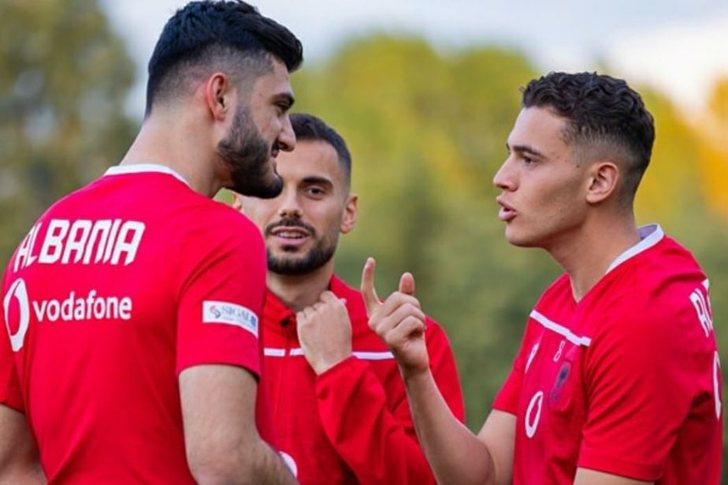
Interi ka filluar të mendojë për një sulmues të ri në afat...
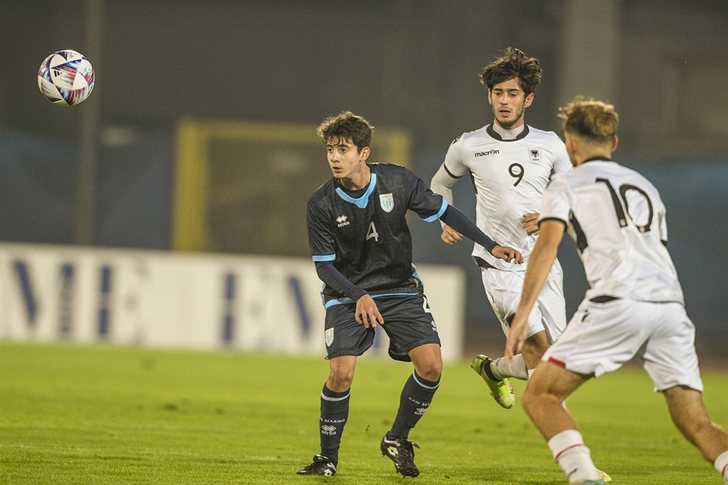
Futbollit të rëndësishëm italian, pritet t’i bashkohet shumë...
AFF, after being familiar with the decision of the European ...
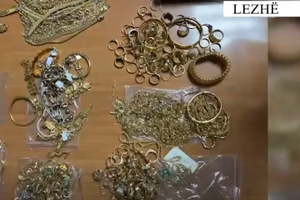
A 39-year-old citizen has been arrested in Lezha, after se...

CNA has launched another investigation that could lead to ...

Irfan Hysenbelliu is a businessman that we call "Irfan the...

In March 2026, CNA launched another investigation centered...

The Special Board of Appeal (KPA) decided this Monday ...

The KPA vetting decided this Thursday to dismiss the p...

Suela Salavaçi, a prosecutor in the Prosecutor's Offic...

The Special Board of Appeal reinstated the prosecutor ...

Following the successive operations carried out by the ope...
The Police Supervision Agency has seized the service weapo...
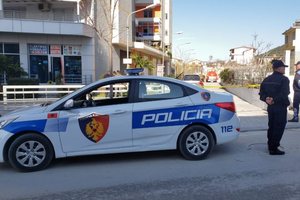
A serious incident occurred in Lushnje, where citizen IY, ...
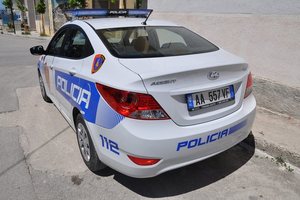
As a result of the investigative and procedural actions ca...

As the year 2026 is in its second half, the world is exper...

Today, our country will be under the influence of stable a...

By noon, cloudiness is expected to prevail in almost all o...

Children without parental care, for whom alternative famil...

US President Donald Trump has announced that he will seek ...

Almost half of people living in France, Germany, Italy and...

Marine Le Pen is entering the decisive phase of the presid...
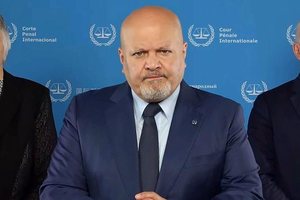
Member states of the International Criminal Court voted to...
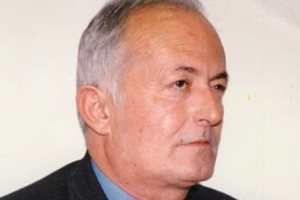
Two windows, a century of history and the metaphysics of p...
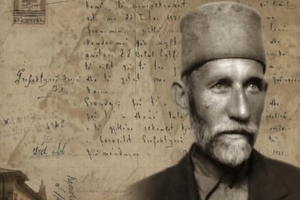
In my research at the Central State Archives, specifically...

At a time when industrial products are increasingly taking...

Trust among people is not just a three-syllable word. It c...

This Saturday, one US dollar is bought for 81.7 lek and so...
War, weather and supply disruptions could send gas prices ...
The number of active enterprises in Albania continued to g...
In Albania, the bar-cafe has long become an almost unique ...