


Fire in Soda Forest/Lamallari: Difficult times in Vlora, structures on the ground
The Minister of Internal Affairs, Besfort Lamallari, has s...

The Minister of Internal Affairs, Besfort Lamallari, has s...


October is designated as Breast Cancer Awareness Month worldwide, to increase attention and support for awareness, early detection, treatment, and palliative care of this disease.
Breast cancer information is provided annually to raise awareness about the prevention and early detection of breast cancer in women and girls across the globe.
Breast cancer is one of the most common diseases in women worldwide, with about 2.3 million new cases diagnosed each year, according to the World Health Organization.
Recognizing the early signs is essential for early detection and successful treatment of this disease.
One of the first signs that may be noticed is a sudden change in the size or shape of the breasts. This includes swelling, sagging, or sudden asymmetry. Women should be aware of any such changes and consult their doctor as soon as possible.
The presence of a mass in the chest or armpit area is another alarming sign.
These masses are often firm and may be fixed or movable under the skin. Regular self-examination can help identify these changes at an early stage.
Breast cancer is a tumor that develops from the cells of the breast itself.
Breast cancer is the uncontrolled growth and spread of abnormal cells in the breast tissue. These cells clump together and form a tumor, which presses on, spreads, and destroys normal breast tissue. Without treatment, these cells spread to nearby areas and then throughout the body.
Know the risk
No one knows the true cause of breast cancer, or whether breast cancer has a single cause or not. It is known that some people are at higher risk of developing breast cancer. It is known that certain factors seem to increase the risk of developing breast cancer. Every woman is at risk for breast cancer.
Risk factors for breast cancer are:
-Having had breast cancer before;
-Family history of breast cancer (especially with mother, sister or daughter) diagnosed before menopause;
-Genetic changes present with the BRCA1 or BRCA2 genes;
-Family history of ovarian cancer;
-Women who have not given birth to children or who had their first birth at an age over 30;
-Menstruation at a very early age, before 12 years old;
-Menopause after age 50;
-Use of hormone therapy (estrogen + progesterone) for a long time, more than 5 years;
-Increased breast tissue density (visible on a mammogram);
-A history of a breast biopsy showing an increased number of abnormal cells that are not cancerous (atypical hyperplasia);
-Radiation treatment of the breast surface, especially before the age of 30, e.g., treatment of Hodgkin lymphoma;
-Overweight and obesity, especially during menopause;
-Alcohol use;
-Smoking;
-Taking oral contraceptives without a doctor's supervision;
-Diet and foods rich in animal fats;
- Lack of physical activity.
Attention! About 70% of breast cancer cases occur in women who do not have factors that increase the risk of developing breast cancer!
Reduce your risk
You can't change most of the risk factors for breast cancer, like your family history or starting menstruation at a very young age, but what you can easily do is change some factors, like your weight or the diet you consume.
To reduce your risk…
• Maintain and maintain a healthy body weight;
• Perform physical activity regularly;
• Consume low-fat foods;
• Eat vegetables and fruits;
• Do not consume alcohol;
• Consult your doctor about using contraceptives;
• Do not smoke and avoid passive smoking;
• Use breastfeeding for your child;
• Talk to your doctor about assessing your risk;
Ask your doctor about breast exams offered in the city you live in. Consult with the doctor at your health center for any information you need to know.
This information can help you understand more about breast cancer and what you can do to reduce your risk of this disease./ CNA

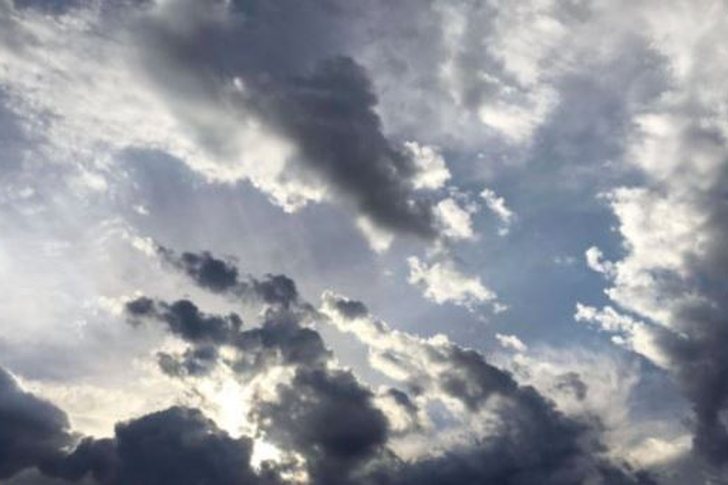
Today our country will be affected by unstable weather con...
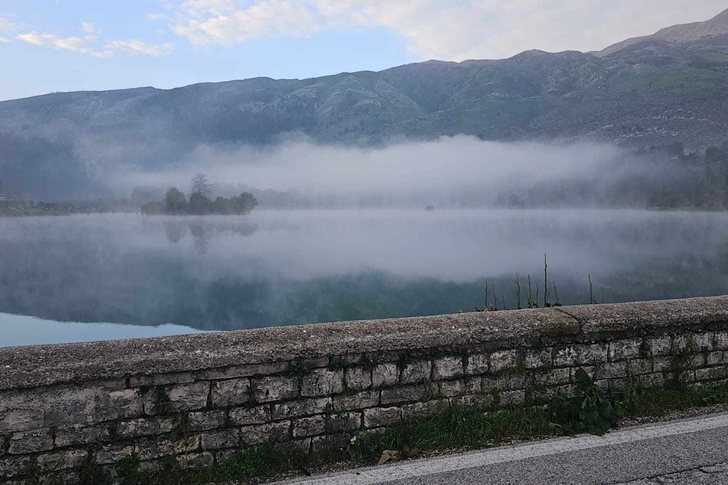
Today, our country will be affected by stable weather cond...
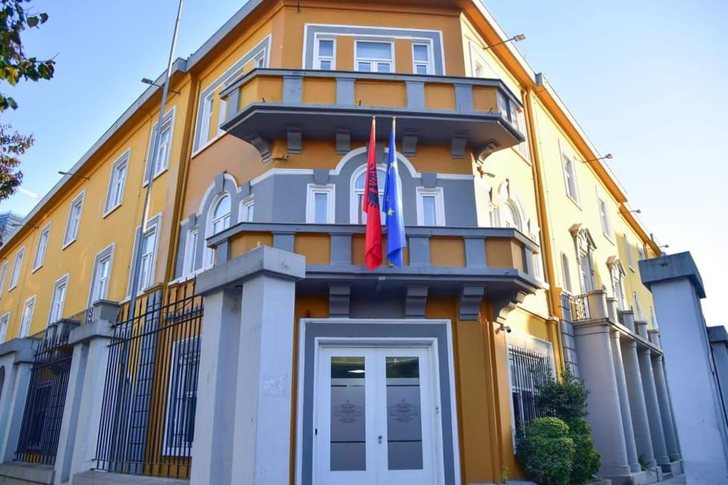
The first phase of the second round of university registra...
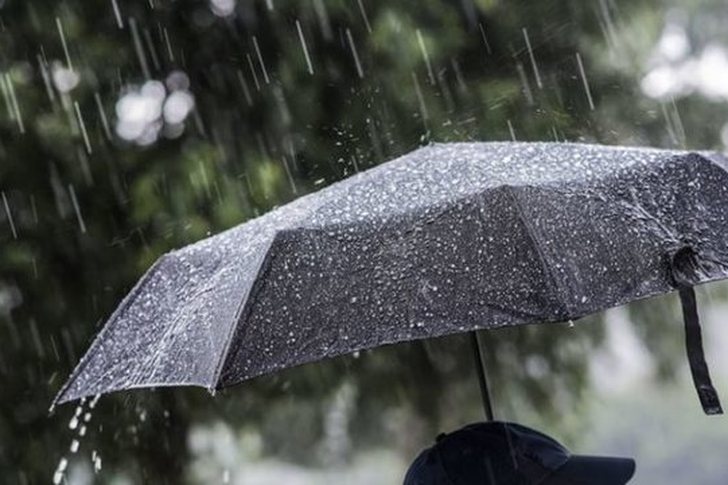
Today our country will be affected by unstable weather con...
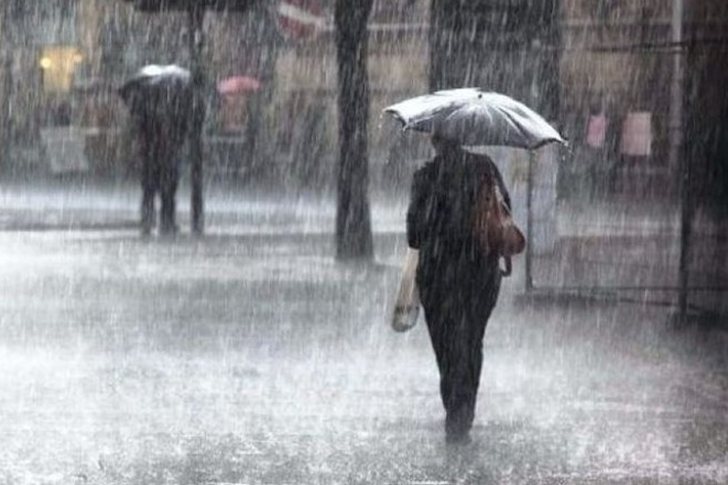
As a result of warm and humid air masses of oceanic origin...
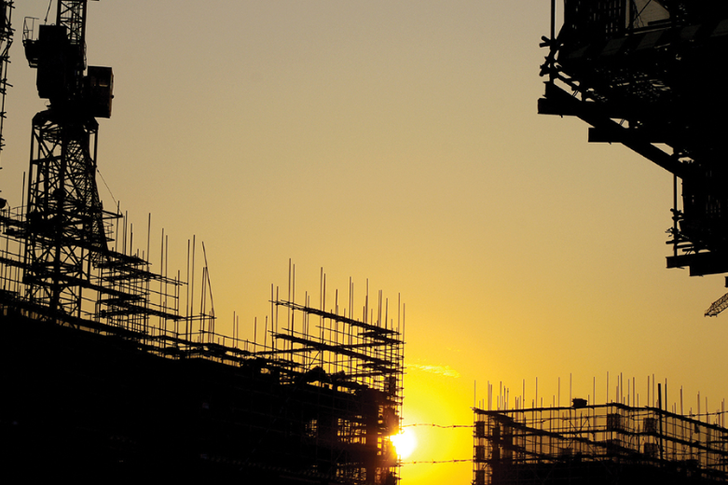
Only time will tell whether the planned projects in the fu...
Today our country will be affected by unstable weather con...
On Friday, our country will be affected by unstable weathe...
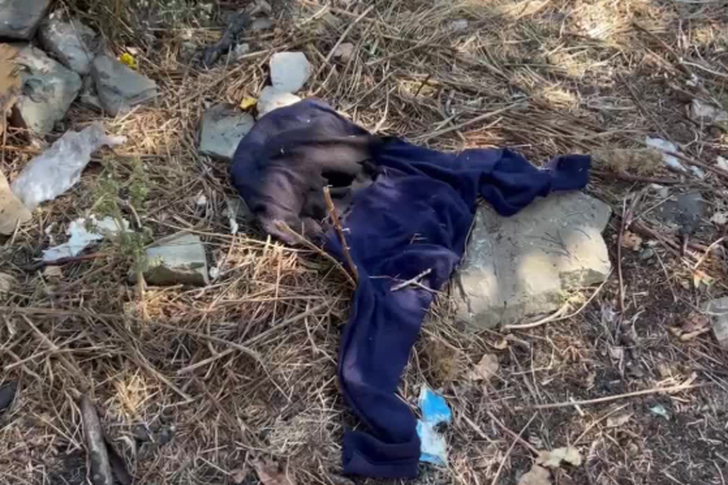
Two days ago, in the village of Strelce in Maliq, a house ...
Today our country will be affected by unstable weather con...
Today our country will be affected by stable weather condi...

A significant portion of Albanian employees are considerin...
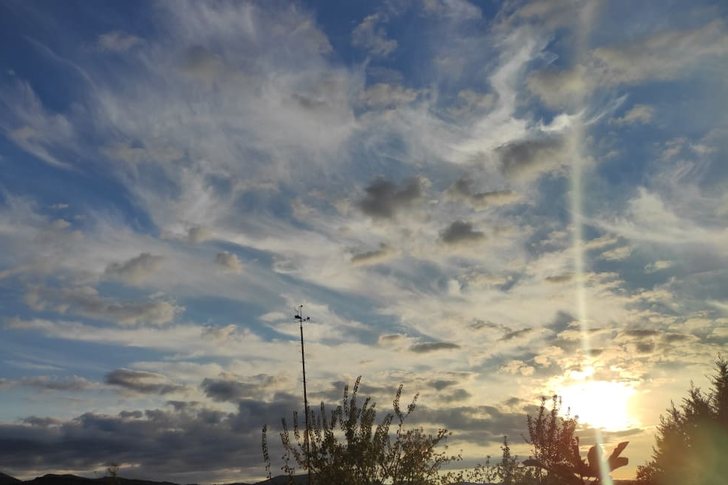
This Tuesday, our country will be affected by stable weath...

Europe's dependence on foreign doctors and nurses is growi...
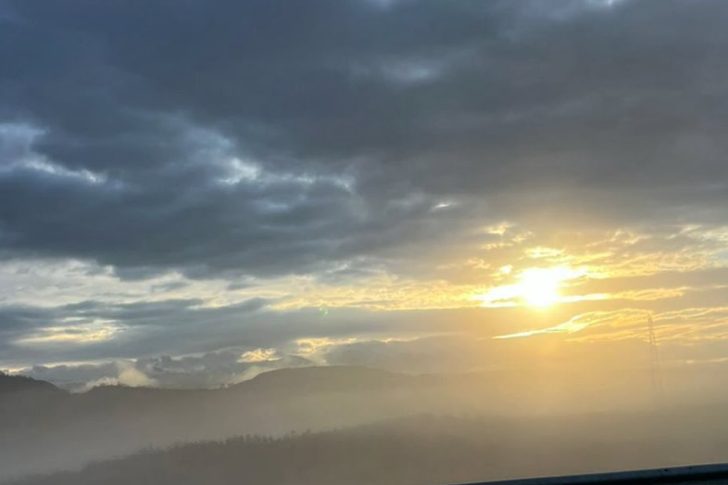
This Monday, our country will be affected by stable weathe...
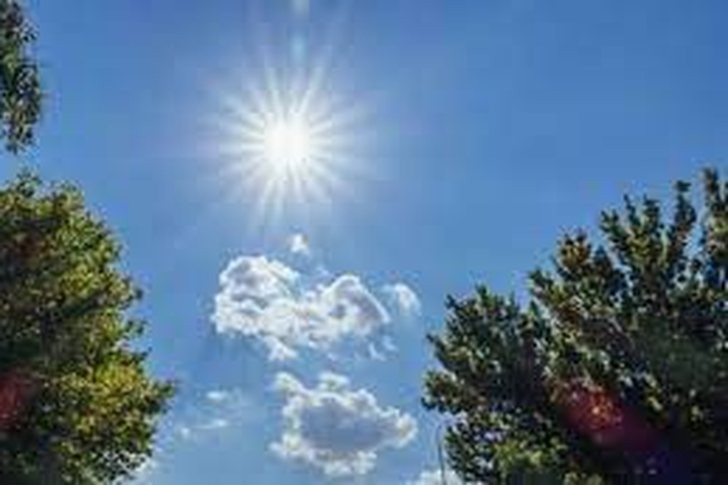
On Sunday, our country will be affected by stable weather ...
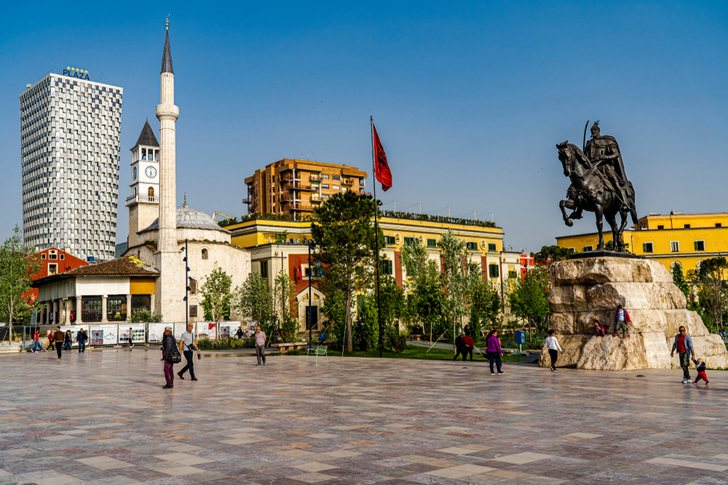
In Europe, life expectancy is estimated at 81.7 years in 2...
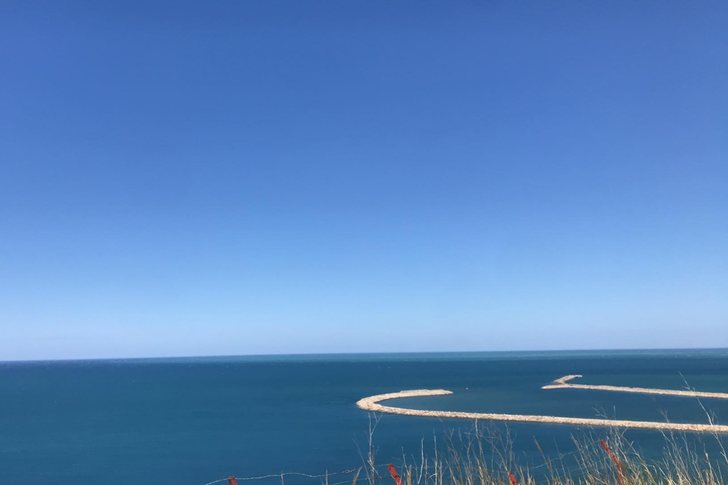
Today, our country will be affected by stable weather cond...
Today our country will be affected by stable weather condi...

The emigration of Albanian doctors is becoming the main th...
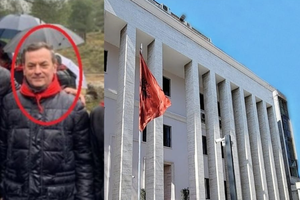
CNA has put under scanner the assets of Sokol Sadushi, the...
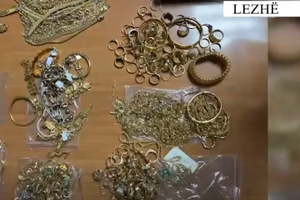
A 39-year-old citizen has been arrested in Lezha, after se...

CNA has launched another investigation that could lead to ...

Irfan Hysenbelliu is a businessman that we call "Irfan the...

The Special Board of Appeal (KPA) decided this Monday ...

The KPA vetting decided this Thursday to dismiss the p...

Suela Salavaçi, a prosecutor in the Prosecutor's Offic...

The Special Board of Appeal reinstated the prosecutor ...
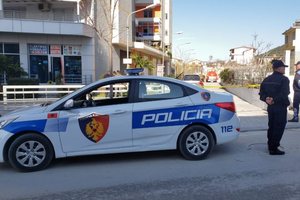
Police have revealed details of the incident that occurred...
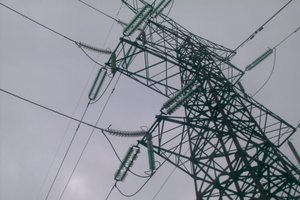
According to preliminary information, a person in his 60s ...
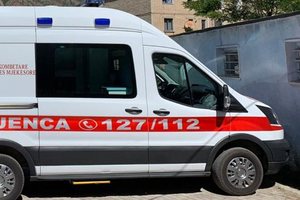
A triple accident occurred on the Peqin-Elbasan axis n...
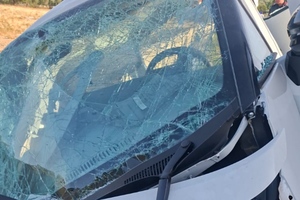
The police have provided details regarding the accident th...

Company leaders can improve productivity by investing in a...
Today, our country will be under the influence of stable a...

As the year 2026 is in its second half, the world is exper...

Today, our country will be under the influence of stable a...
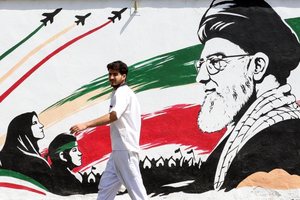
Tehran said it had halted retaliatory attacks against US a...
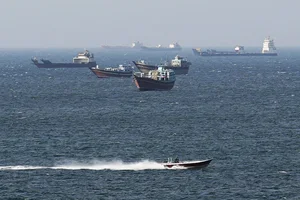
An oil tanker exploded in the Strait of Hormuz after hitti...
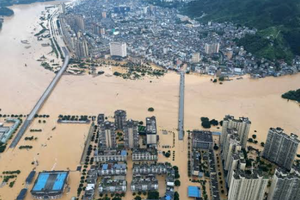
Ten people were killed and dozens more injured by flooding...
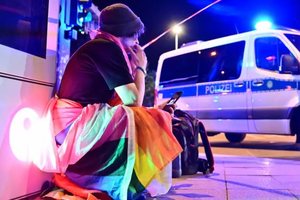
One person has died and at least 16 others have been injur...
Two windows, a century of history and the metaphysics of p...

In my research at the Central State Archives, specifically...

At a time when industrial products are increasingly taking...

Trust among people is not just a three-syllable word. It c...

This Sunday, one US dollar is bought for 81.5 lek and sold...

This Saturday, one US dollar is bought for 81.7 lek and so...
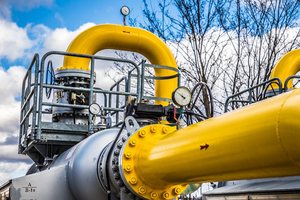
War, weather and supply disruptions could send gas prices ...
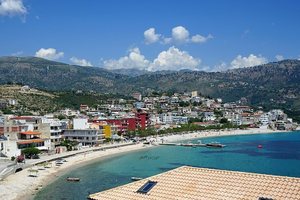
The number of active enterprises in Albania continued to g...