

Rainfall almost all over the country/ Weather for today
Today our country is expected to be affected by unstab...



The demographic transition and the change in lifestyle has transformed the Albanian family both in structure and in lifestyle.
More and more people in the working age of 25-59 are single, but men dominate, according to data from the 2023 Census.
From the 25-59 age group, there are 213,232 single men across the country. They make up 40% of men in this age group.
The number of single women in the age group under consideration is lower, at over 129 thousand. Single women make up 23% of the 25-59 age group of the female population.
As the graph below shows, the largest number of single men is in the 25-29 age group, with about 67,000 of them, making up 31% of the total singles.
In the 30-34 age group, there are over 59,000 single men or 27% of the total number of single men.
There are 41 thousand single men in the 35-39 age group and 22.6 thousand single men in the 40-44 age group. The number of singles decreases with age. There are over 6,800 single men in the 50-54 age group.
In the female population there are fewer singles than males. The largest number of single women is in the age group of 25-29 years, where there are about 59 thousand unmarried women. There are 26,600 single women in the 30-34 age group across the country, and about 26,000 of them are between the ages of 35-39. At the age of 50-54 there are 1166 single women.
As can be seen from the data, there are large differences in numbers between women and men in the same age group.
For example, from the age of 30-34 there are 45% more single men than single women. From the age of 35-39, there are 62% more single men than women with this status.
In the 40-44 age group, there are 61% more single men than women.
The demographic transition that has followed in the last three decades has created high emigration of internal movements and a decline in births. This has led to displacement of residences and different approaches to life between women and men.
More and more men turn to emigration and do not choose education and trades, while women prefer to be educated. The increase in imbalances in education prevents many men from finding a life partner, and this also applies to single women who increasingly aim to grow in their careers, putting the creation of a family in the foreground./ Monitor Magazine

Today our country is expected to be affected by unstab...

Even for today, our country will continue to be affect...
The next day, our country will continue to be affected...
October is designated as Breast Cancer Awareness Month wor...
Today, our country is expected to be affected by stable we...
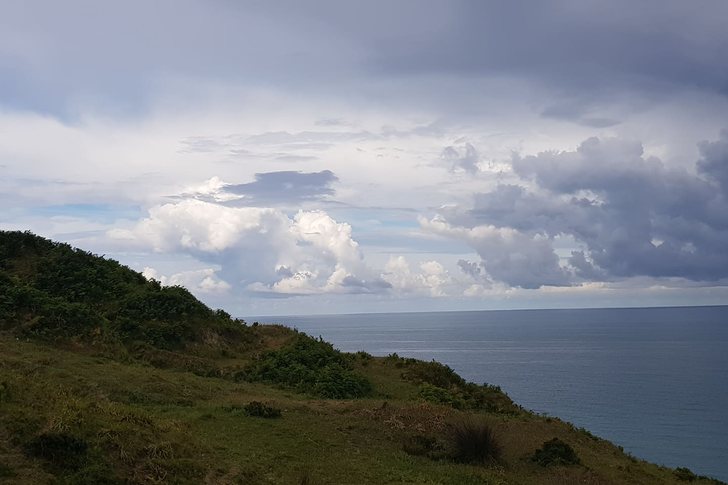
Today, our country will be affected by stable atmospheric ...
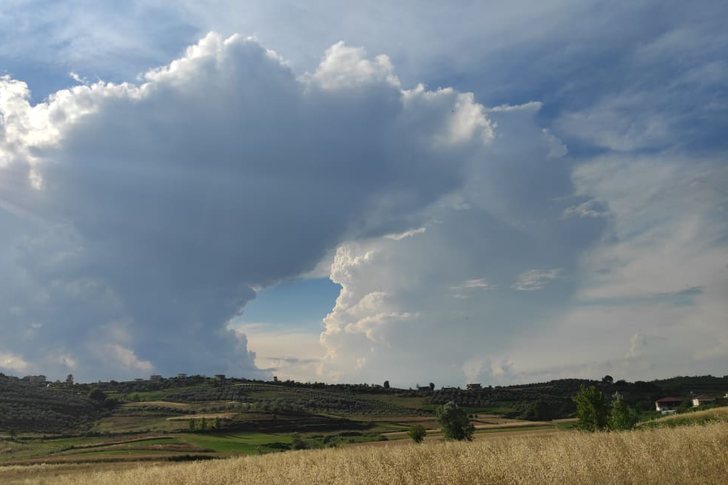
On Monday, Tuesday and Wednesday, our country will be affe...
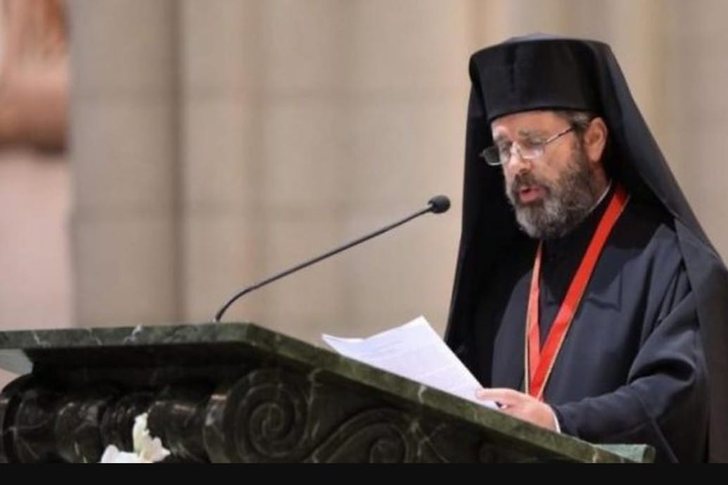
Monsignor Joan Pelushi participated in the international m...
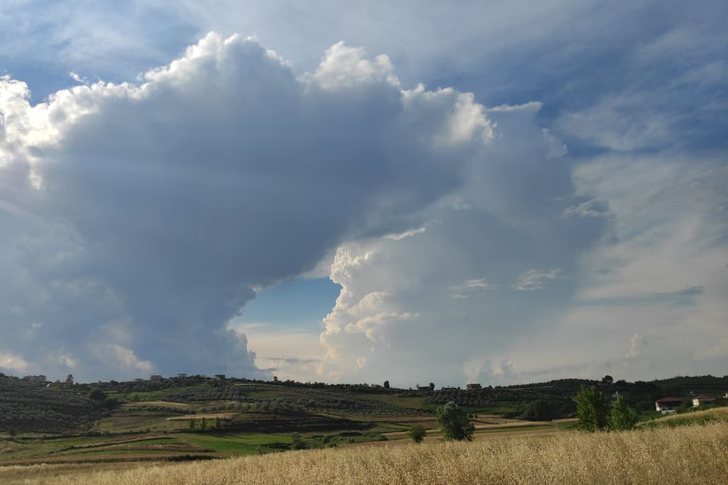
This Sunday, warm air masses will give way to a cold front...
For the weekend ahead, our country will be affected by atm...
This Friday, our country will be under the influence o...
This Thursday, our country will be affected by stable atmo...
This Wednesday, our country will be under the influence of...
This Tuesday, temperatures will move to a cold front. ...
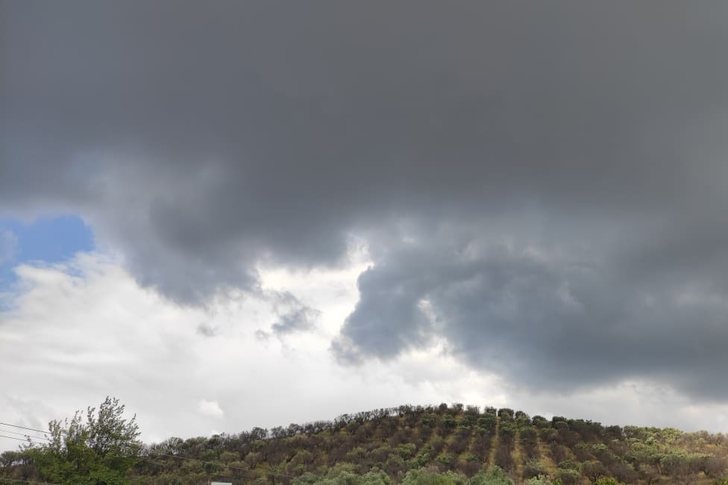
For Monday, the weather is predicted to be clear and cloud...

The passage of a cold front is expected to bring cloudy we...
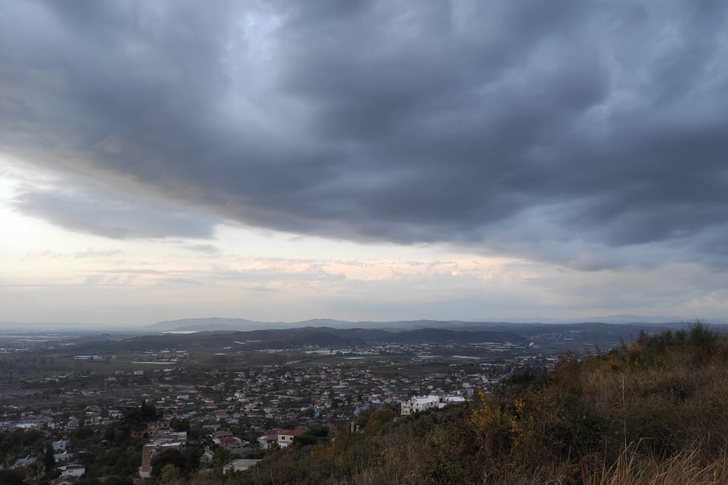
For the week ahead, our country is expected to experience ...
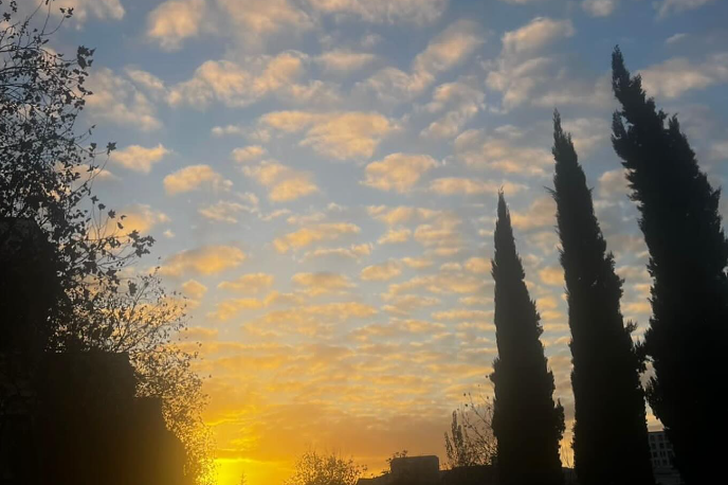
As on Saturday, this Sunday too, the weather is predic...
This Saturday, the weather is forecast to alternate ...

This weekend, our country will be affected by mostly s...

Irfan Hysenbelliu claims to be a big businessman, an hones...

The murder of officer Enea Mekolli in the line of duty has...

The next case broadcast on the show "Stop", this Thursday,...
The case published this Thursday, June 4, on the show "Sto...

The Special Board of Appeal (KPA) decided this Monday ...

The KPA vetting decided this Thursday to dismiss the p...

Suela Salavaçi, a prosecutor in the Prosecutor's Offic...

The Special Board of Appeal reinstated the prosecutor ...

A 38-year-old man was arrested today near the Kamza turnof...

A money changer in Durrës lost 60 thousand euros after bei...
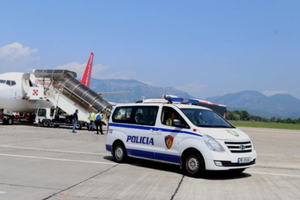
The 6 citizens captured in Dubai, members of criminal grou...
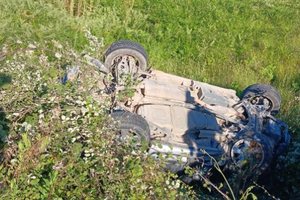
A serious accident occurred on the Kardhiq-Delvinë axis, i...
Today our country will be affected by stable weather condi...

For many children and teenagers, the long summer holidays ...
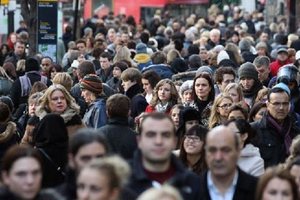
Albania is facing an unprecedented demographic transition,...

On Thursday, our country will be affected by unstable weat...
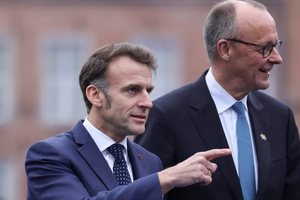
On the eve of the EU-Western Balkans summit, Germany and F...

Russian President Vladimir Putin said the war in Ukraine c...
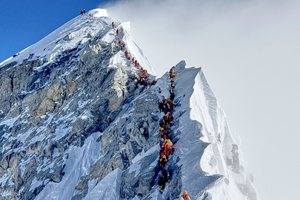
An extraordinary story of survival has been recorded in Ne...
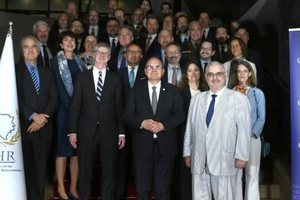
The Peace Implementation Council in Bosnia and Herzegovina...
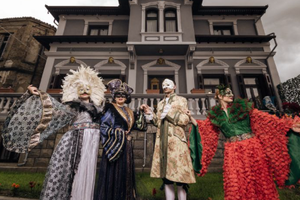
Korça is ready to open the summer season with one of the c...

Two years after his passing, the renowned Korçë poet Skënd...

The Ethnographic Museum of Berat has opened its doors to v...
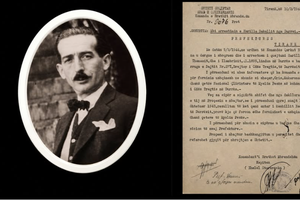
The story of Harilla Bakalli is one of the most chilling t...
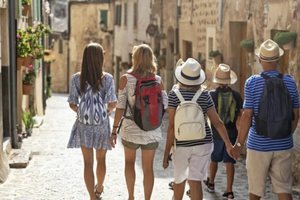
Despite years of efforts at regional cooperation and free ...

Albania is the country with the highest level of severe ma...

This Friday, one US dollar is bought for 81.3 lek and sold...
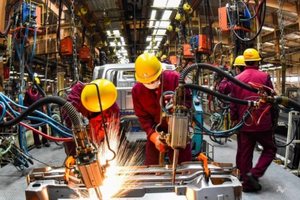
The government aims to transform the country's industrial ...