


The Supreme Court publishes candidates for members of the Supreme Court, here's when the elections will be held
The Supreme Court has announced the official candidates fo...

The Supreme Court has announced the official candidates fo...


Digitalization, as measured by the number of households with a computer, is higher in the country's large municipalities compared to smaller ones and remote areas of the country. According to detailed data from the 2023 Census, the capital leads with a higher percentage, where almost half of households (49.3%) have a computer in their home.
After Tirana comes Korça with 33.9%, followed by Saranda (30.2%), Durrës (29.2%), Shkodra (28.5%), and Shijak (27.5%), Shijak and Hasi having higher percentages.
On the other hand, in cities like Selenica only 5.8% of families have a computer, with Memaliaj (6.1%), Finiqi (7.8%), and Roskovec (8.0%) having the lowest percentages in the country, reflecting a deep digital lag.
Data shows that urban centers such as Tirana, Durrës, and Shkodra show a higher level of access to technology, also associated with higher income levels, higher education, and greater involvement in the digital economy.
While in small municipalities, less than 10% of families have a computer. This reflects the overall poor infrastructure and low incomes.
The southern and northeastern areas are the most affected, with the municipalities of Libohova, Këlcyra, Konispol and Dropull remaining below the national average. In these municipalities and other smaller ones, a large part of the active population has emigrated, leaving behind older people who do not use technology.
In many municipalities, especially those with a middle-aged and older population, there is a lack of knowledge about using technology. This creates a vicious circle: they don't use technology because they don't understand it, and they don't learn because they don't have it.
In rural areas where the economy is focused on agriculture or manual labor, many families do not see computers as necessary for daily life. In some cases, even schools do not sufficiently reinforce the importance of using technology.
In many villages and mountainous areas, high-speed internet is either lacking or very expensive. Without a stable connection, even if you have a computer, its use remains limited. Meanwhile, young families who are more predisposed to digital devices live in big cities.
Computer equipment at home is a key indicator for inclusion in online education, remote work opportunities, access to information and electronic public services. The lack of technology in the family deepens social inequalities and limits opportunities for individual and community development./ Monitor.al


On Friday, our country will be under the influence of stab...

Many farmers cannot benefit from the national schemes of t...

On Thursday, our country will be affected by stable weathe...

Europe, and especially Germany, have significantly increas...

On Wednesday, our country will be affected by relatively s...
On Tuesday, our country will be under the influence of rel...

On Monday, our country will be under the influence of unst...
On Sunday, our country will be under the influence of stab...

Today, our country will be under the influence of relative...

Today our country will be under the influence of stable we...
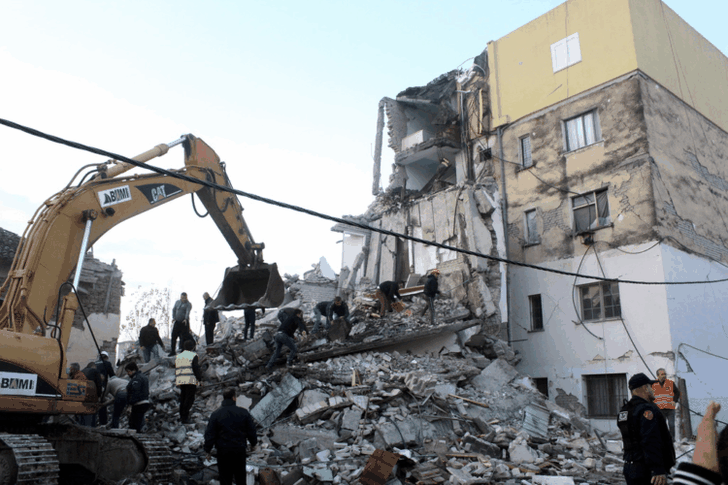
The government, at today's meeting, decided to provide 150...

The movement of Albanian and foreign citizens by air has s...

Today our country will be under the influence of unstable ...
Today, our country will be under the influence of relative...
Today our country will be under the influence of unstable ...
Today, our country will be under the influence of relative...
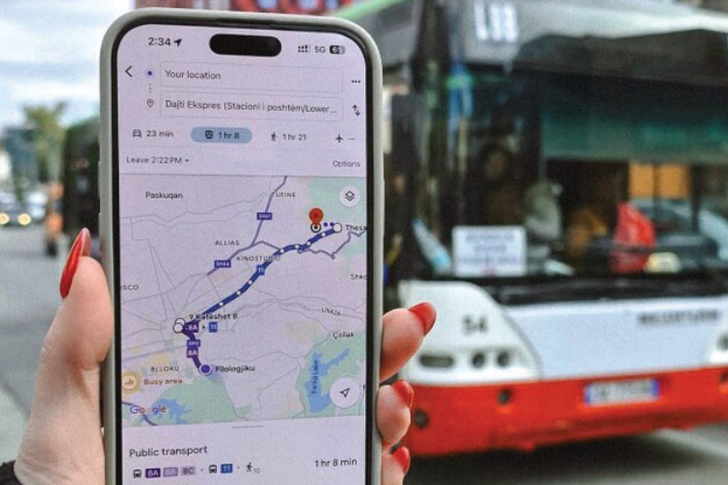
Although data on public and intercity transportation is no...
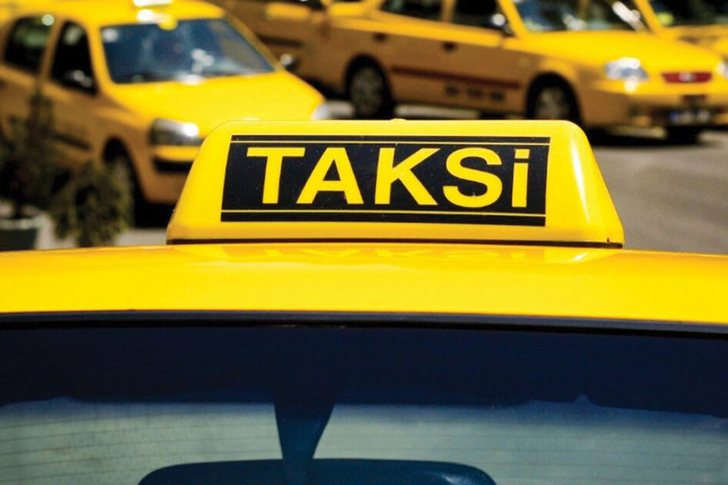
The fight for passengers, taxis gain ground on the streets...

On Saturday, our country will be under the influence of st...

On Friday, our country will be under the influence of stab...

CNA has launched another investigation that could lead to ...

Irfan Hysenbelliu is a businessman that we call "Irfan the...

In March 2026, CNA launched another investigation centered...
The arrested mayor of Tirana, Erion Veliaj, with 13 charge...

The Special Board of Appeal (KPA) decided this Monday ...

The KPA vetting decided this Thursday to dismiss the p...

Suela Salavaçi, a prosecutor in the Prosecutor's Offic...

The Special Board of Appeal reinstated the prosecutor ...
A tourist has lost her life on Orikum beach, where she was...

Two people were arrested and two others were prosecuted af...

At around 08:40, in neighborhood no. 10, Korça, a "Benz" t...
New details are being learned regarding the incident that ...

For the first time, Pogradec welcomed the Inter-Lake Chess...
Albania has achieved a record for the employment of foreig...

Today our country will be under the influence of relativel...
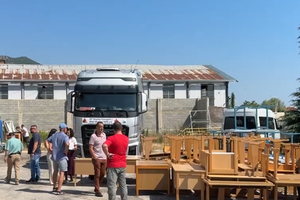
Another humanitarian aid shipment from Germany has arrived...

The United Kingdom's new Prime Minister, Andy Burnham, has...
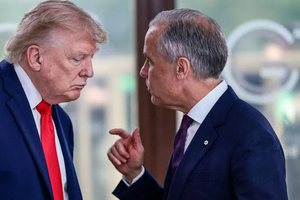
United States President Donald Trump has imposed 50% tarif...

US President Donald Trump responded with harsh rhetoric to...

US President Donald Trump said on Monday that Israeli Prim...

At a time when industrial products are increasingly taking...

Trust among people is not just a three-syllable word. It c...

Master of humor Todi Llupi has passed away at the age of 7...

The ninth edition of "MIK Festival" kicked off with one of...
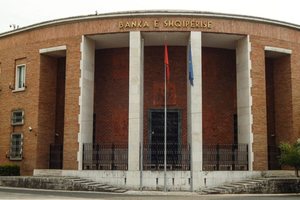
The new draft law "On the Bank of Albania" provides that t...
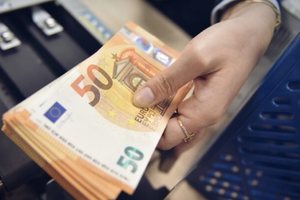
This Tuesday, one US dollar is bought for 81.2 lek and sol...
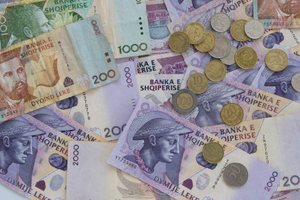
Deputy Minister of Economy and Innovation, Enkelejd Musabe...
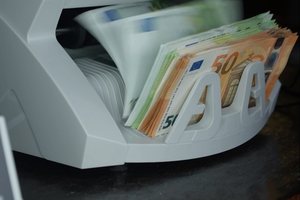
This Monday, one US dollar is bought for 81 lek and sold f...