


The last session of the parliamentary session on Thursday / On the agenda, a series of draft laws
The last plenary session of this parliamentary session wil...

The last plenary session of this parliamentary session wil...

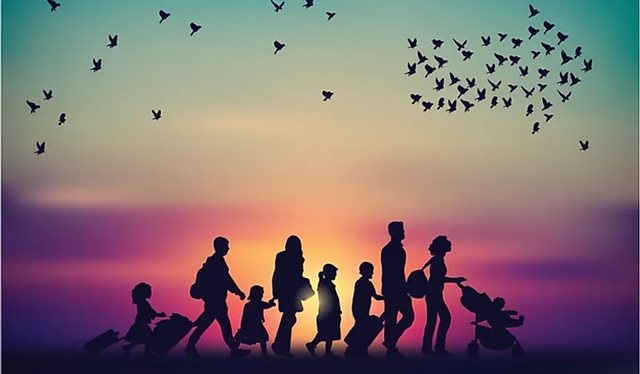
Albania led Europe in 2024 for the highest rates of negative net migration (returns minus departures) with -12.1 residents leaving the country per 1,000 residents in 2024, up from -11.7 in 2022.
Net emigration is not only not improving, but the phenomenon has become chronic and is steadily deepening (see table below).
Eurostat data shows that for every 1,000 inhabitants last year, over 12 left the country, a rate many times higher than other countries in the Region and Eastern Europe, where in most of them, by 2024, returns home were higher than departures.
In most of the European Union, there has been a decline in immigration after the exceptional year of 2022, when the war in Ukraine and the easing of pandemic restrictions brought high flows of movement, but in Albania the trend is quite the opposite. Immigration is not stopping and there seems to be no real slowdown.
The results show that in most Balkan countries, returns are higher than emigrations in 2024. In Bosnia, net emigration was 0.1% in 2024, from a negative trend in previous years. The net migration balance turned positive in North Macedonia, +0.3 in 2024 from a negative one in previous years. There is also a positive trend in Serbia, as emigrations and returns were equal in 2024, from a negative balance in the past.
According to official INSTAT data for January 1, 2025, the median age of the Albanian population increased by 0.8 years within 1 year, reaching 44.3 years, while net emigration (emigrations minus arrivals) reached around -29 thousand people. In the two years 2023 and 2024, net emigration marked -72,597 people.
From 2015 to 2020, net migration (emigration minus arrivals) was around -16 thousand people per year, 80% of them young people, while from 2020 to 2025 this indicator is on average -34.5 thousand per year. Youth migration has more than doubled after the pandemic
Monitor surveys have shown that people are not only fleeing poverty, but also a lack of hope that things can improve and they also consider the lack of quality in health and education services to be important.
More than 66% of respondents living in Albania, 568 people out of 857 in total, gave the reason for emigration as "lack of future prospects".
Also, more than half think that the second most important reason for leaving the country is “higher living standards”, in third place is “lack of adequate health care”, in fourth place is “lack of security and political stability”, while 46% of respondents had as a reason “better education for children”. Unlike countries that have created policies to attract or return the diaspora, Albania has no effective policy to retain or return its citizens. Moreover, emigration has often been seen as a silent “solution” to reduce economic and social pressure within the country.
This ongoing loss of life has had direct economic, social and demographic consequences. The labor market is shrinking, the population is aging, and rural areas are emptying. Public services, from education to health, are feeling the lack of specialists, while investments are shifting to countries with more demographic stability.
If in some countries in the region this trend is being mitigated thanks to policies of return or integration into larger markets, in Albania the lack of a clear strategy to stop or reverse the waves of emigration is only worsening the situation./ Monitor Magazine

Today, our country will be under the influence of mainly s...

Throughout Europe, especially in developing countries, peo...
Today, our country will be under the influence of stable w...

On Sunday, our country will be under the influence of stab...
Actor Liam Neeson "made Albania known" by following Marko ...

Today our country will be under the influence of stable we...
Today our country will be under the influence of stable we...
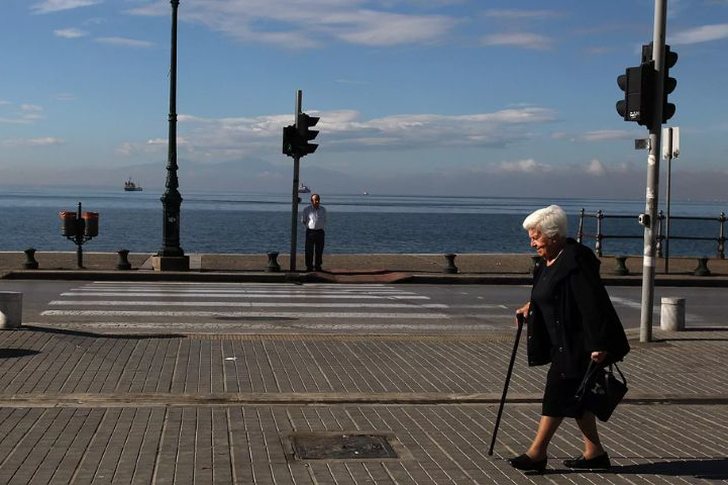
Demographic trends are worsening year by year, with a shar...
Today our country will be under the influence of stable we...

The difficulties in employing young people with higher edu...
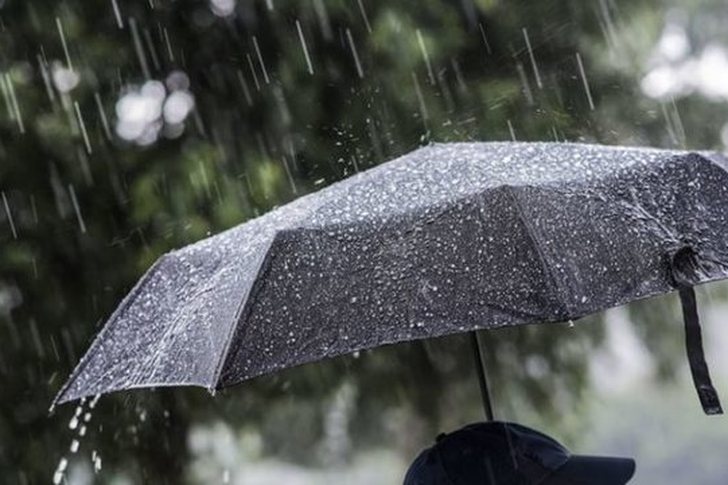
On Wednesday, our country will be under the influence of u...
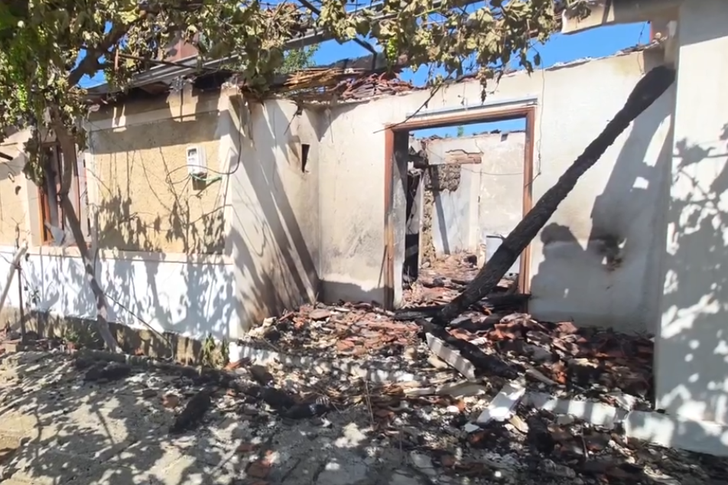
A family of 5 in Trebinje, Pogradec, was left homeless aft...
Today, our country will be under the influence of relative...

The traders of Zdrale in Shkodra have reacted by not agree...
Today our country will be under the influence of stable we...
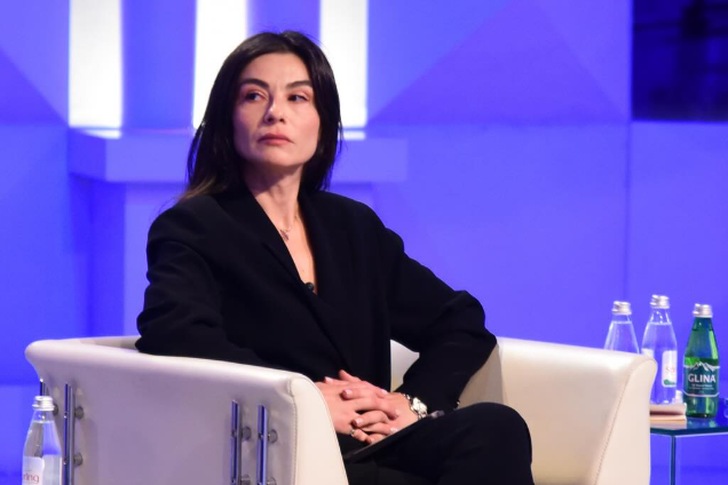
Activist Zhaklin Lekatari has screamed that Vip Magazine h...

Ilir Gëdeshi and Russell King have been engaged in demogra...
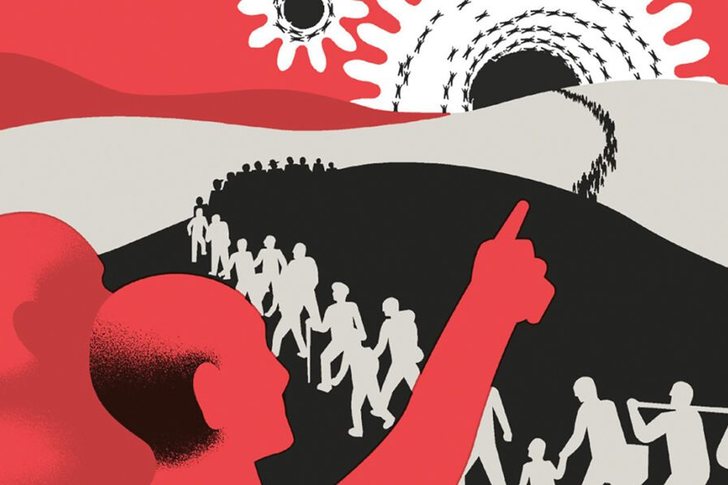
Data on the working-age population (15–64 years old) in Al...

Albania is entering a rapid cycle of depopulation. While t...
Today our country will be under the influence of stable we...

CNA has launched another investigation that could lead to ...

Irfan Hysenbelliu is a businessman that we call "Irfan the...
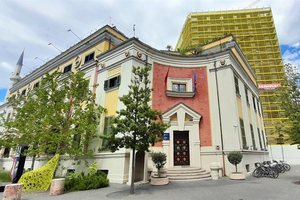
In March 2026, CNA launched another investigation centered...
The arrested mayor of Tirana, Erion Veliaj, with 13 charge...

The Special Board of Appeal (KPA) decided this Monday ...

The KPA vetting decided this Thursday to dismiss the p...

Suela Salavaçi, a prosecutor in the Prosecutor's Offic...

The Special Board of Appeal reinstated the prosecutor ...
A serious incident occurred this Tuesday in the Yrshek are...

An accident occurred this Tuesday on "Dituria" street in K...
A tourist has lost her life on Orikum beach, where she was...

Two people were arrested and two others were prosecuted af...
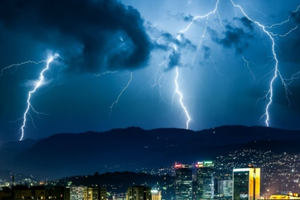
All of Southern Europe will face changing weather conditio...
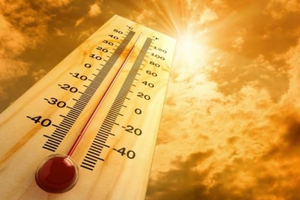
Albania was hit by temperatures significantly higher than ...

For the first time, Pogradec welcomed the Inter-Lake Chess...
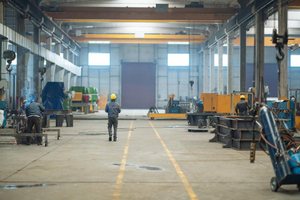
Albania has achieved a record for the employment of foreig...

An operation led by Europol, through authorities in severa...

US President Donald Trump hosted the Lebanese president at...
The European Union has criticized the decision of the acti...
An earthquake measuring 5.0 on the Richter scale struck so...
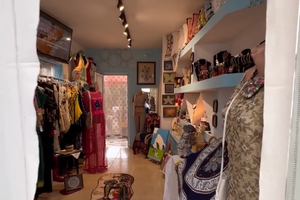
At a time when industrial products are increasingly taking...

Trust among people is not just a three-syllable word. It c...

Master of humor Todi Llupi has passed away at the age of 7...

The ninth edition of "MIK Festival" kicked off with one of...
The Centralized Purchasing Operator recently opened a tend...
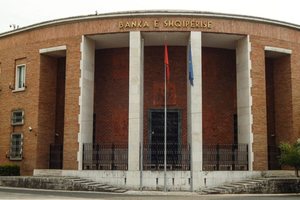
The new draft law "On the Bank of Albania" provides that t...

This Tuesday, one US dollar is bought for 81.2 lek and sol...
Deputy Minister of Economy and Innovation, Enkelejd Musabe...