


Temperatures up to 35 degrees/ Today's weather
Today our country will be under the influence of stable we...


Actor Liam Neeson "made Albania known" by following Marko from Tropoxha (Tropoja).
The film "Taken," where Neeson plays the lead role, and series like "Blacklist" or "Bones" have included sequences where Albanians are depicted as kidnappers, traffickers, or terrorists.
For decades, Albania has struggled with the image of a dangerous country, associated with crime, unrest and instability. Even the Albanian government itself used the slogan “takenbyalbania” in an advertisement, “inviting” actor Neeson to visit an Albania different from the one depicted in the film.
It took the land of eagles to be "discovered" by tourists for this image to change completely. It was foreigners themselves who found a different Albania, one that was developing rapidly, with natural and cultural diversity, cheap prices, tradition, and friendly people.
Albania is slowly losing the stigma of being a dangerous country, plagued by organized crime, and tourists are actually the ones who are changing the country's image, making it go viral for good on social media.
The country is even ranked as one of the top five places to travel solely by specialized travel platforms.
However, recent developments show that this image is still fragile – and can be easily damaged.
The latest footage from Thethi – one of Albania's natural gems and an increasingly popular destination – showed a completely different scene: physical clashes between police and residents, weapons drawn in the middle of the tourist season, a show of force that instilled fear and uncertainty among foreign and domestic tourists.
This was no longer a movie scene, but a disturbing reality that could set back years of efforts to improve the country's image.
Of course, the state has the right to fight illegal construction and illegality, not only in Theth but in every corner of the country, but the intervention in Theth highlighted two main issues:
1. Lack of institutional responsibility – the action exposed the state institutions themselves, which intentionally (before the elections) or unintentionally (through incompetence) had allowed illegal construction to take place everywhere. Illegal construction has been tolerated for years, often during election periods or due to the lack of regulatory plans.
2. The intervention method damages the image – high-profile actions at the peak of the season create uncertainty and harm even those who operate legally.
Albania is not having an easy tourist season even without these episodes. Problems such as water supply, sea pollution from sewage, waste management, garbage incineration, road infrastructure, or heavy traffic have created a stressful environment for tourism operators and vacationers.
The American Chamber of Commerce, in a direct statement, warned of the negative impact that these problems are having on the quality of life and the functioning of accommodation structures.
The boom in the tourism sector came to Albania at a critical moment, cushioning the consequences of the population's decline in consumption and boosting a number of economic sectors.
The high interest caught the government somewhat unprepared, without a clear development policy model, and this is evident in the way the sector is being managed.
In some areas, development was left to chance, such as in the north, where residents built because they could neither solve the ownership problem nor obtain permits in the absence of development plans.
In some areas, such as the south, hills are being concreted with strategic permits. In others, natural areas are being stripped of their protection.
Tourism is not developed through police actions or seasonal “campaigns.” It requires long-term strategies, integrated planning, institutional cooperation, and respect for the local community. Where the state is absent, chaos arises. And where chaos becomes the norm, tourists leave.
If Albania is to continue to move forward as a sustainable and competitive destination, it must understand that tourism development is not a matter of strength, but a matter of vision.
Without a national plan for the development of tourist areas, without legal regulations for ownership, without construction standards, without functional infrastructure and public services, the country risks this "tourist adventurism" ending in an unhappy story - not only for tourists, but for the entire economy.
Tourism, like the economy as a whole, is not built with actions, but with functional institutions, with sustainable policies and clear development plans. Otherwise, Albania's "new image" will be as dangerous as in the movies - only this time, real./ Monitor Magazine

Today our country will be under the influence of stable we...
Today our country will be under the influence of stable we...
Demographic trends are worsening year by year, with a shar...
Today our country will be under the influence of stable we...
The difficulties in employing young people with higher edu...
On Wednesday, our country will be under the influence of u...
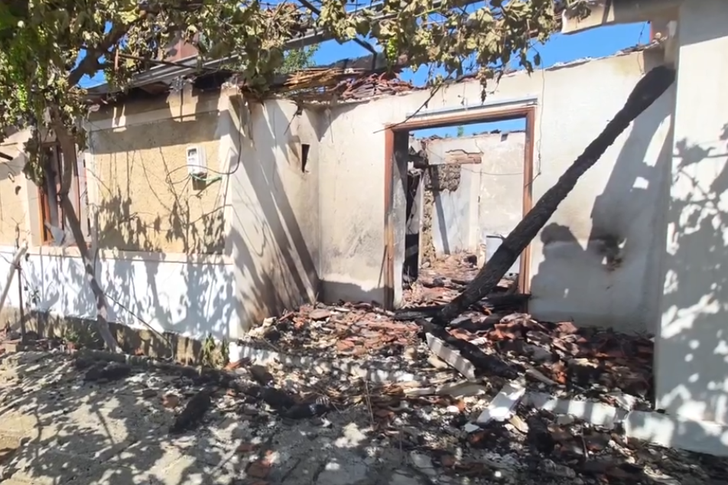
A family of 5 in Trebinje, Pogradec, was left homeless aft...
Today, our country will be under the influence of relative...
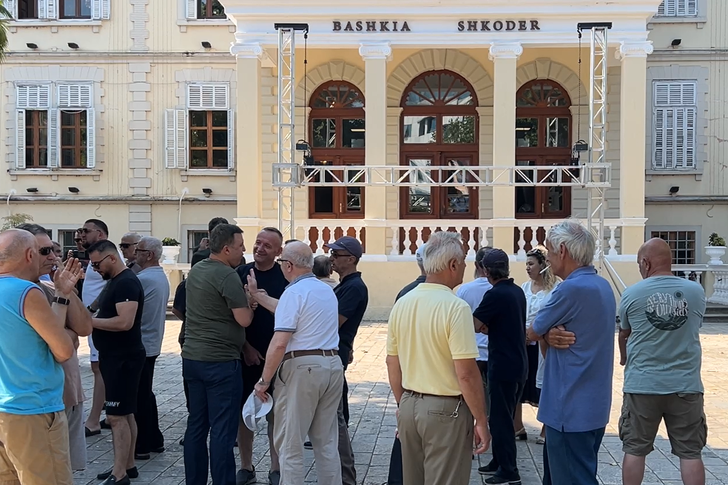
The traders of Zdrale in Shkodra have reacted by not agree...
Today our country will be under the influence of stable we...
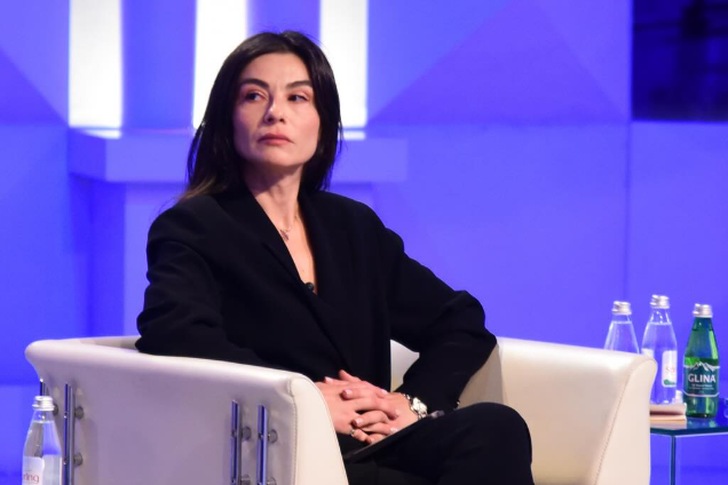
Activist Zhaklin Lekatari has screamed that Vip Magazine h...
Ilir Gëdeshi and Russell King have been engaged in demogra...
Data on the working-age population (15–64 years old) in Al...
Albania is entering a rapid cycle of depopulation. While t...
Today our country will be under the influence of stable we...
Today our country will be under the influence of stable we...
Today our country will be under the influence of stable we...
Today our country will be under the influence of stable we...
An unusual situation has come from the village of Cernalev...
Today our country will be under the influence of stable we...

CNA has launched another investigation that could lead to ...

Irfan Hysenbelliu is a businessman that we call "Irfan the...

In March 2026, CNA launched another investigation centered...
The arrested mayor of Tirana, Erion Veliaj, with 13 charge...

The Special Board of Appeal (KPA) decided this Monday ...

The KPA vetting decided this Thursday to dismiss the p...

Suela Salavaçi, a prosecutor in the Prosecutor's Offic...

The Special Board of Appeal reinstated the prosecutor ...
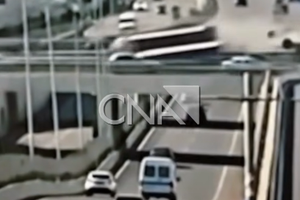
Footage emerges from the serious accident that occurred th...
A Shkodra traffic police officer was hit with hard objects...
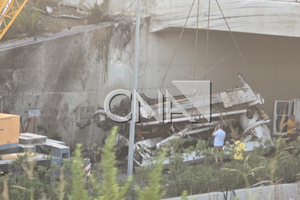
This Wednesday, around 4:00 PM, a serious accident occurre...
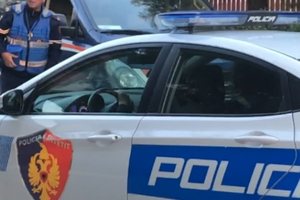
Tirana Police have shared details regarding the accident t...
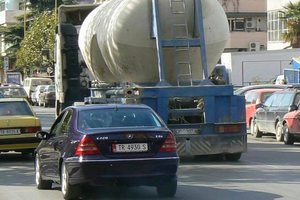
A serious accident that occurred this Wednesday with the c...

The Institute of Geosciences has shared a forecast for wea...
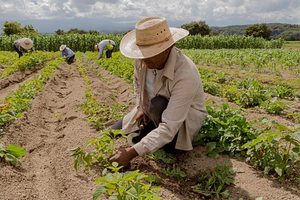
Rising energy and fertilizer prices are expected to contin...
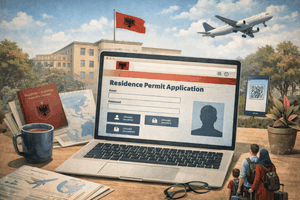
Over 18,000 foreign citizens from 140 countries have appli...
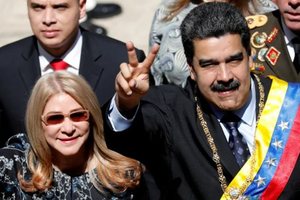
The trial of ousted Venezuelan President Nicolas Maduro on...
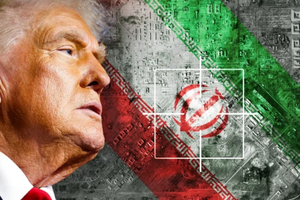
US President Donald Trump has issued another warning to Ir...
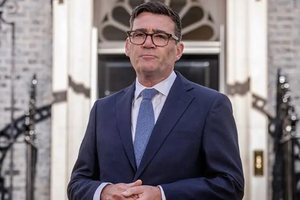
Prime Minister Andy Burnham has announced that most bus fa...
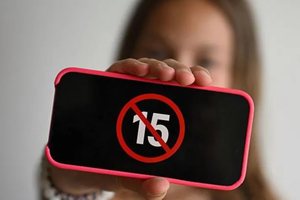
France's parliament has passed a law to ban social media f...

At a time when industrial products are increasingly taking...

Trust among people is not just a three-syllable word. It c...
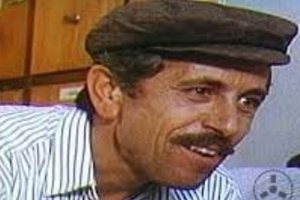
Master of humor Todi Llupi has passed away at the age of 7...
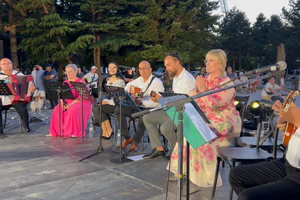
The ninth edition of "MIK Festival" kicked off with one of...
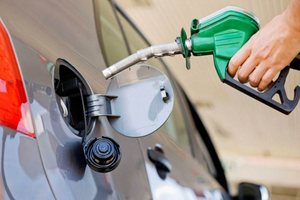
The price of diesel reached 206 lek per liter from 198 lek...
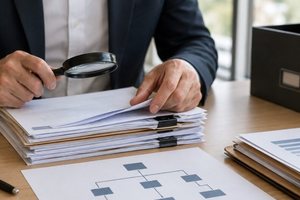
Businesses will no longer be required to simply register t...

Despite economic growth and income in recent years, Albani...
This Wednesday, one US dollar is bought for 81.4 lek and s...