

Temperatures drop/ Weather for today
Today our country will be affected by stable weather condi...


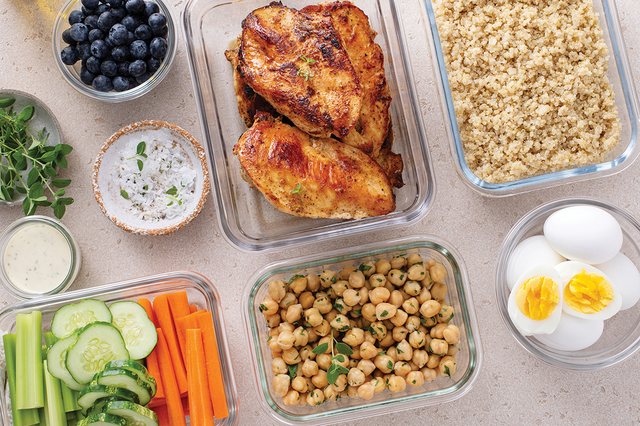
The new food trend is clear: consumers are abandoning low-calorie diets for protein-rich foods. From baked chickpeas to kefir and animal protein, the global and Albanian food market is adapting to a new “hunger” coming from gyms, social media and the desire for a stronger body. This trend, driven by influencers, advertising and increased health awareness, is turning into a golden opportunity for food manufacturers and marketers, who are developing new products to satisfy protein-hungry consumers. A food obsession that is turning into a profitable business?
At a time when food patterns are increasingly influenced by influencers and social trends, the demand for protein-rich foods has reached unprecedented levels, increasing the profits of food businesses, including in Albania.
"High-protein" foods have replaced "low-calorie" foods as a new trend dominating supermarket shelves. In the fast food sections, except for chips, you can now find all protein-rich products.
In Albania, the trend is also evident. Dairy sections are filled with products such as kefir, known for its high protein content.
Furthermore, high-protein diets are gaining more and more popularity on social media, where nutrition and fitness influencers advise the use of these products.
A strong, muscular body has received a lot of attention, replacing a skinny appearance, another aspect that has driven the demand for protein-rich foods.
A market analysis in Albania shows that more and more individuals are looking for ways to increase their protein intake.
Online searches for "high protein diet" have reached record highs, and the same trend has been reflected in the increase in sales of protein-rich products in supermarkets and online stores.
How is this desire explained?
A large part of it comes from the growing awareness of the health benefits of protein consumption, but also influenced by an "obsession" with new trends, which is taking on the proportions of a broad cultural phenomenon.
The desire for protein is not just a passing trend, but a lasting transformation in consumers' eating habits and lifestyles.
Several other factors are also involved in this rapid change: increased interest in health and wellness, increased knowledge of the role of protein in helping to strengthen muscles and manage weight, and a changing perception of the beautiful body.
The trend has created a huge opportunity for food brands, which are capitalizing on this demand with new and innovative products, offering consumers the opportunity to have a protein-rich diet that is also convenient and easy to consume.
"The growing interest in high-protein products is a global trend that is also being reflected in Albania," says Diola Dosti, a renowned nutritionist.
"But the 'high protein' label doesn't always mean it's a healthy product. Many of these products contain hidden sugars, added fats, or artificial ingredients."
According to her, consumers should be careful and carefully read the nutritional composition before deciding what to include in their daily diet.
"There are a lot of misconceptions, people think that if a yogurt or a cookie has protein, it is automatically healthy. But in fact, the benefits depend on the quality and source of the protein, not just the quantity."
Ms. Dosti emphasizes that the human body needs protein, but in balanced amounts and obtained from as natural sources as possible.
"Chicken breast, eggs, fish, legumes, nuts, and milk are much better and safer sources of protein, compared to processed products that are simply advertised as 'fit' or 'protein snacks'," she explains.
She also says that "it is not necessary to consume a 'protein bar' product if you have eaten a full meal, with meat, vegetables, and some whole grains."
"The body gets what it needs from regular food, there's no need to bombard yourself with protein from every meal or snack."
Further, Diola Dosti emphasizes the importance of nutritional education to avoid wrong decisions related to trends. “There is an illusion that is being created, the more protein you consume, the better for your body.
"But the truth is that any nutrient, when taken indiscriminately, has consequences. Excess protein, especially from supplements or ultra-processed products, can burden the kidneys and digestive system."
She warns that many people associate protein consumption with weight loss, but in reality, it's not that simple. "Weight loss requires an integrated approach such as physical activity, calorie deficit, and quality nutrition.
"It's not a protein cookie that will help you lose weight if the rest of your lifestyle doesn't support that goal."
According to her, it is important to differentiate between products created for individuals who engage in intense physical activity and those with a sedentary lifestyle.
"You can't equate the nutritional needs of someone who trains every day with those of someone who spends most of their day sitting in an office. And yet, both can consume the same 'protein snack' product, thinking they're making a healthy choice."
Ms. Dosti calls for more awareness. “We don't need to blindly follow every trend that comes from outside. Health is built with sustainable and conscious choices, not with impulses that rely on advertising or food 'influencers'.”
Finally, the nutritionist emphasizes that the higher cost of protein foods such as meat, eggs, etc., pushes people to turn to more economical solutions such as 'protein powder' or similar.
The cost
The daily cost for a person following a protein-oriented diet in Albania depends on several factors: the quality of the products chosen (organic, supermarket, local), the quantity consumed, and whether they cook themselves or use ready-made services. The daily total (on average, if they cook themselves) is calculated at around 1,200 lekë. If they use a catering service that offers 3 prepared meals + protein-based snacks, daily subscriptions usually range from 1,500–2,500 lekë/day depending on the composition, number of meals, and quality of ingredients.
Physical activity changes eating habits
In Albania, a particular impetus has come from the growing popularity of physical activities and fitness trends. Many people are spending more time in the gym and engaging in high-protein diets as a means of achieving better body shapes.
This trend has also influenced the way the food industry views the Albanian market.
Companies are creating new protein-rich products to meet the demand of consumers who are looking for healthier and faster options to consume protein.
There is also an increase in protein consumption as part of controlled diets for weight loss and managing glucose levels in the body.
"It's true that physical activity has gained popularity and with it, the need for nutrition that supports it. But what worries me is the misunderstanding of how much and what kind of protein is necessary for a person who trains."
"It's not just a matter of quantity - it's a matter of quality and adaptation to lifestyle," emphasizes Dr. Matina Çobo, clinical dietitian.
She notes that food companies are increasingly active in offering "protein-rich" products, but that doesn't always mean they are healthy.
"Processed products, even when they contain protein, often have high amounts of salt, unhealthy fats, or artificial ingredients. The consumer needs to read labels and understand that 'protein' is not synonymous with 'healthy'."
According to her, another reason why people are turning to protein is the increased awareness of managing chronic diseases.
"It is true that diets with moderate protein content can help control glucose or maintain a stable weight. But everything should be done with medical guidance, not from 'Google' or social networks."
Ms. Çobo adds that the role of the doctor remains essential in determining individual protein needs, especially for those with metabolic problems or kidney disease. “When we talk about proteins, we must remember that they are not the same for everyone. What may be a help for one, may be a burden for another.”
Another important aspect of this shift in food trends is the influence of social media. The networks have become a space where the body is no longer just an aesthetic element, but also a way to express lifestyle, personal control and success.
According to sociologist Marsi Simo, "social networks have created a silent aesthetic and functional pressure on the body. They dictate not only how you should look, but also what you should eat to look 'right'."
In this context, fitness and nutrition influencers have become influential figures, not only promoting certain recipes or products, but also shaping consumption habits.
“Through influencers, the high-protein diet has transformed from a health choice into a symbol of modern culture, associated with personal success and self-care,” notes Ms. Simo.
She adds that "we have moved from the 'thin body' model that dominated the 2000s, to that of the 'functional body', where muscles and energy represent status and control over oneself."
The impact of this cultural transformation is also visible in the behavior of Albanian consumers. They are more aware, more interested in information, and more willing to follow global trends, especially when these are conveyed by figures followed on social networks.
"Social media is shifting authority from traditional doctors and dietitians to the influencer figure, creating a new food market that relies on trust and following, not always on science," the sociology emphasizes.
Ultimately, Ms. Simo highlights that this hunger for protein "is not just biological – it's also social. It's a form of belonging and following the successful model that is dictated online."
This best explains why the demand for protein-rich products has increased significantly and is expected to remain a trend that will continue to lead the food market."
While the Albanian food market is increasingly following global models, one of the biggest changes is the shift in the consumer's relationship with food: from a relationship built on tradition, taste, and cultural affiliation, towards a functional approach, oriented towards a healthy body and personal well-being.
In this new reality, cheese bread is no longer just a quick meal; if it doesn't have the right protein, it probably won't live up to expectations.
"A new generation of consumers is being created who do not eat to fill their stomachs, but to meet a certain physical or emotional standard," says sociologist Marsi Simo.
This trend has the potential to change not only the way we consume, but also the way we produce and trade.
TRENDS
While the Albanian food market is increasingly following global models, one of the biggest changes is the shift in the consumer’s relationship with food: from a relationship built on tradition, taste and cultural belonging, towards a functional approach, oriented towards body performance and personal well-being. In this new reality, bread with cheese is no longer just a quick meal; if it doesn’t have the right proteins, it probably doesn’t meet expectations.
How is the market reflecting it?
The growing demand for protein-rich foods has not gone unnoticed by local manufacturers and retailers. Several Albanian brands have begun adapting their production lines to offer products that respond to this new trend.
From yogurt with added protein to meat- or legume-based snacks, there is an effort to be competitive not only in price, but also in nutritional content.
On Albanian supermarket shelves, labels that were once only used on Western imports are becoming increasingly common: "high-protein", "low-carb", "keto-friendly" or "no added sugar".
These labels are no longer just an information tool, but part of brand positioning strategies, a clear indication that food is no longer sold solely for taste or price, but for the way it fits the consumer's identity and lifestyle.
Meanwhile, online sales platforms and large supermarket chains have begun to invest in personalized algorithms and categories to prioritize products that match these new demands.
The search for protein-rich products is now a category in itself, while customers following specific diets receive personalized recommendations, transforming the shopping experience into a more conscious and informed process.
Increased awareness has also impacted the food service industry.
Restaurants, especially urban ones frequented by young people, have begun to include foods on their menus that emphasize protein content, from bowls with white meat and whole grains, to vegetarian alternatives based on lentils, tofu or chickpeas.
However, for local producers, this transformation does not come without challenges. Adapting to international labeling and certification standards is a process that requires investment in technology, improved transparency, and more accurate communication with the consumer.
Without these elements, even the highest quality products can lose ground in a market that is increasingly driven by visual impact, social media, and influencer endorsement.
This makes the "protein hunger" not simply a matter of personal choice, but an economic dynamic that is reshaping the food market and the way companies build their product, communication, and image.
"The business of hunger"
The "business of hunger" is no longer simply one that provides food, but one that understands the new desires: physical, aesthetic, and emotional, of the modern consumer.
Prices
Protein Bar – 250 lek
Kefir – 240 lek
Chicken: fillet 550 lek/kg; chicken 460 lek/kg
Eggs: 35 lek per egg on average
Monthly subscription with protein-based food: 18 thousand lek / 1 meal and 1 snack
Protein Powder – 5000 lekë average/Monitor

Today our country will be affected by stable weather condi...

Today our country will be affected by relatively unstable ...

A serious event occurred this Friday in Volos, Greece, in ...
Today our country will be affected by unstable weather con...
Today our country will be affected by relatively unstable ...
Given the difficult economic situation in the five municip...

Personat në pension janë duke u angazhuar gjithnjë e më sh...
Today our country will be affected by stable weather condi...
Today, our country will be under the influence of relative...

The number of doctoral degrees has been rapidly shrinking ...
Prices of coffee, rent and flooring have increased by 5.4 ...
Today our country will be under the influence of unstable ...

On Sunday, our country will be under the influence of main...
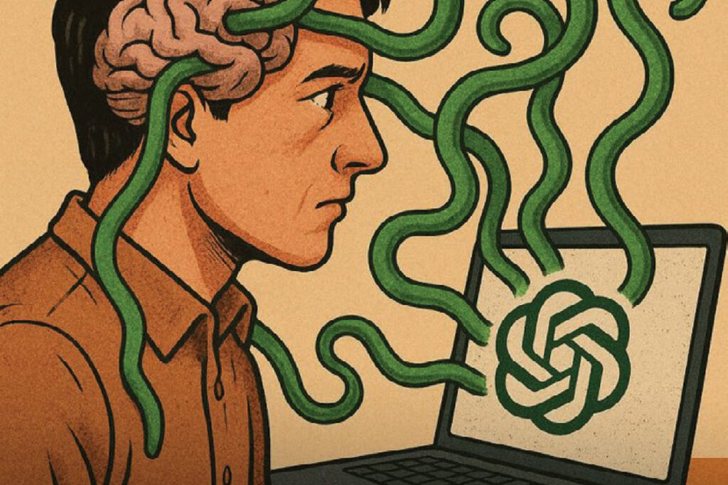
If the 20th century consumer was shaped by advertising, th...
Today, our country will be under the influence of relative...
A heartfelt message has been expressed by the school of th...
Today, our country will be under the influence of relative...

The number of births in Albania has suffered a significant...
Today, our country will be under the influence of relative...

Some administrative units and small municipalities will ri...

CNA has launched another investigation that could lead to ...

Irfan Hysenbelliu is a businessman that we call "Irfan the...

In March 2026, CNA launched another investigation centered...
The arrested mayor of Tirana, Erion Veliaj, with 13 charge...

The Special Board of Appeal (KPA) decided this Monday ...

The KPA vetting decided this Thursday to dismiss the p...

Suela Salavaçi, a prosecutor in the Prosecutor's Offic...

The Special Board of Appeal reinstated the prosecutor ...

A road accident occurred this evening on Nikolla Zoraqi St...

Three people were shot and wounded in Elbasan last night b...

A serious incident occurred this Tuesday in the Yrshek are...

An accident occurred this Tuesday on "Dituria" street in K...

All of Southern Europe will face changing weather conditio...
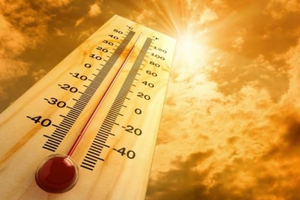
Albania was hit by temperatures significantly higher than ...

For the first time, Pogradec welcomed the Inter-Lake Chess...
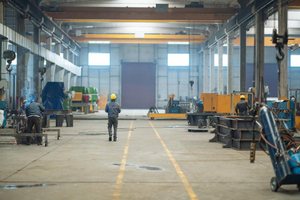
Albania has achieved a record for the employment of foreig...

US Secretary of State Marco Rubio arrived in Manila on Jul...

In the space of a few days, Ukrainian President Volodymyr ...

The spokesman for the Iranian Foreign Ministry warned Bulg...
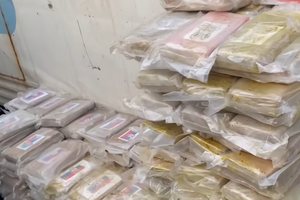
Autoritetet italiane sekuestruan pako me afër 800 kilogram...

At a time when industrial products are increasingly taking...

Trust among people is not just a three-syllable word. It c...

Master of humor Todi Llupi has passed away at the age of 7...

The ninth edition of "MIK Festival" kicked off with one of...

Construction company licenses will have a validity period ...
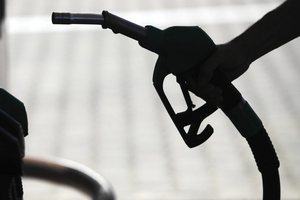
The Centralized Purchasing Operator recently opened a tend...
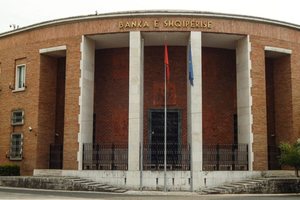
The new draft law "On the Bank of Albania" provides that t...
This Tuesday, one US dollar is bought for 81.2 lek and sol...