

Cloudy and rainy/ Today's weather
The weather is expected to be unstable today with clouds a...


World Autism Day aims to raise awareness about autism spectrum disorders and improve the lives of those living with autism. It is estimated that 1% of the global population is autistic.
The resolution for World Autism Awareness Day includes: (1) establishing April 2 as World Autism Awareness Day, (2) participation by UN member states, (3) raising awareness of autism at all levels of society, (4) dissemination of this message to all other UN bodies.
World Autism Awareness Day was established by the United Nations General Assembly, with resolution "62/139" in 2007, more as an effort to end discrimination against people with autism.
This day is set for April 2 and is included in the United Nations Sustainable Development Agenda, which promises to leave no one behind.
Autism is a developmental disorder characterized by impairments in social interaction and communication, as well as restricted and repetitive behaviors. These signs often begin before the child is three years old .
Although many autistic children cannot live independently as adults, many of them do so successfully. A culture has now developed that aims to see autism as a difference rather than a disorder.
The United Nations has launched the Decade of Action to achieve the Sustainable Development Goals.
"Understanding the rights of persons with disabilities is a matter of justice, as much as an investment in our shared future," said the UN Secretary-General.
"It is very important for the Sustainable Development Agenda and to leave no one behind"
The Decade of Action aims to mobilize everyone - governments, civil society, business and individuals - in an effort to drive solutions to the world's biggest challenges. The goal is to mobilize leaders and shed light on the most feasible solutions.
This world day aims to draw attention to the need for innovative programs designed to support young people with autism in their transition to adulthood and to be full participants in ASD, as agents of change but also as beneficiaries.
Autism is a complex disorder that affects multiple areas of development including social interaction, verbal and nonverbal communication, imagination, behaviors, and interests. Symptoms of this disorder appear early in life, sometimes in infancy, but generally before the age of three.
Many studies have attempted to answer this question. In a few cases, autism is a sign of a genetic problem, such as Fragile X, but in many cases the cause is unknown. Currently, autism is thought to be caused by a combination of genes and environmental factors. There is still no evidence that autism is caused by anything that parents do or do not do before or during pregnancy, or while caring for their child.
A diagnosis of autism is based on a child's behaviors. Currently, there is no medical test (for example, blood tests, x-rays, etc.) that can help diagnose autism. Doctors may recommend genetic testing to find a genetic cause, and may also recommend other tests or studies to help determine other health conditions that may be present.
When professionals determine that a child has autism or related diagnoses, problems are assessed in three areas: social interaction, communication, and unusual behaviors/interests.
Social interaction : Children with autism often have difficulty forming and maintaining social relationships. Compared with typically developing children, those diagnosed with autism may have more difficulty making and maintaining eye contact, responding when their name is called, playing games such as hide-and-seek, or engaging other children in play. They may enjoy being with their parents or engaging in active play, but they may show less interest and responsiveness than other typically developing children.
Communication : Children with autism are generally slower to use simple words or phrases that are normal for their age. They are also less likely to use common gestures such as asking for something or directing someone's attention to a sight or sound. Some children may have language development at the appropriate time, but may show regression or loss of communication skills around 18-24 months of age. This loss of skills may include decreased social interests, as well as the loss of words or phrases they previously used. Children who have language development may exhibit unusual speech patterns, such as repeating or echoing phrases they hear from others or on television. They may ask for things they want but have great difficulty holding a simple conversation.
Behaviors and interests : Children with autism generally exhibit a more limited range of play than their peers, and exhibit more repetitive behaviors; for example, they may focus more on lining up objects than on feeding a doll or teddy bear. They may also be interested in certain objects or insist on following certain routines, or they may repeat specific movements such as clapping, throwing, or rocking back and forth.
Time : In addition to showing developmental differences in the three areas above, children with autism exhibit these patterns before the age of three.

The weather is expected to be unstable today with clouds a...

On the occasion of April 2, World Autism Awareness Day, th...
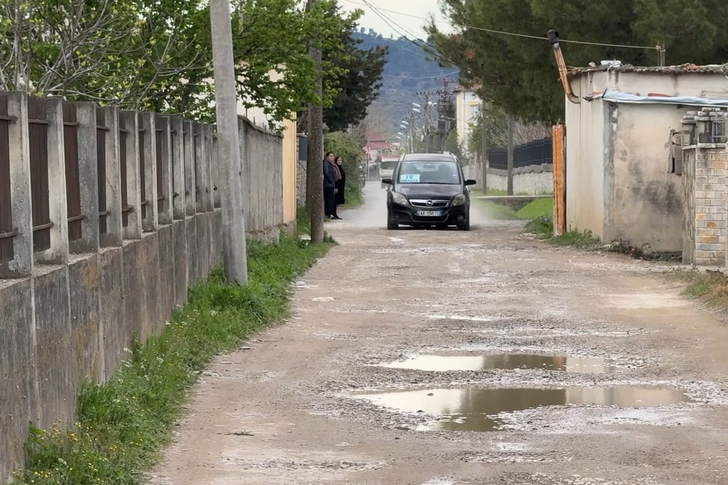
Some residents of the village of Hot i Ri in the Rrethina ...

The pace of immigration has accelerated significantly in r...

The weather for today will be unstable with clear skies an...

The weather for today is forecast to be unstable, with cle...
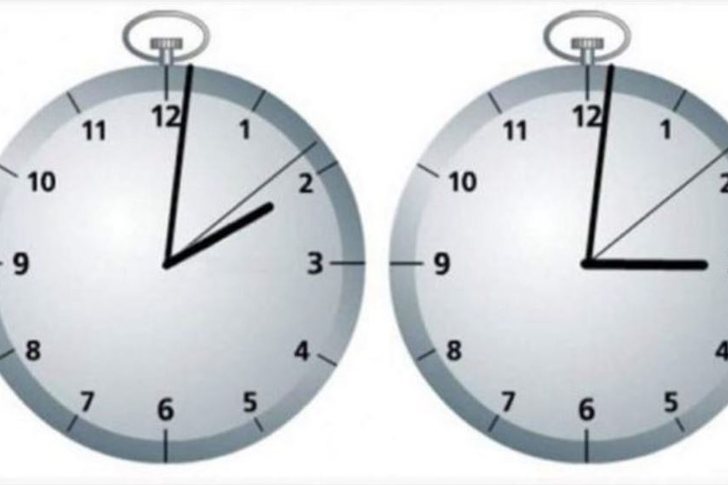
On the night between Saturday and Sunday, the clocks went fo...
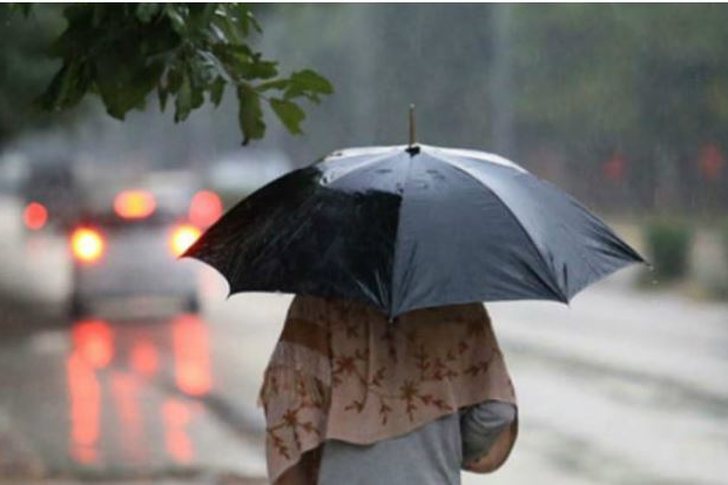
The weather will continue to gradually warm up during the ...
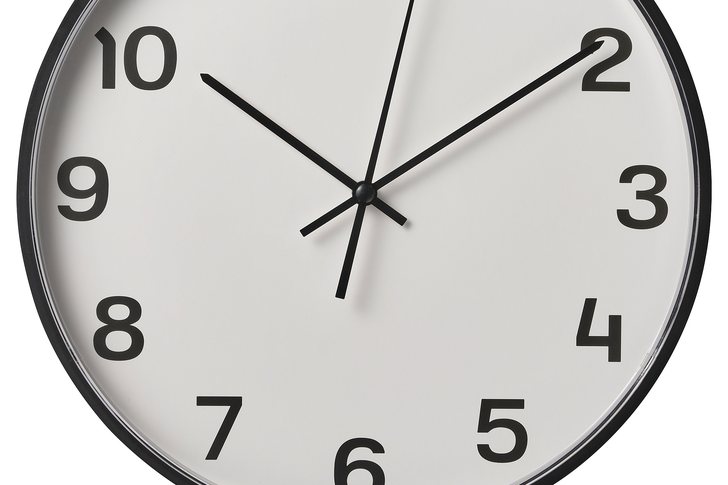
Tomorrow, March 30, Daylight Saving Time will return. Cloc...
Unstable weather is expected today with clouds and rain. ...
Today's weather is expected to be unstable. The wind will ...

Thursday will have unstable weather, mainly with heavy rai...
Wednesday will be characterized by unstable weather. The ...

Albania has set another negative demographic record. Accor...

Tuesday will be characterized by unstable weather. Temper...

People with secondary education usually have a trade or ar...
Monday will be characterized by unstable weather, mainly w...
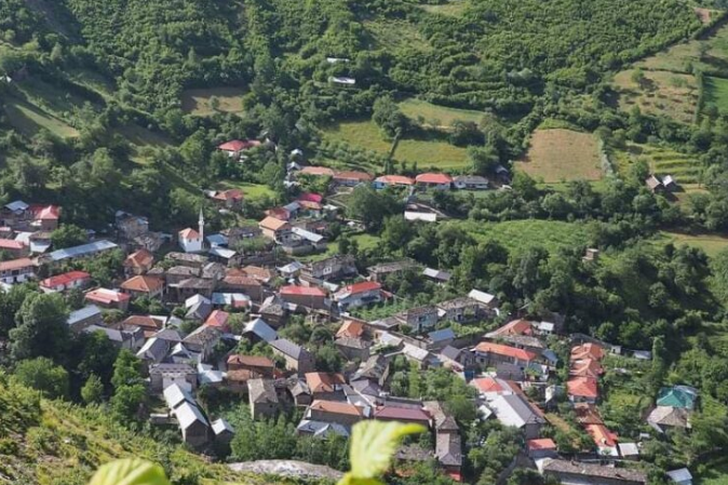
If there is one main merit to tourists who have visited Al...

Between 2011 and 2023, the population has declined in all ...
Today will be dominated by unstable weather, with rainfall...
Irfan Hysenbelliu claims to be a big businessman, an hones...

The murder of officer Enea Mekolli in the line of duty has...
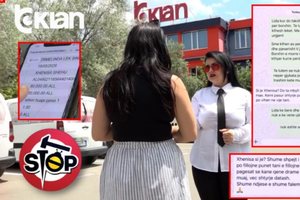
The next case broadcast on the show "Stop", this Thursday,...
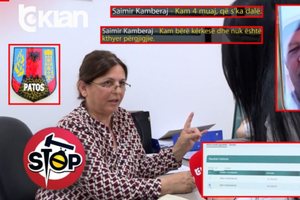
The case published this Thursday, June 4, on the show "Sto...

The Special Board of Appeal (KPA) decided this Monday ...

The KPA vetting decided this Thursday to dismiss the p...

Suela Salavaçi, a prosecutor in the Prosecutor's Offic...

The Special Board of Appeal reinstated the prosecutor ...

Following the cooperation of Interpol Tirana with Interpol...

An accident occurred this Saturday morning at Shkëmbi i Ka...
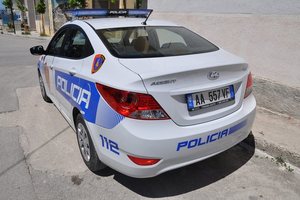
A TNT explosion occurred in Lezha in the early hours of th...

A massive brawl was recorded on Friday evening in Saranda,...

Albanians are officially the hardest working people in Eur...

This Saturday will be characterized by mostly clear weathe...
Today our country will be affected by stable weather condi...

For many children and teenagers, the long summer holidays ...
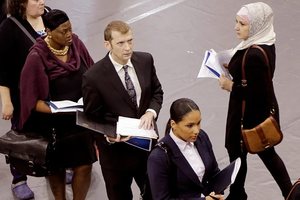
Millions of Europeans still apply for jobs without knowing...

Following the Covid-19 pandemic, the World Health Organiza...

Leaders of the European Union and Western Balkan countries...

On the eve of the EU-Western Balkans summit, Germany and F...

Korça is ready to open the summer season with one of the c...
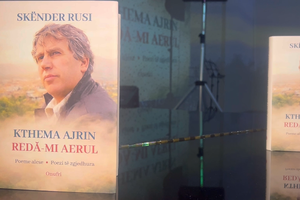
Two years after his passing, the renowned Korçë poet Skënd...
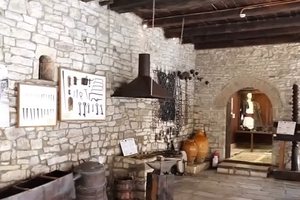
The Ethnographic Museum of Berat has opened its doors to v...
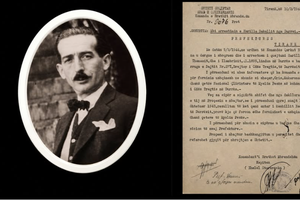
The story of Harilla Bakalli is one of the most chilling t...

The Transparency Board, in today's meeting, decided to red...

This Saturday, one US dollar is bought for 81.4 lek and so...

Despite years of efforts at regional cooperation and free ...

Albania is the country with the highest level of severe ma...