


New study/ Pill that mimics the benefits of exercise
Scientists are developing a pill that mimics the benefits ...



Experts have discovered that a change in the habit of closing the eyes can reveal serious health problems. Most adults close their eyes once every three to five seconds, which helps keep the eyes moist and clear.
"If you ever move your eyes too often or too little, it can warn of health concerns such as allergies, immune disorders, or Parkinson's disease.
This suggests that normal and regular eye sight may be an indication of the body's overall health," The Sun reported.
1. Parkinson's disease (tremor paralysis)
Some studies have found that the rate of eye closure reflects the amount of dopamine (it is a neurotransmitter produced by the brain and partly by the adrenal glands) in the brain. People with low dopamine levels tend to fixate on a subject and rarely close their eyes. Parkinson's (tremor paralysis) is characterized by a lack of the chemical dopamine in the brain, caused by the stopping of some of the nerve cells that produce it, leading to symptoms such as slow pulses and tremors of the hands. In the US, about 145,000 people live with Parkinson's. The main symptoms include slowness of movements and muscle stiffness. There are various treatments, therapies and supports to help manage this condition.
2. Graves' disease (disorder of the immune system resulting in overproduction of thyroid hormones)
Less frequent blinking may be a sign of Graves' disease, an immune system disorder that causes overproduction of thyroid hormones (hyperthyroidism). This autoimmune condition increases the body's metabolic rate, causing weight loss and a drop in energy levels. Some other common signs are anxiety, tremors, sensitivity to heat and irregular heartbeat.
Graves' is the most common cause of hyperthyroidism in the UK and around two in every 100 Britons are affected by the disorder. About a third of patients with Graves' disease also develop eye problems, known as thyroid eye disease. It can cause the eyelids to swell, pulling the eyelids back and leading to less frequent blinking. However, the lack of blinking can damage the cornea and in severe cases can cause scarring of the cornea from the lack of protection. The disease cannot be cured, but is treated with treatment or surgery to remove all or part of the thyroid gland.
3. Stroke
Neurological diseases other than Parkinson's, such as stroke, can slow the normal blink rate. This is because the eyelid nerves, facial nerve or eyelid muscles can be left damaged. A stroke is a life-threatening brain attack that occurs when the blood supply to part of your brain is cut off—without blood, cells in your brain can be killed or damaged. Symptoms of a stroke include slurred speech, numbness, weakness, or paralysis in the face, arm, or leg.
4. Head injury
Slower blinking has also been associated with head injuries in athletes.
5. Sjogren's syndrome (is a chronic autoimmune disease in which the body attacks the exocrine glands)
On the other hand, more frequent blinking can be a sign of fatigue when trying to do a demanding task, or when you are driving while drowsy. Excessive blinking can occur when your body tries to compensate for dry eye disease, which can occur for several reasons, such as Sjogren's syndrome, an autoimmune disease that causes widespread drying of parts of the body that produce fluids such as tears and saliva. Dry eyes from Sjogren's can cause an itchy or burning sensation, leading to increased blinking. This condition usually begins in people between the ages of 40 and 60 and is much more common in women than in men. The reason why people get this condition is not clear to experts, but a virus can cause the symptoms, including Covid.
6. Allergies and infections
Allergies can also increase the frequency of blinking. Mold, pollen, dust mites, makeup, and animal dander are some allergens that can cause an allergic reaction. Up to one in four people in the UK are thought to be affected by an allergy or type at some point in their lives. When exposed, the body sometimes reacts by releasing histamine (it's a neurotransmitter) into the eye, causing the blood vessels in the eye to dilate and become larger. This can cause the eyes to become red, itchy, burning, watery and swollen.
7. Tourette syndrome (nervous system problem that causes people to make sudden movements or sounds)
Frequent blinking may be a motor tic associated with Tourette syndrome, a condition thought to affect around one per cent of the UK population. Motor tics are sudden, uncontrollable movements, such as exaggerated or continuous blinking. The cause of Tourette's is still unknown, but it is thought to be related to problems in a part of the brain called the basal ganglia. In individuals with Tourette's, the basal ganglia 'fire', resulting in tics. However, the exact reasons why this happens are not yet clear. Men are more likely to get Tourette's than women./ CNA

Scientists are developing a pill that mimics the benefits ...
Stresi ose ankthi e nxisin njeriun ta shohë ushqimin si ng...

In periods of fasting or prolonged lack of food, the o...

All of us who are overweight sometimes say aloud, some...

A recent report from the Centers for Disease Control and P...

Recent studies have warned that eating late at night incre...

According to a new study, the symptoms of obstructive ...

Ka shumë këshilla që të ndihmojnë me një gjumë sa më të sh...

The spine supports the weight of the entire body and enabl...

A new study has found that depression increases the ri...

Cancer Research UK has published a list of six warning sig...

Waking up early in the morning seems very difficult, espec...

As tuberculosis has re-emerged in England, new researc...

Nowadays, the animal products industry and farmers in many...

The Institute of Public Health announces that 34 cases...

A recent report from Valisure Independent Laboratory has f...

In the variety of foods we consume every day, there are pr...
The latest studies say that blood vessels in a woman's bod...
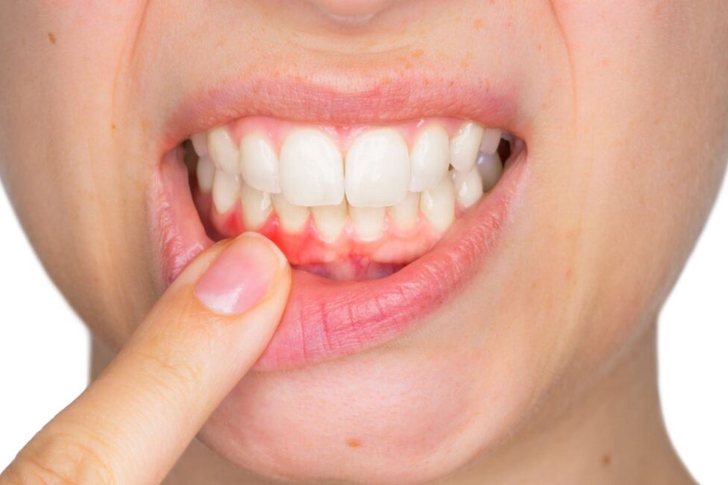
Gum pain can be bothersome and can even make eating mo...
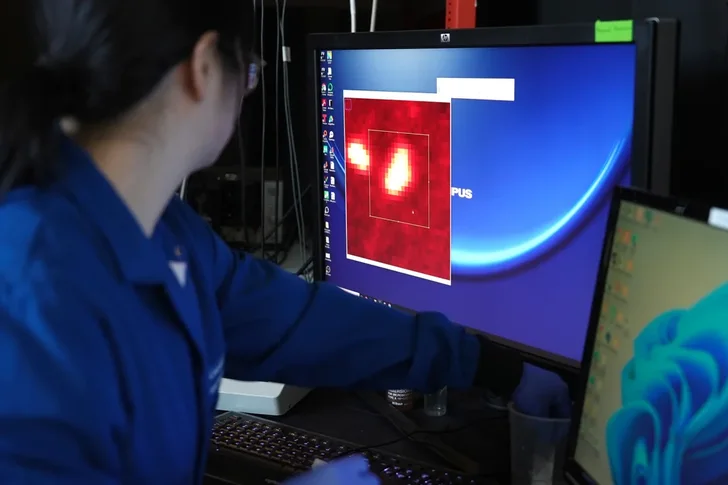
Studimet e fundit kanë zbuluar se nanoplastika ndikon drej...

Irfan Hysenbelliu claims to be a big businessman, an hones...

The murder of officer Enea Mekolli in the line of duty has...

The next case broadcast on the show "Stop", this Thursday,...

The case published this Thursday, June 4, on the show "Sto...

The Special Board of Appeal (KPA) decided this Monday ...

The KPA vetting decided this Thursday to dismiss the p...

Suela Salavaçi, a prosecutor in the Prosecutor's Offic...

The Special Board of Appeal reinstated the prosecutor ...

A road accident has been reported on the Fier-Levan axis, ...

An accident was recorded a few minutes ago on the Pogradec...

Following the cooperation of Interpol Tirana with Interpol...

An accident occurred this Saturday morning at Shkëmbi i Ka...

Albanians are officially the hardest working people in Eur...

This Saturday will be characterized by mostly clear weathe...
Today our country will be affected by stable weather condi...

For many children and teenagers, the long summer holidays ...

The military advisor to Iran's supreme leader, Mohsen Reza...

US Defense Secretary Pete Hegseth declared that Europe is ...

A federal judge in Rhode Island struck down a Trump admini...

Thousands of Kosovo citizens living abroad are voting phys...

Korça is ready to open the summer season with one of the c...

Two years after his passing, the renowned Korçë poet Skënd...

The Ethnographic Museum of Berat has opened its doors to v...
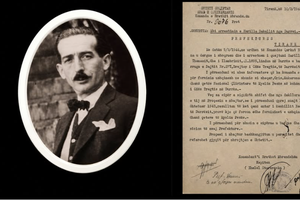
The story of Harilla Bakalli is one of the most chilling t...

The Transparency Board, in today's meeting, decided to red...

This Saturday, one US dollar is bought for 81.4 lek and so...

Despite years of efforts at regional cooperation and free ...

Albania is the country with the highest level of severe ma...