

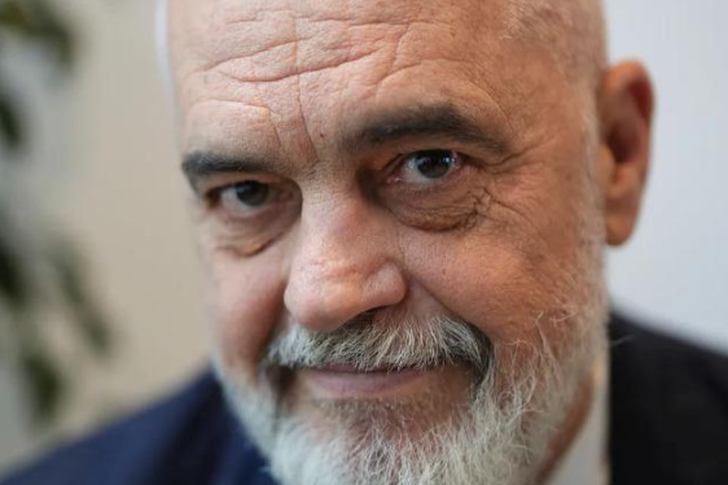
Rama to Italian media: My life like a movie, I cried when I returned from Paris
Prime Minister Edi Rama, in an interview with the renowned...



In Tirana, a morning statement becomes outdated by dinnertime. This is the climate where the latest political developments are moving, at a fast pace, high tension and a public that is no longer satisfied with empty conferences and elaborate excuses. What is happening is not just daily noise. It is an open clash for control of the narrative, of institutions and, ultimately, of the vote.
Albanian politics is once again entering a phase where every decision of the government, every move of the opposition and every reaction of the judiciary is immediately read as a signal for a bigger battle. This is the real problem: when everything is politicized, even issues that directly affect the citizen get lost in the propaganda. Electricity, prices, taxes, tenders, employment, immigration - all pass through the filter of political interest.
At the center of the debate is not just the clash between the majority and the opposition. It is a crisis of trust. The citizen sees a political class that talks endlessly about reforms, but rarely accounts for the results. Promises are recycled, responsibility is distributed, and scandals are usually replaced by a new scandal.
The majority tries to maintain control over the agenda through institutional power, numbers in the Assembly and the communication machinery. This gives it an advantage in crisis management, at least in the short term. But numerical advantage does not automatically solve the problem of public perception, especially when suspicions of corruption, clientelism or administrative capture constantly return to circulation.
On the other hand, the opposition continues to suffer from a wound that cannot be hidden with slogans: the lack of cohesion and a convincing alternative. Attacking the government is easy. The most difficult thing is convincing the public that you are ready to govern differently. This is where the opposition often gets stuck, because it is consumed by internal conflict, over names and not over the model.
One of the hottest topics of recent developments in politics remains the relationship with justice. Every high-profile investigation causes a political earthquake. Not without reason. For the first time in many years, influential figures are facing pressure that once seemed impossible. This has produced two very different readings.
One side sees this as a sign that the justice system is finally hitting its stride, breaking the culture of impunity. The other side sees justice as selective, manipulated, or biased by the interests of the moment. The truth may not be as simple as the press offices or political headquarters present it.
Yes, there are movements that seem like real blows to the untouchables. Yes, there is also a strong perception that the standard is not always the same for everyone. This is where the strength of institutions is measured. Not in conferences, but in the ability to create the conviction that the law does not change according to the party charter.
When justice is perceived as a weapon of political conflict, then every decision is automatically questioned. And when every decision is questioned, not only a process is lost, but the credibility of the entire institutional architecture. This is a huge cost, because Albania does not have the luxury of building institutions that only appear strong on paper.
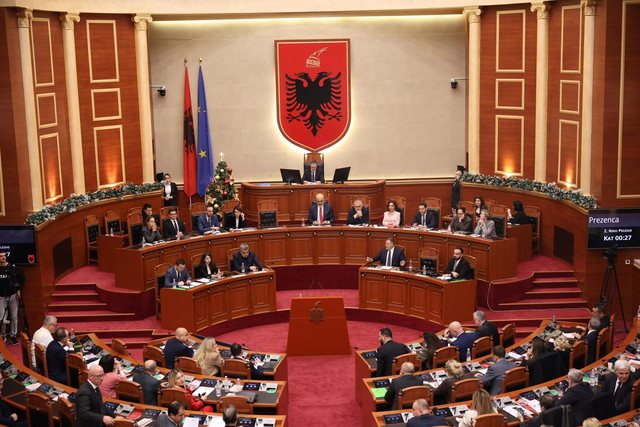
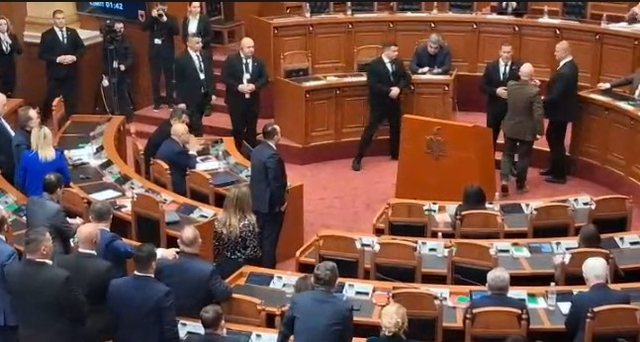
Anyone who follows parliamentary life knows that the Assembly continues to be more of an arena of clashes than a laboratory of solutions. Harsh speeches produce headlines. Boycotts, interruptions, accusations and counter-accusations produce clicks. But the question that remains is simple: what is actually being resolved?
Often, parliamentary committees are used more for media positioning than for serious control of power. The majority protects itself with voting discipline. The opposition tends to turn every meeting into a denunciation platform. To a certain extent, this is normal in politics. The problem begins when everything turns into a predictable ritual and the citizen understands that the spectacle is replacing the essence.
This does not mean that public debate is unnecessary. Quite the contrary. But debate without product, without transparency and without concrete responsibility turns into collective fatigue. This fatigue is the ground where apathy grows, and apathy is the greatest gift to any power that does not want to be controlled.

Politics can no longer hide behind rhetoric when the economy is directly hitting families. Prices, living costs, loans, small businesses under pressure and continued immigration are pushing the debate from propaganda to the pocketbook. This is the point where political developments are tested on the ground.
A government can produce favorable statistics, but if citizens feel they are living more expensively and with less security, the official narrative begins to crack. An opposition can denounce in strong tones, but if it does not present a minimally credible plan for taxes, employment, or stopping the outflow of young people, the denunciation remains half-hearted.
At this point, Albanian politics faces a difficult challenge: how to talk about economic growth in a country where many citizens feel excluded from that growth. There are sectors moving, there is investment, there is money in circulation. But there are also visible inequalities, areas left behind, and a widespread feeling that the benefits are not being distributed fairly.

Even when they are not officially declared as the main topic, elections are behind every political movement. Appointments, alliances, personal attacks, the return of old figures, new approaches - all are read in terms of the ballot box. This makes the scene more aggressive and less sincere.
The majority will try to sell stability, control and continuity. The opposition will try to capitalise on discontent and scandals. But the outcome will not depend solely on slogans. It will depend on the ability to mobilise an electorate that has become more cynical, more distrustful and less willing to be persuaded by the classic spectacle.
There is another element that is gaining weight: the diaspora vote and the role of Albanians abroad in shaping the public climate. They follow, comment, influence and compare. This creates additional pressure on politics, because local propaganda does not work the same for a public that sees different standards of state and accountability.
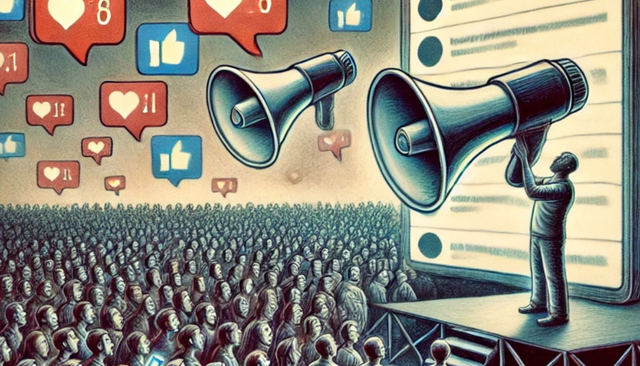
Today, it is not enough for something to happen. The battle of interpretation must also be won. The media, portals, screens and social networks have become an open front, where events, statements and scandals are recycled at brutal speed. Whoever sets the news frame first, gains ground.
This has brought two consequences. First, the public is informed faster than ever. Second, it is manipulated more easily than ever. Between these two extremes, the responsibility of journalism becomes even greater. It is here that a media that maintains a critical stance and does not accept the cosmetics of power remains indispensable. Not to become a party, but to prevent propaganda from being sold as fact.
The problem is that even the political camps have understood this game. Therefore, their communication has become more aggressive, more calculated and often more cynical. Fact is replaced by spin. Response is replaced by counterattack. In the end, the citizen is left between many versions and little clarity.
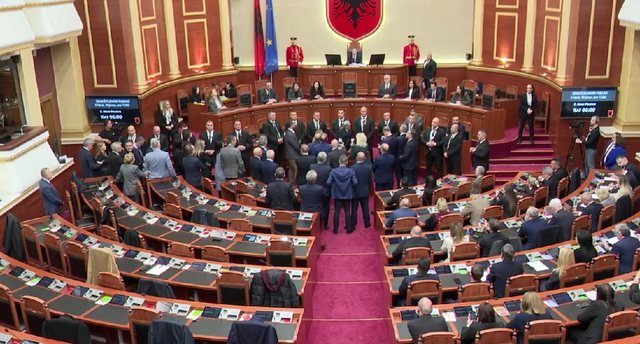
There are no signs that the tension will subside soon. On the contrary, the clash is expected to intensify as key political and electoral moments approach. There could be strong developments in the judiciary, party reorganizations, unexpected alliances and new outbreaks of scandals. In Albania, the political scene rarely leaves room for long periods of calm.
But there is one limit that politics cannot push indefinitely: public patience. People may follow the conflict with interest, but they will not endlessly forgive the lack of results. If the political class continues to behave as if its own internal game is more important than the country's problems, then the silent anger will turn into more open rejection.
This is why recent political developments must be seen beyond the headlines of the day. They show not only who is winning a momentary battle, but also how fragile the relationship between the government, the opposition, the institutions and the citizenry remains. And when this relationship becomes fragile, the country does not need more facades. It needs more truth, less theater and a political class that understands that the public is no longer so willing to swallow everything./ CNA

Prime Minister Edi Rama, in an interview with the renowned...
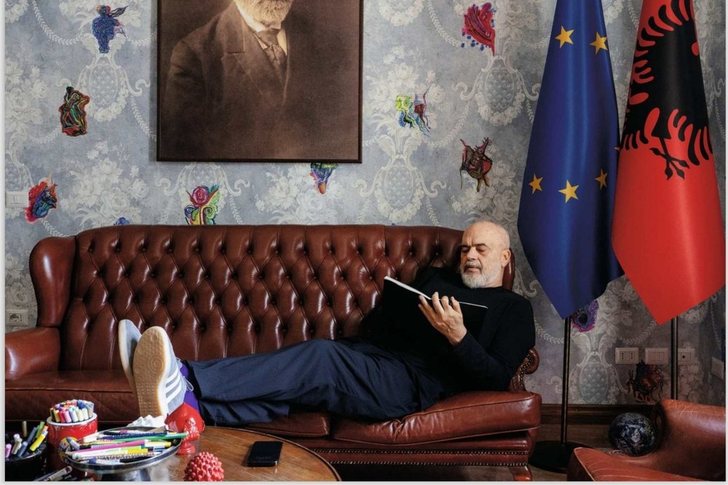
Prime Minister Edi Rama has shared a series of responses r...
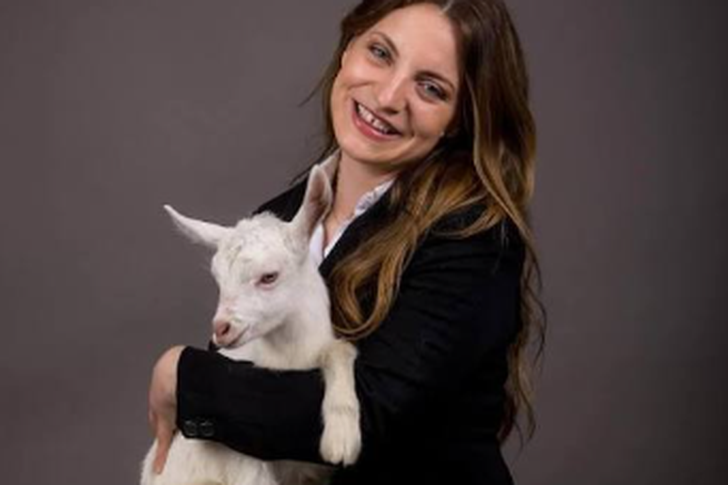
MP Marjana Koçeku has responded today to some critical pos...
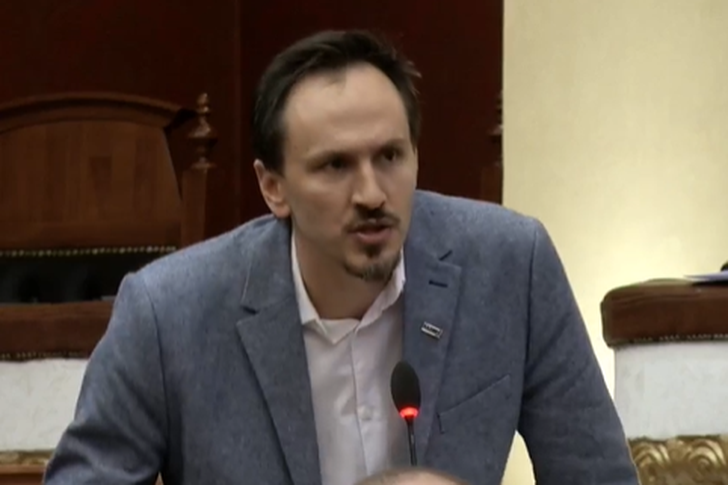
Socialist MP, Ardit Bido, today shared some unknown detail...
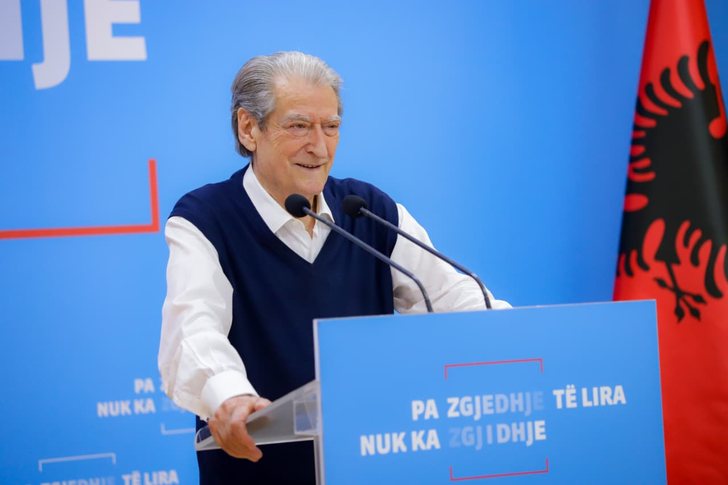
Kryetari i Partisë Demokratike, Sali Berisha në konferencë...
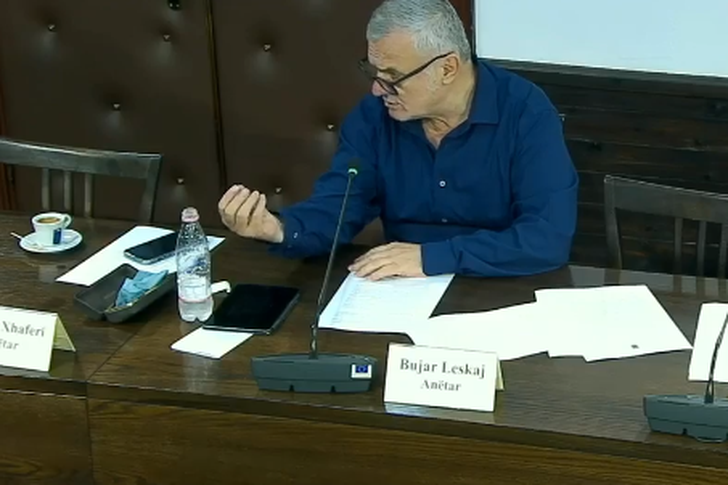
Democratic MP, Bujar Leskaj, raised an issue today regardi...
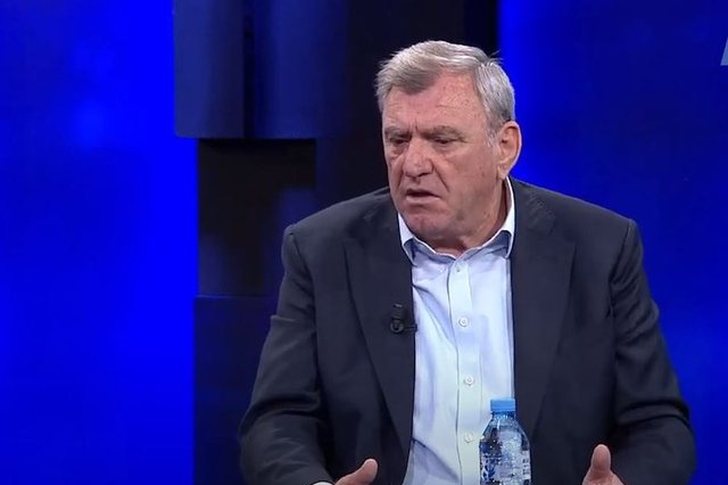
The leader of the Agrarian Environmentalist Party, Agron D...
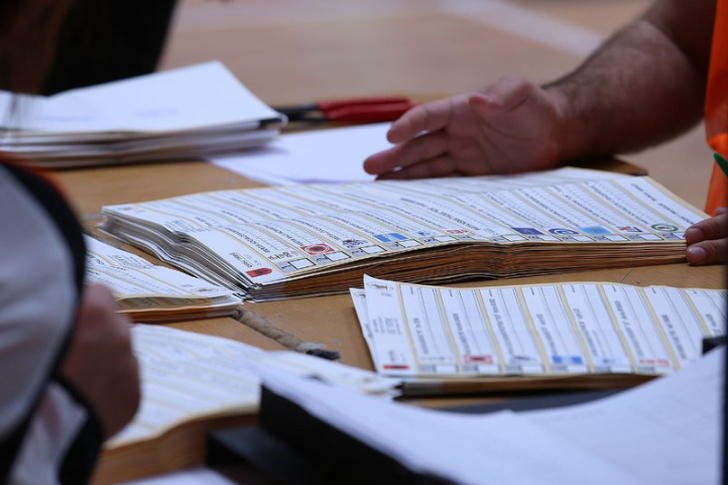
Former head of the CEC, Kristaq Kume, commented today on t...
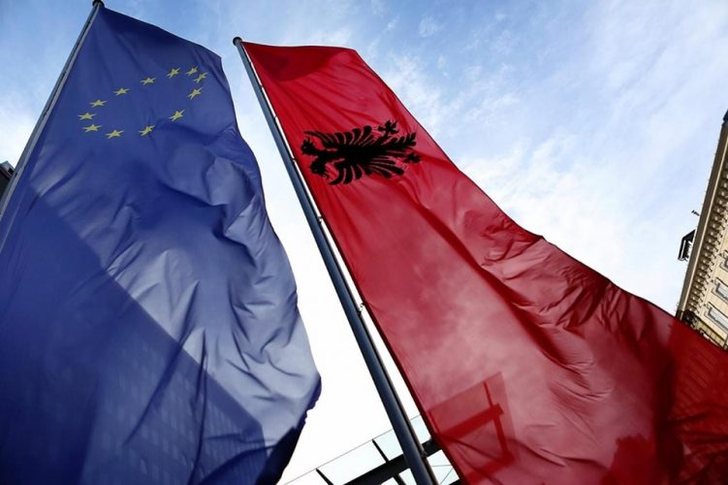
This Monday in Strasbourg, three international conventions...
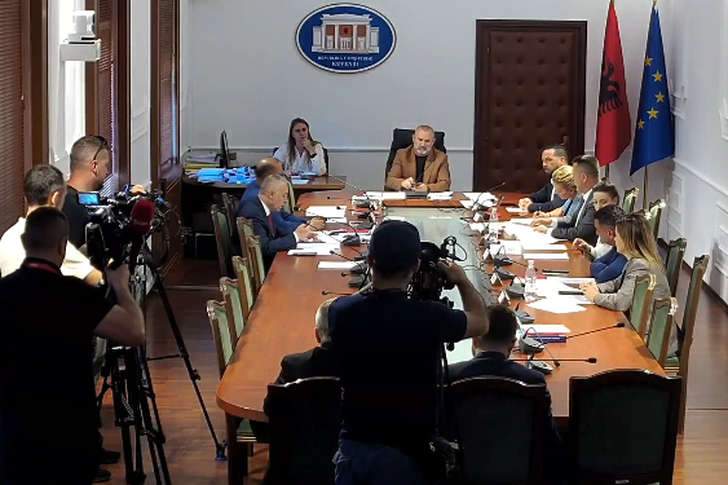
This Monday, the Committee on Legal Affairs made several c...
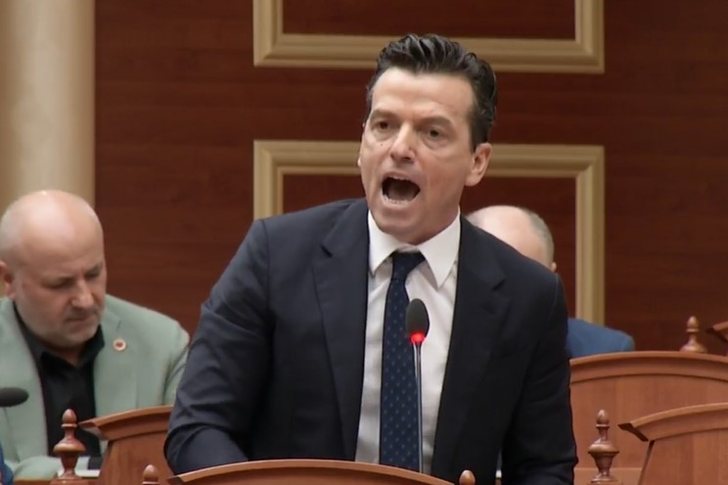
The Chairman of the Opportunity Party, Agron Shehaj, today...
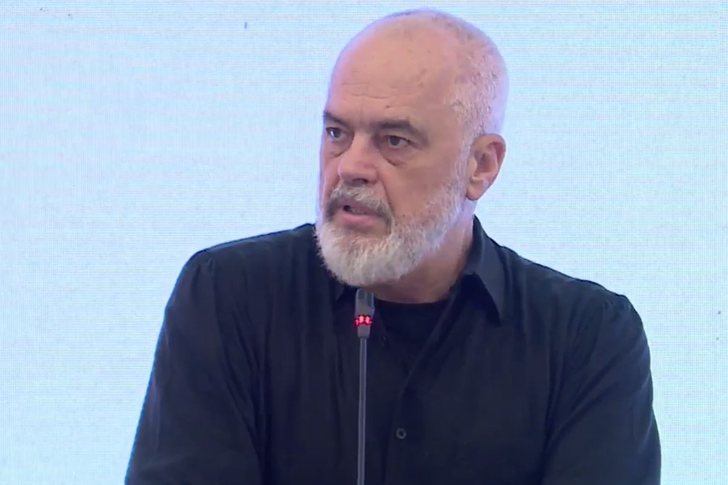
Prime Minister Edi Rama reacted today regarding a comment ...
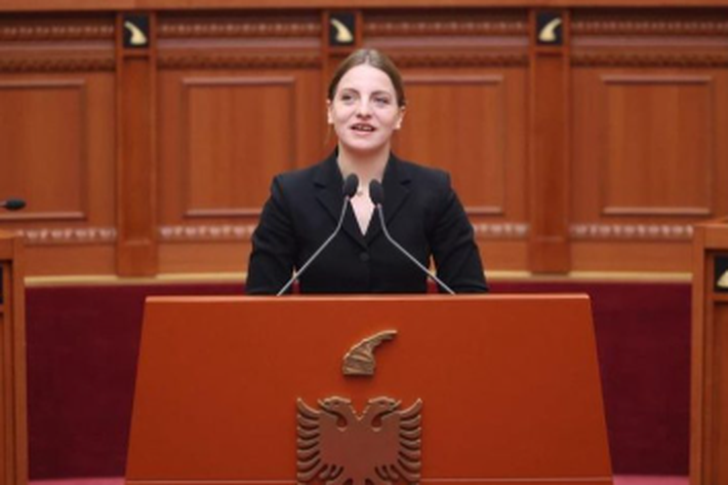
MP Marjana Koçeku has reacted for the first time after ann...
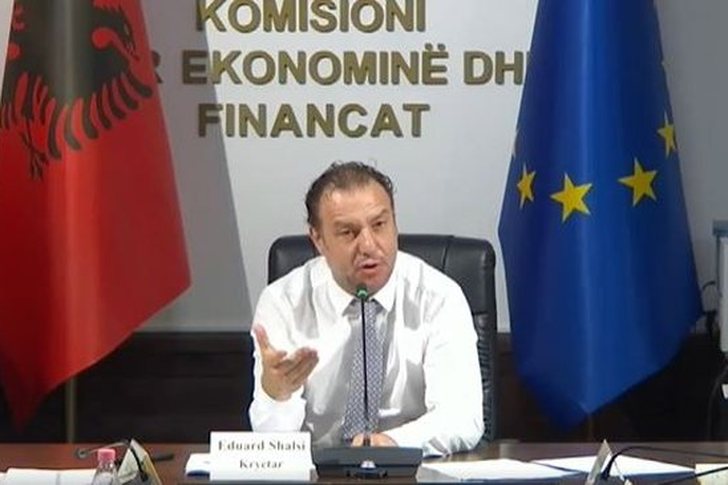
Eduard Shalsi, otherwise known as the "useful idiot" of th...
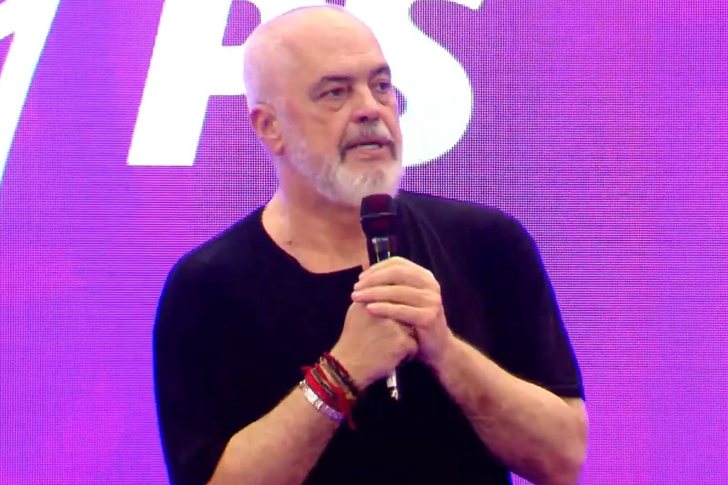
Prime Minister Edi Rama has reacted to the recent protests...
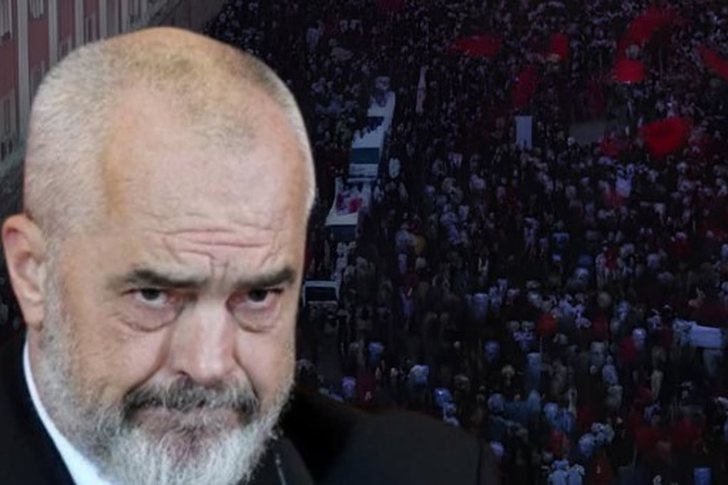
The European Democratic Party has reacted to the protests ...
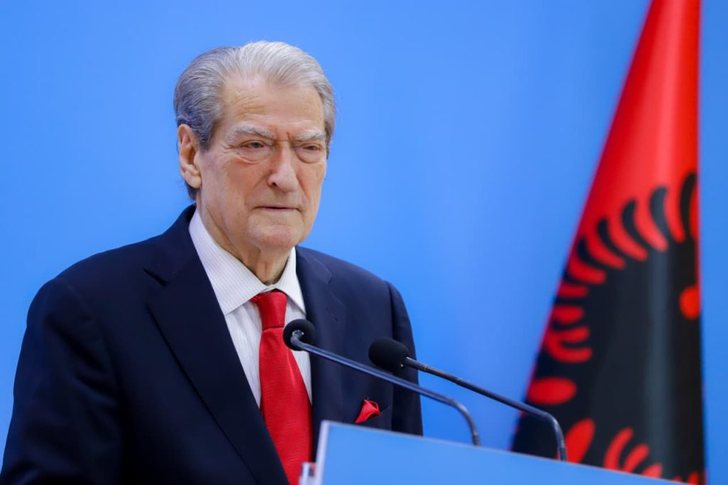
Democratic Leader Sali Berisha has responded to the anti-g...
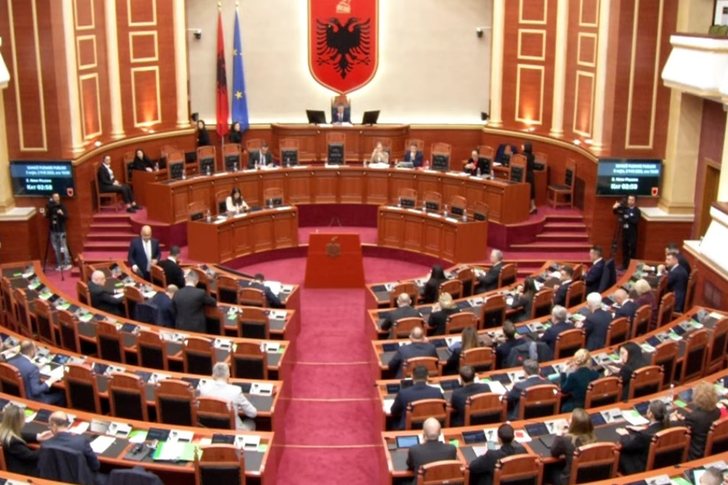
MP Marjana Koçeku announced today that she will leave the ...
Ish-ministri i Financave, Arben Malaj, komentoi sot protes...
The head of the Socialist Party Parliamentary Group, Taula...
Erion Isufi is the man known in the media as Lulzim Basha'...
There have been 12 days of protests in the capital, which ...
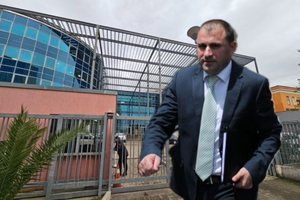
Dritan Prençi is the SPAK prosecutor who is sleeping on th...
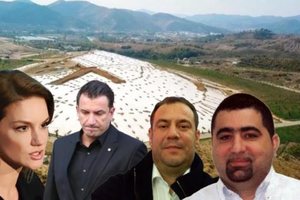
The in-depth investigations that SPAK conducted into Ajola...

The Special Board of Appeal (KPA) decided this Monday ...

The KPA vetting decided this Thursday to dismiss the p...

Suela Salavaçi, a prosecutor in the Prosecutor's Offic...

The Special Board of Appeal reinstated the prosecutor ...
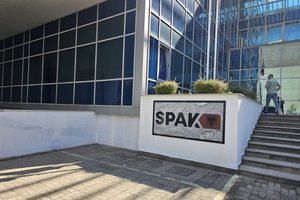
The Special Prosecution Office against Corruption and Orga...
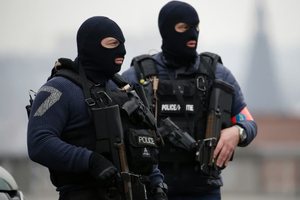
Europol, in cooperation with French authorities, as well a...
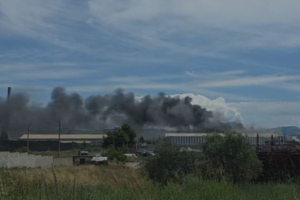
A large fire has engulfed the paper factory on the premise...
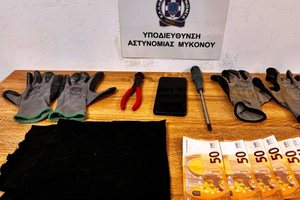
Police authorities on the Greek island of Mykonos arrested...

Meteorologist Tanja Porja shared some predictions today re...
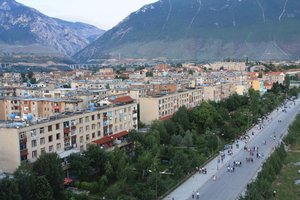
The large regions of Northern Albania are experiencing a s...

On Tuesday, our country will be affected by relatively sta...

Today, our country will be affected by relatively stable w...
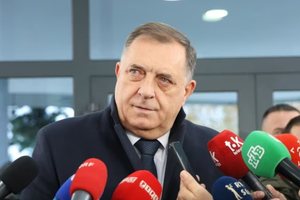
The European Court of Human Rights in Strasbourg has rejec...
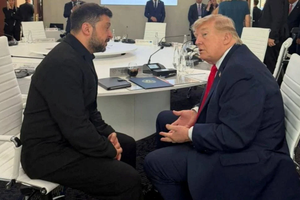
US President Donald Trump met with President Volodymyr Zel...
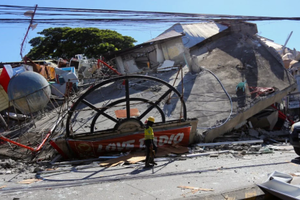
This Tuesday marked strong seismic tremors in two countrie...
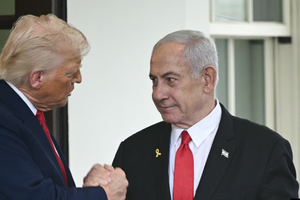
US President Donald Trump spoke at the G7 summit regarding...
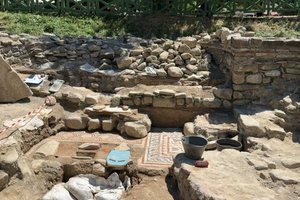
Several archaeological excavations conducted during this s...
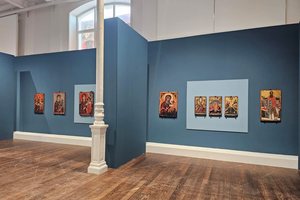
At the Museum of Fine Arts in Chambéry, France, an exhibit...
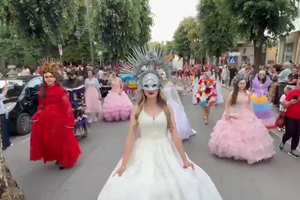
Korça has transformed this weekend into the capital of cel...
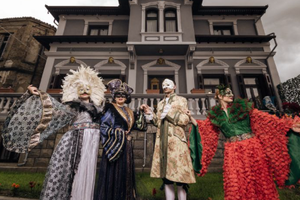
Korça is ready to open the summer season with one of the c...
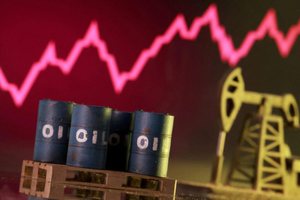
Oil prices have fallen to their lowest level in nearly 15 ...
This Tuesday, one US dollar is bought for 81.3 lek and sol...

Seasonal changes, fluctuations in production and imports, ...

The dynamics of wages in the labor market continued their ...