

Political and human cannibalism
"If cannibals used forks, could we say that they had made ...


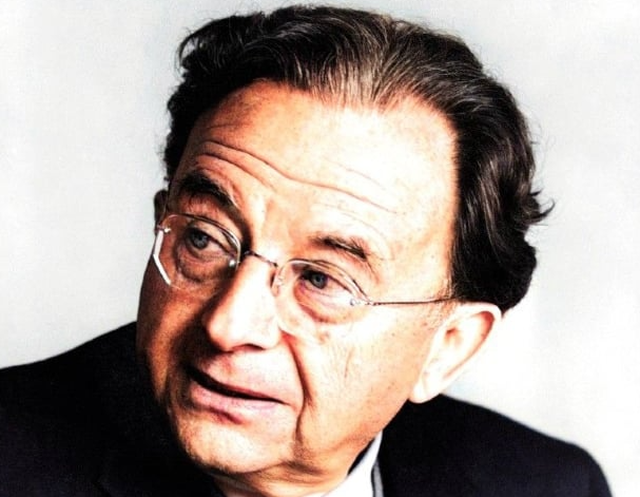
Erich Fromm, a renowned German psychologist and social philosopher, deeply explored the complexities of human relationships and the nature of love in his influential works. One of his most profound insights into love came in his book The Art of Loving (1956), where he argued that love is not simply an emotional reaction to a particular person, but a broader character orientation that shapes one's entire worldview.
He wrote, “Love is not primarily a relationship with a specific person; it is an attitude, an orientation of character that determines a person’s relationship to the world as a whole.”
For Fromm, love was not limited to romantic relationships or personal attachments, but was an intrinsic part of how one engages with the world and human beings. It is an active force, an expression of one's soul, rather than a passive reaction to an external stimulus.
Fromm also criticized the common misconception that love is simply the act of finding the "right" object to love. Many, he suggested, approach love with the idea that it is defined by the specific person they love, believing that the intensity of their emotions toward that individual is a reflection of their capacity for love.
However, Fromm saw this perspective as problematic, equating it with a form of egoism or symbiotic attachment. He argued that such an approach to love, which focuses on an individual rather than a broader, more universal capacity for love, cannot be considered true love.
He said: "If a person loves only one other person and is indifferent to the rest of his fellow human beings, his love is not love, but a symbiotic relationship, or an extended egoism."
According to Fromm, true love transcends individual bonds and must be part of the general attitude towards humanity.
In illustrating this point, Fromm used the analogy of painting.
He said: "This attitude can be compared to that of a man who wants to paint, but who instead of learning the art, claims that he only needs to wait for the right object and that he will paint beautifully when he finds it."
Fromm's critique here is sharp and revealing: true love, like any art, requires practice, learning, and active commitment. It is not simply about finding the right person or waiting for the perfect moment; it is a continuous, conscious effort that involves developing one's capacity for care, respect, responsibility, and knowledge.
Through this lens, love becomes an ongoing practice of cultivation rather than an inevitable outcome tied to finding the perfect object of love.
Fromm's philosophy offers a deep and thoughtful reflection on love, encouraging individuals to expand their understanding of it as a force that shapes not only personal relationships, but also their relationships with the world at large./ CNA

"If cannibals used forks, could we say that they had made ...

Flamur Noka, unlike Sali Berisha, has clearly articula...

In the recent open debate about the extent to which our me...
Donald Trump's return to the White House is a turning poin...
Intrigue in the palaces of criminal power. Did Fiqiret kil...
In Albania’s current political climate, where a divided op...
It seems that the investigations of the "Veliaj" file requ...
It was winter and in the evening I was invited to dinner b...
Although I don't have the time and desire to read "patriot...
Is democracy important for Albania? Do we really want a de...

Yesterday evening on the "Opinion" show, a fierce deba...
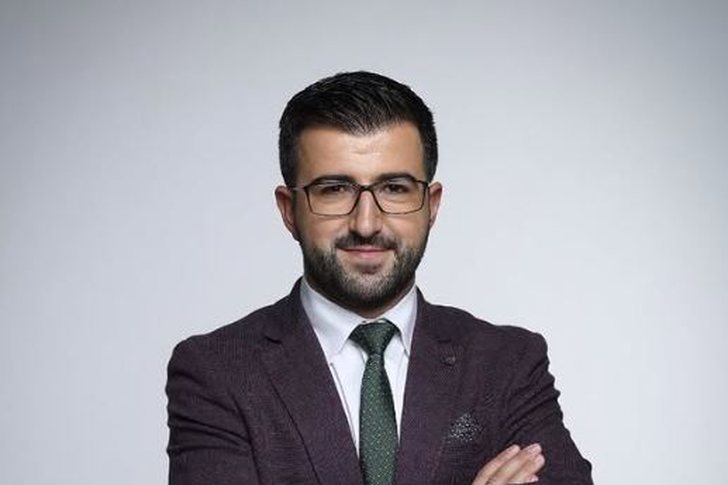
For days, the Archbishop of the Autocephalous Church o...
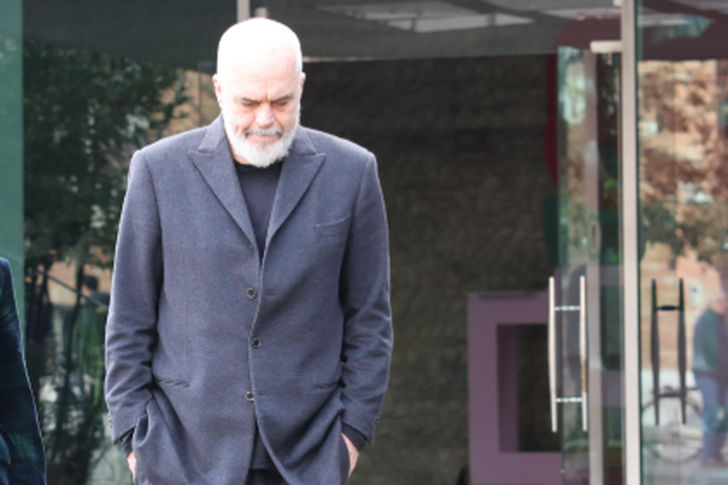
When he appointed the political leaders in the districts, ...
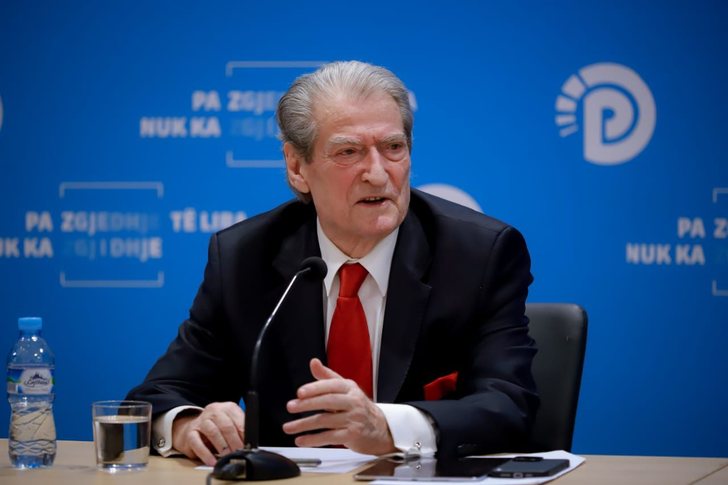
The former Prime Minister and at the same time the Hea...
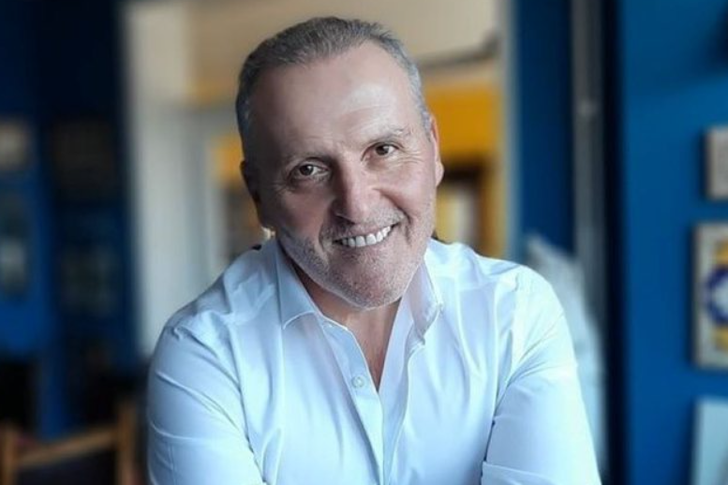
Students in Serbia and SPAK in Albania, in the absence of ...
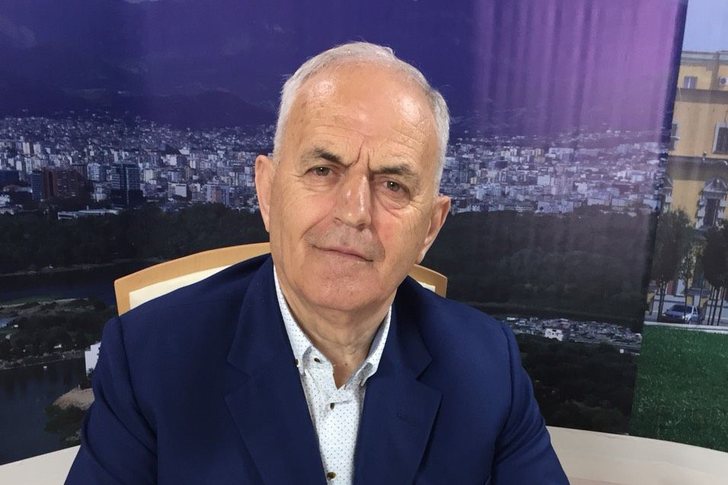
Father Anton Harapi, on the anniversary of his birth, ...
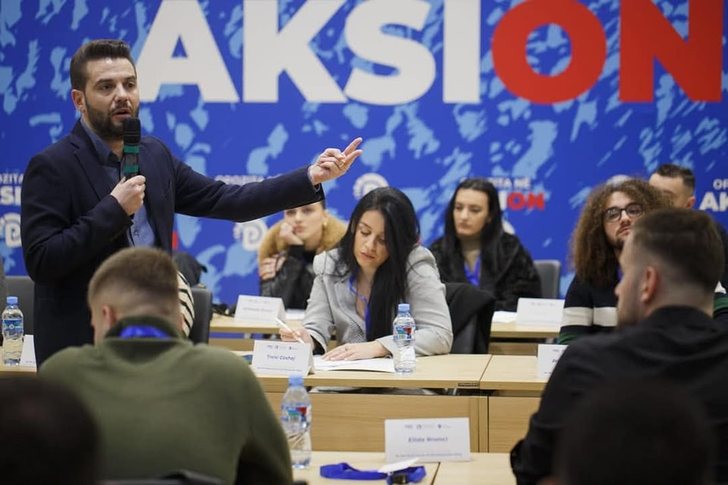
The new electoral actor in the May 11 elections appeared o...
Why is the enemy of your enemy your friend? And why is...

New Year without postcards is like spring without swal...
It's our turn! Or "It's our turn!" It doesn't really...

CNA has launched another investigation that could lead to ...

Irfan Hysenbelliu is a businessman that we call "Irfan the...

In March 2026, CNA launched another investigation centered...
The arrested mayor of Tirana, Erion Veliaj, with 13 charge...

The Special Board of Appeal (KPA) decided this Monday ...

The KPA vetting decided this Thursday to dismiss the p...

Suela Salavaçi, a prosecutor in the Prosecutor's Offic...

The Special Board of Appeal reinstated the prosecutor ...

Footage emerges from the serious accident that occurred th...

A Shkodra traffic police officer was hit with hard objects...

This Wednesday, around 4:00 PM, a serious accident occurre...

Tirana Police have shared details regarding the accident t...

On Thursday, our country will be under the influence of st...
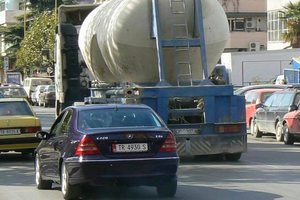
A serious accident that occurred this Wednesday with the c...

The Institute of Geosciences has shared a forecast for wea...

Rising energy and fertilizer prices are expected to contin...

Artificial intelligence (AI) models from the American comp...

At least 10 people have died after a fire broke out in a h...

Yemen's Houthis have claimed to have attacked two Saudi oi...

The trial of ousted Venezuelan President Nicolas Maduro on...

At a time when industrial products are increasingly taking...

Trust among people is not just a three-syllable word. It c...

Master of humor Todi Llupi has passed away at the age of 7...

The ninth edition of "MIK Festival" kicked off with one of...

The average sale price of apartments in Tirana reaches rec...

This Thursday, one US dollar is bought for 81.5 lek and so...

The price of diesel reached 206 lek per liter from 198 lek...

Businesses will no longer be required to simply register t...