

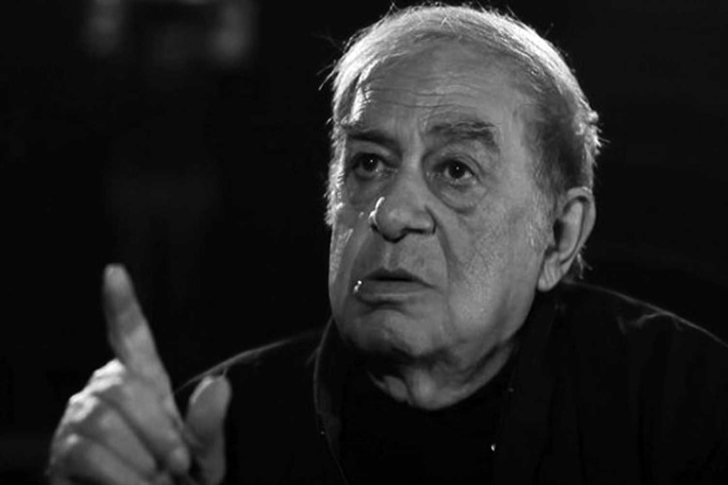
Rikard Ljarja, the epitaph of a soul of light, a life of dedication engraved in the performing arts
memory Since April 20, 2020, Rikard Ljarja has been detac...


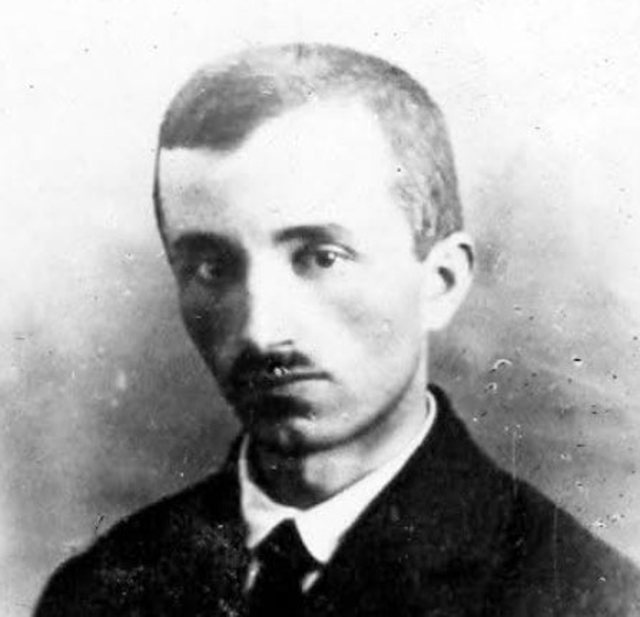
The events leading up to the assassination of Avni Rustemi in April 1924 constitute one of the most controversial episodes in Albanian political history at the beginning of the 20th century. According to contemporary data and supported by the studies of Kastriot Dervishi, the developments leading up to the assassination shed light on the tense political climate of that period.
On March 25, 1924, Rustemi, accompanied by Anastas Pandele, approached the American legation in Tirana to request a three-month visa, claiming that he would provide income for the “Bashkimi” society. His behavior at the legation was considered problematic and, in communications with Washington, the fact that he had defended Lenin’s figure in the Constituent Assembly was also mentioned. As a result, the visa request was denied.
A few weeks later, on April 20, 1924, at around 5:00 PM, Rustemi was in Tirana, initially in the company of Reshat Këlliçi near the old mosque, and then headed towards the house of the Minister of Education, Fahri Gjilani. Along the way, in the area known as the Pasha Cemetery (where his bust is today), he met Mit'hat Deliu and Hoxha Kadriu.
According to contemporary accounts, while Rustemi was talking privately with Hoxha Kadri, he was suddenly shot from behind by a person who passed by the cemetery wall. The perpetrator of the assassination was 61-year-old miller Jusuf Reçi, who shot him with a single bullet and immediately fled. Seriously wounded, Rustemi reacted by pulling out his revolver and firing several times at the assassin, but without hitting him. He then sought medical help from his friends who surrounded him.
After a two-day stay in the Tirana hospital, Rustem passed away on April 22, 1924, marking a key moment in the country's political developments.
His figure remains complex and often contradictory. As highlighted in the analyses supported by Kastriot Dervishi, Rustemi's political path included involvement in violent political acts and attempts to eliminate opponents, including the assassinations of Ahmet Zogu and Mufit Libohova. In this context, he is seen as a figure who represented a political model influenced by the radical currents of the time, between fascism and communism, with a declared admiration for Lenin.
The symbolism of his figure was reflected even later: his name was given to one of Tirana's main squares during the Italian occupation in 1939, while the bust was placed during the communist period, in 1954, thus making him a figure appropriated by different regimes.
In a later critical assessment, Eqrem Vlora described Rustem in two strong words as “political scoundrel,” a designation that reflects the ongoing debates over his role and legacy in Albanian history.

memory Since April 20, 2020, Rikard Ljarja has been detac...
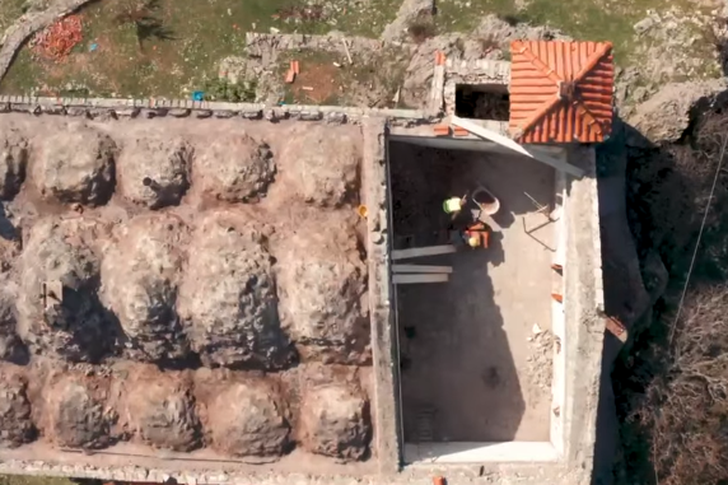
In Lekë, Gjirokastra, restoration works have begun on the ...
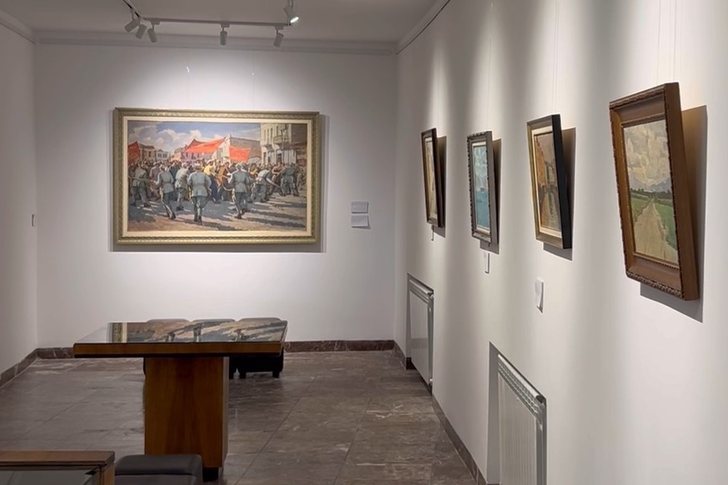
A special exhibition dedicated to the distinguished painte...
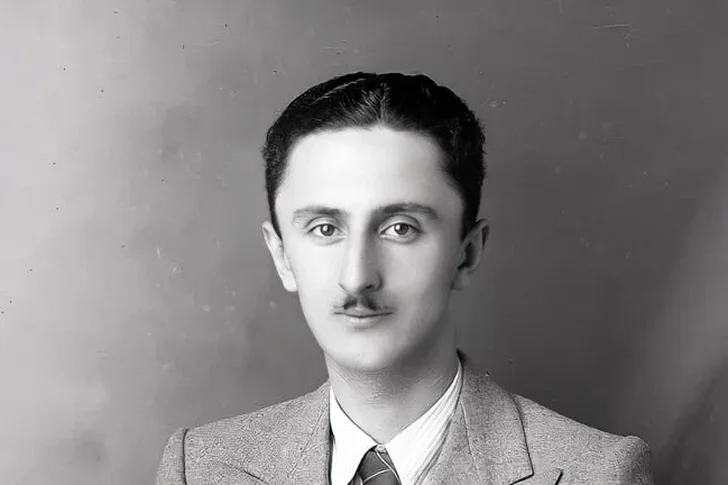
(Written on April 18, 89 years since the arrival in Puka o...
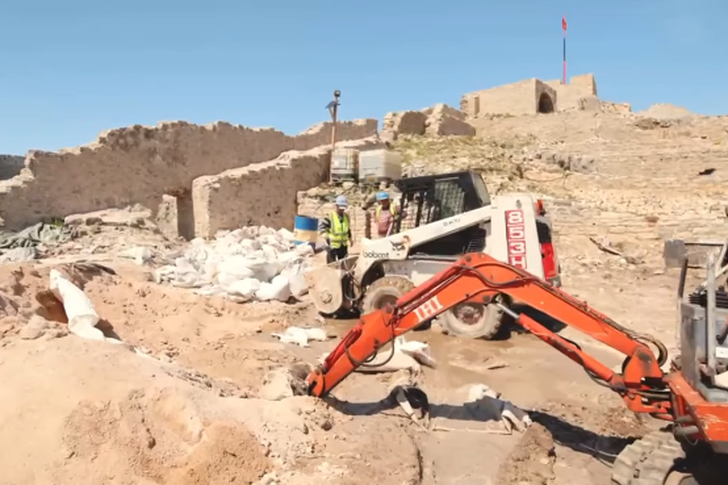
Works are underway at Borsh Castle for an important interv...
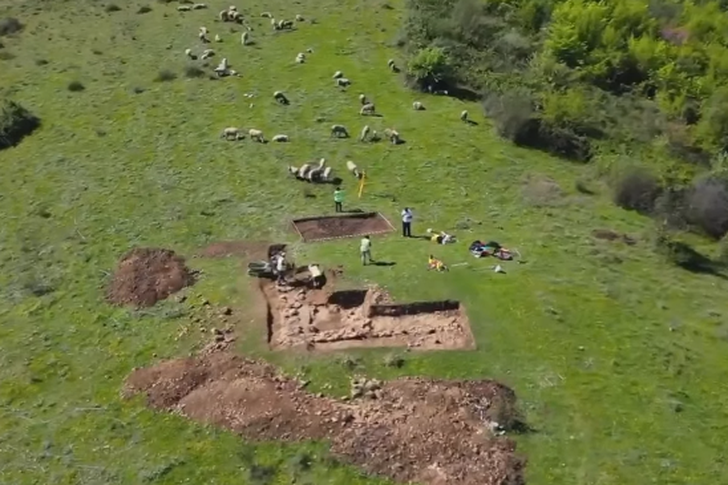
Some new archaeological excavations conducted at Kodra e P...

This Thursday, the 10th anniversary of the founding of the...
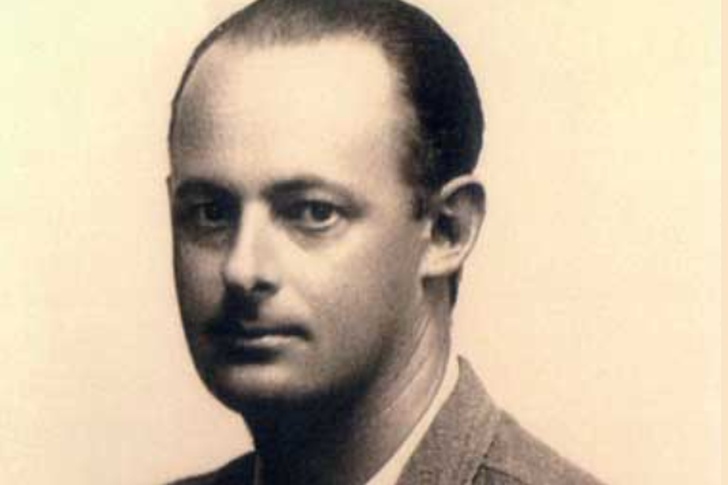
From the State Archives: A testimony on the Italian herita...

During the gala evening of the Diaspora Summit this Tuesda...
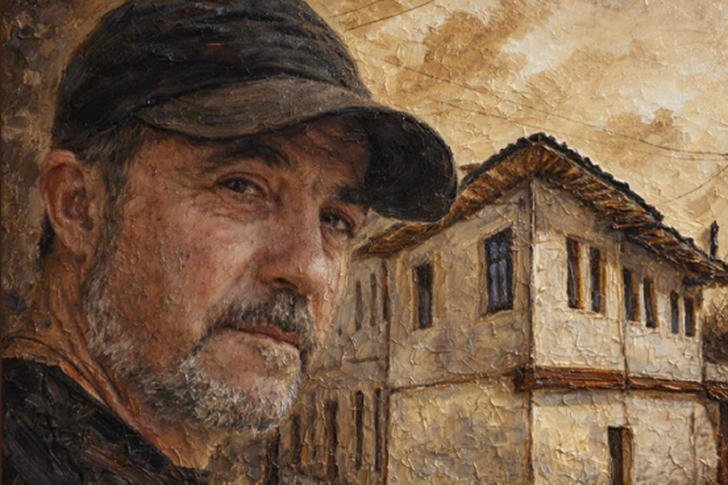
The well-known painter from Elbasan, Gazment Xhaferri, com...
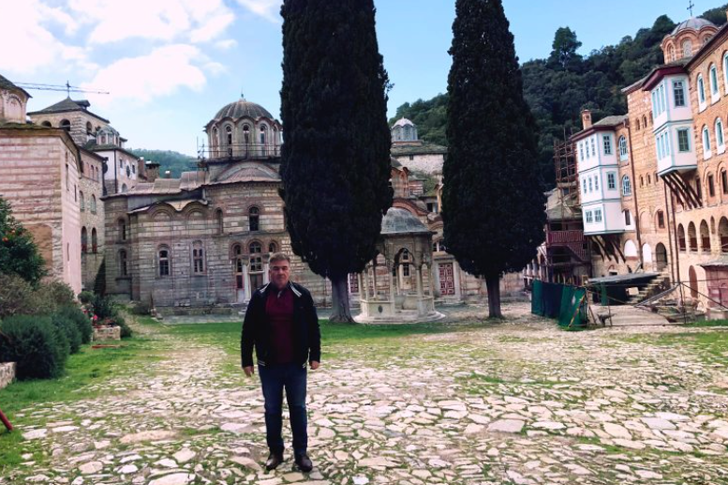
“Here rests the servant of God Reposhi, Duke Illyrian, yea...
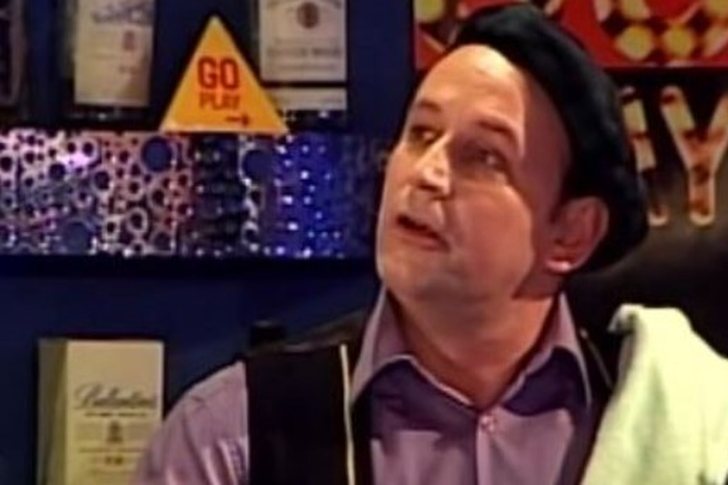
Renowned comedian Arben Dervishi has made an extraordinary...
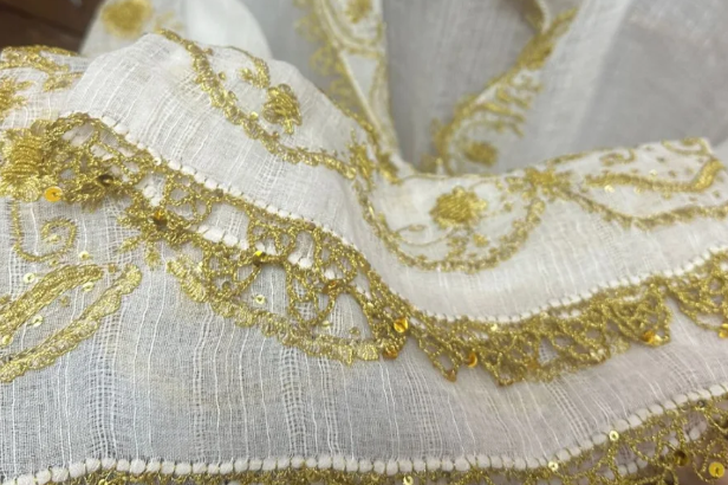
Ojnat, the refined art of crochet and needlework in the Al...
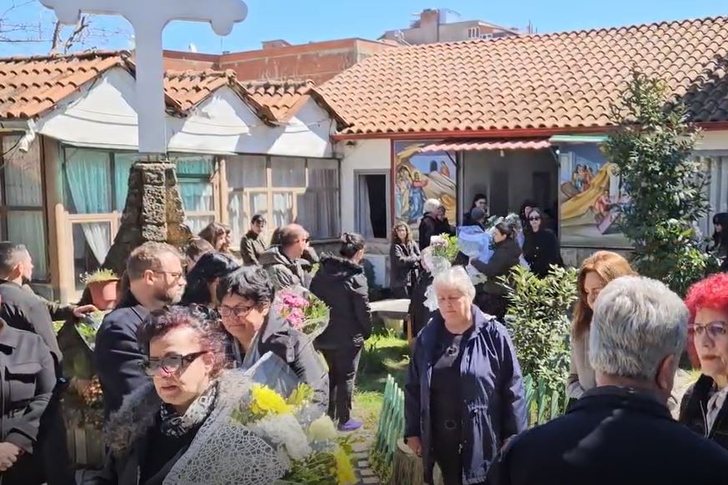
Amidst pain and respect, family, relatives, friends and co...
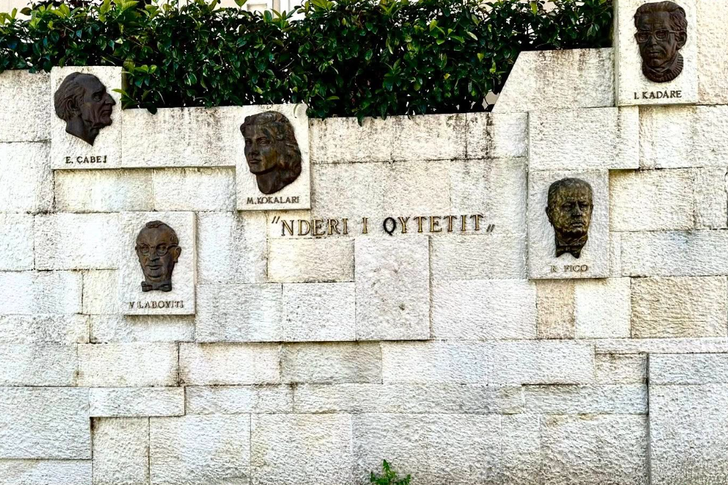
By Luan Rama After the castle, under whose shadow the cit...
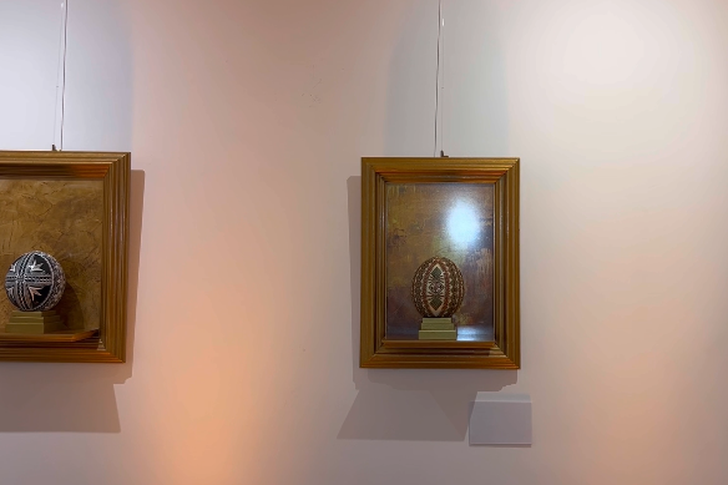
The first international Easter egg decoration exhibition h...
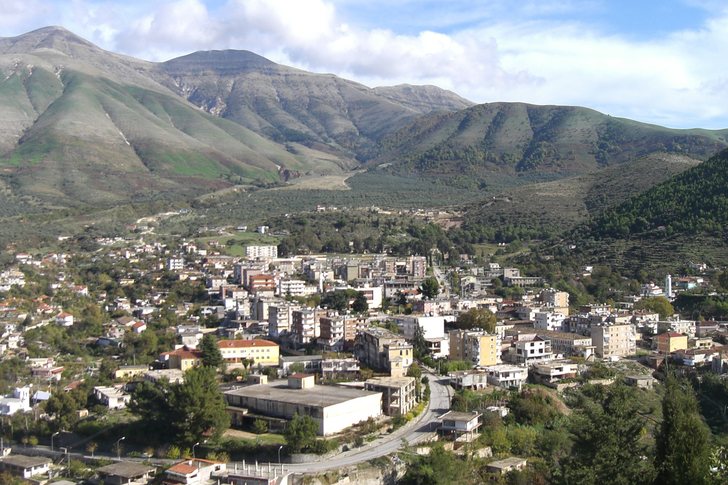
The National Council for Material Cultural Heritage has de...
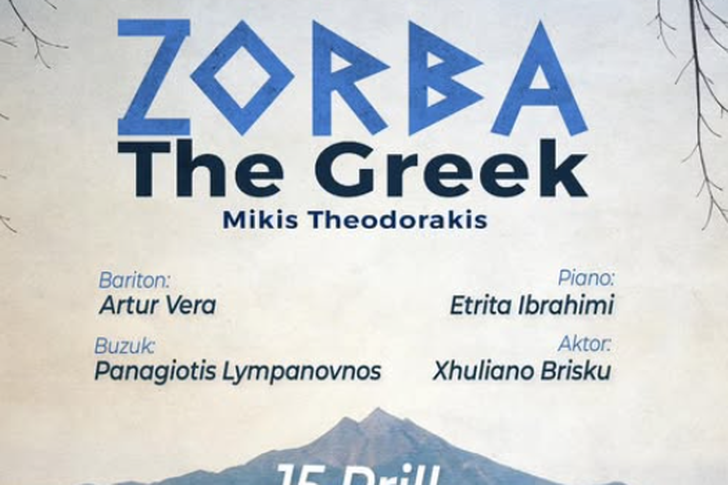
"Zorba -The Greek", this is the title of a special concert...

The Council of Ministers has decided at today's meeting to...

The documentary "Nikolla i zemrës së Tiranës" (Nikolla of ...
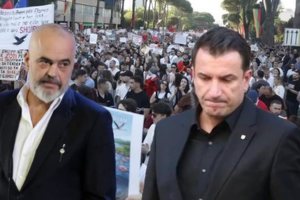
There have been 12 days of protests in the capital, which ...
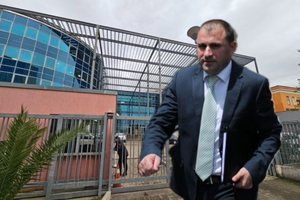
Dritan Prençi is the SPAK prosecutor who is sleeping on th...
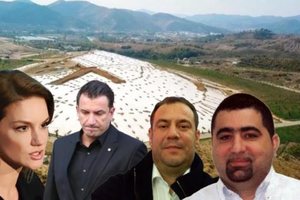
The in-depth investigations that SPAK conducted into Ajola...
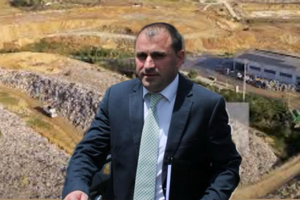
SPAK's standards, the way it investigates, how it secures ...

The Special Board of Appeal (KPA) decided this Monday ...

The KPA vetting decided this Thursday to dismiss the p...

Suela Salavaçi, a prosecutor in the Prosecutor's Offic...

The Special Board of Appeal reinstated the prosecutor ...
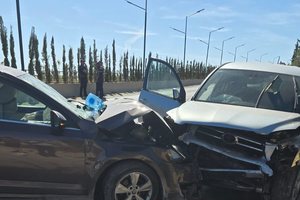
A road accident occurred today in Dhërmi. According to in...
The Police Supervision Agency has announced the security m...
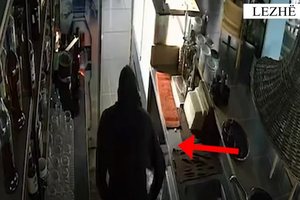
A 21-year-old man has been arrested after, together with a...
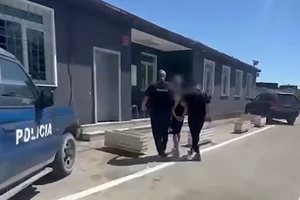
Fier Police have conducted an operation where they have cr...
Today our country will be affected by stable weather condi...
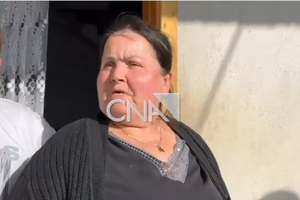
A tragic accident occurred this Friday afternoon in Kameni...

Today our country will be affected by unstable weather con...

On Thursday, our country will be affected by relatively un...
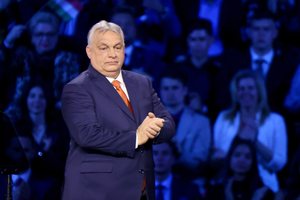
Former Hungarian Prime Minister Viktor Orban was re-electe...

US President Donald Trump has stated that a deal with Iran...
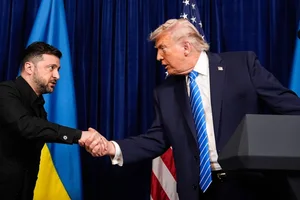
US President Donald Trump and Ukrainian President Volodymy...
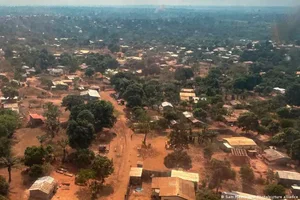
The US has deported a group of migrants to the Central Afr...
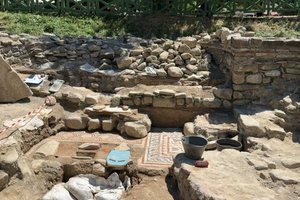
Several archaeological excavations conducted during this s...
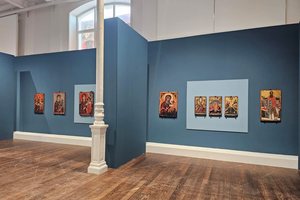
At the Museum of Fine Arts in Chambéry, France, an exhibit...
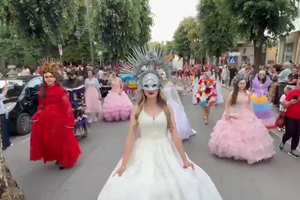
Korça has transformed this weekend into the capital of cel...
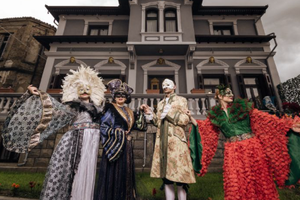
Korça is ready to open the summer season with one of the c...

The labor market is facing increasing polarization where w...

This Saturday, one US dollar is bought for 81.5 lek and so...
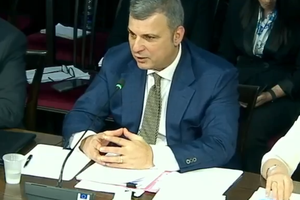
The Governor of the Bank of Albania, Gent Sejko, shared to...

Business lending has increased in the first half of this y...