

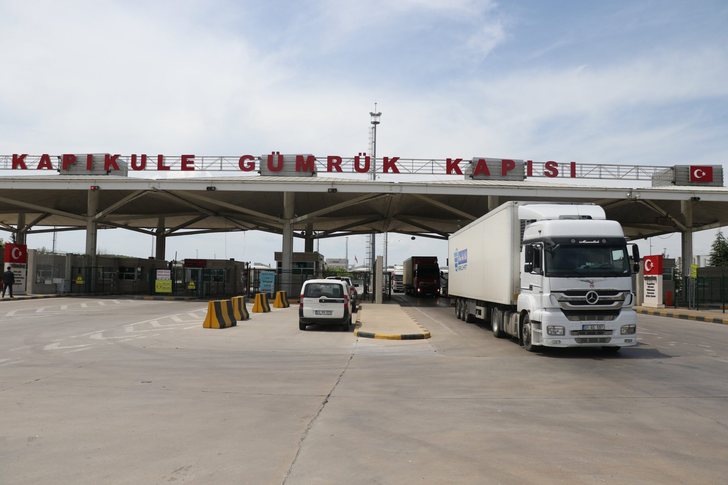
Turkey doubles its export with Kosovo
Turkey has doubled the export of goods with Kosovo. T...


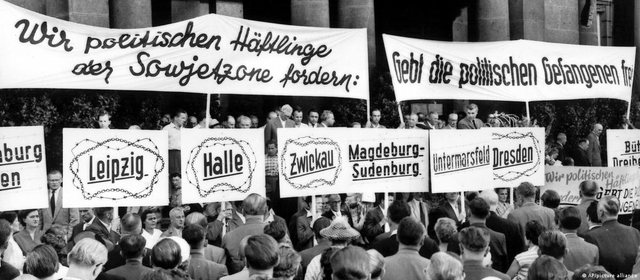
What is the connection between Russia's war of aggression against Ukraine and the failure of the popular uprising in the communist German Democratic Republic (GDR) on June 17, 1953? Strictly speaking, there is no connection. But if you look more broadly, similar motives can be identified, despite all the differences in historical circumstances. Both on the side of the aggressors and their imperialist claims to power, and on the side of the people fighting for freedom and independence.
After World War II, which ended in 1945, there were - broadly - two enemy camps on a global scale: capitalist democracies and communist dictatorships. In the first place, the American and Soviet superpowers. Together with Great Britain and France, they had defeated Nazi Germany.
After the military success, the alliance of convenience created against Adolf Hitler fell apart again. The Soviet Union expanded its area of ??power and influence: large parts of Europe became communist. Among them, East Germany, GDR. The center of power of this so-called Eastern bloc was in Moscow, the then Soviet capital, today the Russian capital.
It was at this time that the term cold war was imposed. It was a more or less strained relationship between the American and Soviet superpowers and the countries that supported them. The political and ideological dividing line in Europe ran between a similarly divided Germany and Berlin.
It was here that the consequences of the duel with weapons and military threats were particularly visible: while the Federal Republic, with its free market economy, materially recovered from the consequences of the war quite quickly, the economy, state-led planning in the GDR resulted in supply shortages, from which many escaped by fleeing to the West.
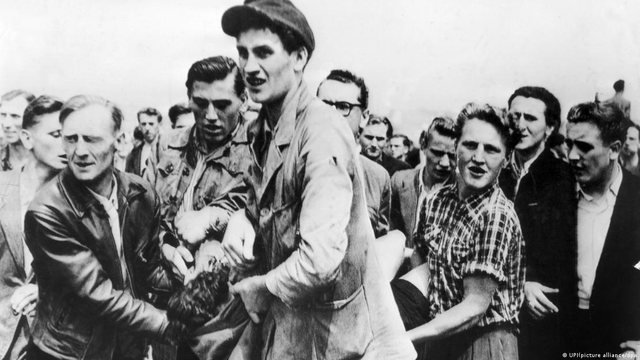
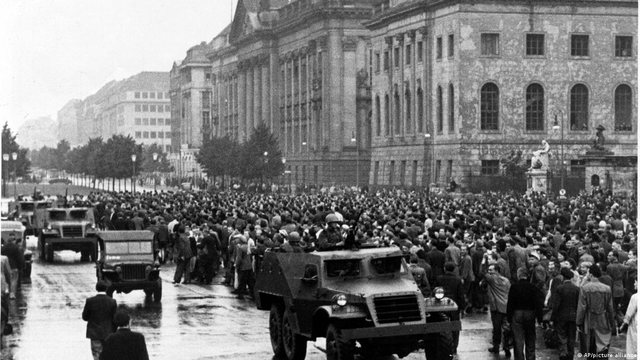
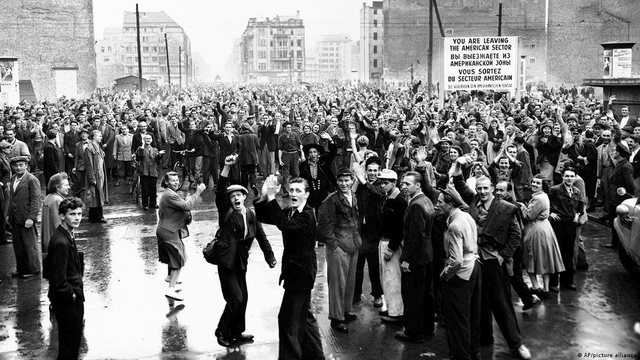
On June 17, 1953, the situation escalated: after a few isolated protests against growing mismanagement, frustration broke out across East Germany. About a million people took part in the popular uprising, demanding free elections and German reunification. But their cry for freedom was not heard.
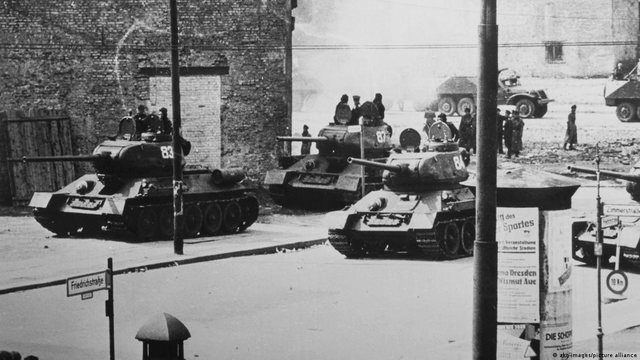
Moscow's leaders crushed the popular uprising with their tanks and soldiers stationed in the GDR. More than 100 people died in the street clashes or were subsequently sentenced to death. Many of them have spent years in prison.
Liberation movements in Hungary (1956), Czechoslovakia (1968) and Poland (1980) met similar fates. All attempts to break free from Moscow's chains have failed. It was only thanks to the policies of Moscow's communist reformer, Mikhail Gorbachev, that the inhabitants of the Eastern bloc countries regained their courage. In Germany, the Peaceful Revolution of 1989 led to the fall of the Berlin Wall and reunification a year later.
The Soviet Union, founded in 1917, was also coming to an end. It dissolved in 1991. Among the 15 independent states since then: Ukraine. A country that Russian leader Vladimir Putin denies the right to exist and therefore attacked on February 24, 2022, in violation of international law. Since 2014, the Crimean peninsula of Ukraine was annexed - mostly without violence, but also in violation of international law.
70 years ago, on June 17, 1953, Western democracies, led by the United States of America, hesitated to support the popular uprising in the GDR. The fear of a third world war fought with nuclear weapons was very great. A concern that continues to haunt many people after Russia's invasion of Ukraine.
Despite this, many countries and the North Atlantic Treaty Organization (NATO) have decided to support Ukraine, which is fighting for its freedom and independence, militarily by giving it weapons and politically by offering it the opportunity to member of the European Union. Both are a promise of a better future, which no one can guarantee.
When the people of the GDR rose on June 17, 1953 against the government and at the same time against the Soviet occupying forces, free West Germany was content with moral support. From a geopolitical point of view, at that time there was no other option. The decision-making power belonged to the Soviet Union and the United States. The duel between capitalism and communism was based on the so-called balance of forces.
By this was meant a military stalemate in which neither side had a realistic prospect of victory. Opinions change in 2023, the second year of the war in Ukraine. That said, the community of Western states this time has not hesitated to support Ukraine in its fight for freedom against the Russian aggressor, supplying it with weapons and welcoming refugees.
However, conditions are no longer the same as when Europe was politically and economically divided between East and West. Communist dictatorships belong to the past. They were defeated peacefully by freedom-loving people, decades after suppressed popular uprisings in the GDR and elsewhere.
Despite its failure, the popular uprising of June 17, 1953 occupies a special place in history: that of a model for all subsequent attempts to become or remain free and independent. Seventy years later, reunified Germany remembers the tragic end, but above all the courage of the people, through numerous commemorative events and exhibitions. It is quite natural to make the connection with the struggle for freedom in Ukraine./ DW

Turkey has doubled the export of goods with Kosovo. T...
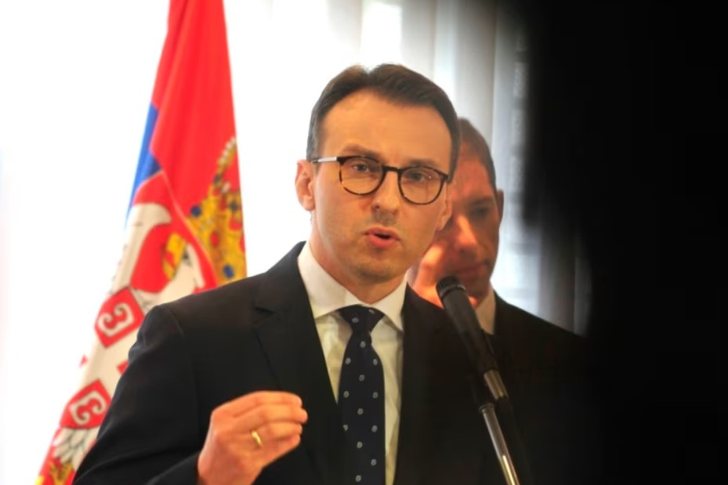
The director of the Office for Kosovo in the Serbian gover...
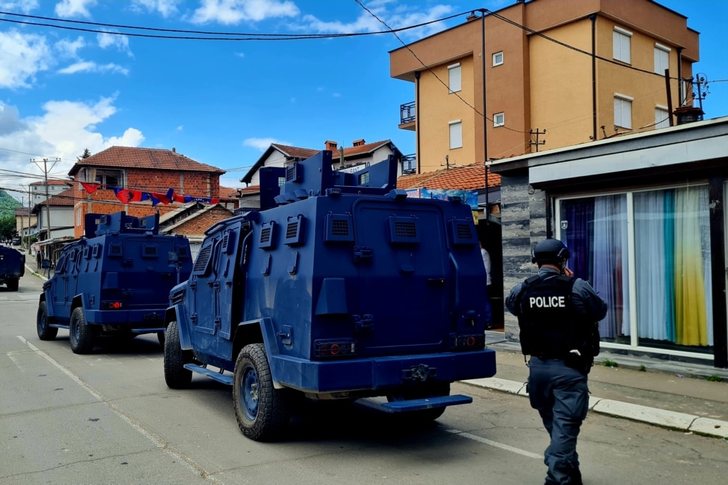
Two explosions with Molotov bombs occurred in the late hou...
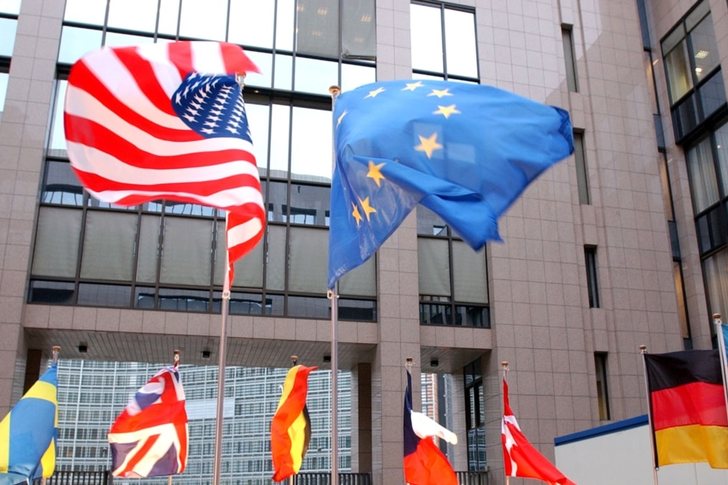
The United States of America (USA), the United Kingdom and...
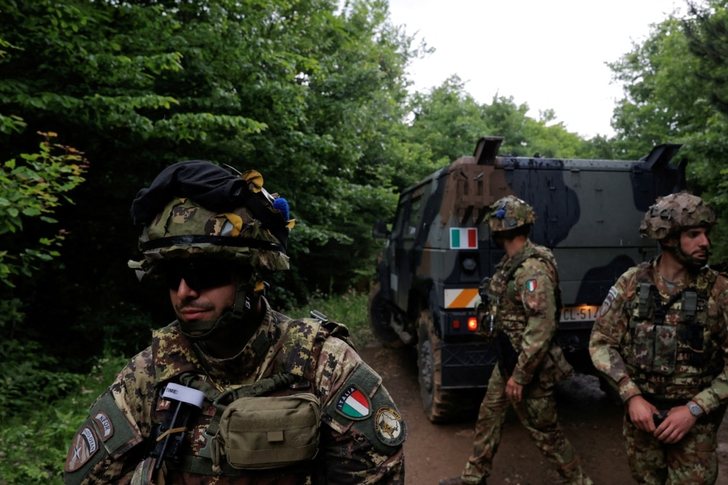
The NATO mission in Kosovo, KFOR, said that it is not clea...
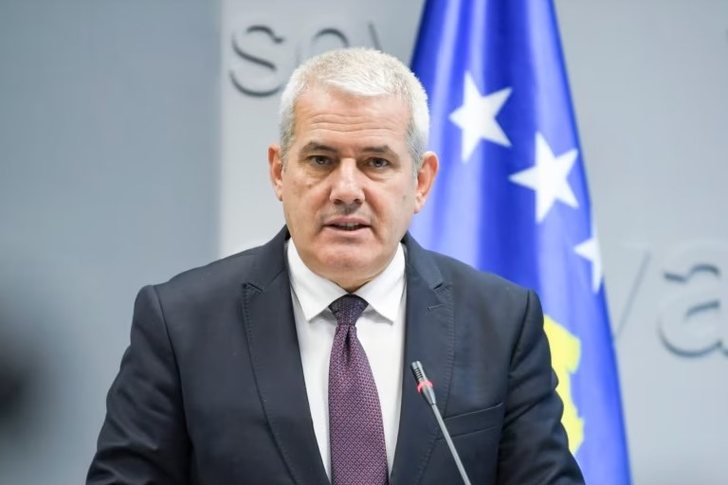
The Minister of Internal Affairs of the Government of ...
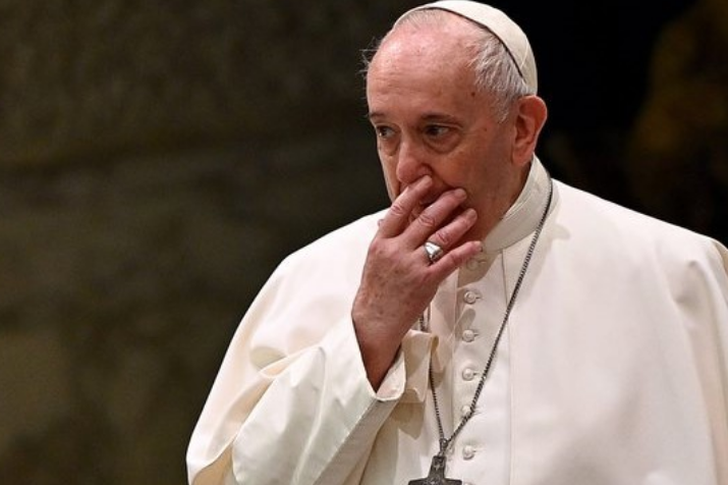
Pope Francis left the hospital today after nine days of ab...
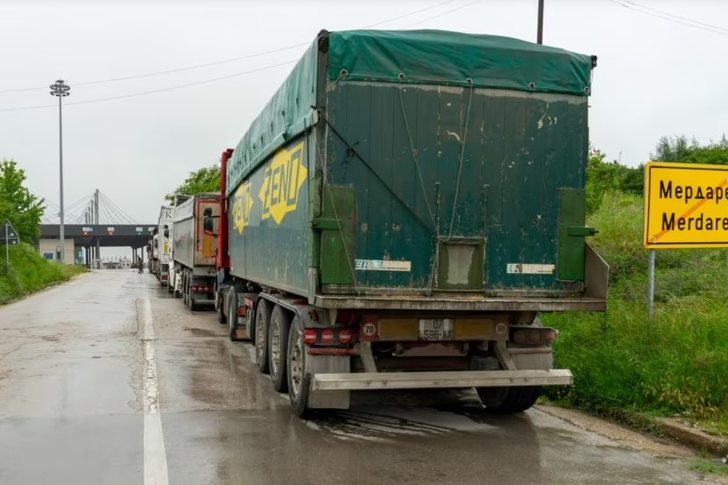
No truck with goods originating from Serbia has entered th...
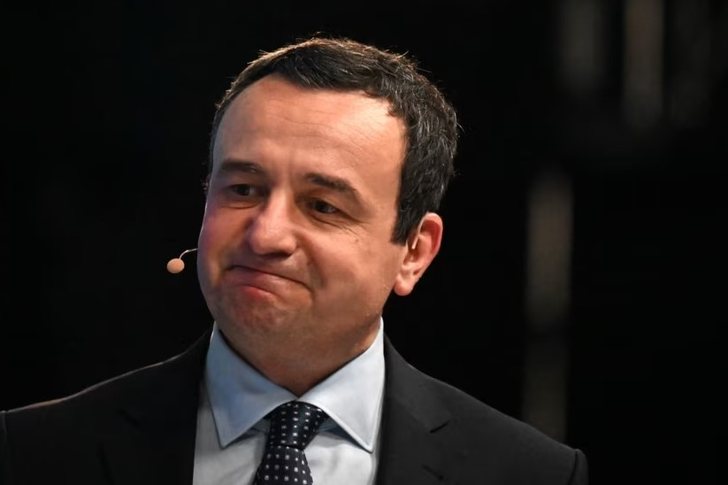
The Prime Minister of Kosovo, Albin Kurti, said that what ...
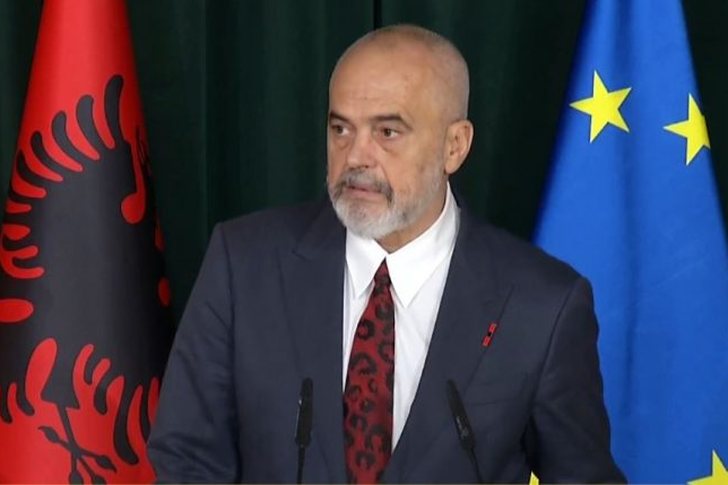
Kryeministri Edi Rama ka theksuar emergjencën për të lirua...
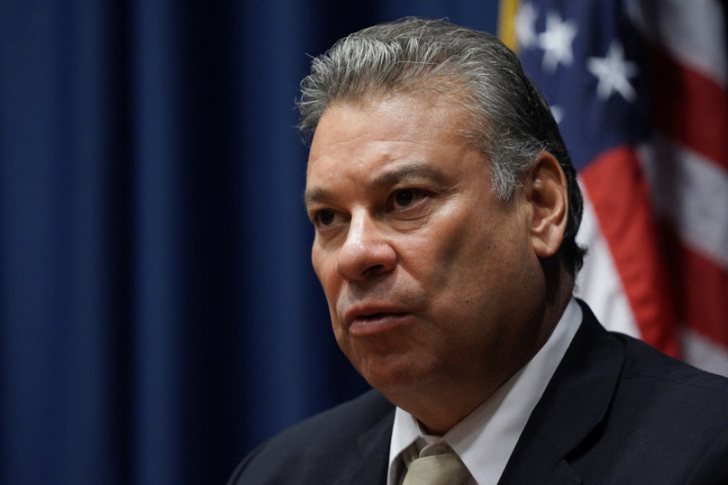
I dërguari i Shteteve të Bashkuara të Amerikës për Ballkan...
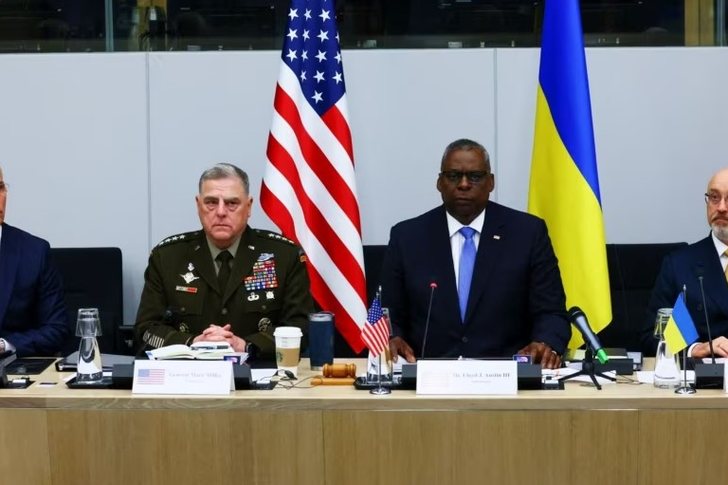
NATO defense ministers met on Thursday to discuss relation...
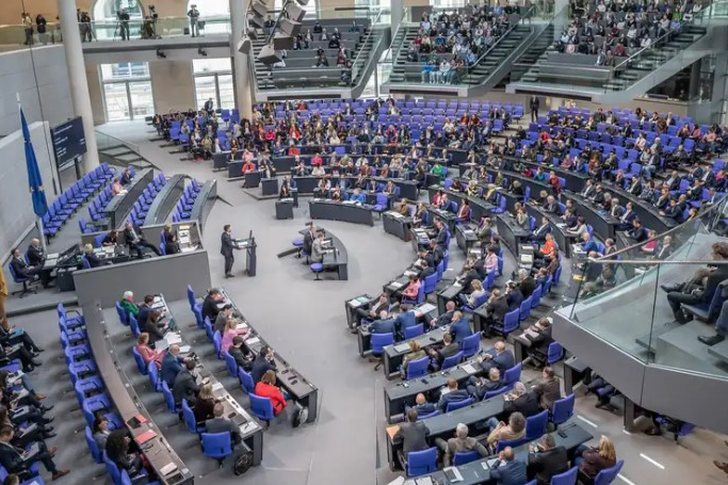
On the eve of the change of the constitution in North Mace...
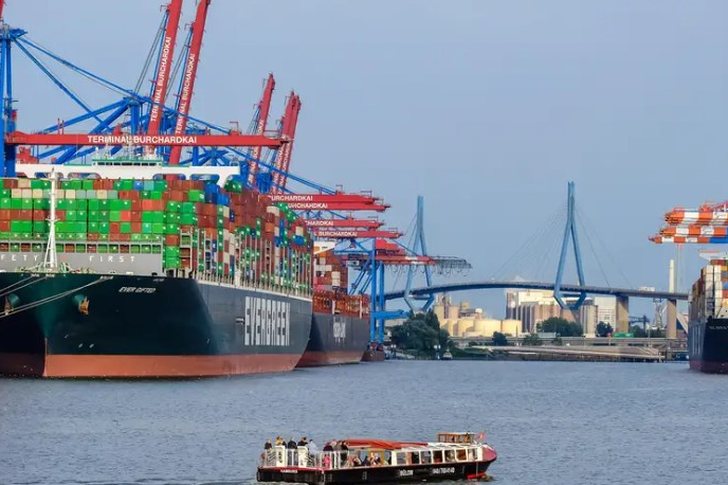
Inflacioni e ka ulur dëshirën e konsumatorëve për të blerë...
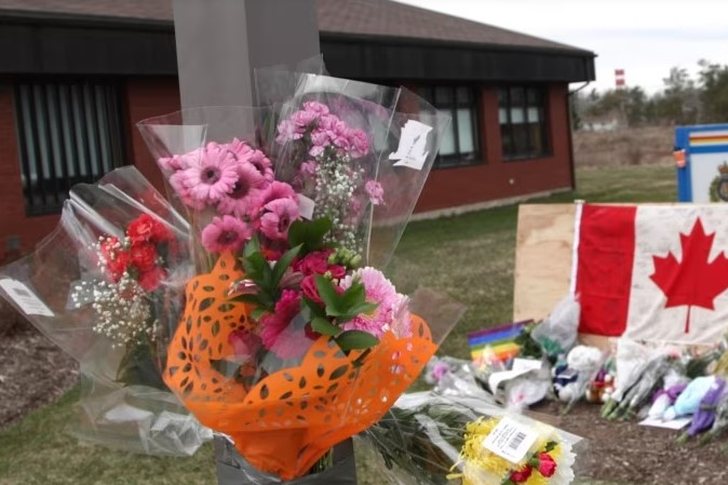
A bus carrying elderly people to a casino collided with a ...
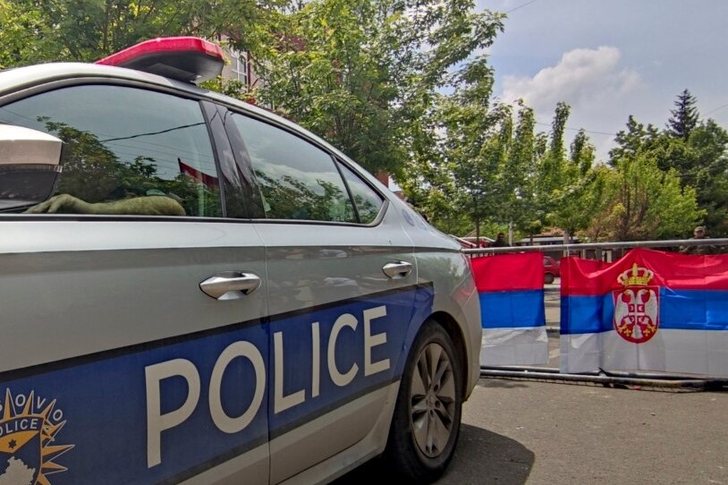
Zëdhënësi i Policisë së Kosovës për veriun, Veton Elshani,...
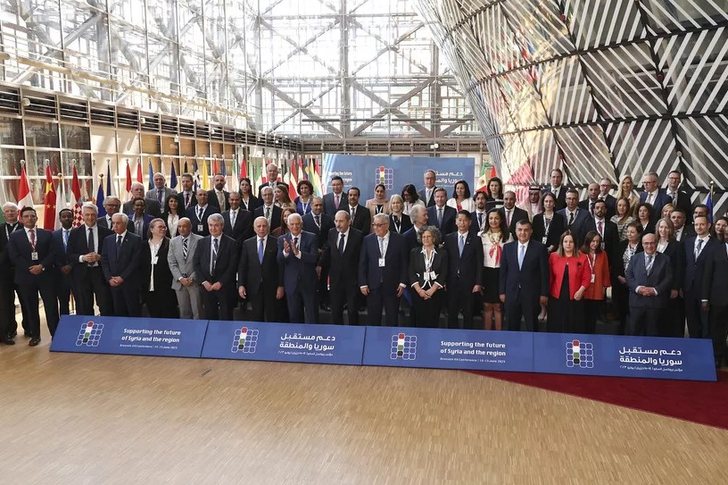
Donors in Brussels have pledged 9.6 billion euros ($10.3 b...
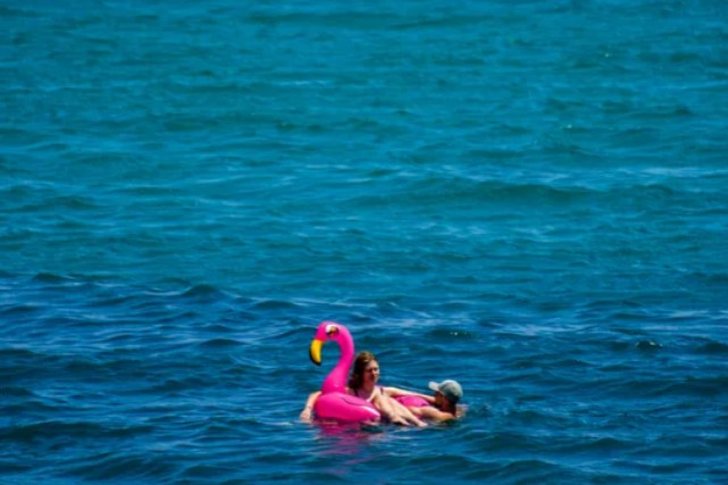
Russian tourists are a thing of the past in Europe, follow...
US cybersecurity firm Mandiant says Chinese hackers, suspe...
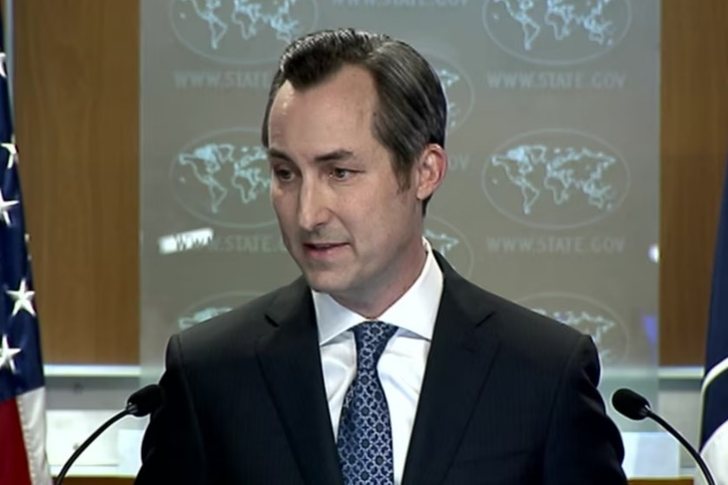
The United States on Thursday demanded the unconditional r...

CNA has launched another investigation that could lead to ...

Irfan Hysenbelliu is a businessman that we call "Irfan the...

In March 2026, CNA launched another investigation centered...
The arrested mayor of Tirana, Erion Veliaj, with 13 charge...

The Special Board of Appeal (KPA) decided this Monday ...

The KPA vetting decided this Thursday to dismiss the p...

Suela Salavaçi, a prosecutor in the Prosecutor's Offic...

The Special Board of Appeal reinstated the prosecutor ...
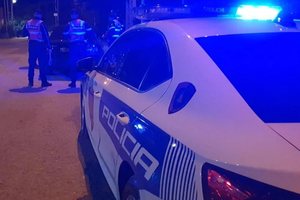
A conflict occurred this Thursday evening in the toy area ...
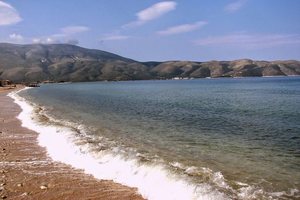
A person has died today on Orikum beach. According to repo...
Footage emerges from the serious accident that occurred th...
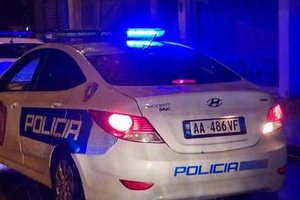
A Shkodra traffic police officer was hit with hard objects...

Children without parental care, for whom alternative famil...

On Thursday, our country will be under the influence of st...
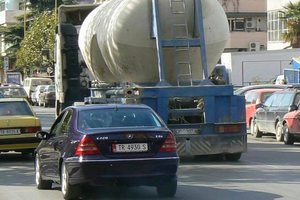
A serious accident that occurred this Wednesday with the c...

The Institute of Geosciences has shared a forecast for wea...
The European Union Office in Kosovo has called on all poli...
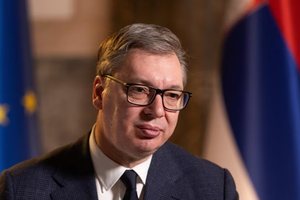
Serbian President Aleksandar Vučić, at a press conference ...
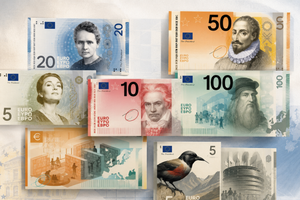
For the first time since the launch of the euro, European ...

Artificial intelligence (AI) models from the American comp...

At a time when industrial products are increasingly taking...

Trust among people is not just a three-syllable word. It c...

Master of humor Todi Llupi has passed away at the age of 7...

The ninth edition of "MIK Festival" kicked off with one of...
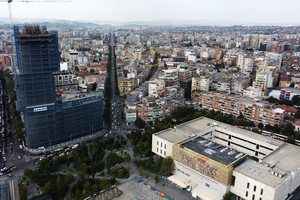
The average sale price of apartments in Tirana reaches rec...
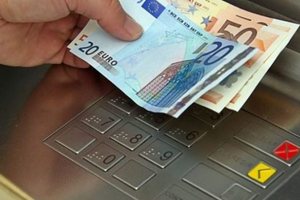
This Thursday, one US dollar is bought for 81.5 lek and so...
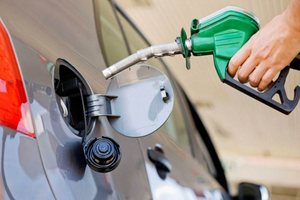
The price of diesel reached 206 lek per liter from 198 lek...

Businesses will no longer be required to simply register t...