


4.2 million euros for Kanye West/Berisha: He stole pensioners' money with criminal records
DP leader Sali Berisha has accused the government of using...

DP leader Sali Berisha has accused the government of using...

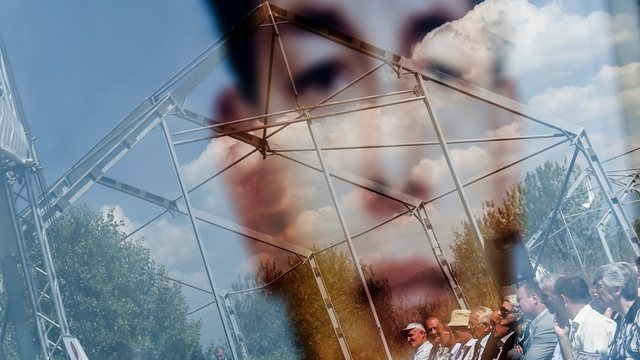
The families of the missing from Kosovo have asked the authorities in Belgrade and Pristina to depoliticize the search for more than 1,600 people missing from the last war in Kosovo in 1998-99.
"We have the right to a decent burial of our loved ones. We have the right to prosecute war crimes. We have the right to compensation and the construction of a memorial to the missing at the scene of the crime," said Natasha Shqepanovi? , president of the Association of Families of Kosovo Victims.
From the joint press conferences on December 12 in Belgrade and finally in Pristina, the families of the missing persons, on the occasion of the International Human Rights Day on December 10, called on the competent institutions to resolve this issue.
Bajram Qerkinaj from the Resource Center for Missing Persons based in Pristina, estimated in Belgrade that the results would not be lacking if the authorities treated the search for missing persons as a humanitarian issue.
"Politicians do not allow this process to move forward. We are not sufficiently familiar with the results because no one informs us, therefore together we are trying to explain how the situation is" , said Qerkinaj.
According to the data of the European Union Mission for the Rule of Law in Kosovo (EULEX) from September of this year, 1,616 people are missing from the last war in Kosovo. The Government Commission for Missing Persons of Serbia announced that about two-thirds of them are Albanians, 568 are Serbs and other non-Albanians.
Their families have appealed together for the working groups of Pristina and Belgrade to find the missing, to start working again, because they have not met since 2021.
The last formal move by both sides was on May 2, when in Brussels, in talks on the normalization of relations between Serbia and Kosovo, the Prime Minister of Kosovo, Albin Kurti, and the President of Serbia, Aleksandar Vu?i?, signed a statement on the missing in the period 1998-2001.
In that document, they committed to cooperation in the identification and research of graves, the exchange of information and documentation, as well as the realization of the rights of the families of the disappeared.
Natasha Shqepanovic said that finding missing persons is a prerequisite for reconciliation in Kosovo.
"Our right to the truth is being violated by the representatives of the Government throwing dust in our eyes. Their position is that they do not have the political will to work together to shed light on the fate of the missing persons," Shcepanovic said.
EULEX reported that the perpetrators often hide evidence of kidnappings and murders of people, burying the bodies in small secret graves, even in cemeteries.
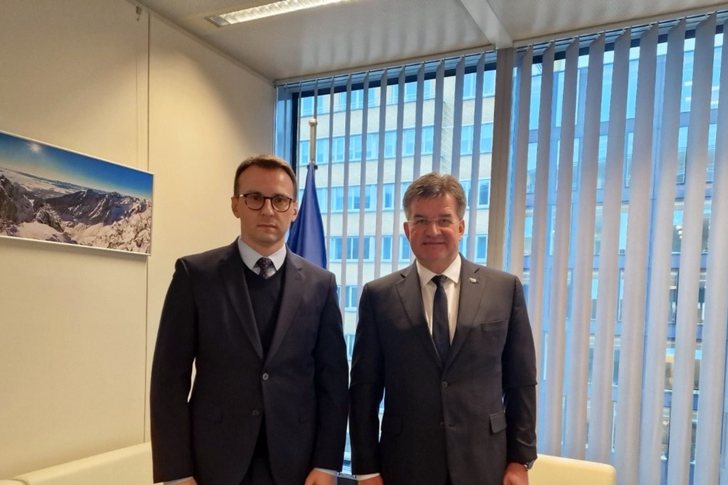
The representative of the European Union, Miroslav Lajcak, and the head of EULEX, Giovanni Pietro Barbano, recently asked the authorities in Pristina and Belgrade to make progress in determining the fate of the disappeared and to recognize their families' right to the truth.
EULEX announced on August 30 that, since the beginning of its mandate 15 years ago, it has carried out 746 field operations to find the missing, including 200 exhumations. He announced that he identified the remains of 492 people, including 339 missing people./ REL


A spokeswoman for Alexei Navalny said the loss of contact ...
Mianmari është tani prodhuesi më i madh në botë i opiu...
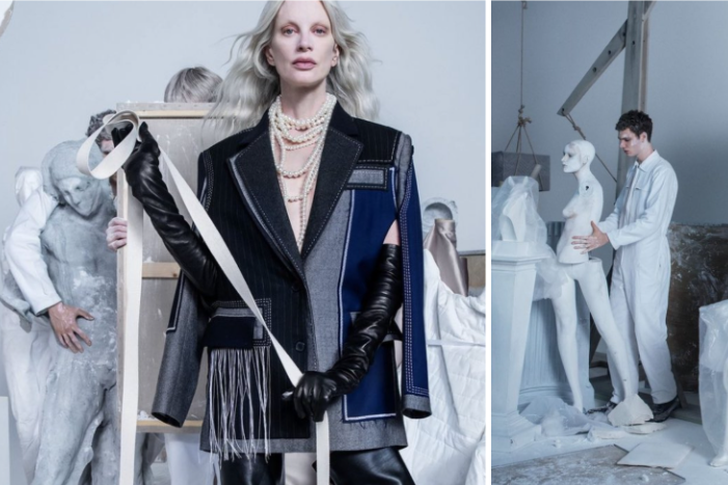
Fashion giant Zara is facing protests and calls for a ...

The candidate who won the elections as mayor of Himarë...

Analyst Andi Bushati spoke about the affair of the inc...
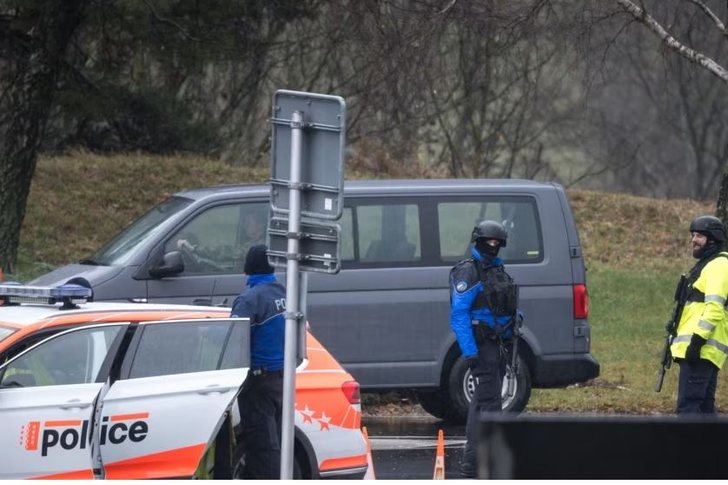
A serious event happened this Monday in Switzerland wh...
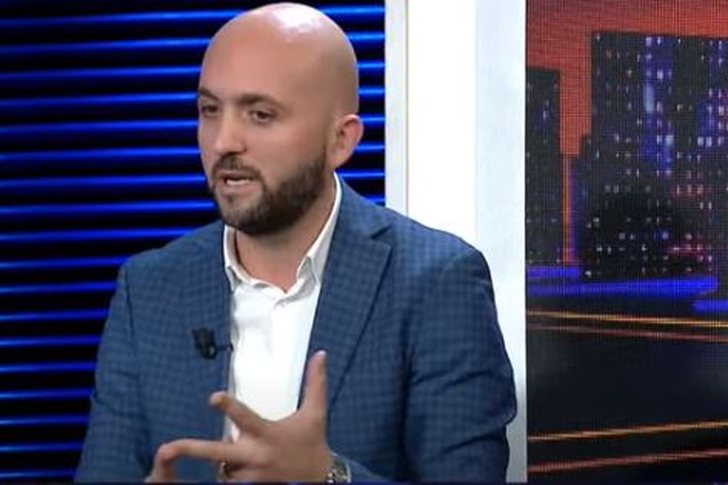
Economy expert Violdi Danaj showed how the leaders of ...
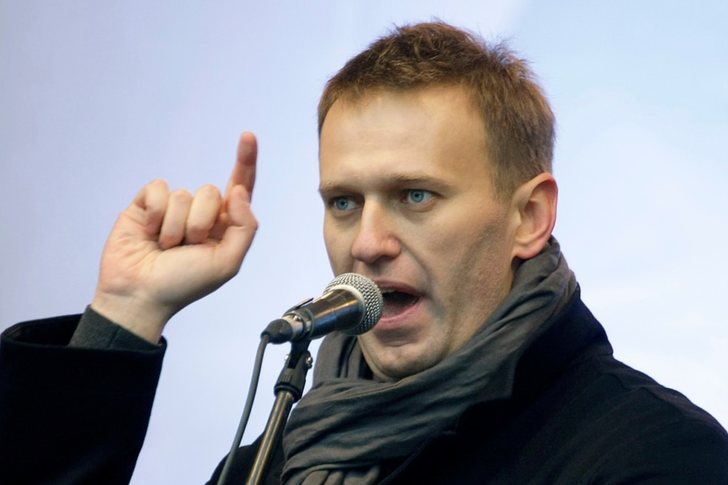
Allies of jailed Russian opposition leader Alexei Navalny ...
The economy expert, Brisida Shehaj, spoke about the SP...
The director of the Office for Kosovo in the Governmen...
Vladimir Putin has traveled to a shipyard to participa...
The Minister of Education and Sports Ogerta Manastirli...
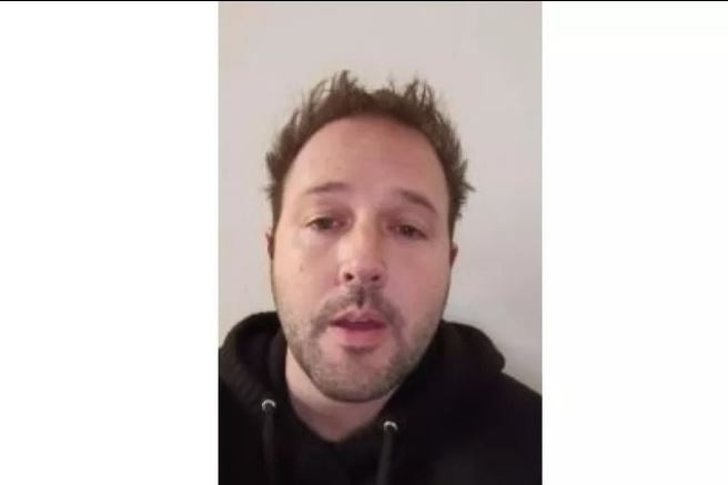
A serious event took place in Sion, Switzerland, where ...

Të hënën, Gjykata Themelore në Prishtinë ka caktuar ma...
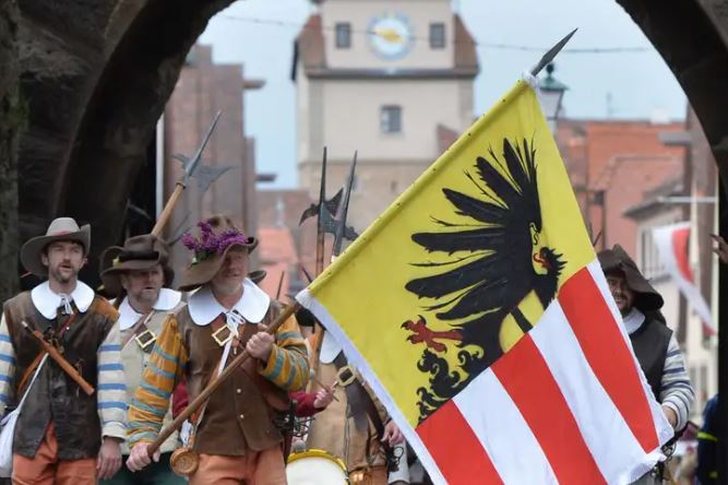
Basic facts about Germany, how to get around, where to sta...
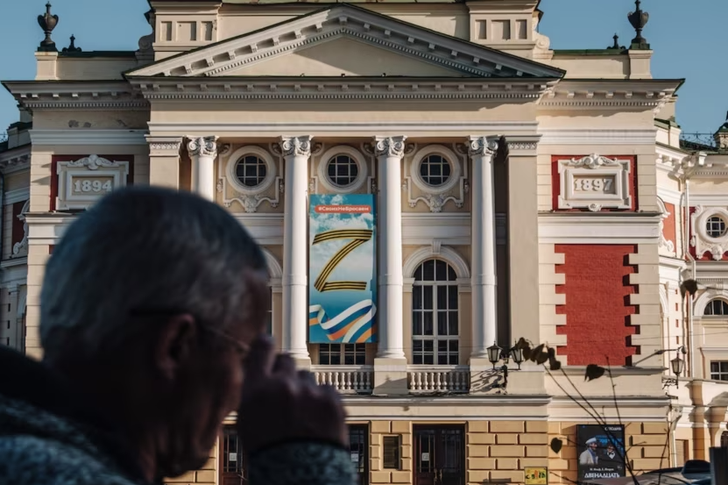
A few days after the start of Russia's war in Ukraine,...
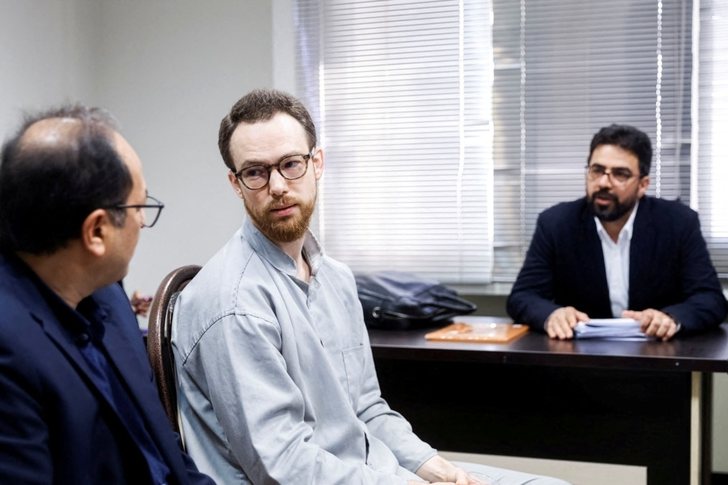
Iran said on Sunday it had started the trial of a Swedish ...
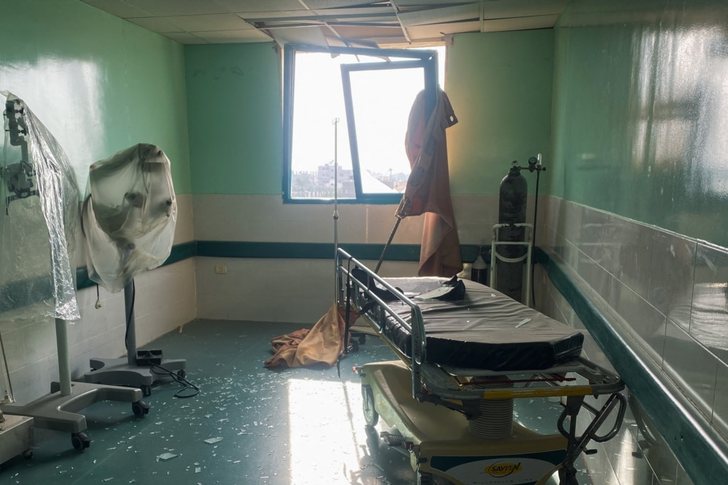
The Director-General of the World Health Organization, Ted...
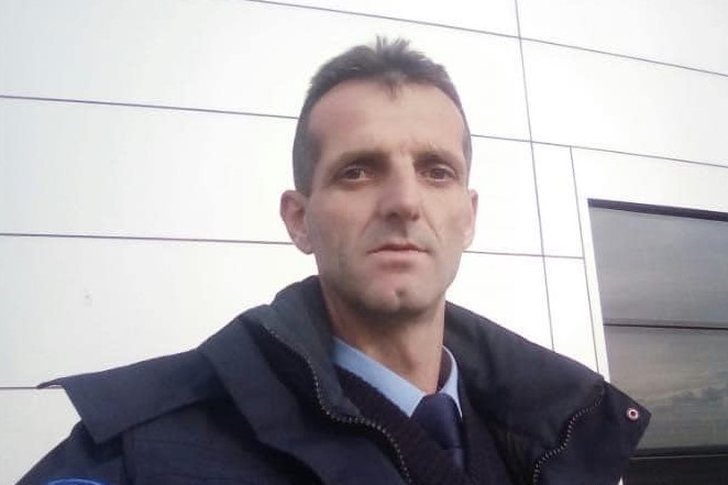
A Kosovo police officer was found dead this Sunday. I...
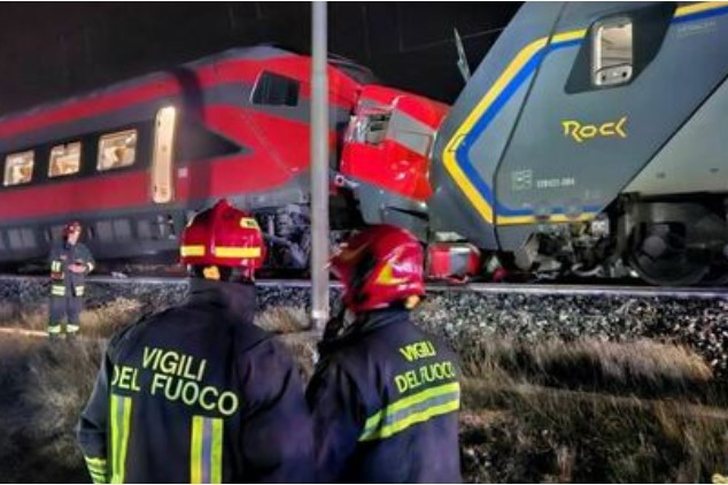
This Sunday evening, two trains of the Bologna-Rimini rail...
A 39-year-old citizen has been arrested in Lezha, after se...

CNA has launched another investigation that could lead to ...

Irfan Hysenbelliu is a businessman that we call "Irfan the...

In March 2026, CNA launched another investigation centered...

The Special Board of Appeal (KPA) decided this Monday ...

The KPA vetting decided this Thursday to dismiss the p...

Suela Salavaçi, a prosecutor in the Prosecutor's Offic...

The Special Board of Appeal reinstated the prosecutor ...
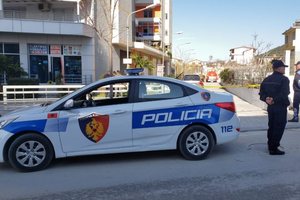
A serious incident occurred in Lushnje, where citizen IY, ...
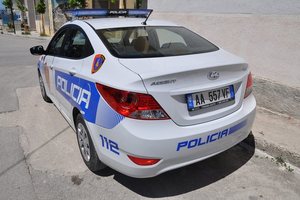
As a result of the investigative and procedural actions ca...
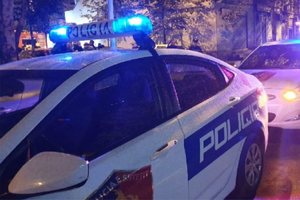
A conflict for weak motives was recorded today in the vill...

An accident involving three vehicles occurred a few minute...

Today, our country will be under the influence of stable a...

By noon, cloudiness is expected to prevail in almost all o...

Children without parental care, for whom alternative famil...
On Thursday, our country will be under the influence of st...
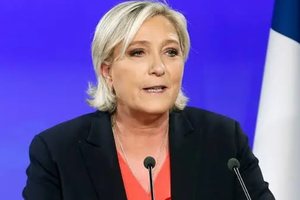
Marine Le Pen is entering the decisive phase of the presid...
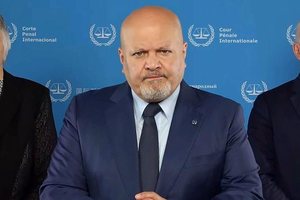
Member states of the International Criminal Court voted to...

From the declining role of exports to new public investmen...

South Korea is becoming one of the most sought-after desti...
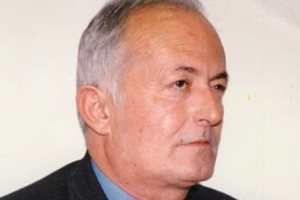
Two windows, a century of history and the metaphysics of p...
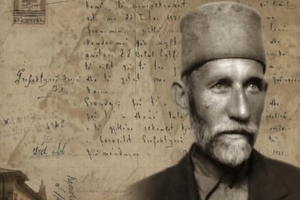
In my research at the Central State Archives, specifically...

At a time when industrial products are increasingly taking...

Trust among people is not just a three-syllable word. It c...

This Saturday, one US dollar is bought for 81.7 lek and so...
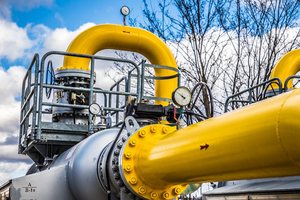
War, weather and supply disruptions could send gas prices ...
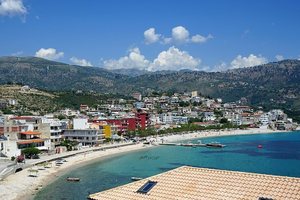
The number of active enterprises in Albania continued to g...
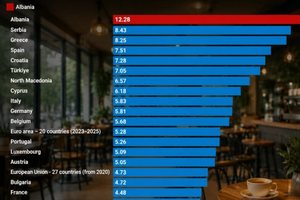
In Albania, the bar-cafe has long become an almost unique ...