


"With fake but original FB"/ Rama stings Qori, Lapaj and Shehaj
Prime Minister Edi Rama has ironically mocked the infiltra...

Prime Minister Edi Rama has ironically mocked the infiltra...

The global energy market is facing one of the most severe disruptions in decades, with the effective closure of the Strait of Hormuz - a vital artery for 20 percent of global maritime trade and a third of the world's liquefied natural gas - as the United States and Israel continue their war with Iran.
Coordinated Israeli airstrikes on key Iranian gas facilities in South Pars and Asalujeh, as well as Iranian retaliatory attacks on energy facilities in the United Arab Emirates, Saudi Arabia and Qatar, have paralyzed tanker movements and the market response has been dramatic.
Brent crude oil prices rose to $116.38 a barrel on March 19, and natural gas prices in Europe rose sharply, reflecting the shortage of physically accessible energy. The soaring gas prices have forced nitrogen and urea fertilizer plants to cut production just before the planting season, disrupting supplies and putting countries in Asia, Africa and Latin America at risk of crop failures and the possibility of famine.
In light of this market uncertainty, the strategic importance of Kazakhstan's and Turkmenistan's energy reserves has never been greater.
Despite being caught in the middle of the US-Israeli war with Iran to the south, the Russia-Ukraine conflict to the north, and feeling the effects of Pakistani airstrikes in Afghanistan to the southeast, both countries possess significant reserves that, if used, could ease pressure on world markets.
Turkmen gas: An option for rapid relief through road transport
Turkmenistan possesses about 19.5 trillion cubic meters of proven natural gas reserves, mainly in the Galkinish field, making it the fourth-largest country in the world.
The bulk of exports go to China via the Central Asia–China pipeline (32–33 billion cubic meters per year). Smaller quantities go to the United Arab Emirates and Oman via the Dolphin system, while limited quantities have recently reached Turkey via Iran under swap agreements.
The war involving Iran has halted most regional exports outside of China, leaving Turkmenistan's gas largely confined to existing pipelines. In an interview with Radio Free Europe, John Roberts, a nonresident senior fellow at the Atlantic Council's Global Energy Center, explained that Turkmenistan's gas offers a relatively quick supply in the current crisis.
Kazakhstan's oil: infrastructure constraints and long-term opportunities
While Turkmenistan offers a rapid option through land transport, Kazakhstan's oil sector faces long-term structural obstacles that limit immediate relief.
In an interview with Radio Free Europe/Radio Liberty's Azattyk Asia, Joseph Epstein, director of the Turan Center for Post-Soviet Studies, highlighted the structural and geopolitical limitations of Kazakhstan's oil sector.
Kazakhstan's oil illustrates the practical limits of converting natural resources into immediate relief for the market./rel

I akuzuari për vrasjen e Liridona Ademajt, Granit Plava, e...
As uncertainty surrounding indirect talks between Washingt...
The United Arab Emirates has announced that it has interce...
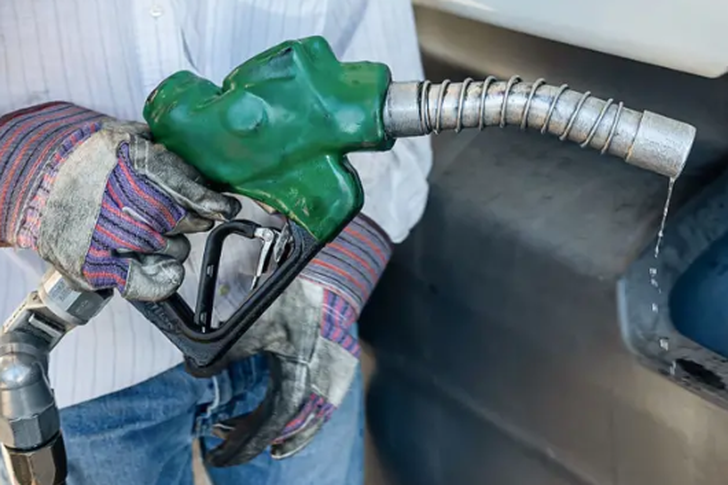
Global oil prices rose in Asia on Thursday after Iran's fo...
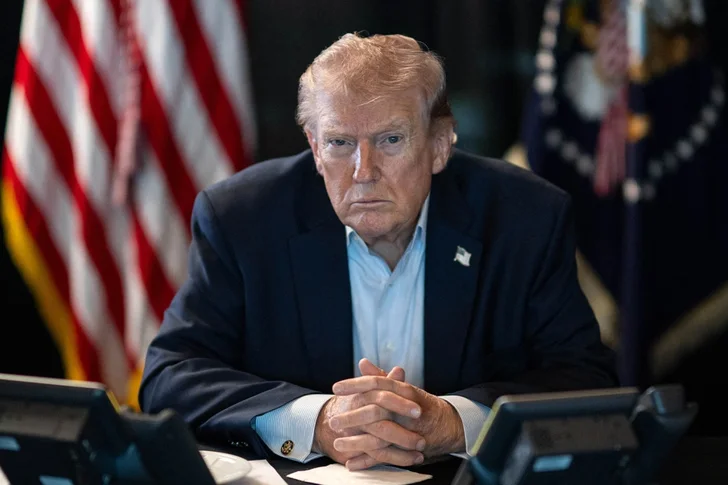
US President Donald Trump said Iran's leaders are "afraid"...
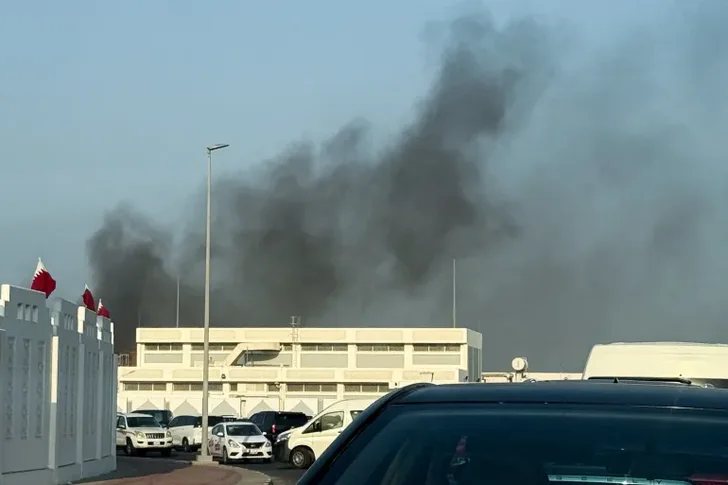
A group of Middle Eastern countries have issued a joint st...
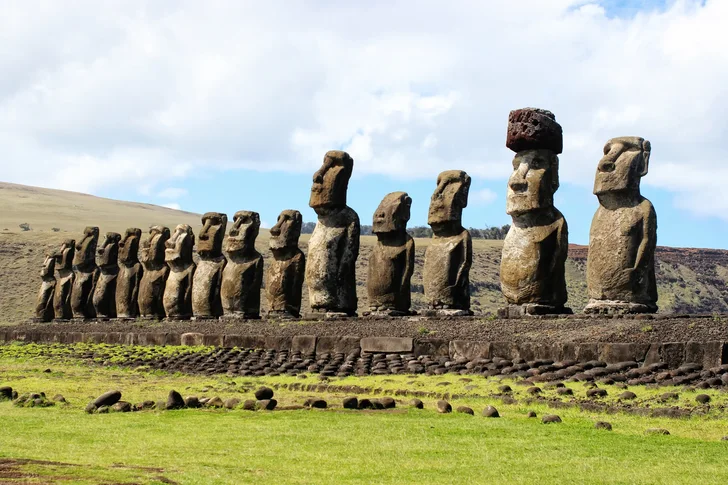
One of the most mysterious places in the world, Easter Isl...
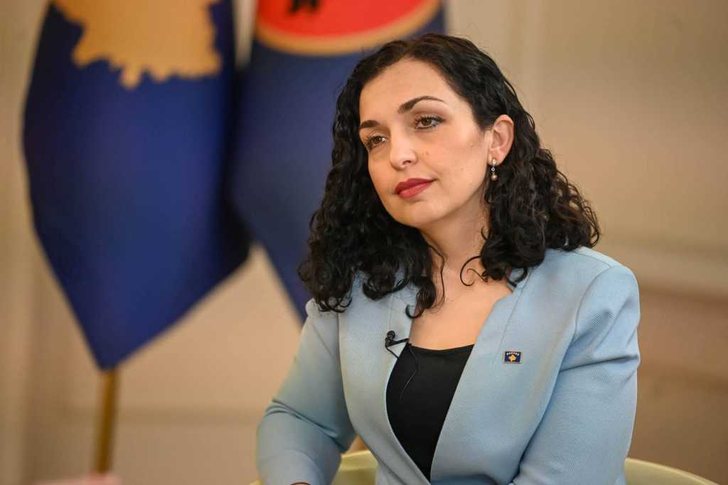
Kosovo President Vjosa Osmani has reacted after the Consti...

Serbian President Aleksandar Vučić has continued to mainta...

Italy's Tourism Minister Daniela Santanche has submitted h...

A jury in Los Angeles has handed an unprecedented victory ...
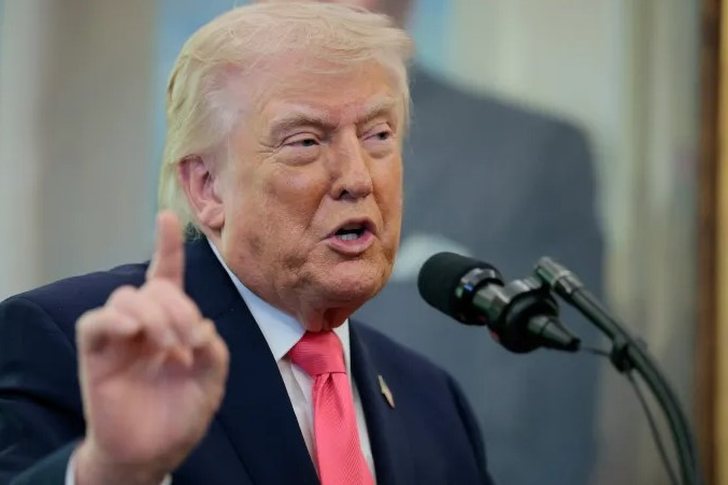
White House Press Secretary Caroline Leavitt held a press ...
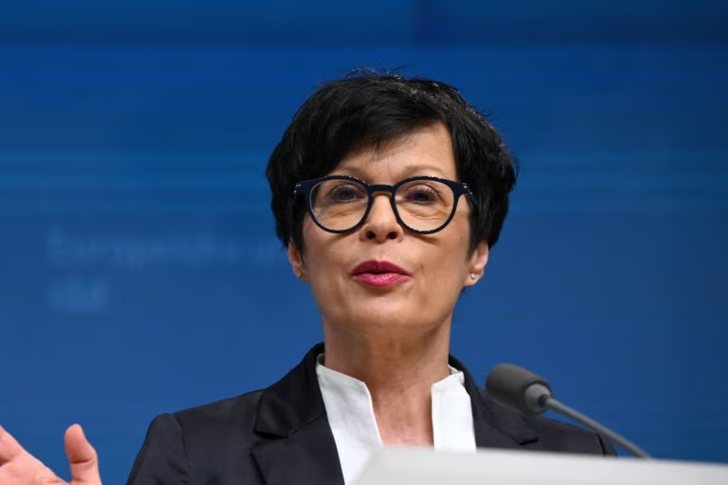
European Commissioner for Enlargement, Marta Kos, will fac...

A humanoid robot took center stage on the second day of U....
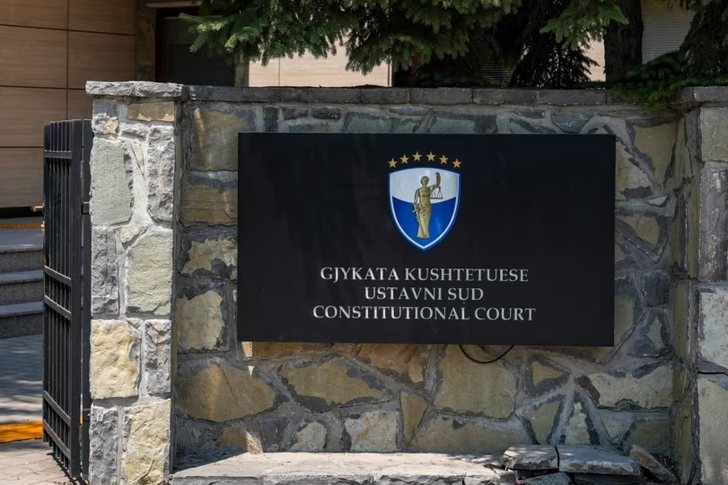
Lawmakers in Kosovo have over a month to elect the country...
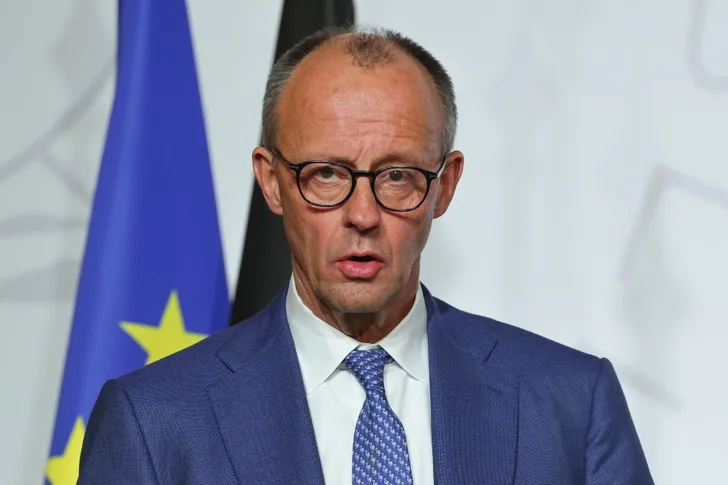
German Chancellor Friedrich Merz stated during a parliamen...
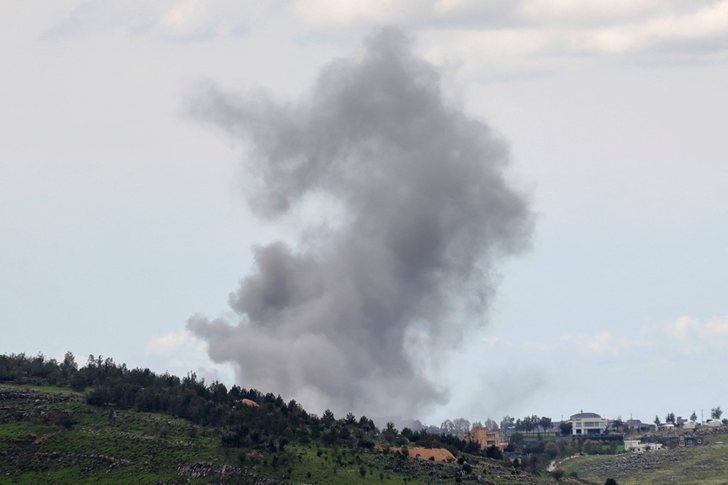
The Israeli Defense Forces (IDF) have said they have elimi...
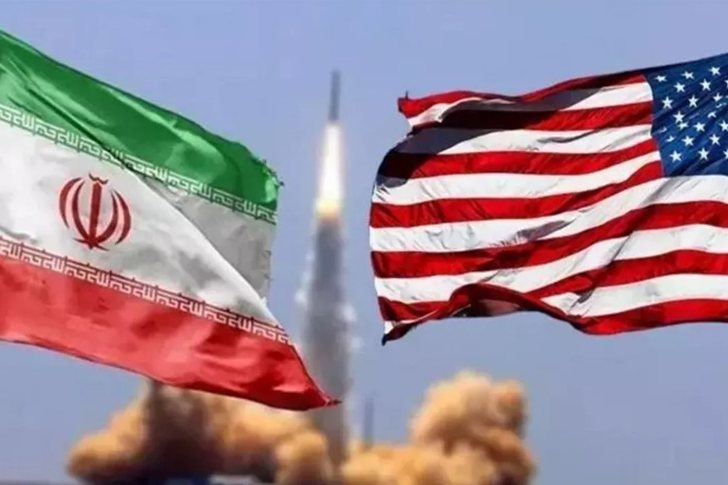
Iran confirmed today that it had received a 15-point plan ...
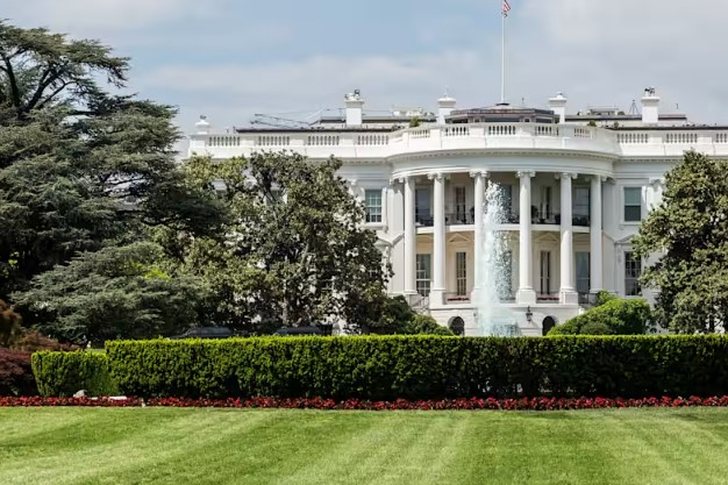
Trump administration officials are working to organize a m...
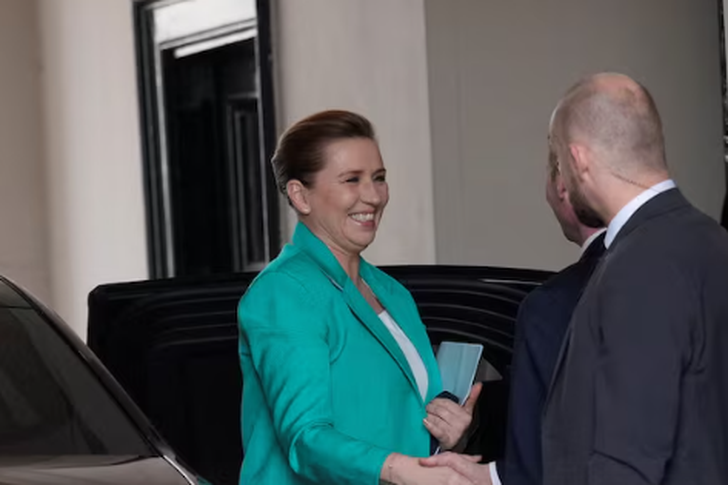
Danish Prime Minister Mette Frederiksen has submitted her ...

CNA has launched another investigation that could lead to ...

Irfan Hysenbelliu is a businessman that we call "Irfan the...

In March 2026, CNA launched another investigation centered...
The arrested mayor of Tirana, Erion Veliaj, with 13 charge...

The Special Board of Appeal (KPA) decided this Monday ...

The KPA vetting decided this Thursday to dismiss the p...

Suela Salavaçi, a prosecutor in the Prosecutor's Offic...

The Special Board of Appeal reinstated the prosecutor ...
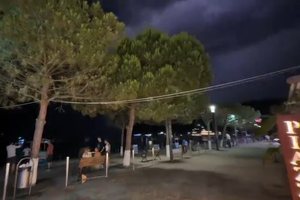
The bad weather that swept the country on Tuesday evening ...

A road accident occurred this evening on Nikolla Zoraqi St...

Three people were shot and wounded in Elbasan last night b...

A serious incident occurred this Tuesday in the Yrshek are...
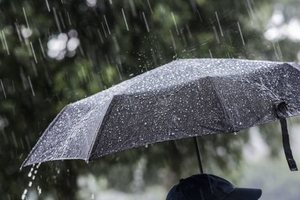
This Wednesday, our country will be under the influence of...
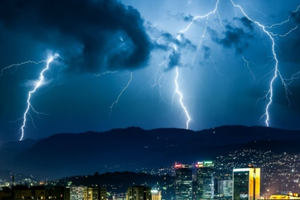
All of Southern Europe will face changing weather conditio...
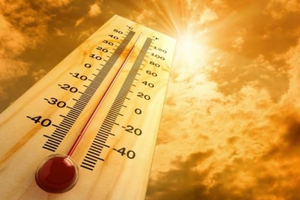
Albania was hit by temperatures significantly higher than ...

For the first time, Pogradec welcomed the Inter-Lake Chess...

Prime Minister Andy Burnham has announced that most bus fa...

France's parliament has passed a law to ban social media f...
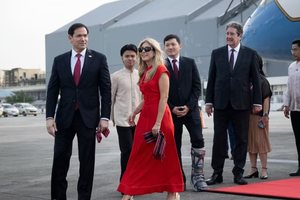
US Secretary of State Marco Rubio arrived in Manila on Jul...
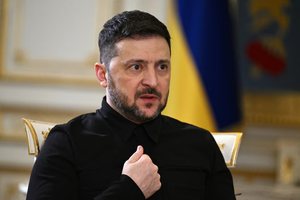
In the space of a few days, Ukrainian President Volodymyr ...

At a time when industrial products are increasingly taking...

Trust among people is not just a three-syllable word. It c...

Master of humor Todi Llupi has passed away at the age of 7...

The ninth edition of "MIK Festival" kicked off with one of...

Businesses will no longer be required to simply register t...

Despite economic growth and income in recent years, Albani...

This Wednesday, one US dollar is bought for 81.4 lek and s...

Construction company licenses will have a validity period ...