

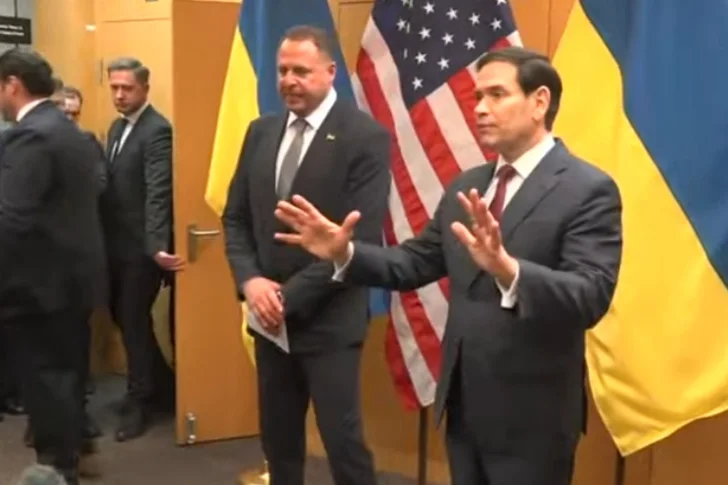
Geneva talks on Ukraine/ Rubio: The most productive meetings we've had so far
US Secretary of State Marco Rubio has spoken from Geneva r...


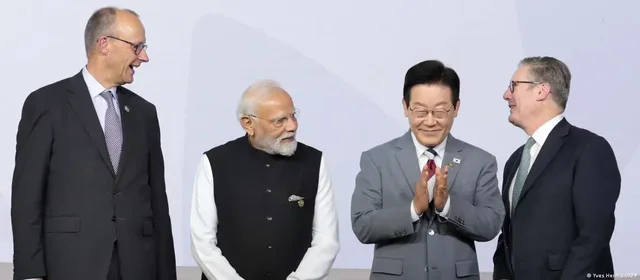
This first G20 summit in Africa has a responsibility to not allow the integrity and credibility of the G20 to be weakened, said South African President Cyril Ramaphosa on the first day of the G20 summit in Johannesburg, South Africa. "We must leave this summit with the feeling that the G20 has been strengthened."
Ramaphosa called for international cooperation to solve global problems; such as escalating geopolitical tensions, global warming, energy security and armed conflicts.
"Multilateralism can and will deliver," Ramaphosa said in his opening speech, and criticized the gap between rich and poor countries as one of the biggest obstacles to sustainable growth. This disparity is "unfair and unacceptable," he said.
As host of the G20 summit, South Africa has set "solidarity, equality and sustainability" as the thematic priorities of the summit.
The G20 summit agreed on a joint statement on the first day - against US resistance. The major industrialised and emerging economies - with the exception of the US and Argentina - pledged, among other things, to expand renewable energy and to more equitable financing of the costs of climate change.
Summit without US, China, Russia
The G20 is a forum that has brought together the world's leading industrialized countries and emerging economies since 1999. It is this mix of different stages of development and political systems that makes the G20 so valuable in the eyes of its members. It includes 19 countries, including two regional organizations: the EU and the African Union. Its members account for more than 80 percent of global economic output.
But this time, the three most important heads of state and government were absent – ??something that has never happened before in the summit's history: the presidents of the US, Russia and China, Donald Trump, Vladimir Putin and Xi Jinping.
Trump, Xi, Putin have no interest in the G20
Chinese President Xi Jinping offered no explanation for the refusal. Putin, who faces the constant threat of arrest abroad, has not attended any meetings since the International Criminal Court issued an arrest warrant for Putin's involvement in the attack on Ukraine. And Donald Trump is not even sending a delegation to Johannesburg, which is unprecedented.
The US president justified his decision by claiming that white farmers are being persecuted in the host country, South Africa, without any action being taken by the South African government. During a visit by South African President Cyril Ramaphosa, he even spoke of “genocide.” The South African government vehemently denies the accusation. The German government also sees no evidence to support it.
What does the absence of the Big Three mean for the G20 summit? "This shows that the three bosses of world politics apparently do not attach much importance to this event for very different reasons," political scientist Johannes Warwick writes for DW. He is a professor of international relations at the University of Halle. "This does not bode well for the kind of multilateralism that has long been cultivated in the Group of 20."
New world order
For Chancellor Friedrich Merz, this is not a reason to stay in Berlin, on the contrary. Before the summit in South Africa for the G20 summit, he said in X, that "together, we support strong partnerships, crisis diplomacy and an order based on law and trust." Let's not always focus on those who are not there, but also on those who are," said government spokesman Sebastian Hille, adding: "The G20 is and remains an important forum for the German government."
The German government has spoken of a difficult international environment for the G20, saying that the multilateral order it supports is being called into question, particularly drastically by the Russian attack on Ukraine. However, even within the G20, there are states that have not condemned the attack and not only refuse to participate in the sanctions against Russia, but, like India, even benefit from them as brokers for Russian oil.
The G20's reorientation since its inception is also linked to China's great economic and military empowerment. China is ruthlessly exploiting its growing influence, whether through support for Russia in the war against Ukraine or through restrictions on the export of rare earth metals.
"We are currently witnessing a rapid redistribution of global political weight and power," says Johannes Varwick. "The internally divided political West is no longer the dominant force on many issues, and the states of the Global South are emerging with renewed self-confidence. Despite these structural changes, the G20 was a clear indication that established and emerging powers were interested in dialogue and wanted to explore whether and what they could achieve together." That, for now, has come to an end. /DW

US Secretary of State Marco Rubio has spoken from Geneva r...
Presidenti ukrainas, Volodymyr Zelensky ka reaguar pasi pr...
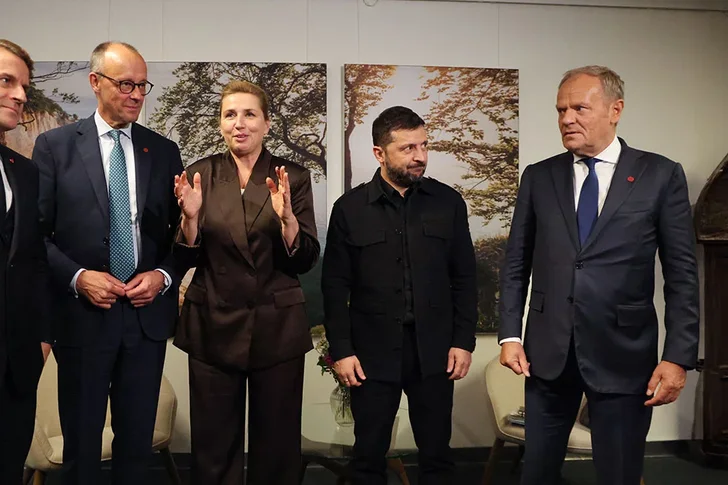
European leaders have proposed changes to the US peace pla...
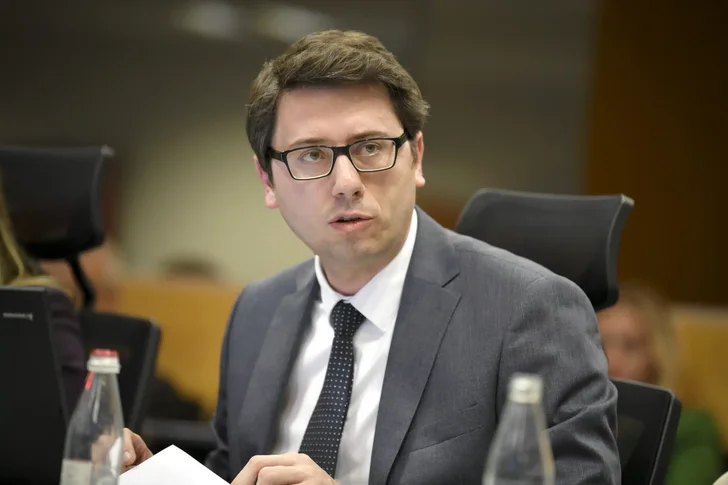
The acting Minister of Finance in Kosovo, Hekuran Murati, ...
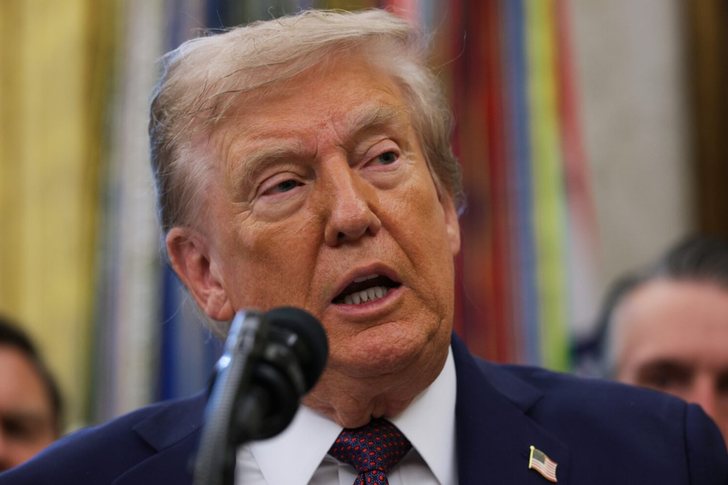
US President Donald Trump has recently spoken out about th...
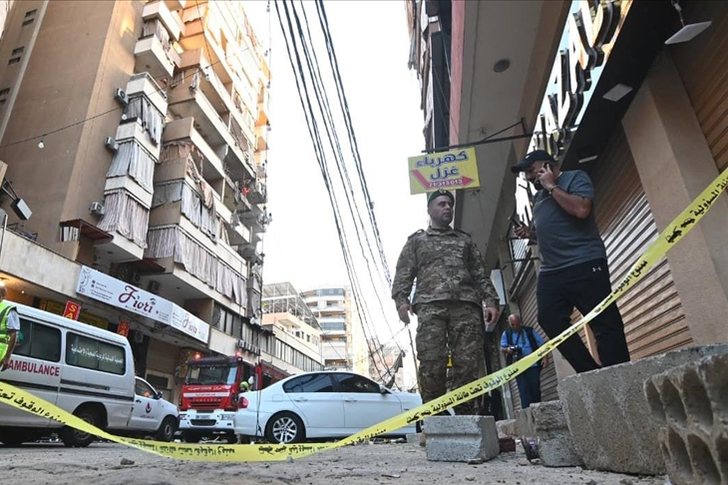
The Israeli military claimed to have targeted Hezbollah's ...
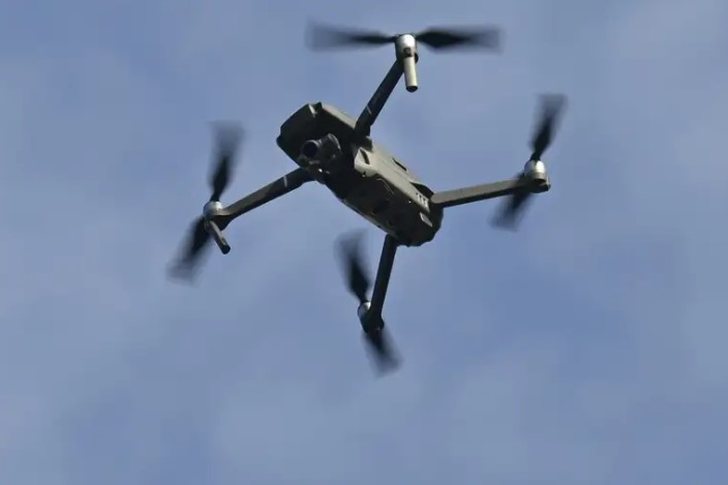
When do we call it 'war'? How does a 'war' begin? Especial...
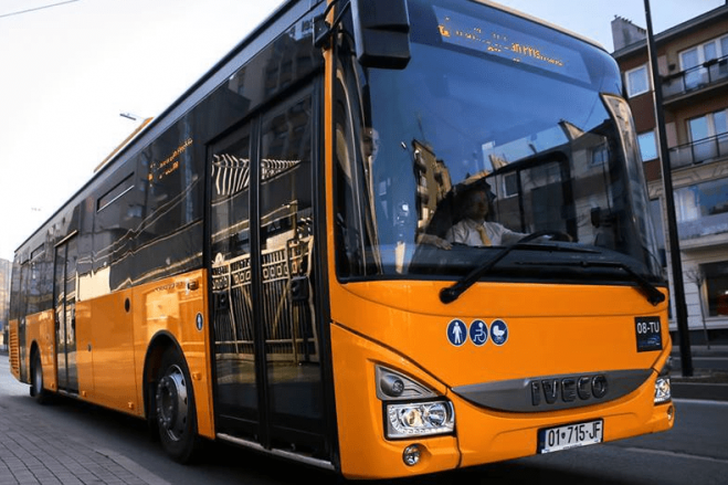
Starting tomorrow, there will be no urban transport in the...
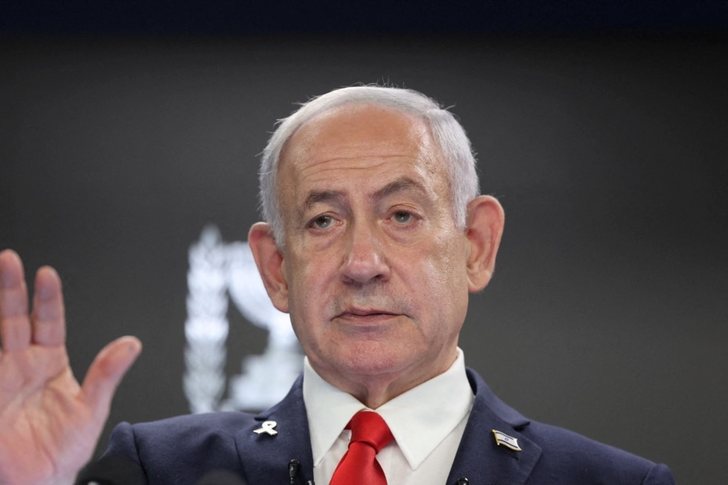
Israeli Prime Minister Benjamin Netanyahu vowed on Sunday ...
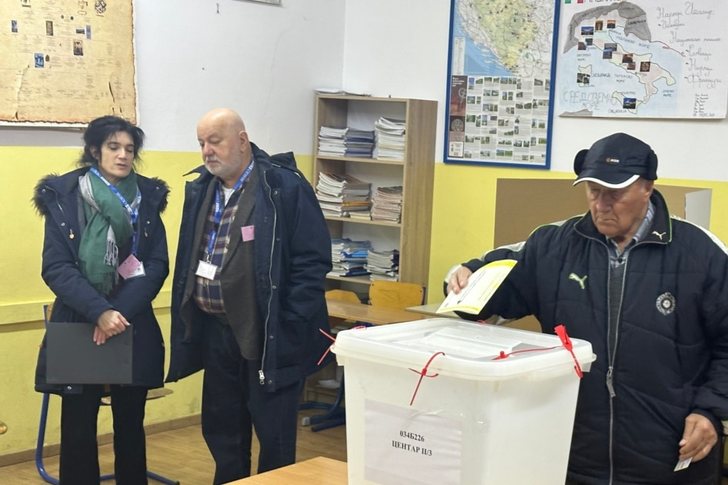
Citizens of Republika Srpska are voting on Sunday to elect...
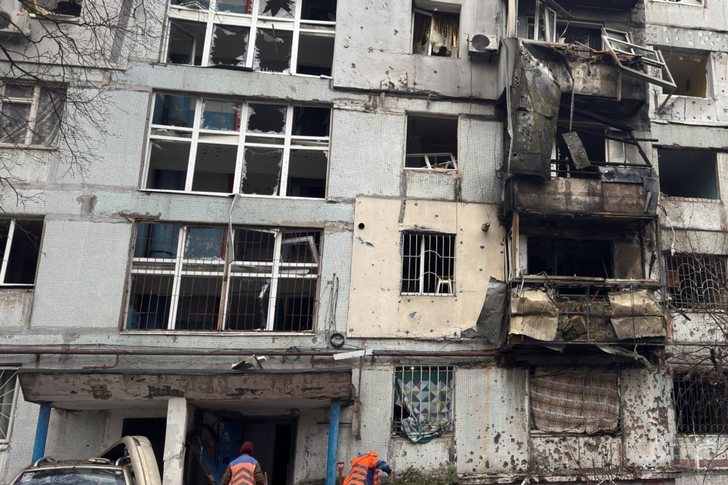
Ukrainian officials are expected to meet with their Americ...
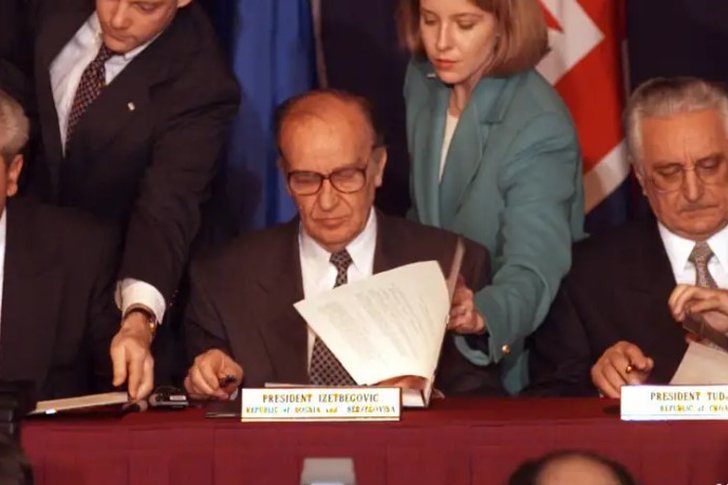
1. How was the Dayton Agreement reached? The Dayton Peace ...
At least 90 people have died and 12 are missing after days...
US Secretary of State Marco Rubio has insisted that a prop...
The Kosovo Hydrometeorological Institute, through a meteor...
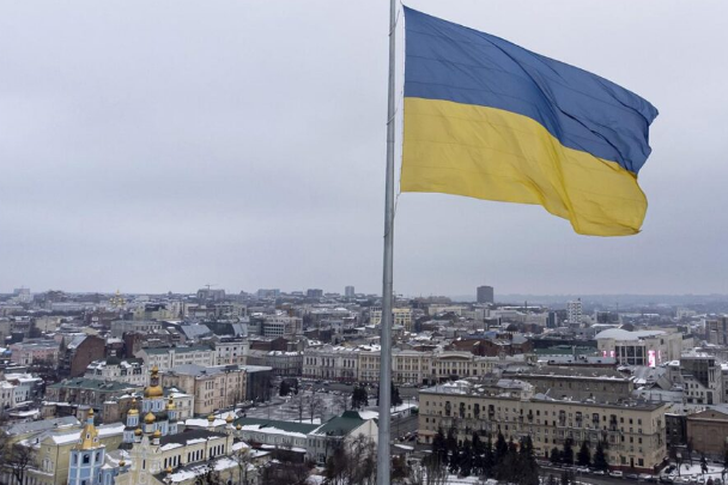
Ukraine will begin talks with the US on the 28-point peace...
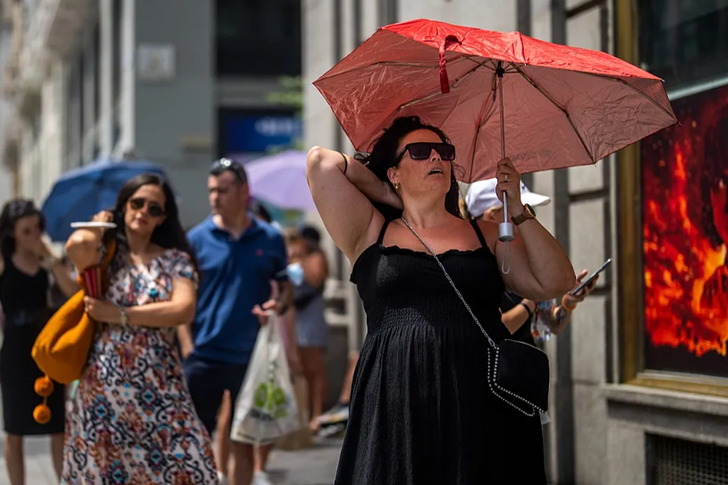
Summers on the continent could become much longer, a new s...
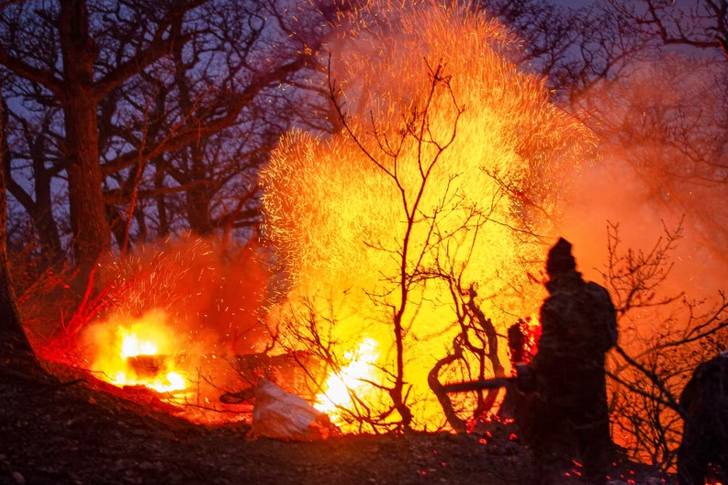
Iran has requested immediate international assistance to e...
The 28-point US plan includes major concessions from Ukrai...
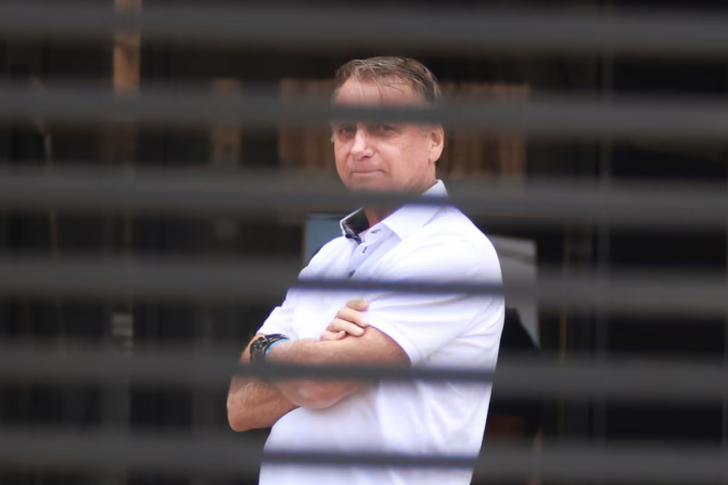
Brazil's far-right former president Jair Bolsonaro was arr...

CNA has launched another investigation that could lead to ...

Irfan Hysenbelliu is a businessman that we call "Irfan the...

In March 2026, CNA launched another investigation centered...
The arrested mayor of Tirana, Erion Veliaj, with 13 charge...

The Special Board of Appeal (KPA) decided this Monday ...

The KPA vetting decided this Thursday to dismiss the p...

Suela Salavaçi, a prosecutor in the Prosecutor's Offic...

The Special Board of Appeal reinstated the prosecutor ...
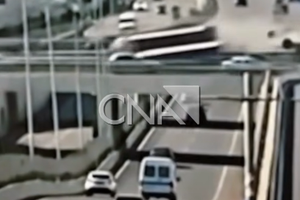
Footage emerges from the serious accident that occurred th...

A Shkodra traffic police officer was hit with hard objects...
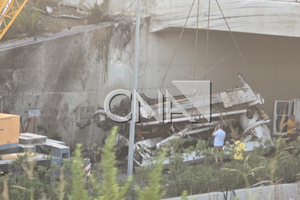
This Wednesday, around 4:00 PM, a serious accident occurre...
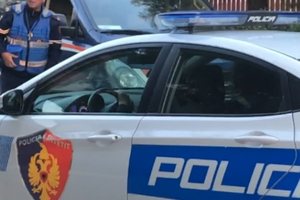
Tirana Police have shared details regarding the accident t...
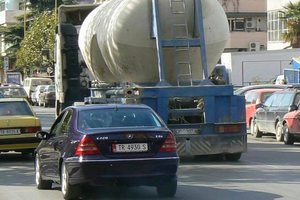
A serious accident that occurred this Wednesday with the c...

The Institute of Geosciences has shared a forecast for wea...
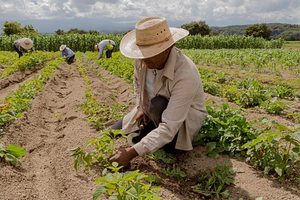
Rising energy and fertilizer prices are expected to contin...
Over 18,000 foreign citizens from 140 countries have appli...
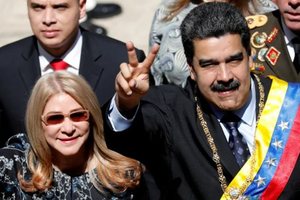
The trial of ousted Venezuelan President Nicolas Maduro on...
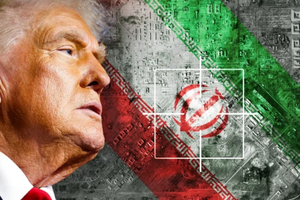
US President Donald Trump has issued another warning to Ir...
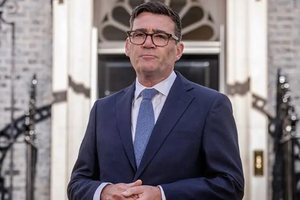
Prime Minister Andy Burnham has announced that most bus fa...
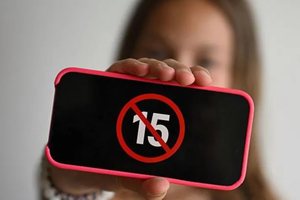
France's parliament has passed a law to ban social media f...

At a time when industrial products are increasingly taking...

Trust among people is not just a three-syllable word. It c...

Master of humor Todi Llupi has passed away at the age of 7...

The ninth edition of "MIK Festival" kicked off with one of...
The price of diesel reached 206 lek per liter from 198 lek...
Businesses will no longer be required to simply register t...

Despite economic growth and income in recent years, Albani...
This Wednesday, one US dollar is bought for 81.4 lek and s...