


Serious accident in Orikum/ Vacationer loses life
A person has died today on Orikum beach. According to repo...

A person has died today on Orikum beach. According to repo...

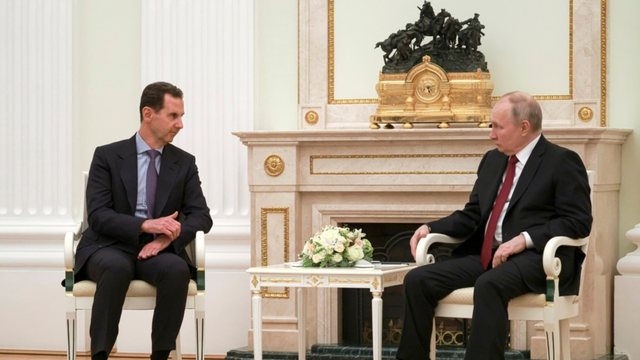
Ousted Syrian ruler Bashar al-Assad fled to Moscow after fleeing Damascus on Sunday, where he has been granted political asylum.
The Kremlin was one of Assad's main backers in his government's brutal efforts to defeat the rebels. A few days ago, Moscow's role in Syria seemed unwavering, but now, according to experts, the Kremlin will find it difficult to regain lost ground.
The Syrian opposition flag was raised at the Syrian embassy in Moscow on Monday, an indication that Russia has lost a key ally in the Middle East and must now rethink its strategy and alliances in the region.
The Kremlin granted asylum to the ousted Syrian leader and his family and called for an emergency meeting of the United Nations Security Council to discuss the matter.
For Moscow, the fall of Assad is a heavy blow.
"Moscow's intervention in Syria was a way to show that it is a world power and capable of influencing outside its immediate neighbors. So in terms of geopolitical impacts, it shows that Russia is less powerful than it would like to be seen in the rest of the world," says Kate Johnston of the Center for a New American Security.
Moscow has been involved in Syria's war since 2015 to support Assad, investing resources and the lives of Russian soldiers in what can now be described as a failed investment.
Analysts say it is others who will benefit from the fall of Assad after Syria's 13-year civil war.
"The big winner here is Turkey. Erdogan is very pleased, Trump has suggested that he will withdraw American soldiers from Syria. Turkey's influence in that country becomes more important. So the value of Erdogan and Turkey increases, while Russia decreases," says Mark Hannah of the Institute for Global Affairs.
Kremlin officials said they are in contact with the new authorities, hinting that Moscow wants to reach a deal to maintain its presence in Syria.
But Moscow's role in Assad's oppression of the Syrian people may be a hard memory to forget.
"We saw Russia bombing hospitals, schools, supporting Assad in bombing the population, supporting him when he used chemical weapons. So, I don't think that any future government, whatever its composition, can suddenly forget the atrocities that Russia inflicted on the civilian population", says Neil Quilliam from the organization 'Chatham House'.
Until a month ago, for many it was unimaginable the rapid fall of the government and the destruction of a power structure, creating a new landscape that is currently unclear./ VOA


The fall of Bashar al-Assad's regime has raised concerns a...

The American ambassador in Pristina, Jeff Hovenier, said o...
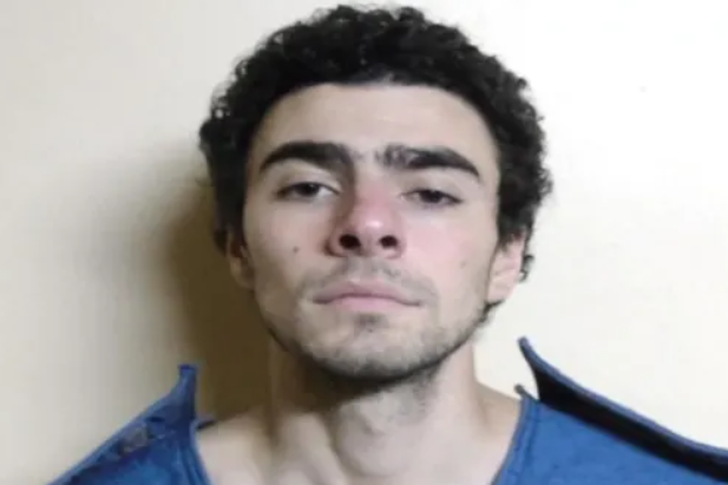
A 26-year-old man has been charged with murdering UnitedHe...
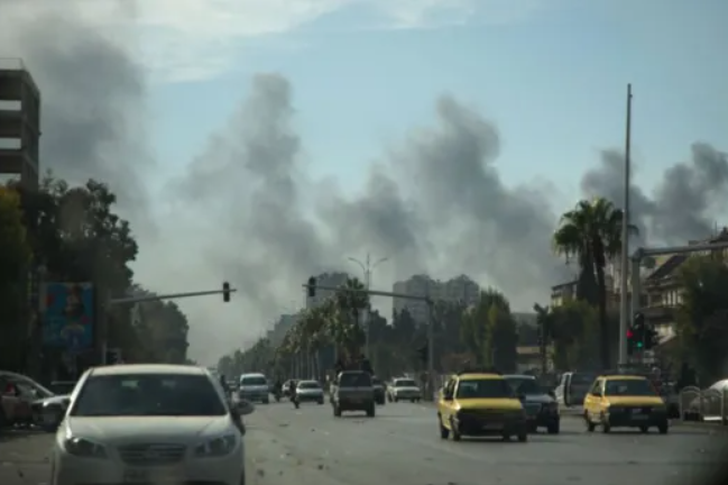
Syrian media reports that Israeli warplanes have carried o...

China is taking control of important minerals, including t...
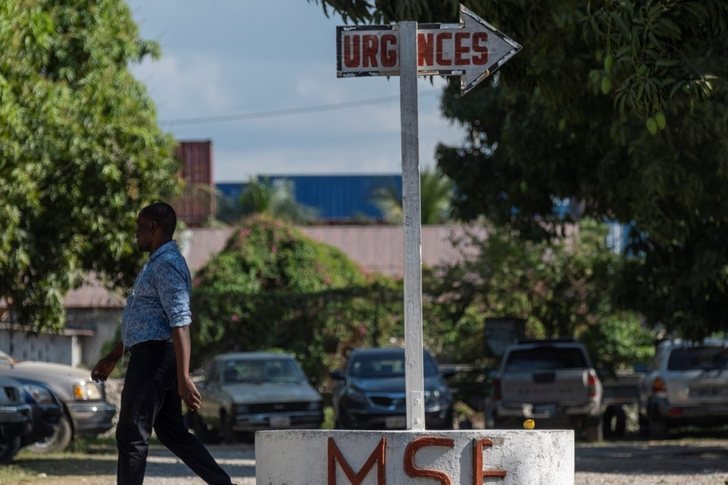
About 180 people were killed over the weekend in the Cite ...
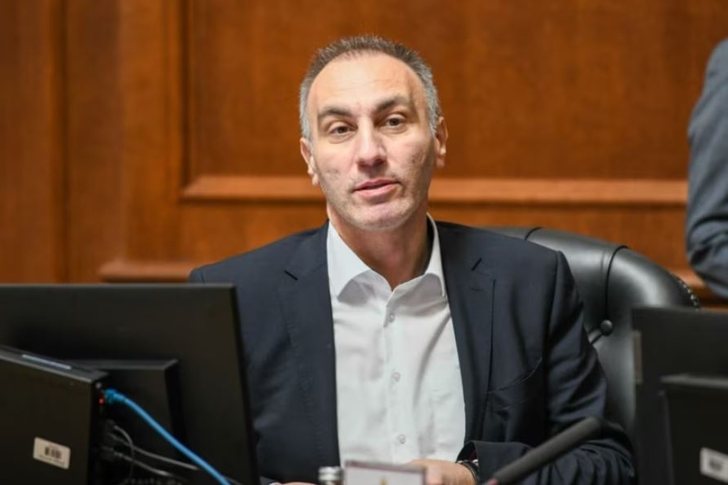
The American Department of State (DASH) announced on M...
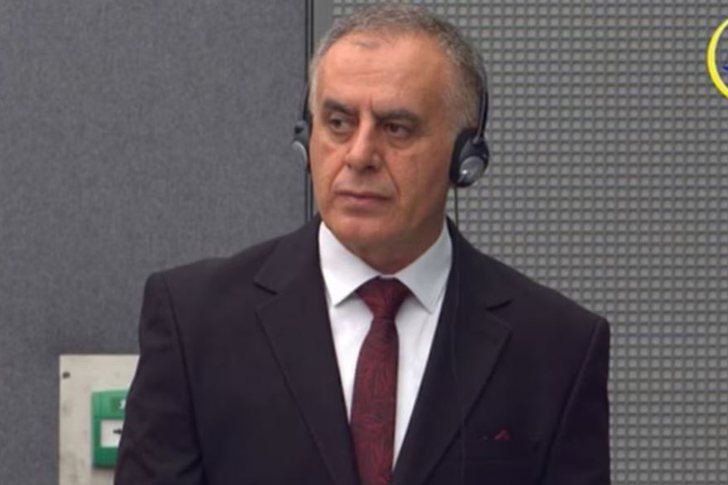
The former Minister of Justice of Kosovo, Hajredin Kuç...

Recent events in Syria have been in the spotlight for the ...
Germany will temporarily suspend decisions on asylum appli...
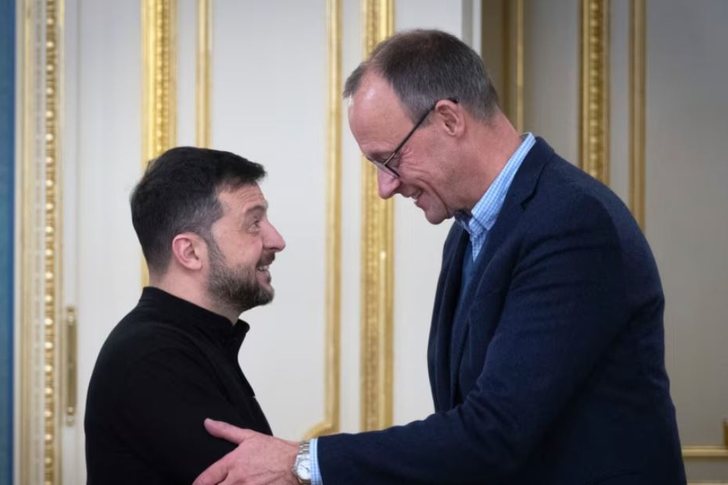
Ukrainian President Volodymyr Zelensky said on Monday ...
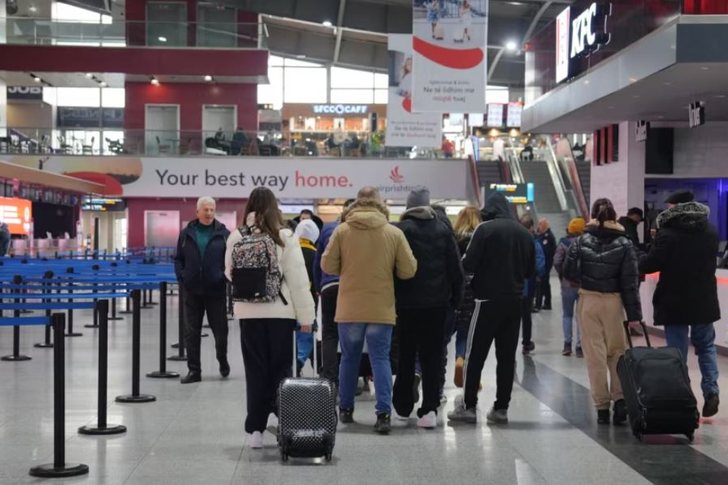
The European Commission (EC) has warned on Monday that in ...
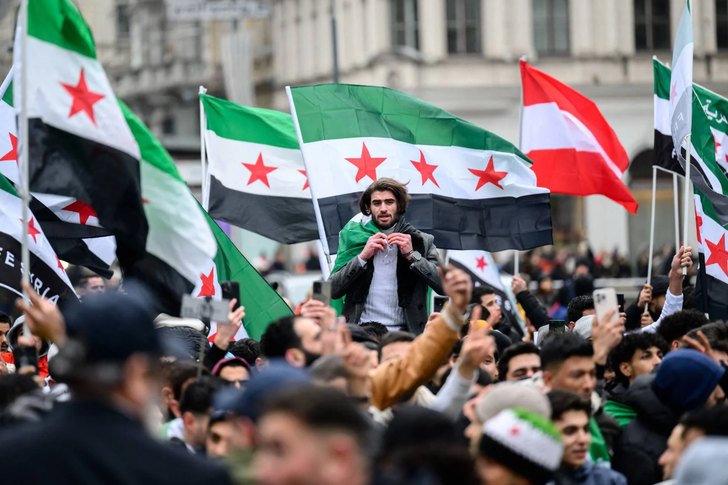
Germany and Austria have suspended asylum for Syrian refug...
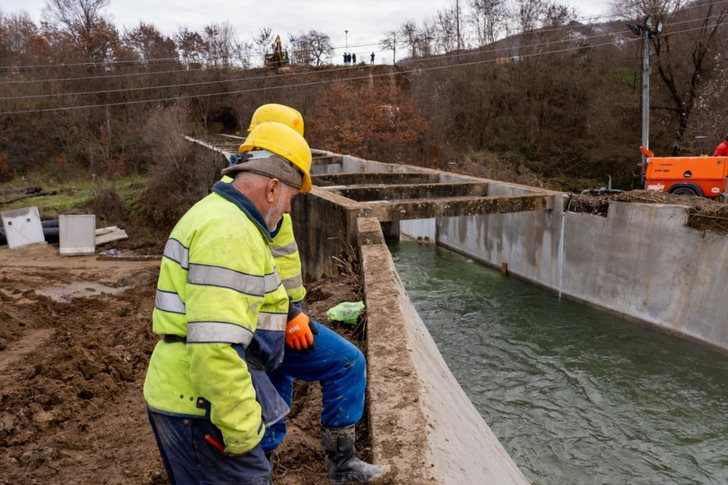
The National Institute of Public Health of Kosovo (IKSHPK)...
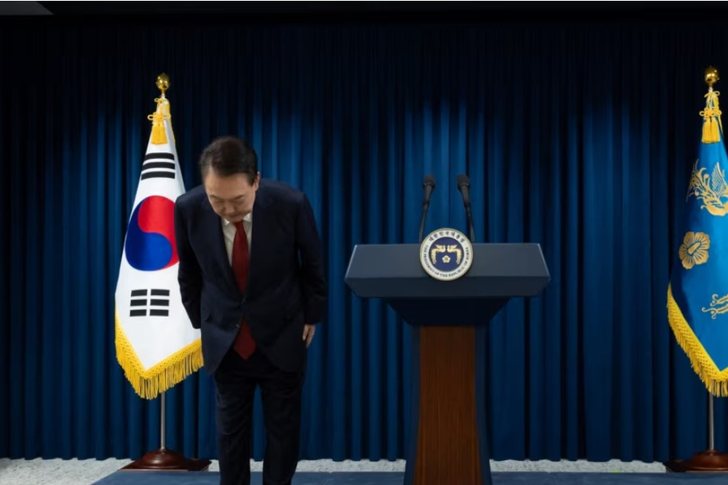
South Korea's Justice Ministry has decided to ban Pres...
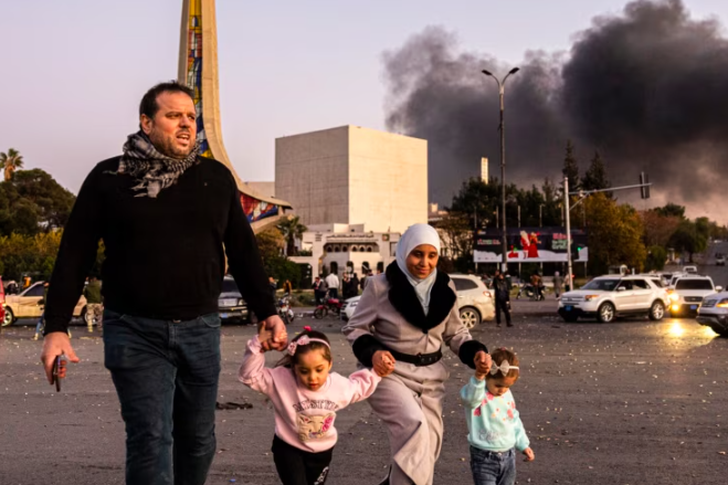
The United Nations Security Council will hold a closed-doo...
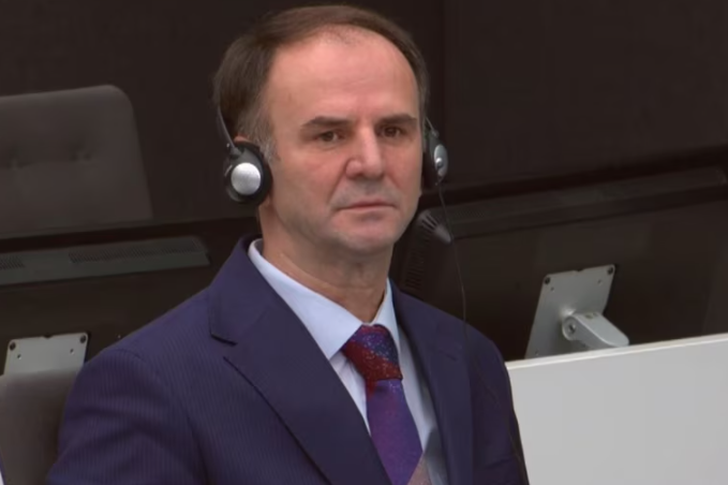
The former Minister of Justice, Hajredin Kuçi, said on Mon...
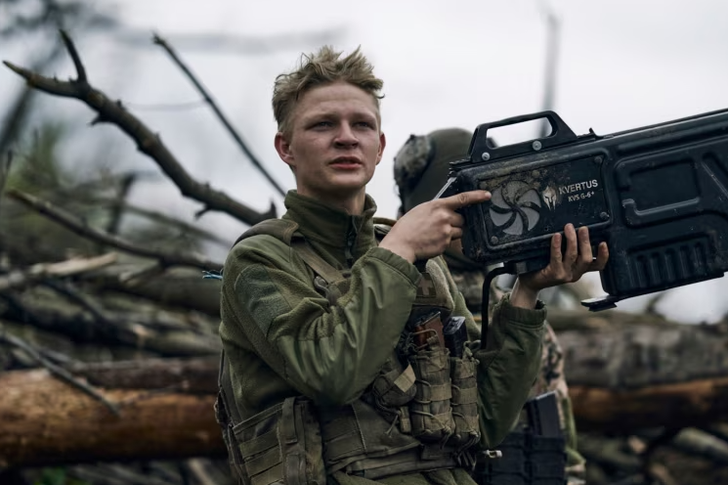
About 43,000 Ukrainian soldiers have been killed since Rus...
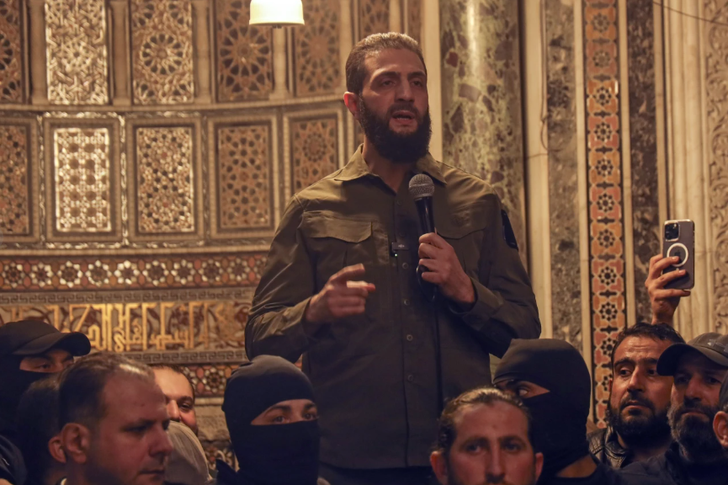
Abu Mohammed al-Golani, the militant leader whose uprising...

Rebelët sirianë kanë zbuluar një numër të madh makinash lu...

CNA has launched another investigation that could lead to ...

Irfan Hysenbelliu is a businessman that we call "Irfan the...

In March 2026, CNA launched another investigation centered...
The arrested mayor of Tirana, Erion Veliaj, with 13 charge...

The Special Board of Appeal (KPA) decided this Monday ...

The KPA vetting decided this Thursday to dismiss the p...

Suela Salavaçi, a prosecutor in the Prosecutor's Offic...

The Special Board of Appeal reinstated the prosecutor ...
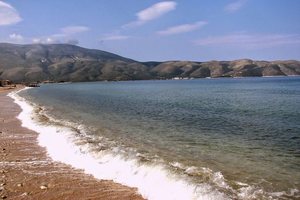
A person has died today on Orikum beach. According to repo...
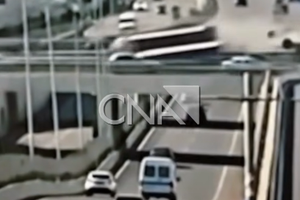
Footage emerges from the serious accident that occurred th...

A Shkodra traffic police officer was hit with hard objects...
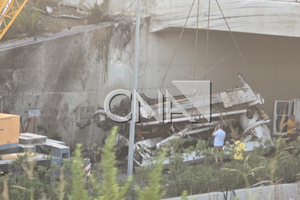
This Wednesday, around 4:00 PM, a serious accident occurre...

On Thursday, our country will be under the influence of st...

A serious accident that occurred this Wednesday with the c...

The Institute of Geosciences has shared a forecast for wea...
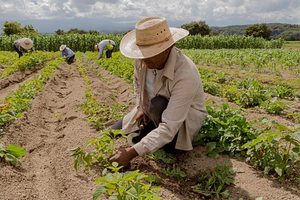
Rising energy and fertilizer prices are expected to contin...

Artificial intelligence (AI) models from the American comp...
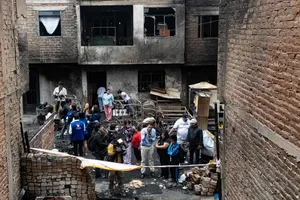
At least 10 people have died after a fire broke out in a h...
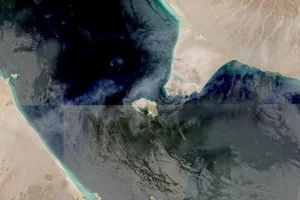
Yemen's Houthis have claimed to have attacked two Saudi oi...

The trial of ousted Venezuelan President Nicolas Maduro on...

At a time when industrial products are increasingly taking...

Trust among people is not just a three-syllable word. It c...

Master of humor Todi Llupi has passed away at the age of 7...

The ninth edition of "MIK Festival" kicked off with one of...
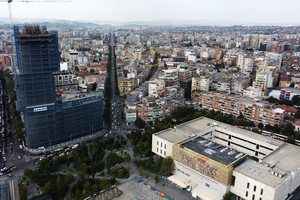
The average sale price of apartments in Tirana reaches rec...

This Thursday, one US dollar is bought for 81.5 lek and so...

The price of diesel reached 206 lek per liter from 198 lek...

Businesses will no longer be required to simply register t...