


Sentenced to 24 years in prison for murder/ 60-year-old arrested in England
Another phase of the international operation, codenamed "T...

Another phase of the international operation, codenamed "T...


Secret services, as the name suggests, work in secret. They collect information related to national security or information that can help their governments make political decisions.
For this reason, information can be obtained by espionage methods even from allied countries, so for example the American secret service, NSA, has been monitoring a mobile phone of the former German chancellor, Angela Merkel, for years. One can imagine that Washington would have wished that the matter had never come to light.
But in other situations the secret services share the information they have with other secret services. For example, on February 23, 2022, the US shared with Germany and other European partners information that Russia would launch an attack against Ukraine the following night.
As for the attack last Friday (22.03.2024) in Krasnogorsk, near Moscow, we are dealing with a fundamentally unusual case, when information is given even to a country that is not seen as an allied country.
What information did the US give to Russia?
On March 7, the US embassy in Moscow warned its people that "extremists have imminent plans to attack places in Moscow where large numbers of people have gathered, including places where concerts are held." 48 hours in a row no you have to go through mass activities.
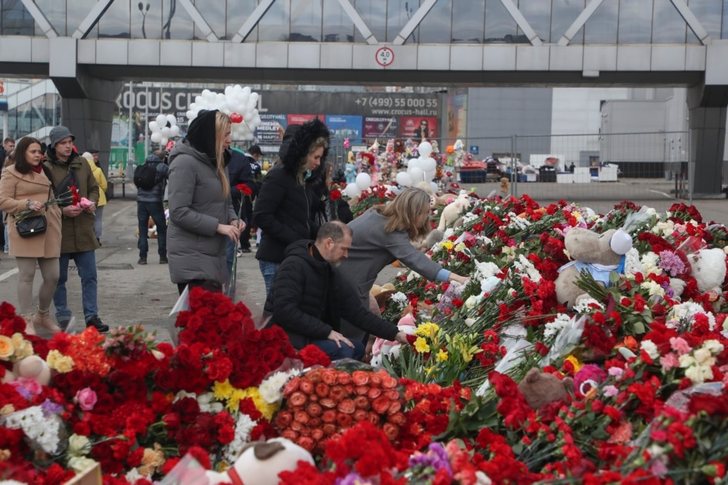
Suspected Islamists actually struck 15 days later, but despite this, the content of the warning was the same as the attack on the city's Crosus hall, where 130 people lost their lives.
A few hours after the alert was issued about the attack, the spokeswoman for the White House National Security Council, Adrienne Watson, spoke referring to the warning made on March 7.
"The US government has passed this information on to the Russian side, as has been the case for a long time under our 'obligation to warn' policy," she explained. Other details or the source of the Secret Service information were not made public.
How seriously did the Russian side take the warning?
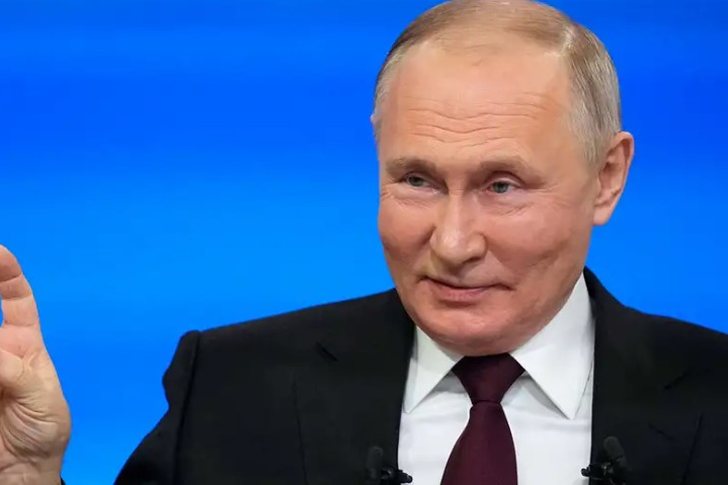
Apparently, Moscow did not take the attack warning seriously enough, thinks terrorism analyst at King's College London, Peter Neumann: "This is shown by the fact that Vladimir Putin came out five days ago and rejected this warning by publicly called as propaganda. He basically said that this is some kind of psychological warfare by the Americans, which seeks to confuse Putin, and he didn't take it seriously at all," Neumann told German national radio, "Deutschlandfunk."
How common or unusual is information sharing in wartime?
The US is not a war party in the Ukrainian war, however they see Russia as a danger to external security, after all the ruler Putin constantly openly threatens Washington. "I think that's why the Americans gave the warning publicly, because apparently there is no longer any cooperation with the Russian secret service," said Michael Götschenberg, a security expert at Germany's public broadcaster ARD.
"In principle, it happens that countries always exchange information about terrorist attacks that are expected to happen or that are planned to be carried out, when they learn about such a thing. This has happened before in cooperation with the Russian secret service. But I think that because of the war that Russia is waging in Ukraine, this cooperation has been interrupted," says Götschenberg in conversation with "Deutsche Welle".
How close is the cooperation of the secret services in the field of international terrorism?
Groups such as those in Khorasan province, which is held by a wing of the Islamic State, (ISPK), transcend the country's borders, as recent attacks in Russia, Iran and Afghanistan show. Therefore, it is crucial for public security that those who protect it in different countries also cooperate.
According to Götschenberg's assessment, this basically works: "Especially in the field of Western secret services, information is consistently exchanged and signals are given that are further processed by the relevant investigative authorities. It often turns out that the signals given are baseless. But, where it is seen that something can be discovered, investigations are carried out and the person is arrested."
Has it always been like this?
The U.S. Secret Service is based on a directive that can be viewed publicly, the "compulsion to notify" directive of the Secret Service Act of 1947, as well as an executive order issued by former President Ronald Reagan in 1981. Intensity with which such information is really exchanged, has fallen especially in recent years, thinks Michael Götschenberg.
"In principle you could say that 9/11 played a very big role," says Götschenberg. "We were told that this should not happen to us again, that important signals should not be given. And this continues today." On September 11, 2001, followers of the Islamic Al Qaeda fighters hijacked four US airliners and crashed, among other things, the International Trade Center in New York. A total of 3,000 people lost their lives. Then it became known that the American authorities had not properly analyzed some signals given by foreign secret services.
How do the German secret services treat the ISPK?
According to ARD's terrorism expert Götschenberg, the German authorities have done a good job in recent years regarding the ISPK: "In the last two years we have had to deal with situations where members of the ISPK were suspected of having made plans to attacks. These potential attacks have been thwarted at an early stage."
In the West German city of Cologne, with a population of one million, potential ISPK followers targeted the cathedral, which is visited by many tourists, as well as a popular holiday. Just a week ago, investigators arrested two people in the central German city of Gera, who, led by the ISPK, were believed to have planned an attack on the Swedish parliament.
Terrorism analyst Neumann says on Deutschlandfunk radio that according to Europol, the number of attempts to carry out attacks has increased greatly after the October 7, attack by the Islamic terrorist group Hamas against Israel: "Thank God, so far nothing has happened, but the attacks are becoming more frequent." Sometimes "it's a matter of luck, that nothing happens."/ DW


Under one of Europe's most liberal drug laws, adults in Ge...
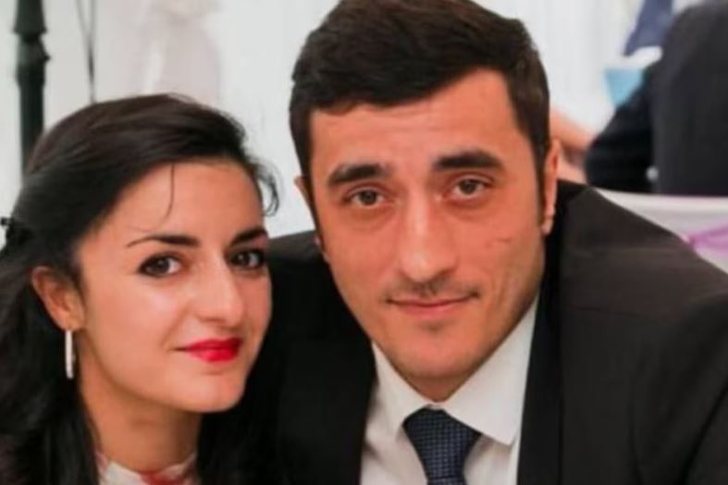
A photo of a handsome young couple has been shared several...
Në të gjithë Gjermaninë pjesëmarrësit në marshimet tradici...
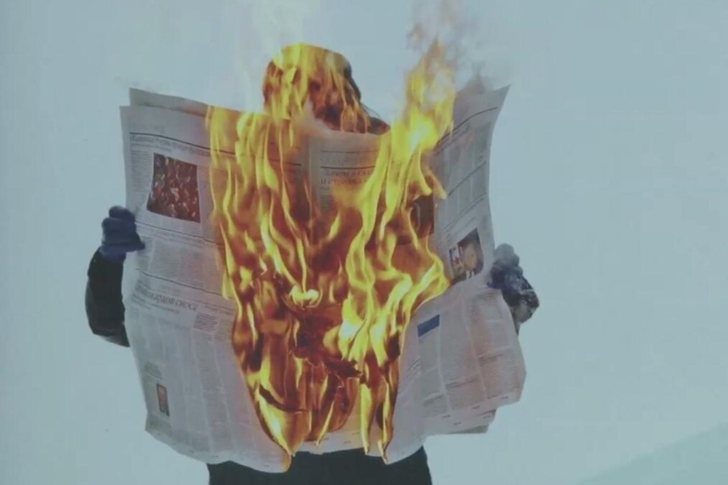
Despite launching a massive disinformation campaign, Russi...
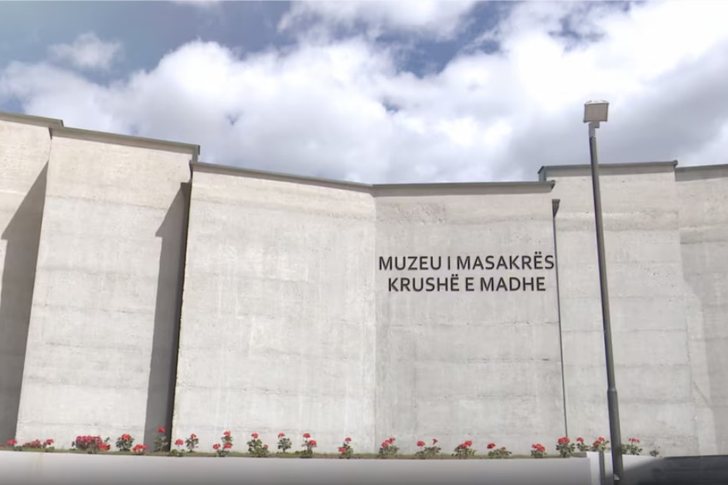
A bag that once belonged to Valon Hoti, a 16-year-old from...
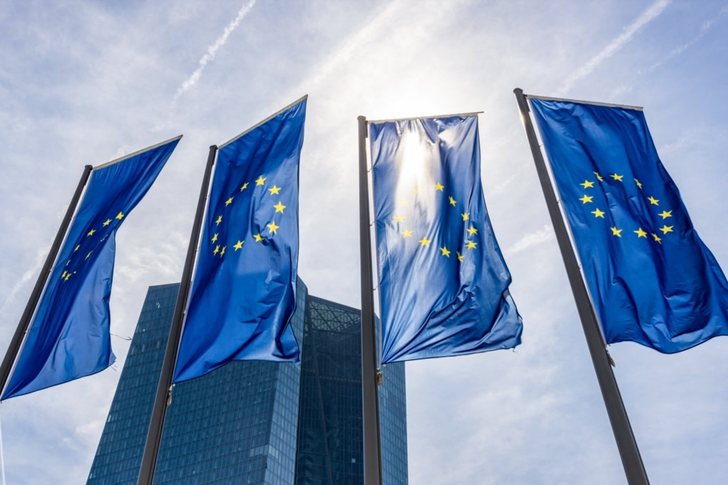
The European Union (EU) has reiterated on Friday that the ...
The network was discovered by Czech secret service inv...
Authorities in Tajikistan have arrested nine people this w...

Barack Obama, Bill Clinton and prominent figures on the sc...

France said on Friday it had asked 46 countries if they co...

Americans are more worried about the possibility of legal ...
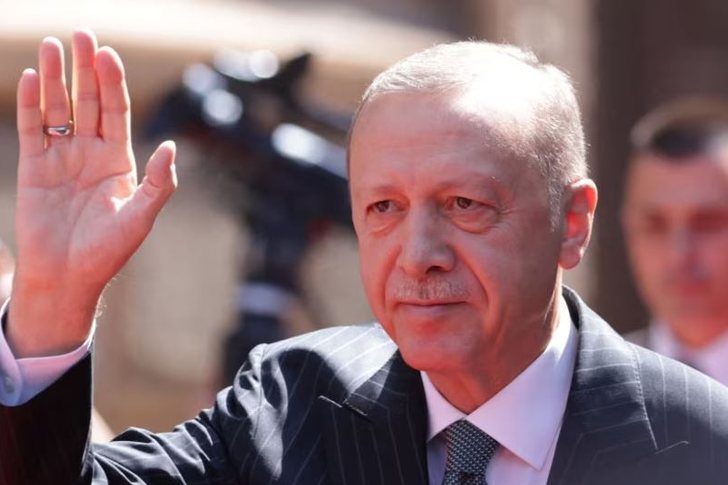
Presidenti i Turqisë, Recep Tayyip Erdogan, do të vizitojë...
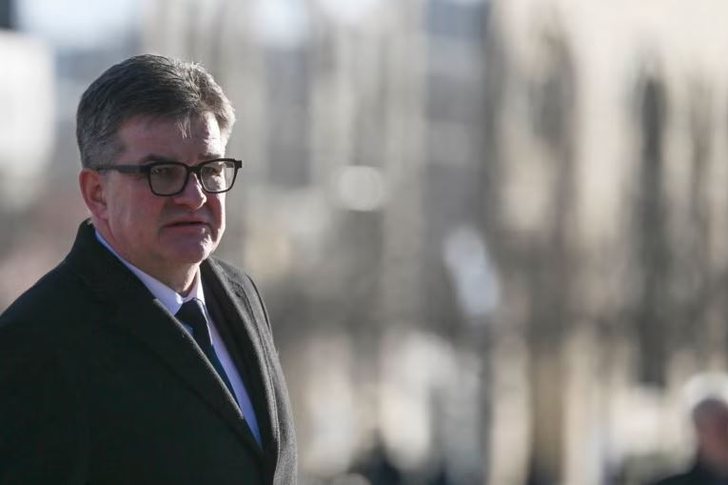
Në kuadër të rotacionit të madh në postet diplomatike ...

Since February, shops in Germany are filled with chocolate...

Një tërmet me magnitudë 5.9 i shkallës Rihter ka godit...
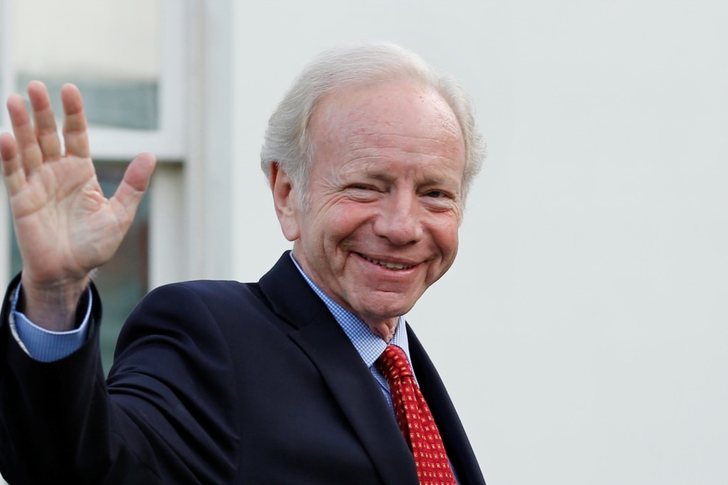
Former US Senator Joe Lieberman, who was very close to the...

New York - Former President Donald Trump on Wednesday crit...

For the first time in 27 years, the United States governme...
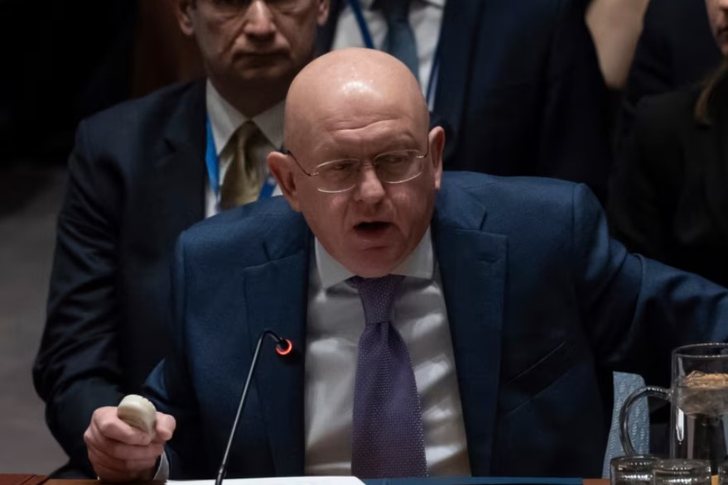
Russia has been pushing for a United Nations Security Coun...
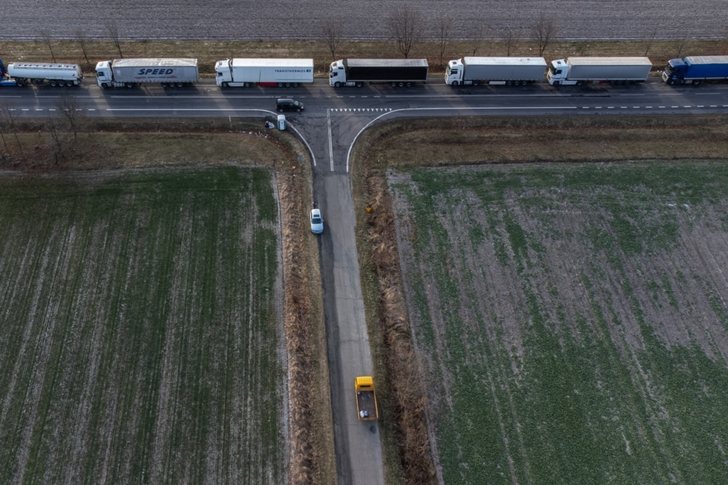
Poland has temporarily opened a border crossing with Ukrai...

CNA has launched another investigation that could lead to ...

Irfan Hysenbelliu is a businessman that we call "Irfan the...

In March 2026, CNA launched another investigation centered...
The arrested mayor of Tirana, Erion Veliaj, with 13 charge...

The Special Board of Appeal (KPA) decided this Monday ...

The KPA vetting decided this Thursday to dismiss the p...

Suela Salavaçi, a prosecutor in the Prosecutor's Offic...

The Special Board of Appeal reinstated the prosecutor ...
Another phase of the international operation, codenamed "T...
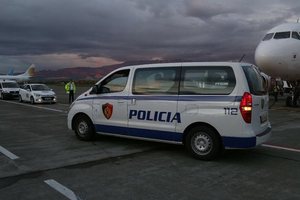
Police have arrested a 34-year-old woman at Rinas Airport ...

A serious accident has occurred on the Lezhë-Shëngjin axis...

A serious incident has occurred in Morina, Kukes. Citizen...

This Wednesday, our country will be under the influence of...

All of Southern Europe will face changing weather conditio...

Albania was hit by temperatures significantly higher than ...

For the first time, Pogradec welcomed the Inter-Lake Chess...

Prime Minister Andy Burnham has announced that most bus fa...

France's parliament has passed a law to ban social media f...

US Secretary of State Marco Rubio arrived in Manila on Jul...
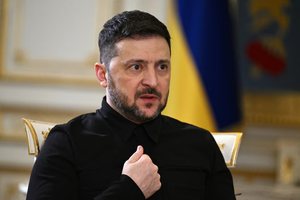
In the space of a few days, Ukrainian President Volodymyr ...

At a time when industrial products are increasingly taking...

Trust among people is not just a three-syllable word. It c...

Master of humor Todi Llupi has passed away at the age of 7...

The ninth edition of "MIK Festival" kicked off with one of...

Businesses will no longer be required to simply register t...

Despite economic growth and income in recent years, Albani...

This Wednesday, one US dollar is bought for 81.4 lek and s...

Construction company licenses will have a validity period ...