

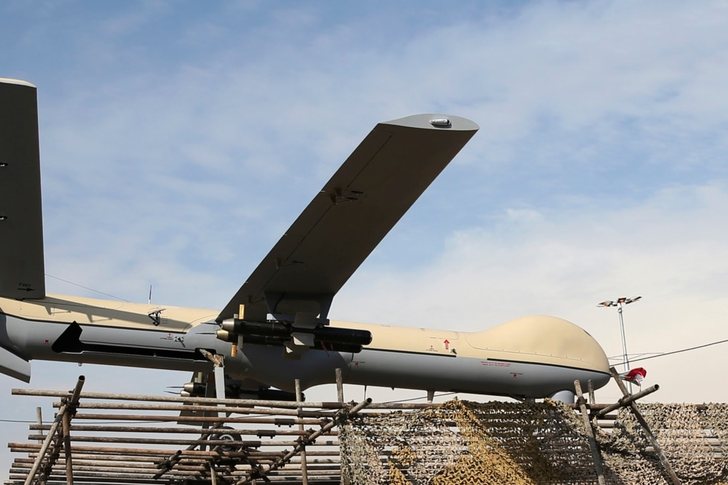
USA: Russia intends to buy more drones from Iran
The White House said on Monday that Russia is looking to b...


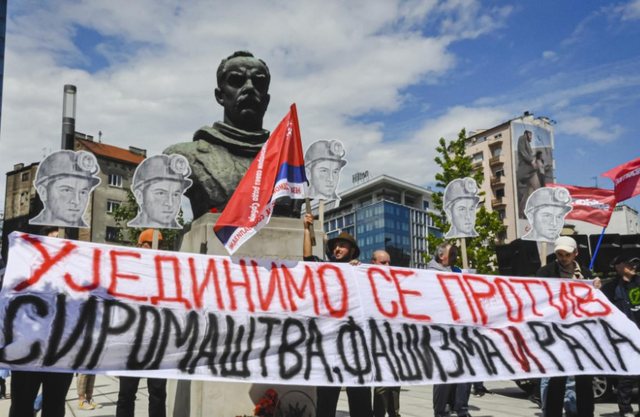
It is not enough to know local policies and institutions. You have to know the culture and the society. This is what the Czech ambassador to Montenegro Janina Hrebickova expressed in Podgorica at the presentation of the new book "History of Montenegro", written by her compatriot and fellow expert on Balkan issues, Frantisek Sistek.
Soft diplomacy is essential for decoding the Balkans. It is therefore all the more surprising when diplomats misunderstand this region. Take the case of the French ambassador to Montenegro, Christian Timonie. During an electoral meeting in Cetinje, Jakov Milatovic was met by local protesters.
They were angered by rumors (denied by the candidate) that he had downplayed the danger to the lives of Montenegrins when the police had intervened to protect the coronation of the Serbian Orthodox Metropolitan in Cetinje. Milatovic confronted the protesters and was escorted by bodyguards.
The event was reported in the media as an "attack". Timonie described it as an act of "fascist aggression" to a national newspaper, so he found himself at the center of a media firestorm. He seems to have forgotten that Cetinja is a well-known bastion of anti-fascist resistance.
The ambassador was forced to clarify that he did not attribute his comment to the people of Cetinje, and that he knows their historical anti-fascism. Meanwhile, in March, the EU's High Representative for Foreign Policy and Security, Josep Borrell, was in Ohrid, North Macedonia, where he led an EU-brokered agreement between Serbian President Aleksandar Vucic and Kosovo's Prime Minister Albin Kurti.
Borell announced it as a long-awaited breakthrough in the normalization of relations between the two states. But Vucic refused to sign the deal, leaving Borrell to declare success in principle but not on paper.
The Serbian president withdrew from it only a few days later. But not before Serbia received its biggest ever EU funding of €600 million. Vucic seems to be copying Viktor Orban's strategy, which has worked very well for Hungary, but less so for the European Union.
Analysts continue to be surprised how badly the EU is playing in the Balkans. And it is not only diplomats and senior politicians who are wrong about the Balkans. Even the media make mistakes. While the Yugoslav wars of the 1990s produced a group of foreign correspondents who lived long in the Balkans, most of them have long since left.
The US-owned Associated Press and US government-backed Cold War icon Radio Free Europe still provide accurate, albeit shorter, reporting. Qatar's Al Jazeera Television has taken the most significant initiative, creating its own regional brand, Al Jazeera Balkans, a Serbo-Croatian channel based in
Sarajevo and with local studios in Belgrade, Skopje and Zagreb. But Al-Jazeera Balkans is an exception to the rule. Most international news media do not have the luxury of keeping correspondents in this area, and no longer consider the Western Balkans a priority. This is how expertise on this region has been lost.
Much of the foreign media coverage is sketchy, provided by part-timers and local journalists with their own agendas. The occasional journalist is "parachuted" from abroad when events dictate this or when a foreign news platform decides to invest in reporting a more important event.
The problem is that independent and in-depth journalism is difficult to sustain under such circumstances. Mistakes happen from time to time. The most prominent recent example was the Balkan Investigative Journalism Network's (BIRN) map of far-right and extremist organizations in the Western Balkans, published in November last year.
It also included peaceful protesters, journalists and activists. The group of women's rights lawyers who had been quietly protesting against the patriarchate of the Orthodox Church in Montenegro were surprised to see their name on the list. How did BIRN get it so badly wrong?
BIRN has announced an independent review of their report, and is working with a new team to cover Montenegro. I have my own experience with the media falling prey to false narratives about the Balkans when I worked in Brussels for an EU media network that became the target of Russian influence operations.
Of course not directly, but when a report was commissioned by a representative on the "political crisis in Montenegro", I immediately recognized the first signs. At the time, the election had passed peacefully, despite a behind-the-scenes coup attempt later revealed to be linked to Russian secret agents.
A potential crisis of democracy had been averted. The report aimed to sway political and public opinion in a last-ditch effort to thwart the country's NATO membership. I raised the alarm with network executives, explaining to the media the possible motivation and the risk to its reputation.
I can't say they took my concerns seriously, but the editor-in-chief worked hard to make the report more balanced and objective than it would have been had I not spoken up. However, it must be said that there are outstanding examples of journalism and sharp political commentary on the Balkans. The New York Times has just published a chilling exposé on the underworld that revolves around Serbian President Vucic. Much of the report, while shocking in its brutality, comes as no surprise to those who follow Balkan politics.
However, this should be a wake-up call for the Biden administration and the European Commission, who have taken a soft stance towards Serbia. They should have known the situation better. And thanks to good journalism, they do.
Whenever talking about the Western Balkans, there are some golden rules: Check your biases, as well as those of your sources; judge the region's leaders by their actions and not their words; hold local governments and politicians accountable to international standards of democracy; and keep in mind that independent Balkan media is an endangered species and the region is flooded with disinformation campaigns./ Adapted from CNA.al

The White House said on Monday that Russia is looking to b...
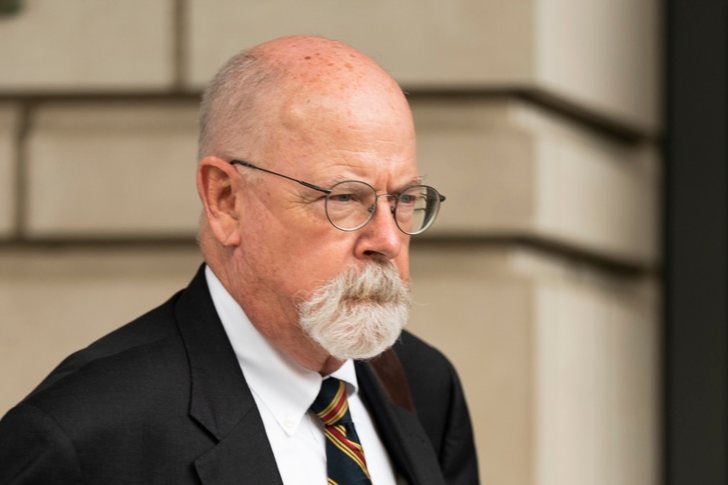
Special Counsel John Durham has ended his four-year in...
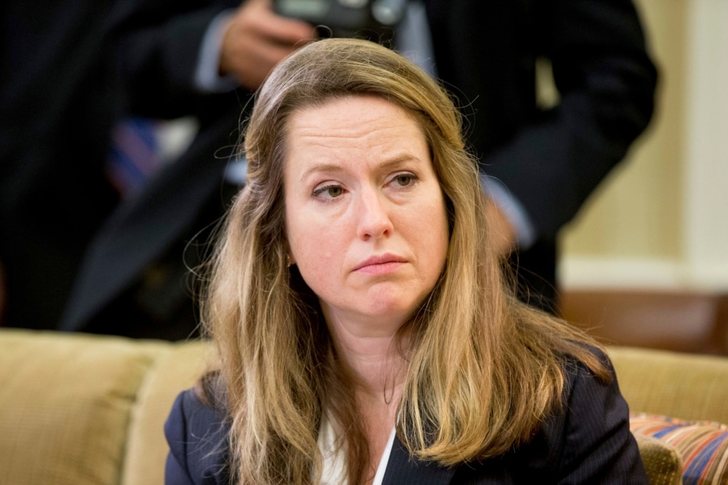
European countries and the United States fielded rival can...
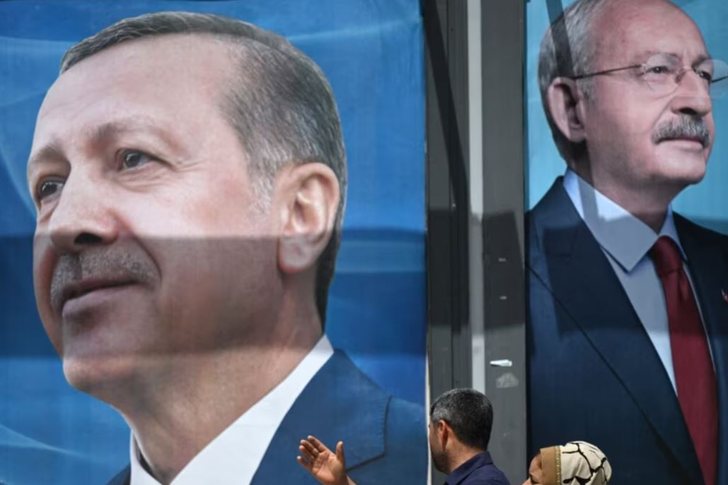
In Turkey, the head of the High Election Board confirmed t...
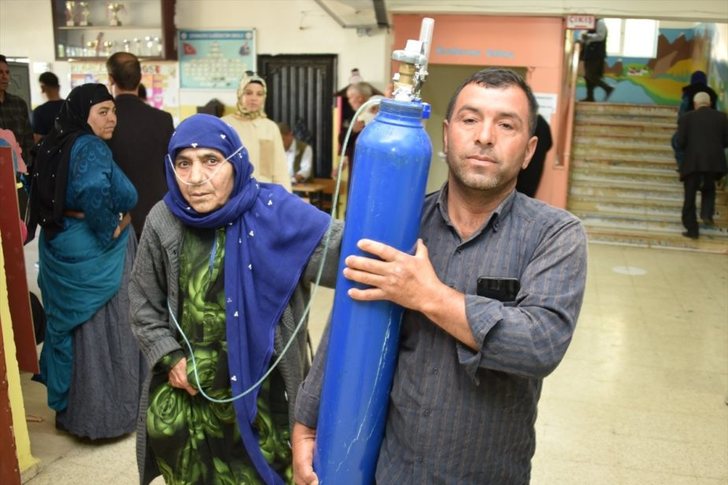
Today, Turkey is voting to elect the president, between th...
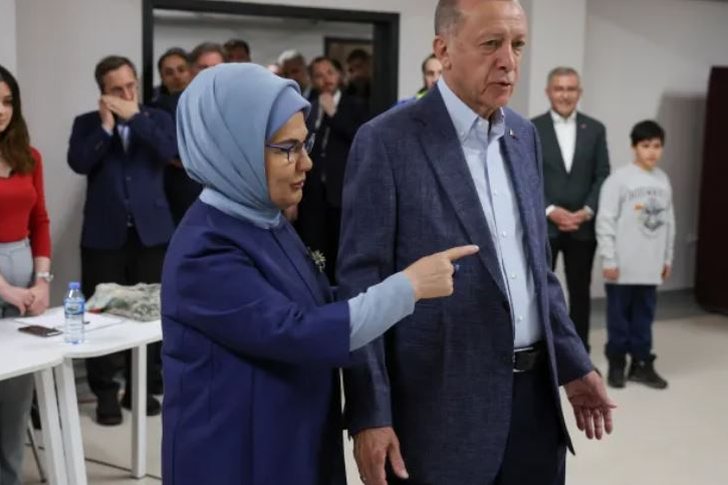
Turkish President Erdogan went to the polling station tog...
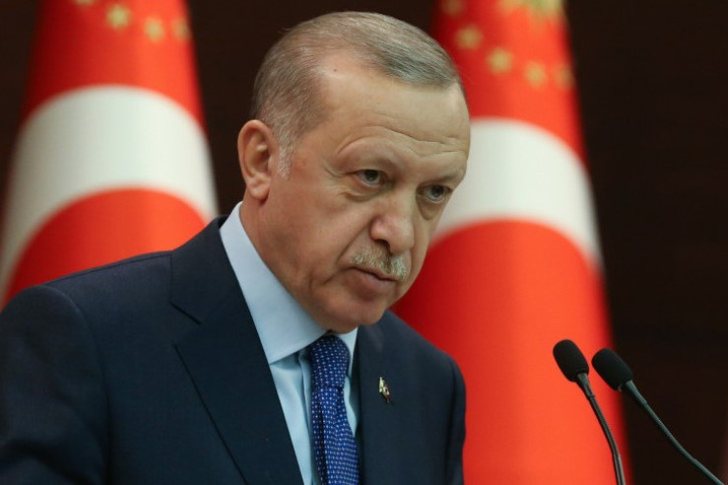
The May 14 elections in Turkey are among the most importan...
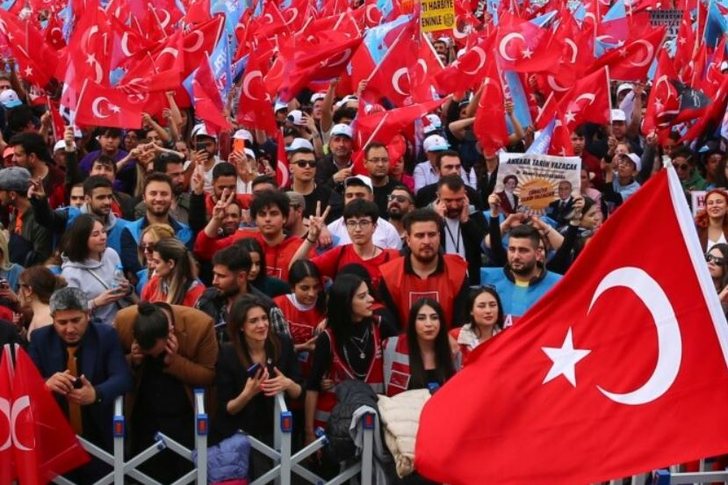
Turkish President Recep Tayyip Erdogan has formed an elect...
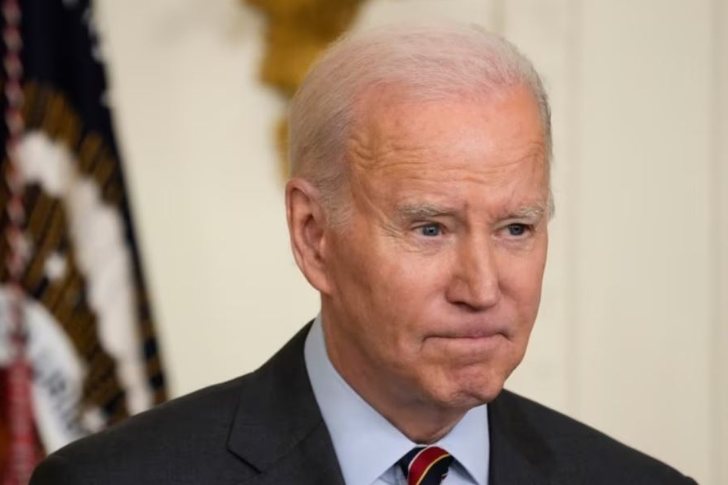
Talks on raising the debt ceiling in the United States cou...
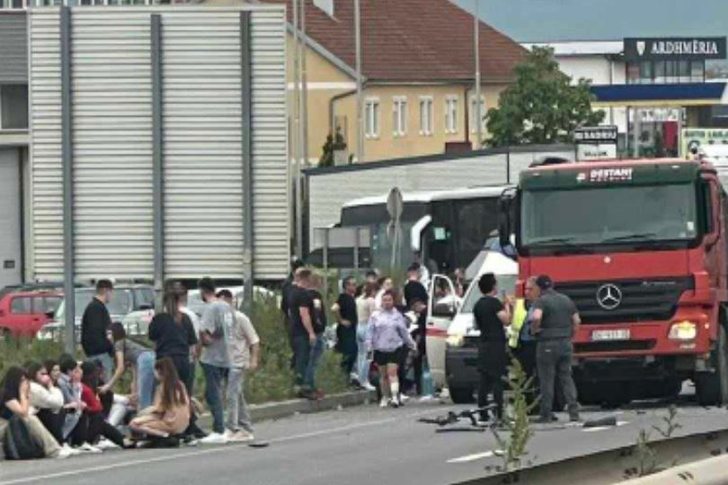
An accident occurred in the village of Vragoli in Pristina...
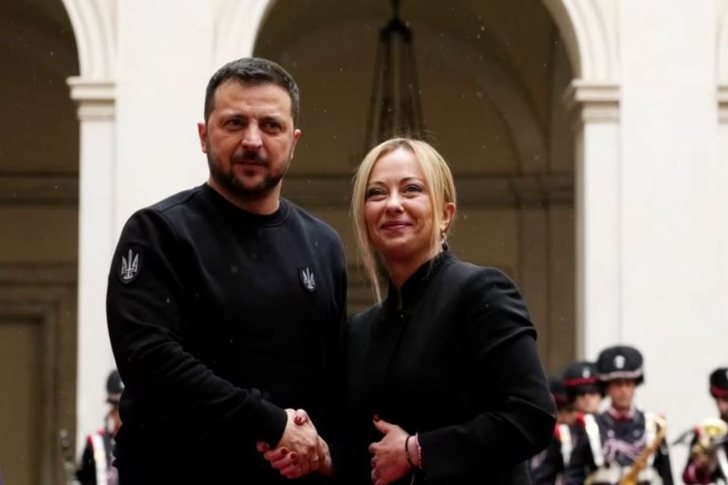
Presidenti ukrainas Volodymyr Zelensky zhvilloi një vizitë...
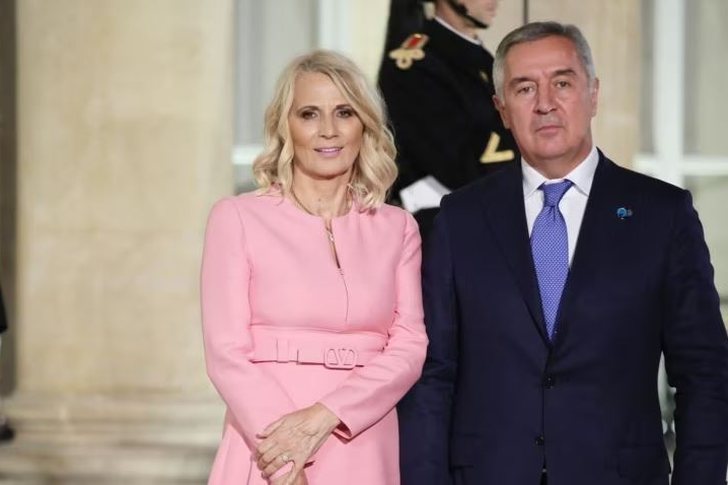
The Special Prosecutor's Office of the State of Montenegro...
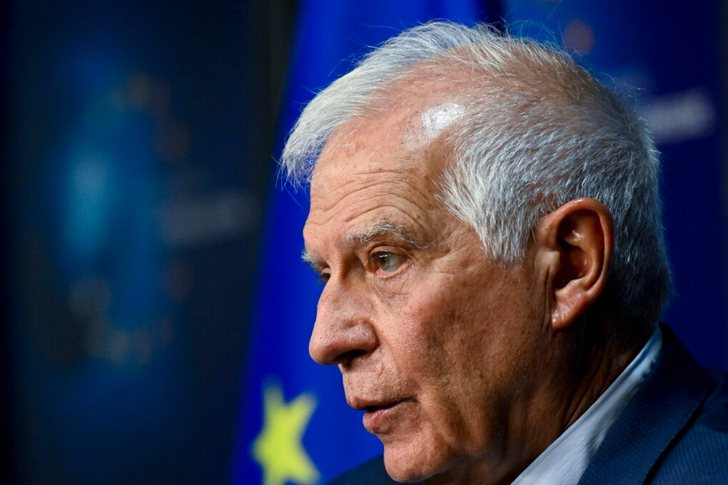
The European Union should speed up supplies of ammunit...
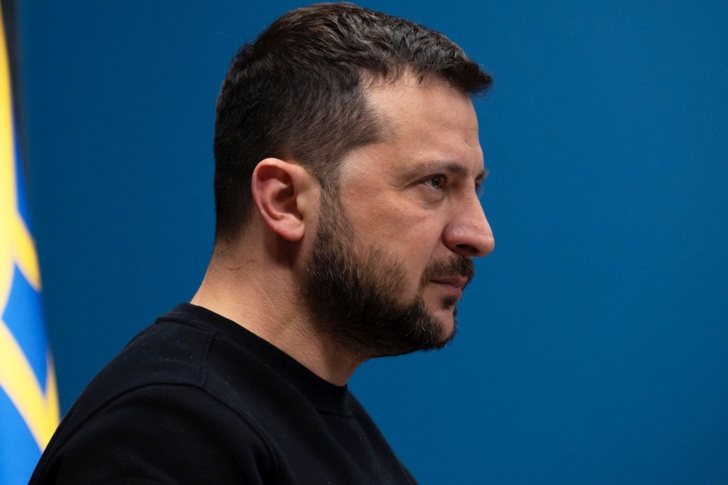
The Ukrainian President, Volodymyr Zelensky, started h...
Montenegro was alerted this Saturday by a bomb notific...
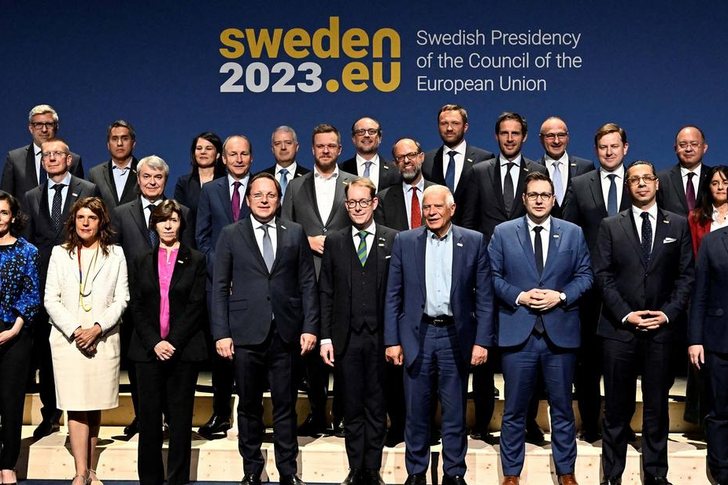
"Kina do të jetë tema kryesore sot" ishte shprehur para ta...
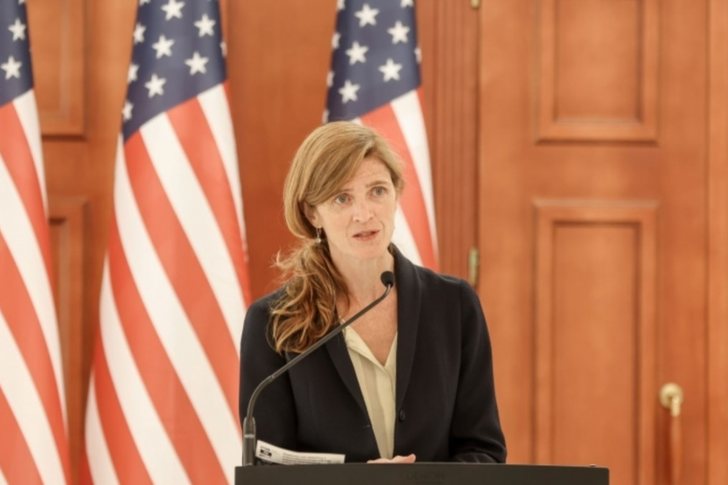
The administrator of the American Agency for International...

In the eastern German state of Brandenburg, around 150 stu...
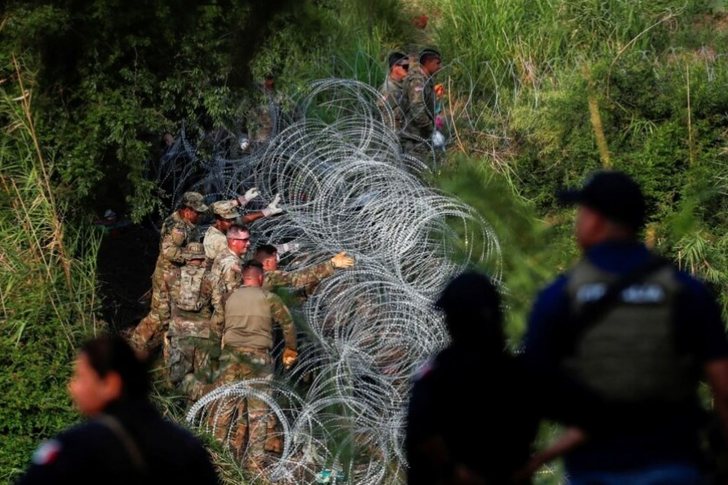
The United States has begun implementing new restrictions ...
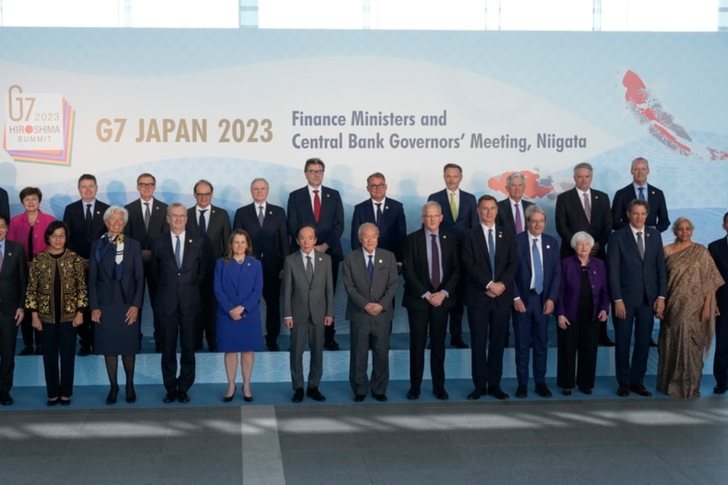
Banking problems, cyber security and supply chain reliabil...
A mountain of documents for a flagrant case, in the na...
The Democratic Party has denounced a tender held by the Hi...
Since the summer of 2020, the Mayor of Tirana, Erion Velia...
The leader of the Democratic Party, Sali Berisha, denounce...

The Special Board of Appeal (KPA) decided this Monday ...

The KPA vetting decided this Thursday to dismiss the p...

Suela Salavaçi, a prosecutor in the Prosecutor's Offic...

The Special Board of Appeal reinstated the prosecutor ...

Following intensive controls and work based on police inte...
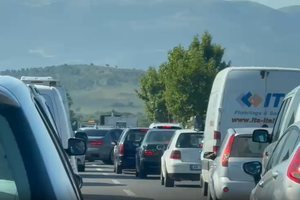
A road accident was recorded on Saturday morning on the Le...
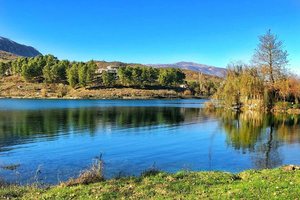
A serious incident is reported to have occurred today in G...
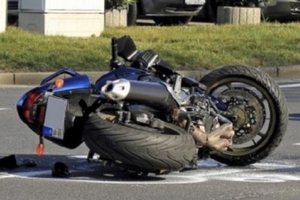
A fatal accident has been recorded on the Fier-Lushnjë hig...
Today our country will be affected by stable weather condi...
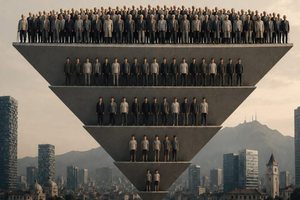
Albania is leading a painful demographic process that plac...
On Friday, our country will be affected by stable weather ...

On Thursday, our country will be affected by stable weathe...

US President Donald Trump announced in a post on the Truth...
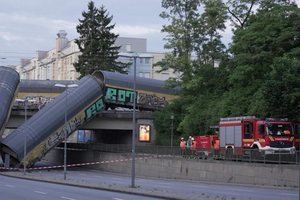
A serious rail accident occurred today in Munich, Germany....
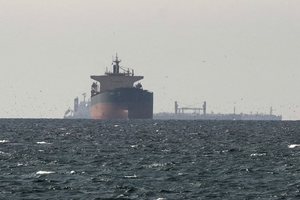
The Iranian Central Military Command, Khatam al-Anbiya, an...
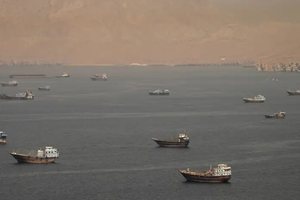
Four months of war have fundamentally changed relations be...
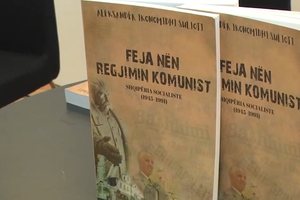
The promotion of the book by author Aleksandër Ikonomidhi ...
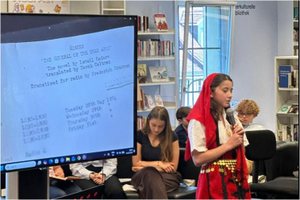
The Albanian Embassy in Switzerland has organized an eveni...

This Wednesday, the prominent actor of Albanian cinema, Gj...
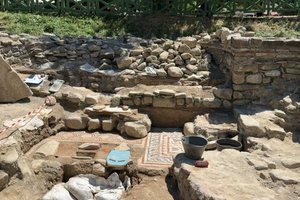
Several archaeological excavations conducted during this s...

In the Balkans, few tourism markets are expanding at the p...

Demographic experts Ilir Gëdeshi and Russell King conclude...

This Saturday, one US dollar is bought for 81.8 lek and so...
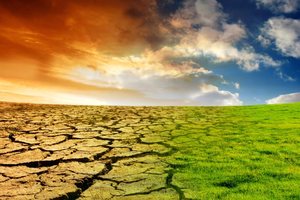
Urban development, transport, energy, forestry and agricul...