

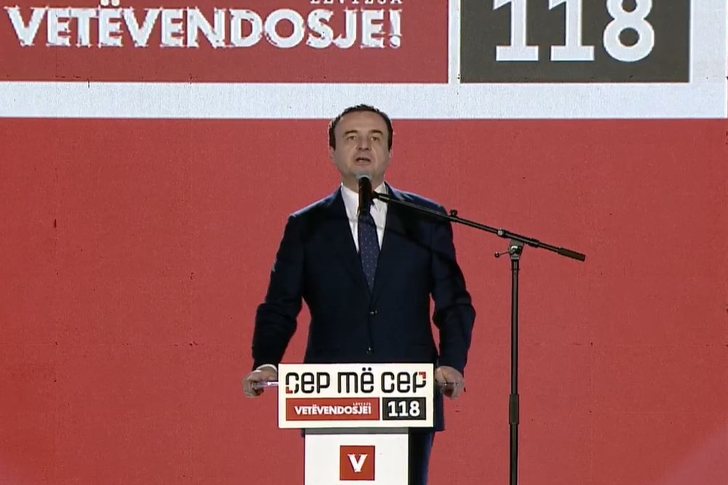
"We have worked to ensure that our territory has integrity"/ Kurti: Progress has been felt in every corner
Kosovo Prime Minister Albin Kurti continued his round of m...


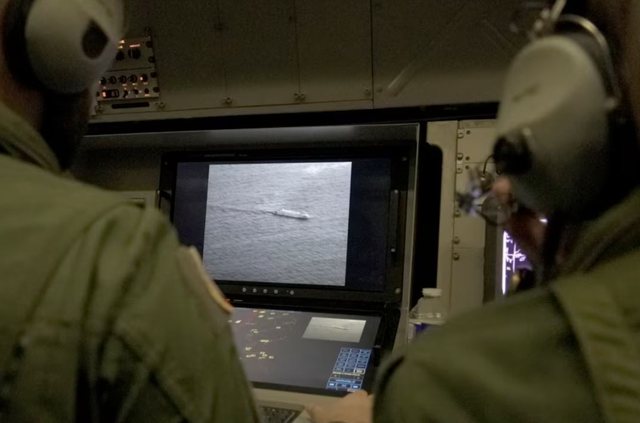
European leaders have expressed concern over the frequency of attacks on civilian ships and critical civilian infrastructure, as authorities investigate the fourth cable-cutting incident in the Baltic Sea in recent months.
The "Vezhen", a Bulgarian-owned ship, was detained this week in the Baltic Sea on suspicion of dragging its anchor along the seabed, severing an underwater data cable between Sweden and Latvia.
Alexander Kalchev, chief executive of the company that owns the ship 'Vezhen', rejected accusations that the damage caused was intentional.
However, Swedish security services are conducting further investigations.
Latvian Defense Minister Andris Spruds, in a written response to VOA on Wednesday, confirmed that Latvia is working closely with Sweden and NATO to investigate the case.
"The Latvian Navy diving team has conducted an inspection of the incident site and collected evidence in cooperation with Swedish Coast Guard vessels," Mr. Spruds told VOA.
He stressed that Latvia will deploy new technology and continue to work closely with NATO allies to increase the protection of critical infrastructure at sea.
"These acts of sabotage will not be tolerated and we will continue to take bold action in accordance with the law," said Mr. Spruds.
Finnish Prime Minister Petteri Orpo, whose country launched an investigation into suspected sabotage after the December 25 damage to the 'Estlink 2' undersea power cable connecting Finland and Estonia, has stressed the urgency of the situation.
"This cannot continue," he told Finnish media outlet Lannen this week. He called for stronger coordination within the European Union to prevent further attacks.
"We must be on a united front on sanctions against Russia. This applies to every country in the European Union," he told a Finnish journalist.
The government in Poland, another country bordering the Baltic Sea with more than 1,000 kilometers of coastline, has called for increased security measures.
In an interview with Voice of America, Polish Interior Minister Tomasz Siemoniak said that recent attacks on undersea cables – such as those connecting Latvia and Sweden, as well as Estonia and Finland – are consistent with cases of sabotage seen in the region.
While investigations are ongoing, Poland views these incidents as deliberate actions, he said.
"Edhe nëse sot nuk ka prova sabotazhi (që e lidhin Moskën drejtpërdrejt) dhe provokimet janë pjesë e arsenalit standard të Rusisë... jemi në një pikë ku duhet të supozojmë se këto janë veprime të bëra me vetëdije e të qëllimshme", i tha ai Zërit të Amerikës të martën.
Zyrtarët polakë theksojnë gjithashtu nevojën për masa më të koordinuara në funksion të sigurisë detare.
"Ne duam që misione të tilla të kryhen në Detin Baltik. Ka shumë trafik kur bëhet fjalë për anijet apo mjete më të vogla lundruese dhe siguria është një çështje absolutisht thelbësore", i tha ai Zërit të Amerikës.
Duke pasur parasysh rëndësinë e saj strategjike dhe praninë në rritje të aktivitetit detar rus, tha ai, NATO duhet t'i japë përparësi Detit Baltik si një zonë kritike e sigurisë.
Motivet politike dhe strategjike
Ndërsa provat vazhdojnë të mblidhen, motivet që lidhen me gjeopolitikën të këtyre sulmeve po bëhen më të qarta.
Analistët besojnë se sabotazhi nuk është vetëm një përpjekje për të ndërprerë rrjetet e komunikimit, por edhe një përpjekje e llogaritur për të vënë në provë aftësitë e reagimit të NATO-s dhe për të krijuar mosmarrëveshje mes shteteve anëtare.
Ligjvënësit në Finlandë, anëtari më i ri i NATO-s, kanë shprehur shqetësime se këto incidente mund të jenë pjesë e një konflikti më të gjerë që shumë qeveri perëndimore hezitojnë ta pranojnë.
"Nëse nuk e dimë se jemi në luftë, është gjithmonë më mirë të supozojmë se jemi", tha Jussi Halla-aho, kryetar i parlamentit finlandez, në një intervistë në fillim të këtij muaji për të përditshmen filandeze ‘Turku Turun Sanomat’.
Lufta hibride
Një sfidë e rëndësishme për NATO-n dhe aleatët e saj është se si t'i përgjigjen në mënyrë efektive këtyre incidenteve. Ndryshe nga agresioni ushtarak konvencional, këto akte sabotazhi kanë si objektiv anijet dhe infratrukturën civile, duke e bërë të vështirë hakmarrjen e drejtpërdrejtë.
"Nëse ne akuzojmë hapur Rusinë ose Kinën për këto sulme, pyetja logjike që shtrohet pas kësaj është: çfarë do të bëjmë lidhur me këtë gjë?", tha Matti Posio, një ekspert finlandez për politikën e jashtme dhe kryeredaktor i 'Lannen Oy', gjatë një interviste për Zërin e Amerikës.
"Realiteti është se opsionet janë të kufizuara dhe për këtë autorët e këtyre akteve i kanë bërë llogaritë".
Me rritjen e tensioneve, NATO po shqyrton masa shtesë për të siguruar Detin Baltik, i thanë Zërit të Amerikës zyrtarë dhe vëzhgues.
Një opsion përfshin rritjen e patrullave detare dhe mbikëqyrjen e korridoreve kryesore detare. Megjithatë “propozimet më drastike – të tilla si mbyllja e pjesëve të Gjirit të Finlandës për anijet e lidhura me Rusinë – mbetet një çështje politikisht e ndjeshme dhe e ndërlikuar nga pikëpamja ligjore", tha zoti Posio.
Dilema e NATO-s dhe BE-së
Ministrja e Jashtme finlandeze Elina Valtonen, e cila vizitoi Letoninë këtë javë, lëshoi një deklaratë të përbashkët me homologen e saj letoneze.
"We are aware that Russia is a long-term threat to world peace and international order, and NATO's preventive and defensive measures must be further strengthened, coordinating the Allies' response to the growing threat posed by Russia," their statement said.
As tensions rise, NATO announced the 'Baltic Sentry 2025' initiative, which aims to increase NATO's military presence in the Baltic Sea and improve allies' ability to respond to destabilizing acts.
European Commission President Ursula von der Leyen has stressed the need for greater coordination in protecting critical infrastructure from sabotage.
EU interior ministers will meet in Warsaw on Thursday. They are expected to address growing concerns about acts of sabotage targeting critical infrastructure in Europe.
The ministers are expected to discuss possible countermeasures and coordinate efforts to strengthen security and deter such incidents in the future. /VOA

Kosovo Prime Minister Albin Kurti continued his round of m...
Despite some delays and complications, the third exchange ...

President Donald Trump spoke about the fatal accident betw...
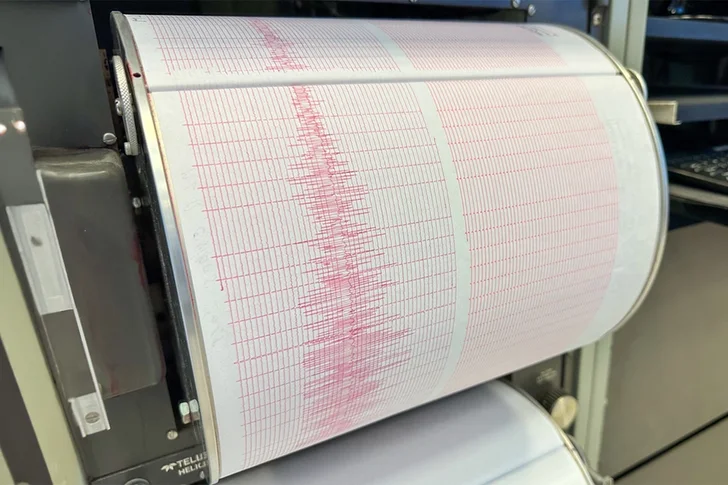
An earthquake measuring 4.4 on the Richter scale struck Ev...
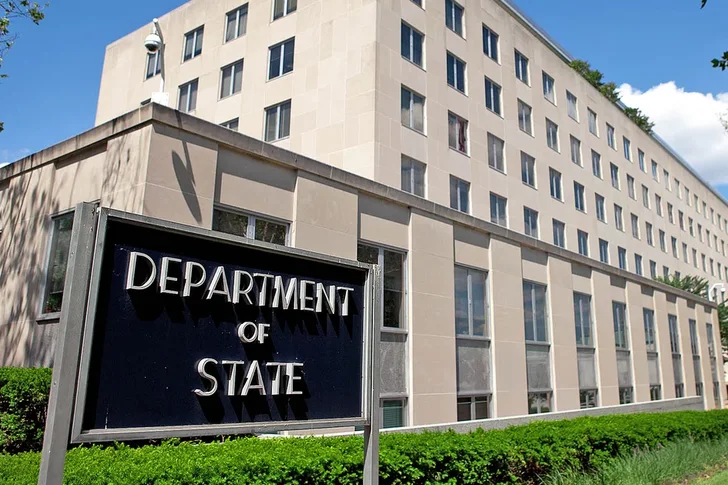
The State Department sought to clarify President Donald Tr...
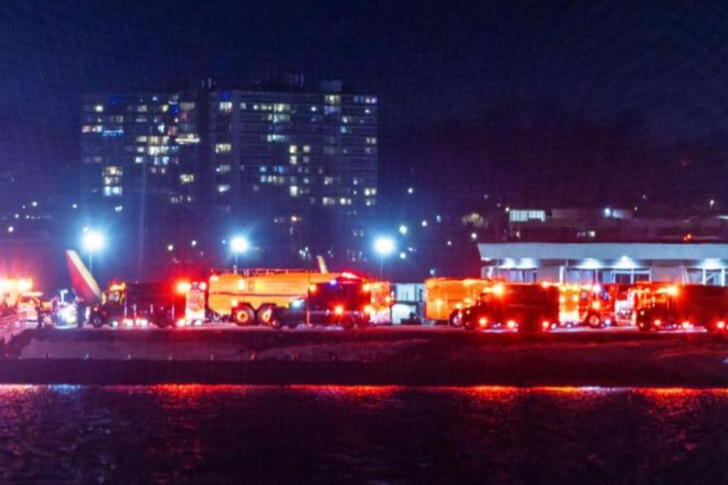
An American Airlines plane has collided with a helicopter ...
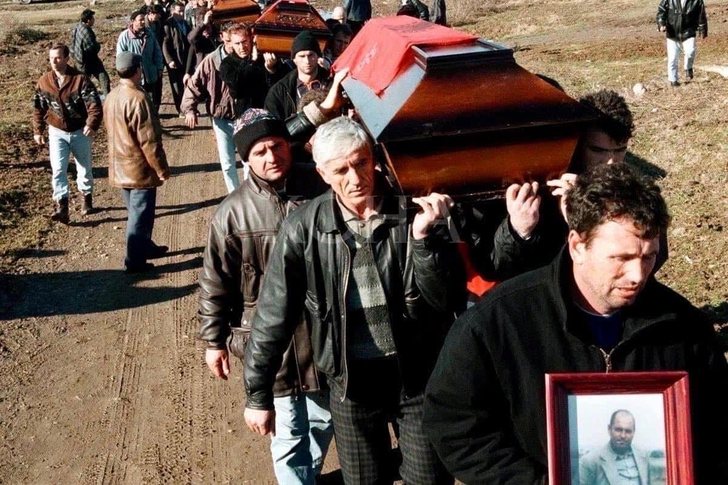
Kosovo Prime Minister Albin Kurti has recalled the massacr...
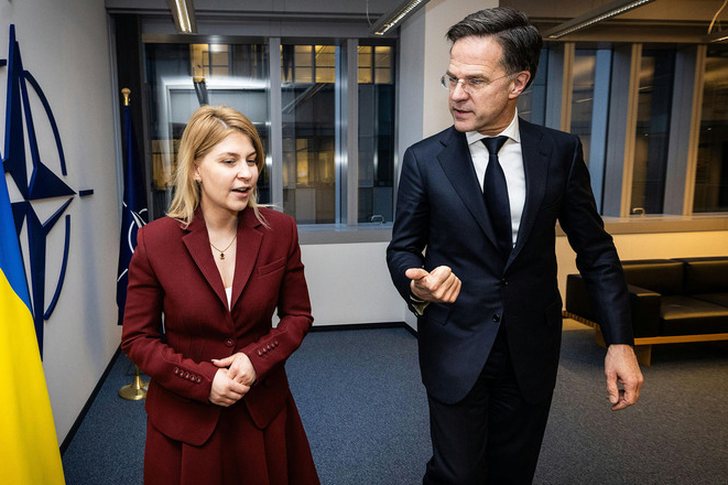
NATO Secretary General Mark Rutte met with Ukraine's Deput...

Hamas will release three Israelis, including two women and...

Secretary of State Marco Rubio's strategy for Southeast an...
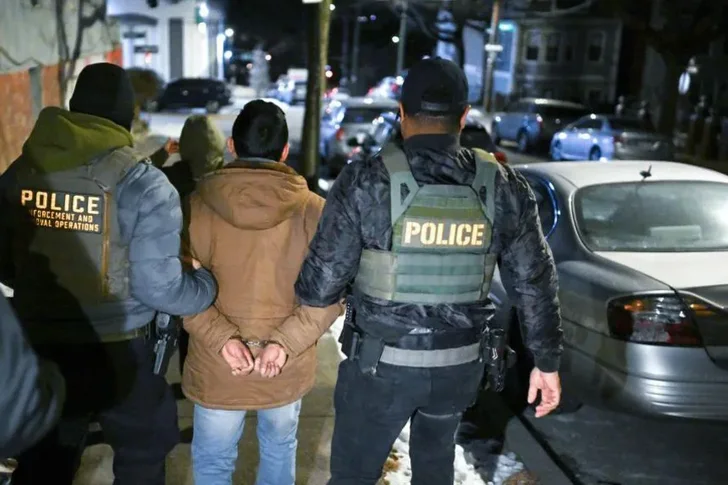
A sense of fear and anxiety is sweeping through immigrant ...

The White House announced it has canceled a memorandum aut...
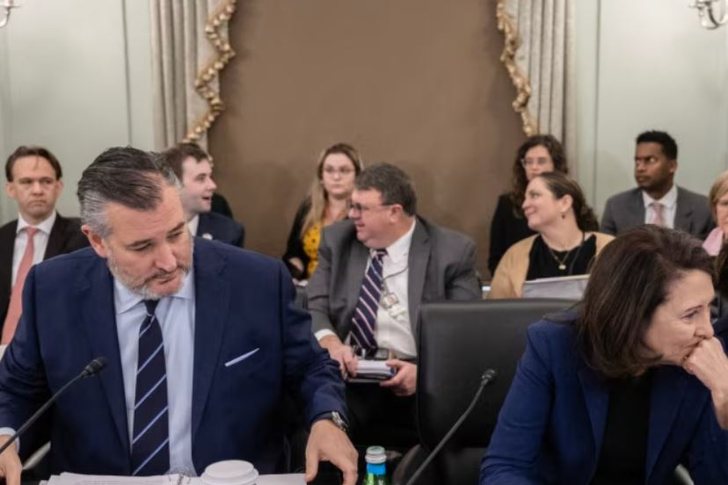
In his inaugural address, US President Donald Trump vowed ...
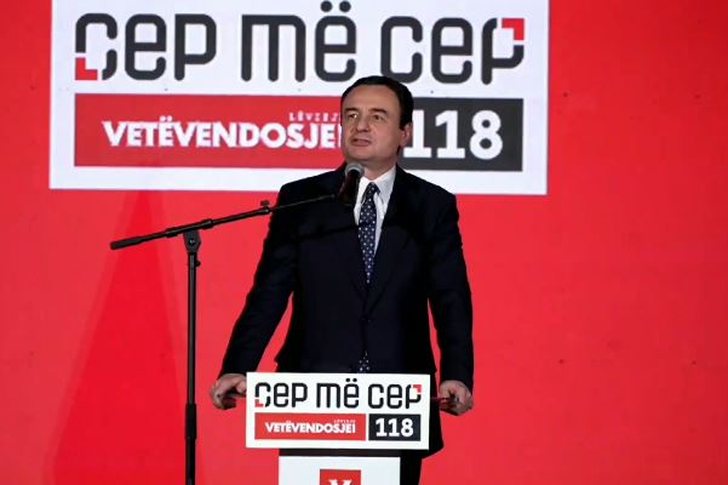
Kosovo Prime Minister Albin Kurti continued his campaign m...
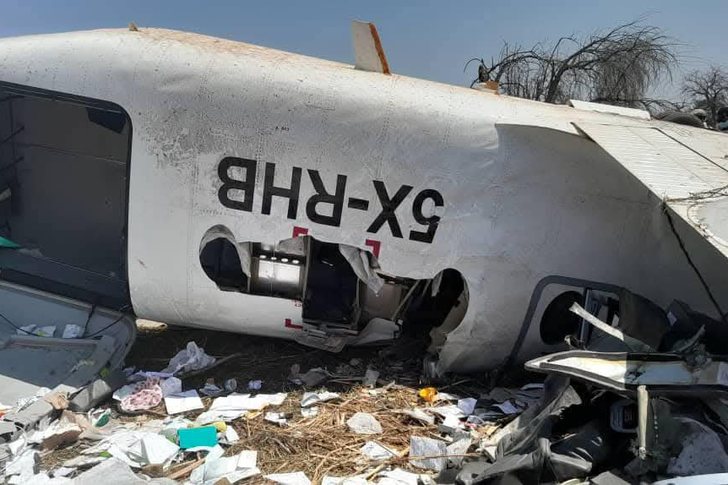
A plane crash has been recorded in South Sudan, killing 20...
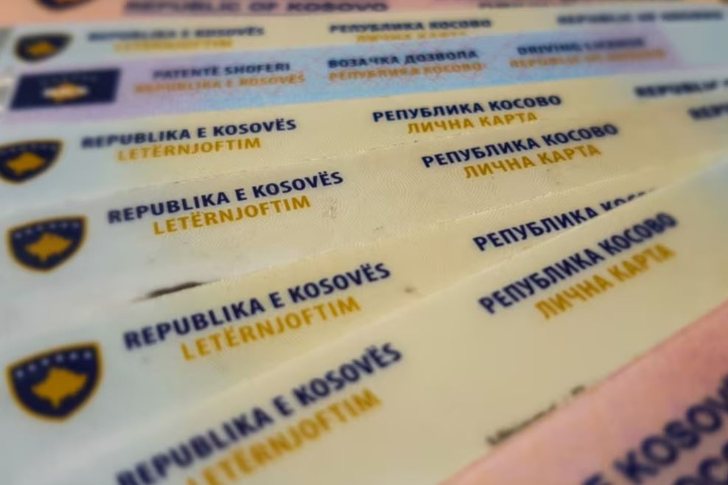
From January 29 of this year, Kosovo and Italian citizens ...
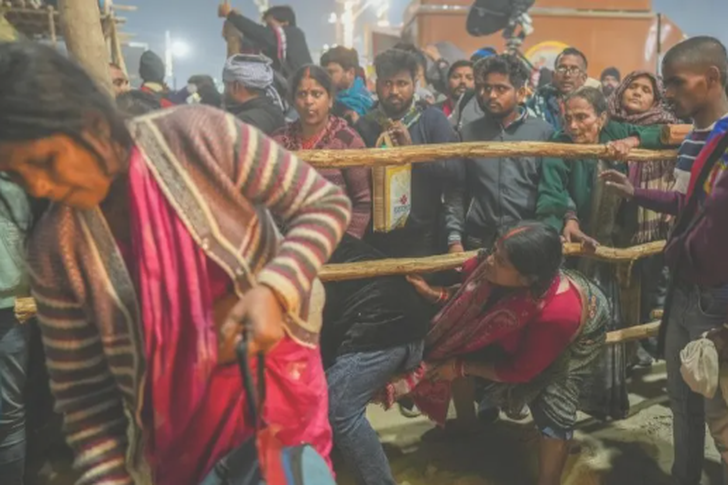
Several people are believed to have been killed during the...

A scientific study has concluded that climate change was a...
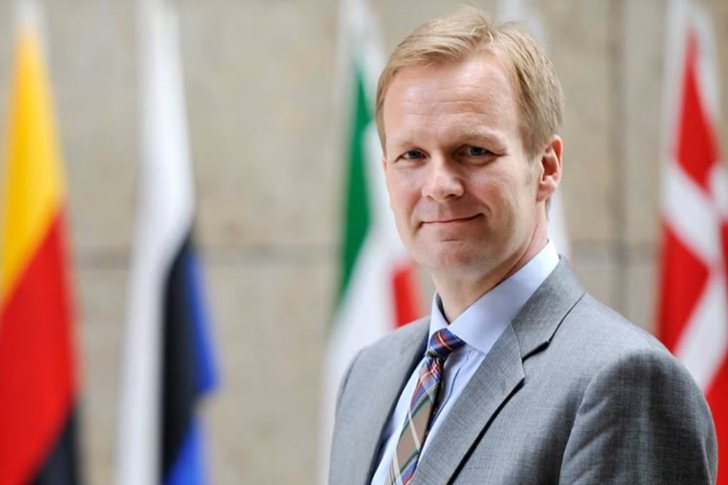
NATO has expressed its readiness to work closely with Pete...

White House Press Secretary Caroline Leavitt emphasized th...
A 39-year-old citizen has been arrested in Lezha, after se...

CNA has launched another investigation that could lead to ...

Irfan Hysenbelliu is a businessman that we call "Irfan the...

In March 2026, CNA launched another investigation centered...

The Special Board of Appeal (KPA) decided this Monday ...

The KPA vetting decided this Thursday to dismiss the p...

Suela Salavaçi, a prosecutor in the Prosecutor's Offic...

The Special Board of Appeal reinstated the prosecutor ...

Several gunshots were reported today in the village of Gjo...
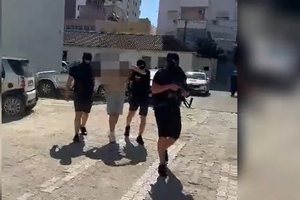
Following the successive operations carried out by the ope...
The Police Supervision Agency has seized the service weapo...
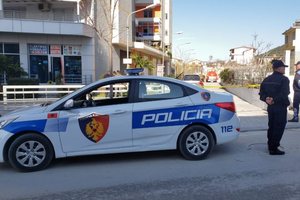
A serious incident occurred in Lushnje, where citizen IY, ...

As the year 2026 is in its second half, the world is exper...

Today, our country will be under the influence of stable a...

By noon, cloudiness is expected to prevail in almost all o...

Children without parental care, for whom alternative famil...
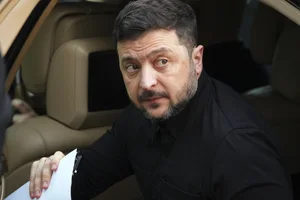
Ukrainian President Volodymyr Zelensky said Russia wants t...
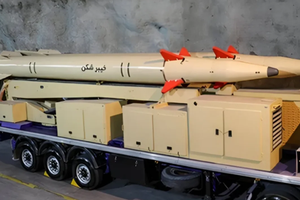
Iran is adapting and enhancing the capabilities of its bal...
Serbia's Minister of State Administration and Local Self-G...
Kazakh President Kassym-Jomart Tokayev shared some critici...
Two windows, a century of history and the metaphysics of p...

In my research at the Central State Archives, specifically...

At a time when industrial products are increasingly taking...

Trust among people is not just a three-syllable word. It c...

This Saturday, one US dollar is bought for 81.7 lek and so...
War, weather and supply disruptions could send gas prices ...
The number of active enterprises in Albania continued to g...
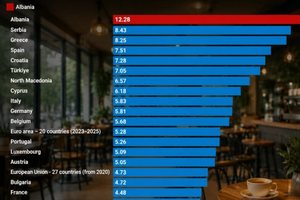
In Albania, the bar-cafe has long become an almost unique ...