

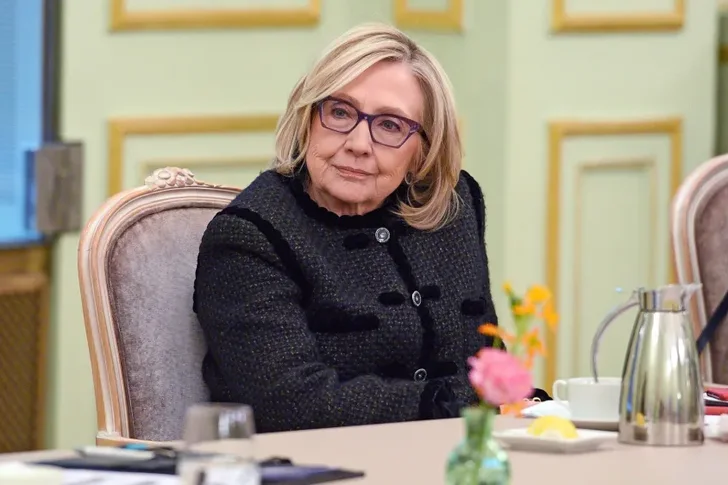
"She doesn't look happy"/ Photo of Hillary Clinton from closed-door testimony released, hearing adjourned
The hearing where former US Secretary of State Hillary Cli...


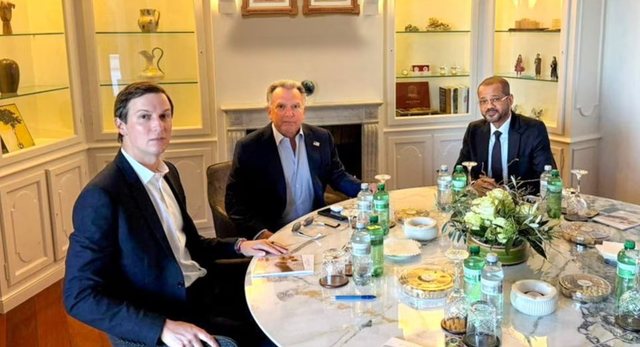
US and Iranian officials held a new round of nuclear talks, brokered by Oman, in Geneva on Thursday, seen as a last-ditch effort to avert a major military conflict between the two arch-foes.
Omani Foreign Minister Badr al-Busaidi, who has a history of mediating between the parties, said he had noted "significant progress" and announced that technical-level discussions would be held in Vienna next week.
"We will resume soon after consultations in the respective capitals... I am grateful to all involved for their efforts: the negotiators, the IAEA (International Atomic Energy Agency) and our hosts, the Swiss Government ," Busaidi wrote on the X platform.
According to Axios, White House envoy Steve Witkoff and Trump's son-in-law Jared Kushner, who represented the United States in Geneva, expressed "disappointment" with the rhetoric of Iranian officials during the morning session of the meeting.
Neither American nor Iranian officials have spoken publicly since the meetings. The third round of talks came as US President Donald Trump is weighing military action if a deal to curb Iran's nuclear program is not reached.
The US has already deployed two aircraft carriers near the Islamic republic. The sides held indirect talks earlier this month in Oman, the first since Israel and the United States bombed Iran's main nuclear facilities during a brief conflict in June last year. The second round of talks was held in Geneva on February 17.
Both rounds of negotiations have failed to produce progress, and key points of disagreement remain unresolved. During the talks, the US has demanded that Iran completely halt uranium enrichment and give up its stockpile of about 400 kilograms of highly enriched uranium, steps that would prevent Tehran from producing a nuclear weapon.
Tehran insists its nuclear program is for peaceful, civilian purposes, such as generating electricity. US Secretary of State Marco Rubio said on February 25 that Iran is trying to “rebuild elements” of its nuclear program even though it is not currently enriching uranium.
Rubio also said that although the talks will focus on Iran's nuclear program, its missiles "must be addressed during the negotiations," as Tehran has "thousands of short-range ballistic missiles that can reach American bases in the region."
He added that Trump's statements on February 24 during his address to the nation that Iran is "working to build missiles that will soon reach the United States of America" ??do not mean that they currently possess such weapons, but that they are "clearly on the path to, one day, being able to develop weapons that can reach the US."
Iranian Foreign Ministry spokesman Esmaeil Baqaei said on February 26 that the indirect talks would focus solely on Tehran's nuclear program. Baqaei later said that the head of the UN nuclear watchdog, Rafael Grossi, would likely join the talks "to help advance discussions on technical issues."
Omani Foreign Minister Badr Albusaidi said on February 26 that American and Iranian officials had shown “unprecedented openness to new and creative ideas and solutions.” Iran has shown it is willing to compromise in exchange for the lifting of American sanctions and recognition of its right to enrich uranium.
In his address on February 24, Trump appeared to argue for a possible attack on Iran, saying he would not allow the “world’s number one state sponsor of terror” to have nuclear weapons. Trump said Tehran wants to rebuild its nuclear program and that it is “right now pursuing its evil nuclear ambitions once again,” a claim that Tehran has denied.
The negotiations in Geneva come after Trump's repeated threats of military action against Tehran, initially over the brutal suppression of mass protests in January, and later over the country's nuclear program.
World powers reached a nuclear deal with Tehran in 2015 to prevent the Islamic Republic from developing a nuclear bomb. Western economic sanctions were eased at the time, but Iran began violating commitments after Trump withdrew from the deal in 2018 during his first term as president and reimposed sanctions. /REL

The hearing where former US Secretary of State Hillary Cli...
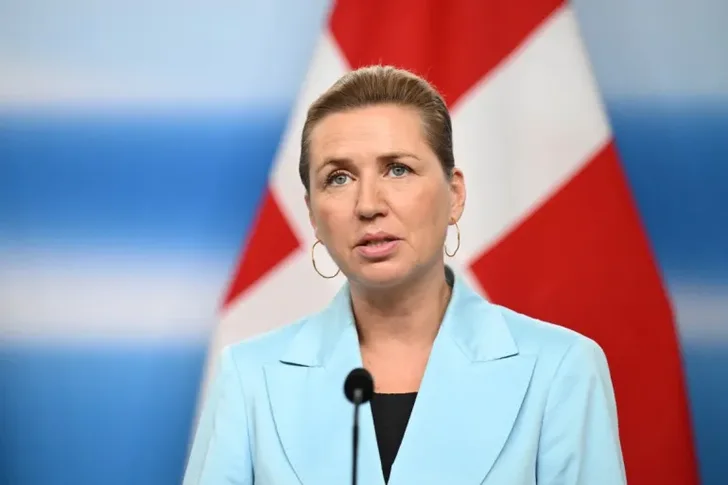
Danish Prime Minister Mette Frederiksen announced today th...
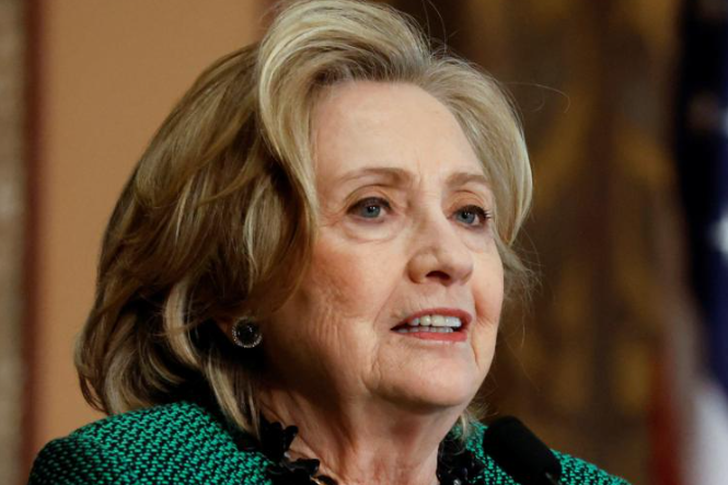
While accusing the Trump administration of "abandoning sur...
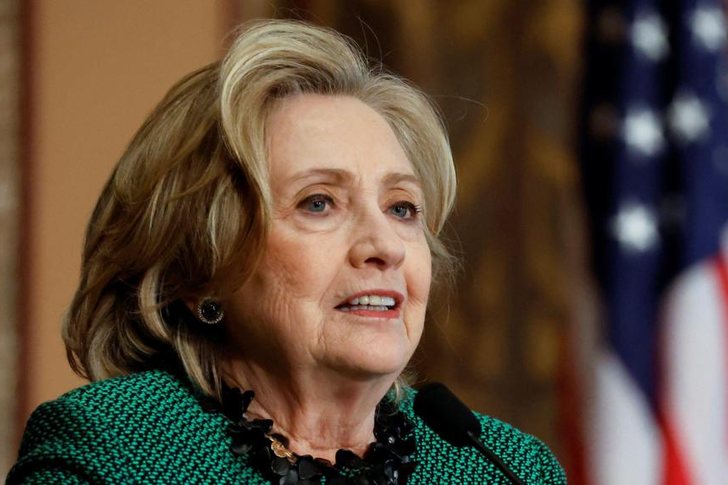
Former US Secretary of State Hillary Clinton is testifying...
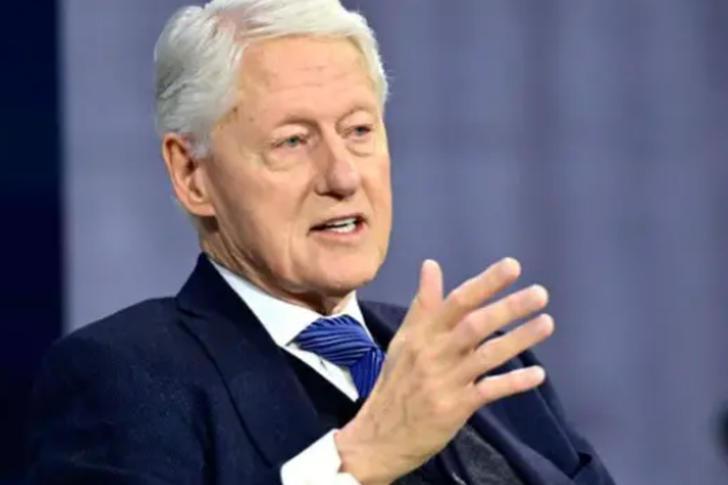
Former US President Bill Clinton will testify tomorrow bef...

Russian authorities have set a deadline for a potential bl...
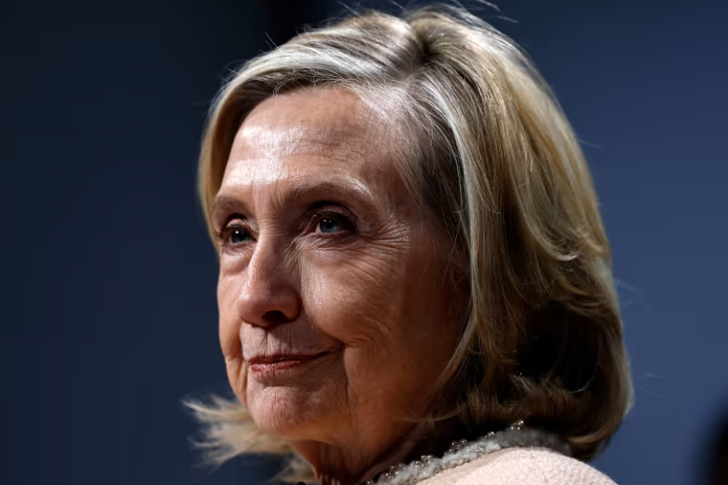
Hillary Clinton will testify behind closed doors before th...
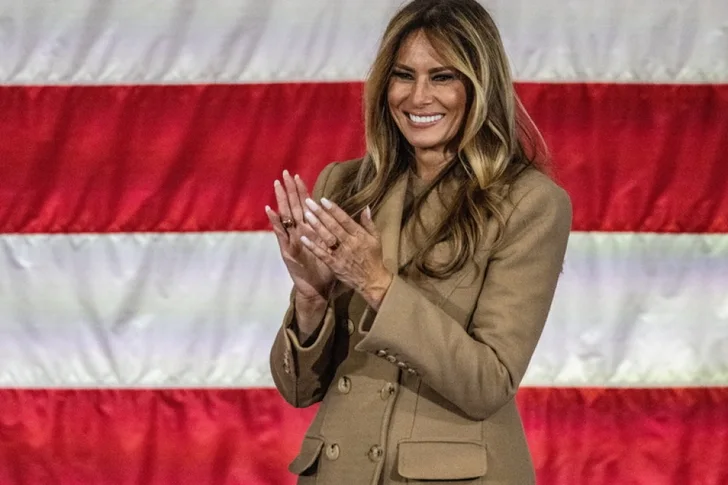
US First Lady Melania Trump will chair a meeting of the Un...
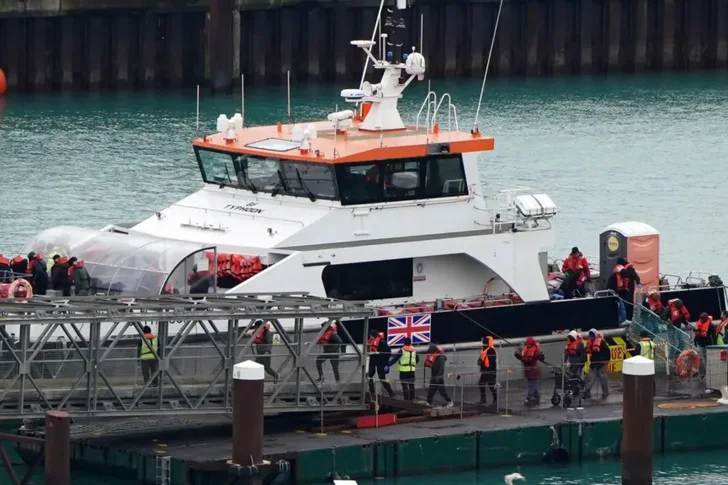
British immigration officers accused of stealing money and...
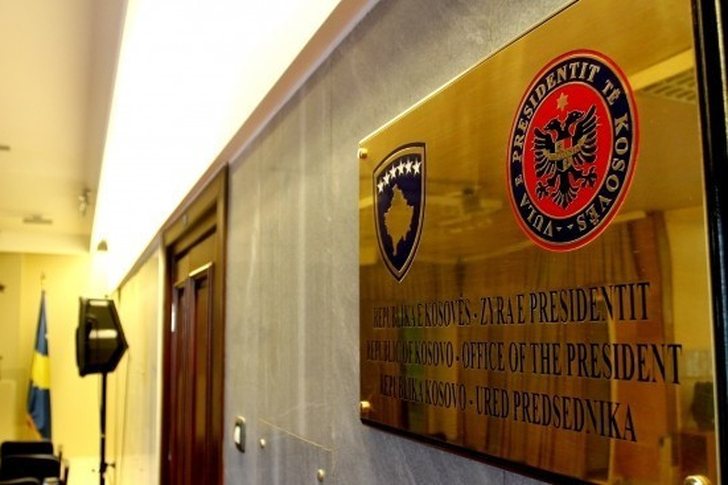
Former Minister of Public Administration and Education, Ar...
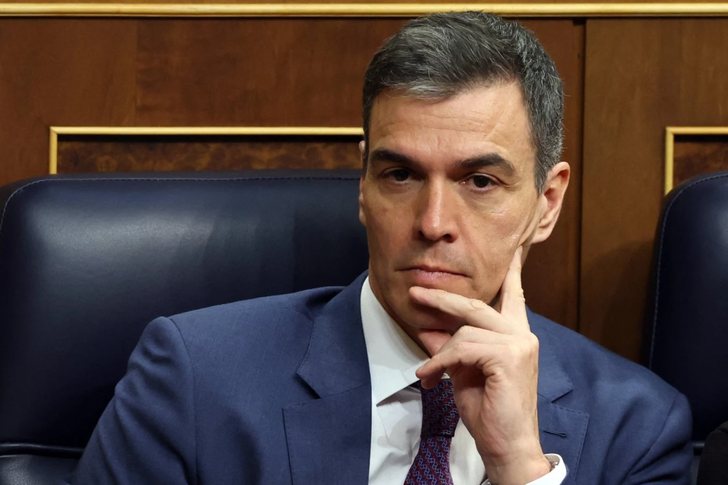
Spanish Prime Minister Pedro Sanchez has reacted today to ...
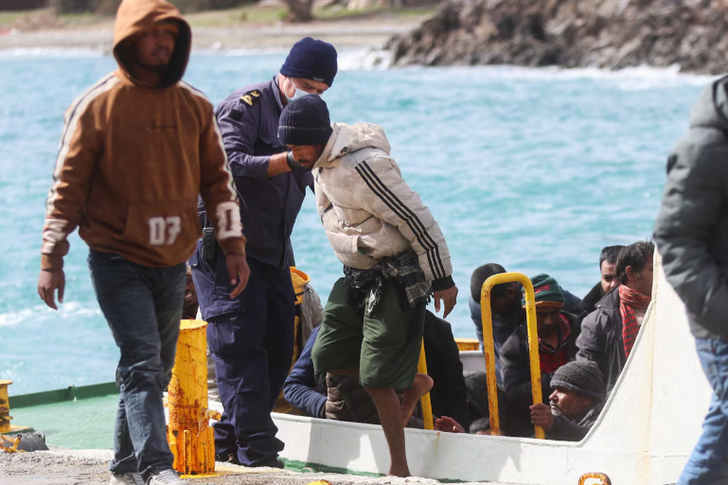
Almost 8,000 people died or went missing last year on dang...
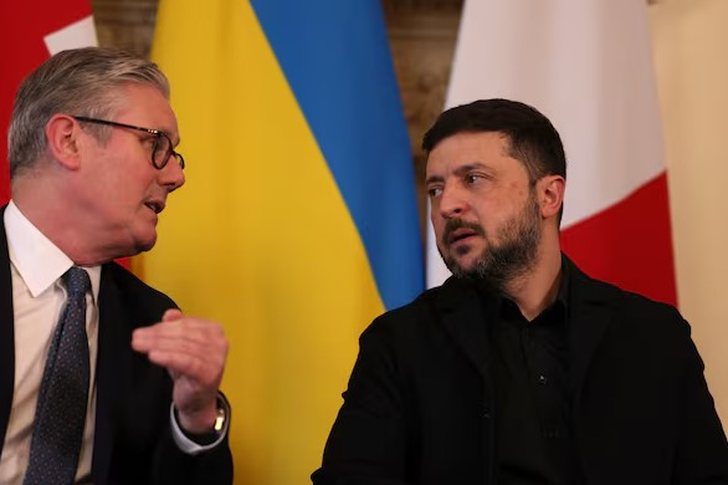
Russian Foreign Ministry spokeswoman Maria Zakharova said ...
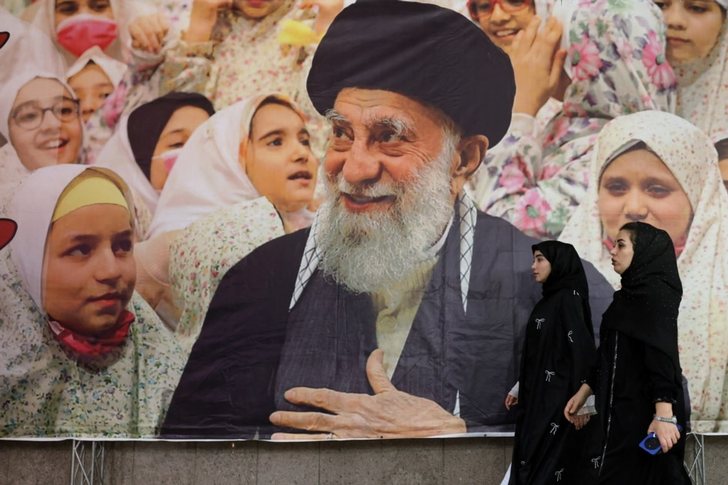
US and Iranian officials began talks in Geneva on February...
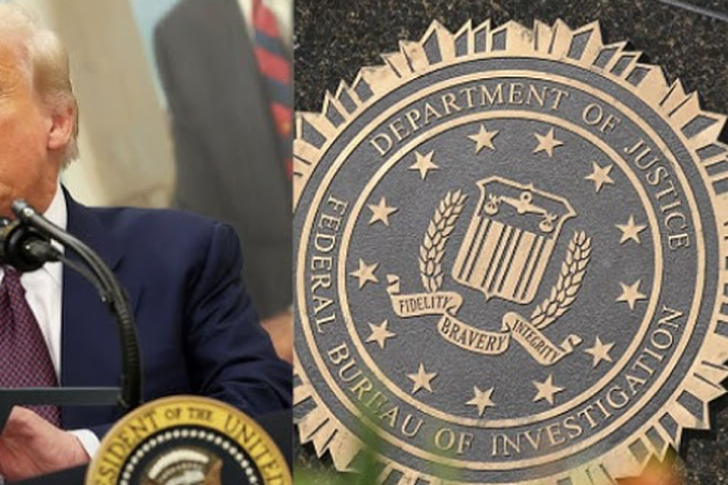
The FBI has fired its agents, who worked on an investigati...
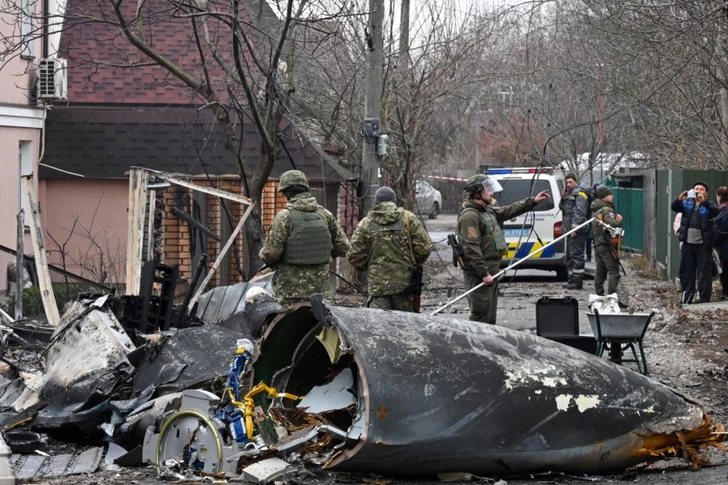
Russia launched an overnight drone and missile attack on U...
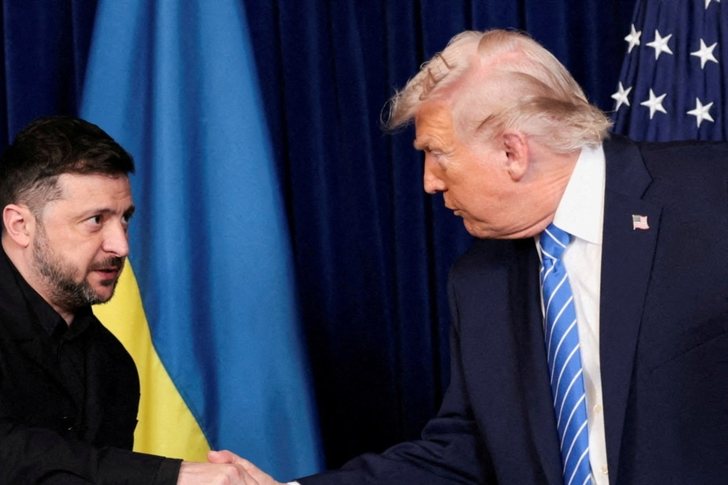
US President Donald Trump and Ukrainian President Volodymy...
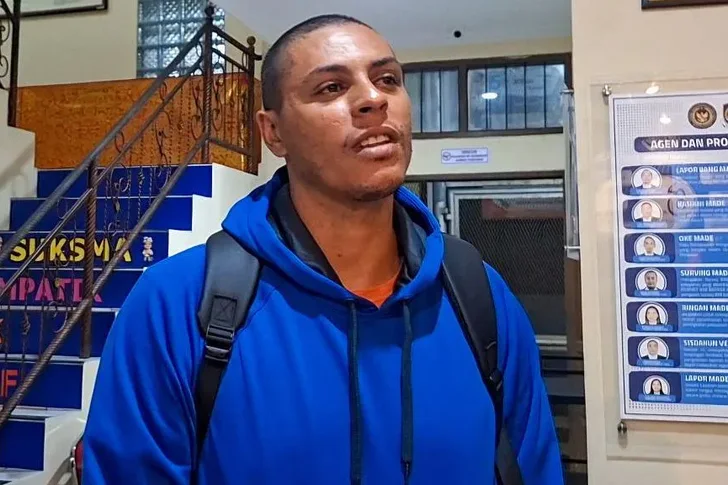
Indonesia has deported an American man who spent 11 years ...
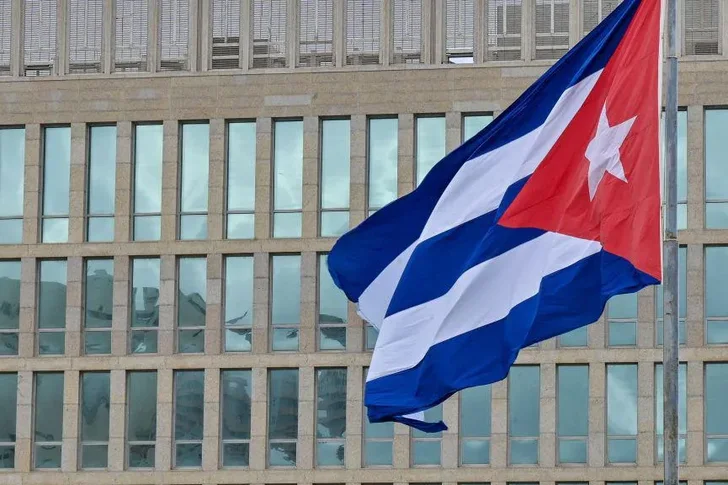
The four people shot dead by Cuban border guards on a US-r...
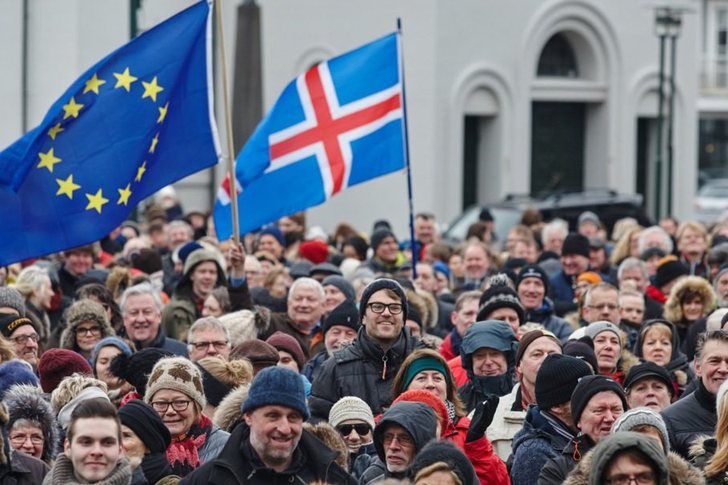
Iceland will hold a referendum on membership in the Europe...

CNA has launched another investigation that could lead to ...

Irfan Hysenbelliu is a businessman that we call "Irfan the...

In March 2026, CNA launched another investigation centered...
The arrested mayor of Tirana, Erion Veliaj, with 13 charge...

The Special Board of Appeal (KPA) decided this Monday ...

The KPA vetting decided this Thursday to dismiss the p...

Suela Salavaçi, a prosecutor in the Prosecutor's Offic...

The Special Board of Appeal reinstated the prosecutor ...
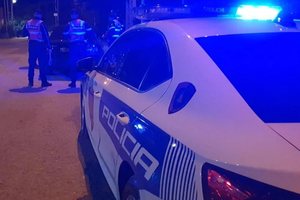
A conflict occurred this Thursday evening in the toy area ...
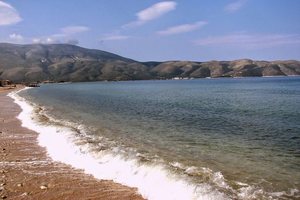
A person has died today on Orikum beach. According to repo...
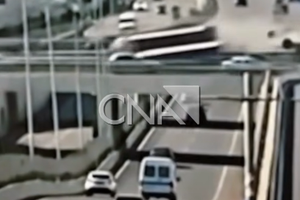
Footage emerges from the serious accident that occurred th...

A Shkodra traffic police officer was hit with hard objects...

Children without parental care, for whom alternative famil...

On Thursday, our country will be under the influence of st...
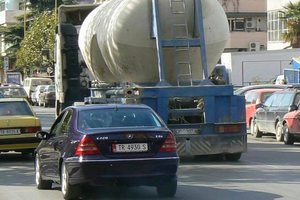
A serious accident that occurred this Wednesday with the c...

The Institute of Geosciences has shared a forecast for wea...
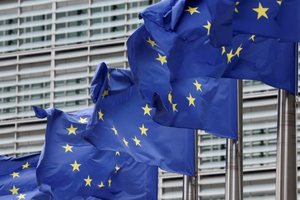
The European Union Office in Kosovo has called on all poli...
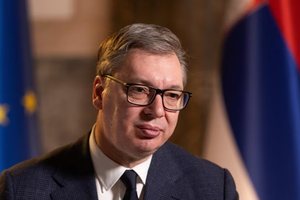
Serbian President Aleksandar Vučić, at a press conference ...

For the first time since the launch of the euro, European ...

Artificial intelligence (AI) models from the American comp...

At a time when industrial products are increasingly taking...

Trust among people is not just a three-syllable word. It c...

Master of humor Todi Llupi has passed away at the age of 7...

The ninth edition of "MIK Festival" kicked off with one of...
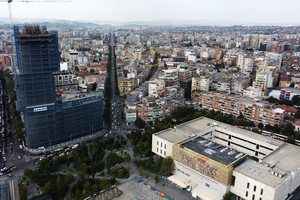
The average sale price of apartments in Tirana reaches rec...

This Thursday, one US dollar is bought for 81.5 lek and so...
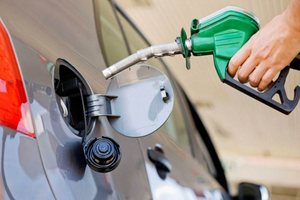
The price of diesel reached 206 lek per liter from 198 lek...

Businesses will no longer be required to simply register t...