


Rusia, sulm me raketa në Kiev
Kryetari i Kievit, Vitali Klitschko, tha se dhjetë persona...



When talking about social benefits or the so-called Bürgergeld in Germany, the question is often asked whether it is worth working or not? Until now, this topic has been addressed mainly by populists, who accuse the current government of raising support for the unemployed to an excessively high level.
But now even economists have come to the conclusion in a study that there are indeed situations in which high social benefits make extra work unattractive.
The Christian Democratic Union (CDU) has stated that if it wins the elections, it will modify the aid system, especially by toughening the sanctions against those who refuse to accept the jobs offered. But there is a discussion here that is deeper than social assistance. It is about the question of what are the consequences of the combination of different social benefits that are reduced if someone who receives these benefits works and increases his income.
Unclear rules
The answer to this question is given by a study conducted under the leadership of the Ifo Institute from Munich, in which the economist from Berlin Ronnie Schöb also participated. The result of the study does not differ from many other studies before: the one who works, has more than the one who does not work. But there are also situations, in which if someone who works more does not necessarily have a better income. "More work is not always worth and does not necessarily mean more money."
This can be seen, for example, in the case of a special category, when someone works, but due to the amount of money earned, they also need additional benefits or housing support as well as additional child benefits. These are usually people who do low-wage jobs and do not work full-time. Here there are also problems in the coordination between different aid offices, explains Schöb.
The biggest problem - excessively high payroll taxes
The big problem is the rent payments, but another big problem is the extremely high contributions that have to be paid from the salary, which has serious consequences, explains Schöb: "Why would anyone work more if they end up with no more benefits a lot or just a little more money?" There is also the absurdity that in the event of an increase in wages, people in some income groups are even advised to work less, because the contributions are too high. While with less work, the profit is the same, while you have more free time.
Employers are also witnesses of this phenomenon. "Employees react by reducing working hours due to high contributions. Although the opposite would be more important from a social point of view, emphasizes Pascal Kober, from the liberal party (FDP).
Kober cites as an example a single mother who currently earns 1,000 euros and is considering working 50 percent more. But because of the contributions, she would only have 84 euros more. This is disastrous given the labor shortage and lack of specialists in Germany.
He and others sympathize with those who say, "I work more hours, why shouldn't I have more money in my account at the end of the month?"
Necessary reform
Economists suggest that social benefits be paid over a longer period of time, so that at least 30 cents of every extra euro earned remains for people who have the right to work despite receiving benefits. "At first glance, this would only lead to higher social costs," says Schöb of the Free University of Berlin. But in the end, such a reform would benefit the state as well. "If we create incentives for people to work more again, this means that they pay higher social security contributions, pay income tax and lower costs for those who have to guarantee a minimum income."
But the Ministry of Labor is reluctant to implement the study's conclusions. The ministry announced that these results "are being analyzed in various ministries". The FDP politician Kober insists that they be implemented: "The principle that it is worth working for must also have support in the SPD." Even Kober's colleague, Klose , thinks: "A situation must be created when the work is worth it, so I will certainly support this path"./ DW

Kryetari i Kievit, Vitali Klitschko, tha se dhjetë persona...
Organizata e Kombeve të Bashkuara paralajmëroi se mbetjet ...

The United States has circulated a draft United Nations Se...
The European Commission (EC) approved on Wednesday a d...

Irish Prime Minister Leo Varadkar has resigned 15 mont...
Udhëheqësit e fesë myslimane në Shtetet e Bashkuara, t...
US Secretary of State Antony Blinken began a mission to th...

Ukrainian drones on Wednesday attacked an air base of Russ...

Primary elections were held in five American states on Tue...

The American ambassador in Kosovo, Jeff Hovenier, said tha...
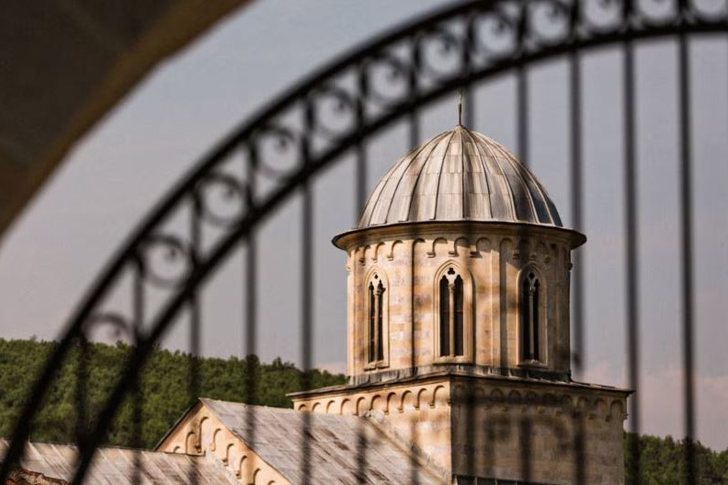
The Diocese of Rashka and Prizren of the Serbian Ortho...
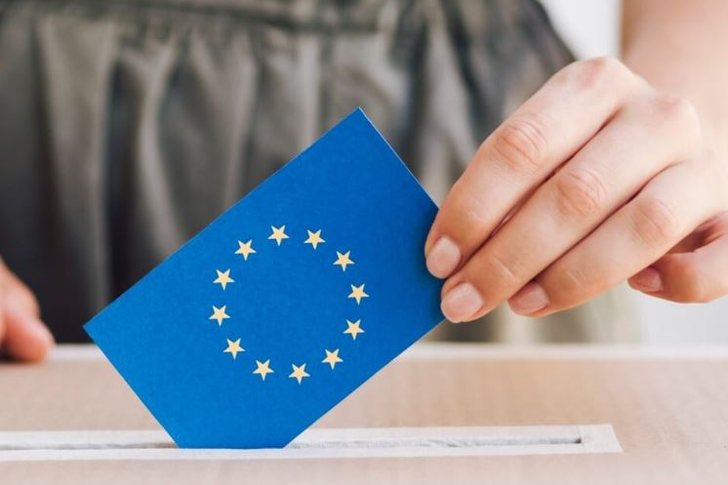
The EU wants to make it easier for foreign workers to ...
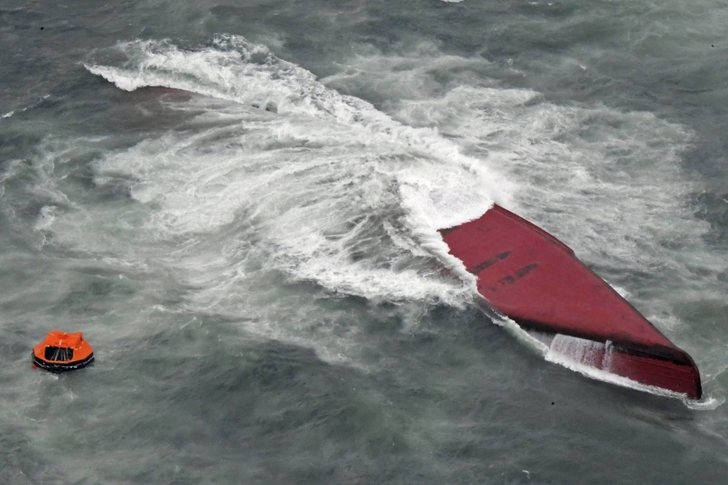
A South Korean-flagged tanker with a crew of 11 sank off t...
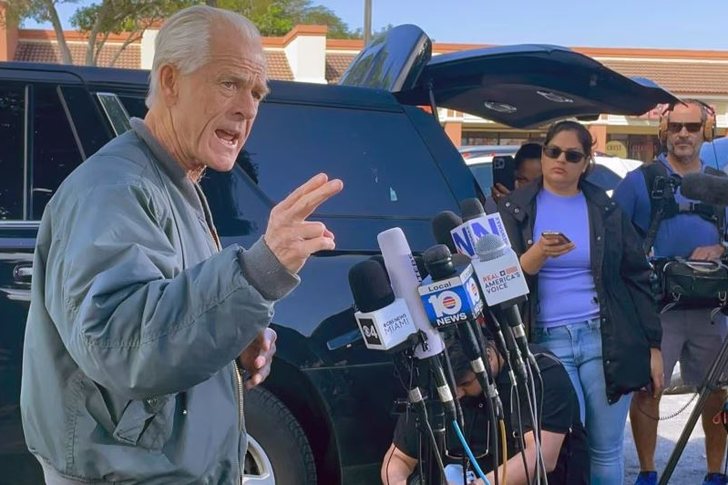
Former White House adviser Peter Navarro reported to p...
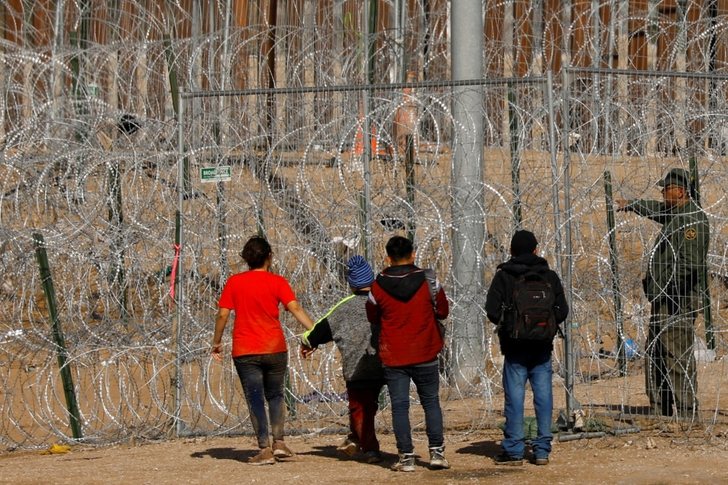
Texas plans to detain immigrants suspected of entering the...
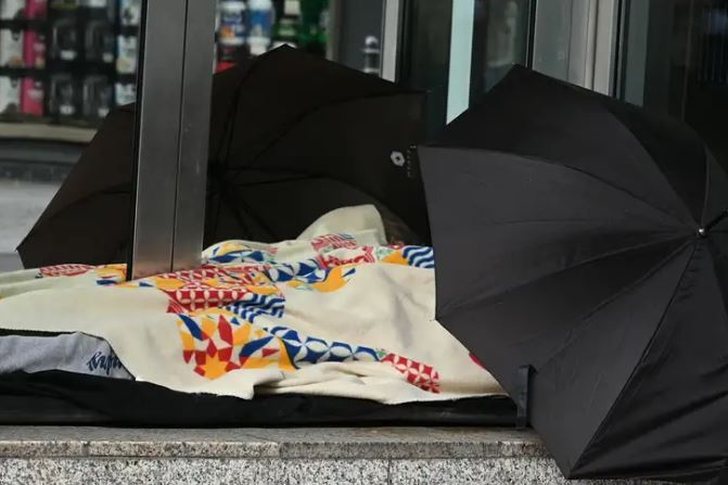
A Council of Europe report on Germany's social policy ...
Turqia është zgjuar këtë të mërkurë nga tërmete të fuqishm...
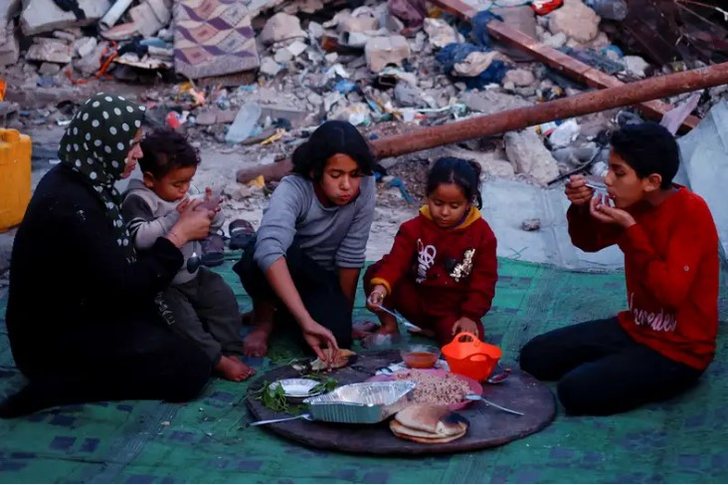
Ministri i Jashtëm i SHBA-së, Antony Blinken, tha se 100% ...
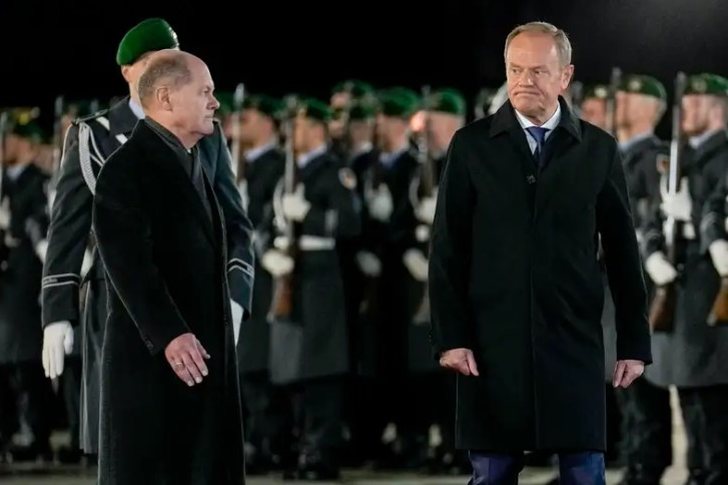
The difficult past is burdening the relations between Pole...

The figures are disillusioning: in 137 countries, which ca...

CNA has launched another investigation that could lead to ...

Irfan Hysenbelliu is a businessman that we call "Irfan the...

In March 2026, CNA launched another investigation centered...
The arrested mayor of Tirana, Erion Veliaj, with 13 charge...

The Special Board of Appeal (KPA) decided this Monday ...

The KPA vetting decided this Thursday to dismiss the p...

Suela Salavaçi, a prosecutor in the Prosecutor's Offic...

The Special Board of Appeal reinstated the prosecutor ...

New details have emerged regarding the accident that occur...

New details have emerged from the serious accident that oc...
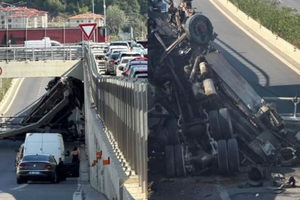
A serious accident occurred this Wednesday on the Elbasan-...
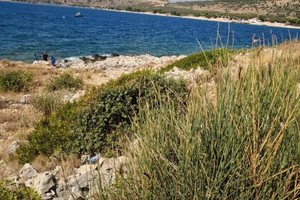
Citizen MH, 61, a fisherman, was found dead near the islan...

The Institute of Geosciences has shared a forecast for wea...
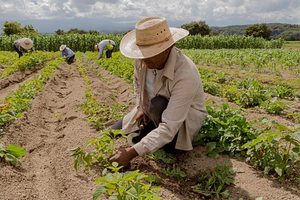
Rising energy and fertilizer prices are expected to contin...

Over 18,000 foreign citizens from 140 countries have appli...

This Wednesday, our country will be under the influence of...

US President Donald Trump has issued another warning to Ir...
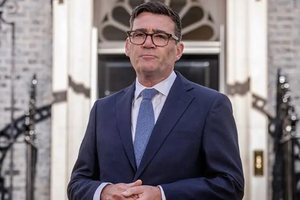
Prime Minister Andy Burnham has announced that most bus fa...

France's parliament has passed a law to ban social media f...

US Secretary of State Marco Rubio arrived in Manila on Jul...

At a time when industrial products are increasingly taking...

Trust among people is not just a three-syllable word. It c...

Master of humor Todi Llupi has passed away at the age of 7...

The ninth edition of "MIK Festival" kicked off with one of...

Businesses will no longer be required to simply register t...

Despite economic growth and income in recent years, Albani...

This Wednesday, one US dollar is bought for 81.4 lek and s...

Construction company licenses will have a validity period ...