


Serious incident in Kukës/ Officer commits suicide with gun in village cemetery
A serious incident has occurred in Morina, Kukes. Citizen...

A serious incident has occurred in Morina, Kukes. Citizen...

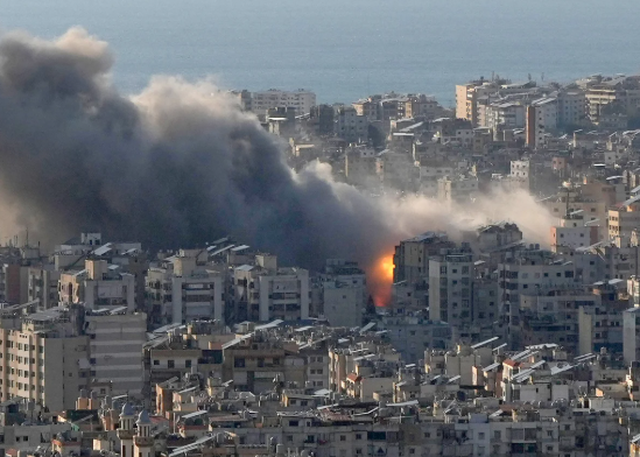
Pakistan has offered itself as a host for future talks to end the conflict with Iran, citing the country's strong ties to both the Middle East and Washington.
Pakistan's Prime Minister, Shehbaz Sharif, said in a social media post on March 24 that his country "is ready and honored to be a host to facilitate meaningful and definitive talks for a comprehensive resolution to the ongoing conflict."
Pakistan is among several countries, along with Turkey and Egypt, that are said to be playing a mediating role in efforts to end the fighting that began with US and Israeli air strikes against Iran on February 28.
Some media outlets mentioned Islamabad as a possible venue for talks between Tehran and Washington, which could possibly take place this week.
It is not clear when, or if, the talks will take place, but as a neighbor of Iran that receives most of its oil from the Persian Gulf, Pakistan has been directly affected by the conflict and has a strong interest in seeing the war end.
"Pakistan has stepped up efforts to broker a ceasefire," a senior military source in the country told Radio Free Europe/Radio Liberty's (RFE/RL) Radio Mashaal. "Turkey and Egypt are joining the effort. Pakistan has interests for many reasons."
Trump's "favorite officer"
A key player in this has been Asim Munir, the head of Pakistan's army, which traditionally makes decisions behind the scenes while political leaders speak in front of television cameras.
Trump has described Munir as "my favorite officer," and the White House told REL that they discussed the war and US-Iran talks during a phone call on March 23.
"Pakistan, of course, is among the winners of Trump II's foreign policy. Asim Munir has had at least two meetings with President Trump last year," Christian Wagner, a senior researcher at the German Institute for International and Security Affairs (SWP), told REL.
"It was quite a surprise that Pakistan suddenly received this high recognition in US foreign policy under the second Trump administration. And, the personal relationship between Trump and General Munir has certainly contributed to this," he added.
While Trump and Munir were talking on the phone, Sharif was calling Iranian President Masoud Pezeshkian.
"We discussed the grave situation in the Gulf region and agreed on urgent de-escalation, dialogue and diplomacy," he later wrote on X.
Pakistan's pain
Disa ditë më parë, Sharif kishte mbajtur një fjalim televiziv drejtuar kombit, duke paraqitur masa emergjente për t’u përballur me pasojat e luftës me Iranin.
Gjysma e të gjithë punonjësve në institucionet shtetërore dhe private tani do të punonin nga shtëpia, ndërsa shumë zyra do të kalonin në javë pune 4-ditore për të kursyer energji, tha ai më 9 mars.
Kjo u pasua nga masa të tjera, si taksa shtesë mbi benzinën, për të dekurajuar përdorimin e makinave ose grumbullimin e karburantit. Ofruesit e shërbimeve të transportit i thanë Radio Mashaalit të REL-it se nuk mund t’ia dilnin më të punonin.
Gjendja e rëndë shkaktohet nga varësia e Pakistanit nga Gjiri Persik për furnizime me naftë. Më shumë se 85 për qind e naftës së Pakistanit vjen me anije nga Arabia Saudite dhe Emiratet e Bashkuara Arabe, por Irani ka ndërprerë rrjedhën duke mbyllur rrugën përmes Ngushticës së Hormuzit.
Pakistani është gjithashtu shumë i varur nga Katari për gaz të lëngshëm natyror (LNG). Në qendrën ekonomike e Pakistanit, porti i Karaçit, ka rënë qetësi absolute.
E gjithë kjo trysni ekonomike është ndër arsyet për interesimin e Pakistanit në ndërmjetësimin e një zgjidhjeje diplomatike për luftën me Iranin. Por, ka edhe shumë të tjera.
Në ditët e para të luftës, turma të zemëruara myslimanësh shiitë i vunë flakën konsullatës së SHBA-së në Karaçi pas vrasjes së liderit suprem të Iranit, ajatollah Ali Khamenei.
Ishte një çast dramatik që tregoi se si lufta mund të ndikojë në shqetësimet e sigurisë së brendshme të Pakistanit.
Pakistani është vend kryesisht mysliman sunit, por një pakicë e konsiderueshme e popullsisë së tij është shiite, që është edhe mbizotërimi shumicë në Iran dhe përkatësia e pushtetit të tij fetar.
Islamabadi përballet gjithashtu me një kryengritje në Baluçistan dhe konflikt të armatosur me Afganistanin e drejtuar nga talebanët. Vitin e kaluar, ai zhvilloi gjithashtu një luftë katërditore me Indinë.
“Pakistani, duke pasur parasysh vendndodhjen e tij, është shumë i ndjeshëm ndaj efekteve të përhapjes së konfliktit. Dhe, me kufij të tensionuar si me Indinë ashtu edhe me Afganistanin, ai nuk mund të përballojë të tërhiqet në një konflikt në atë që zakonisht është kufiri i tij më paqësor”, tha për REL-in Michael Kugelman, hulumtues i lartë në Këshillin Atlantik.
“Në këtë kuptim, Pakistani ka motiv jashtëzakonisht të madh për të ndihmuar në përparimin e çdo përpjekjeje për t’i ulur tensionet e konfliktit”, shtoi ai.
Burimi i lartë në ushtrinë pakistaneze u pajtua me këtë.
“Çdo trazirë ose konflikt i vazhdueshëm në Iran e prek drejtpërdrejt Pakistanin për sa i përket një fluksi të mundshëm refugjatësh, tensioneve sektare në Pakistan dhe fuqizimit të elementëve separatistë në Baluçistanin e Pakistanit dhe rajonet Sistan-Baluçistan të Iranit”, tha ai.
Lidhja me Arabinë Saudite
The senior officer also cited another factor: Pakistan's defense agreement with Saudi Arabia, signed in September last year.
A report at the time by the Saudi Press Agency said: “The agreement stipulates that any aggression against either country will be considered aggression against both countries,” but the text of the pact was not made public.
Iran has carried out a series of attacks on targets in Saudi Arabia, prompting Saudi Foreign Minister Prince Faisal bin Farhan to hint at a military response. This has led to strong speculation that Islamabad may be forced to intervene on Riyadh's side.
"Any active involvement of Saudi Arabia in the conflict will put Pakistan in a dilemma of respecting the agreement at the cost of active hostility towards Iran and its domestic consequences ," the military official said./REL

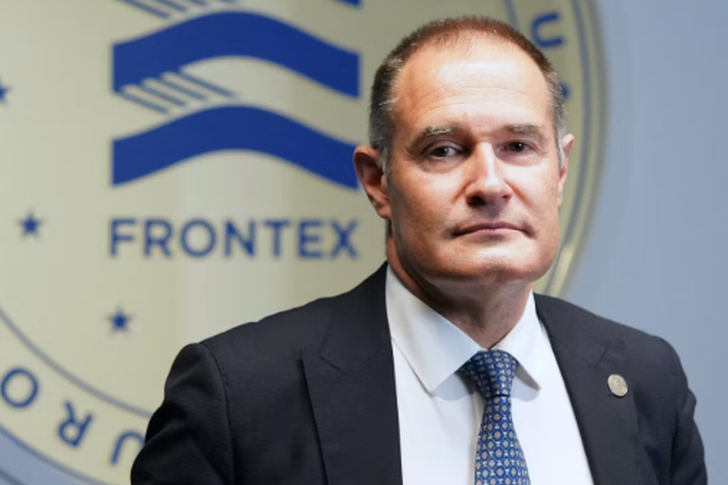
The former head of Frontex, Fabrice Leggeri, is facing cha...
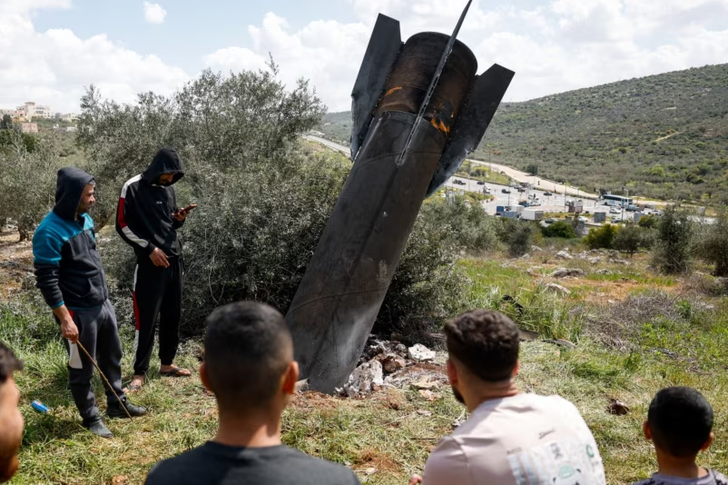
Iran carried out attacks against Israel and Kuwait on Tues...
President Vjosa Osmani has requested clarification from th...

The European Commission has postponed the presentation of ...
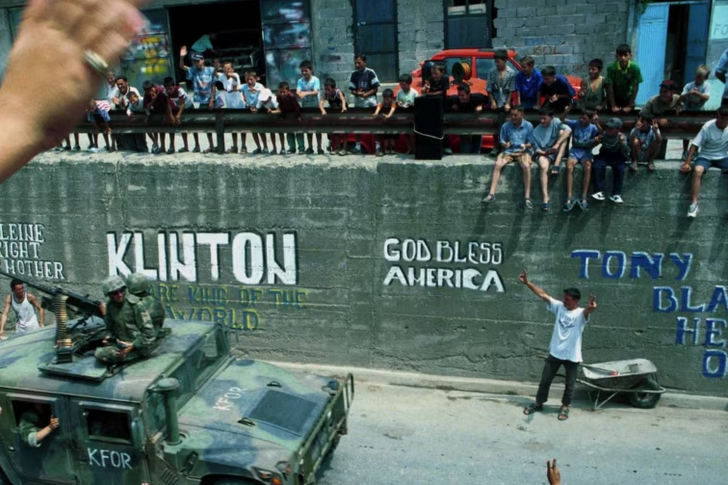
Today marks the 27th anniversary of the start of NATO bomb...
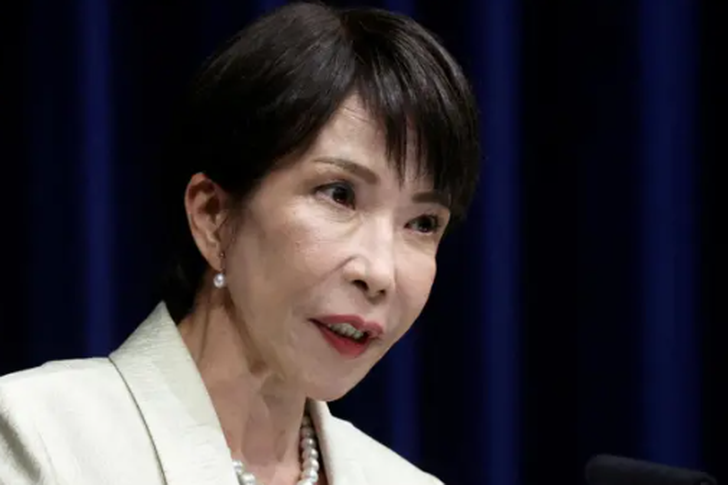
Japan's Prime Minister Sanae Takaichi has announced that t...
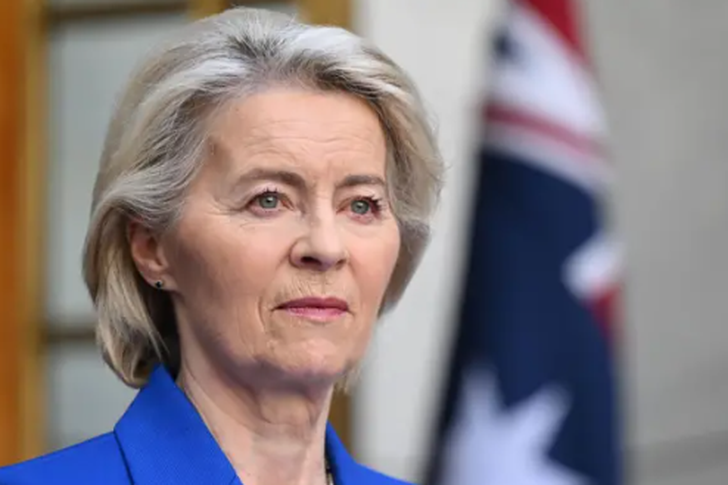
During an official visit to Australia, European Commission...
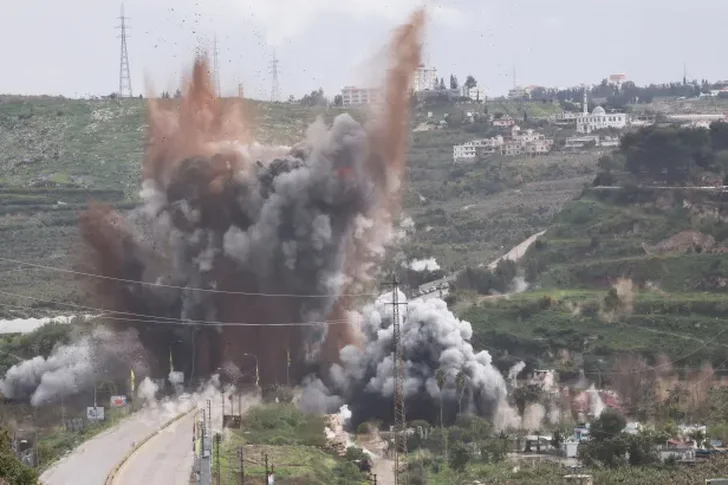
Israeli media have reported that the United States has set...
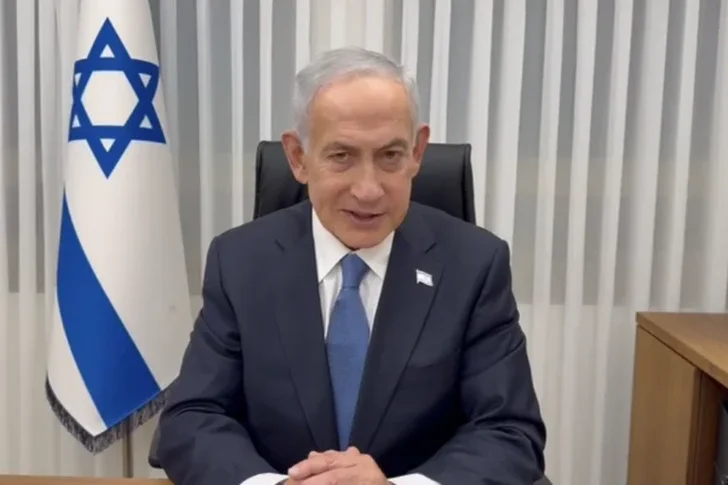
Israeli Prime Minister Benjamin Netanyahu has announced th...
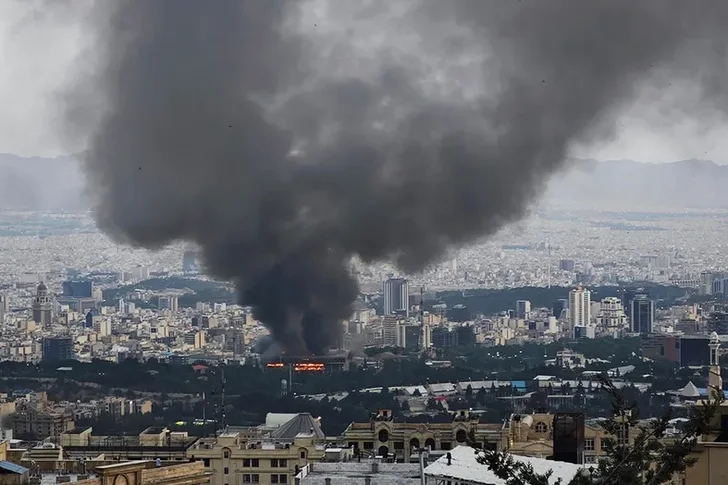
Ushtria izraelite ka deklaruar se ka goditur sot një nga s...
The US Embassy in Muscat, Oman, has issued a shelter-in-pl...
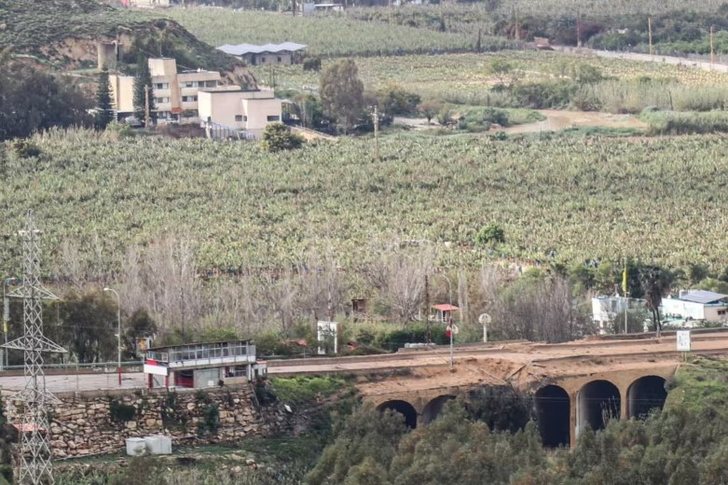
Israel should expand its border with Lebanon to the Litani...

Prosecutors and representatives of the justice system in I...
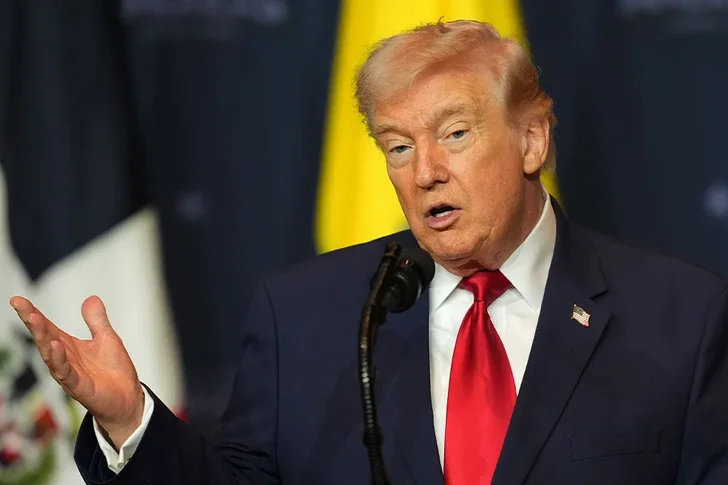
US President Donald Trump said the US has held talks with ...

Polls published today showed that Italian Prime Minister G...
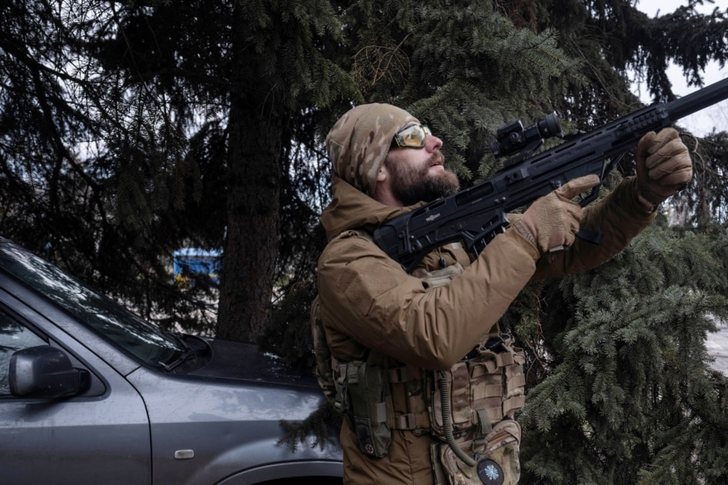
Ukraine and Russia have exchanged major drone strikes, eac...
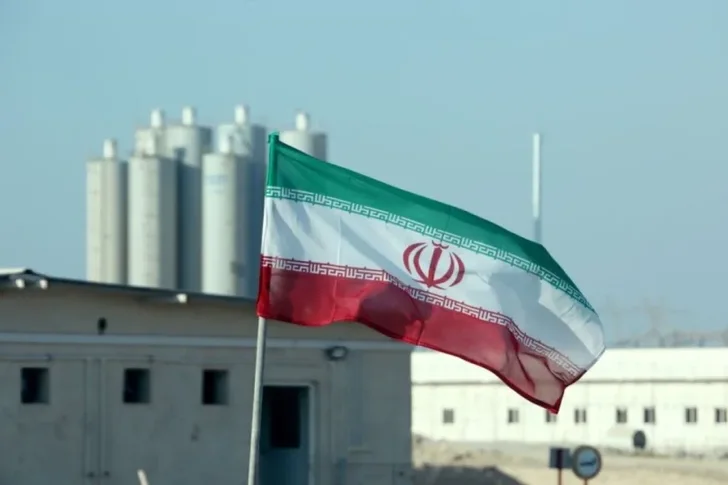
US President Donald Trump backed away from a threat to att...
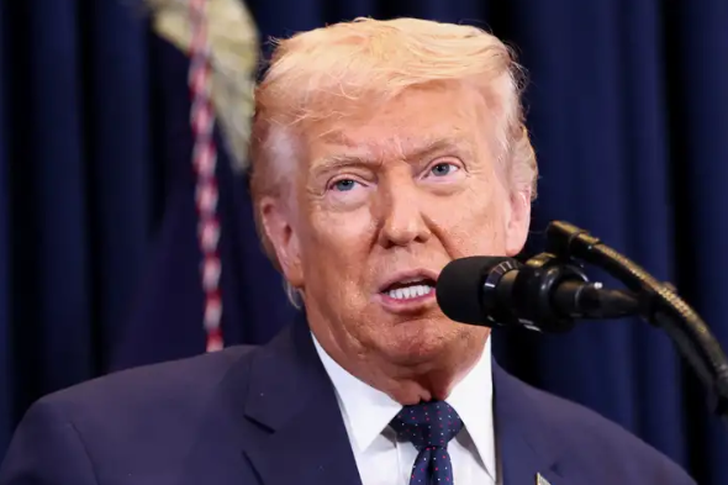
US President Donald Trump ordered a halt to attacks on Ira...
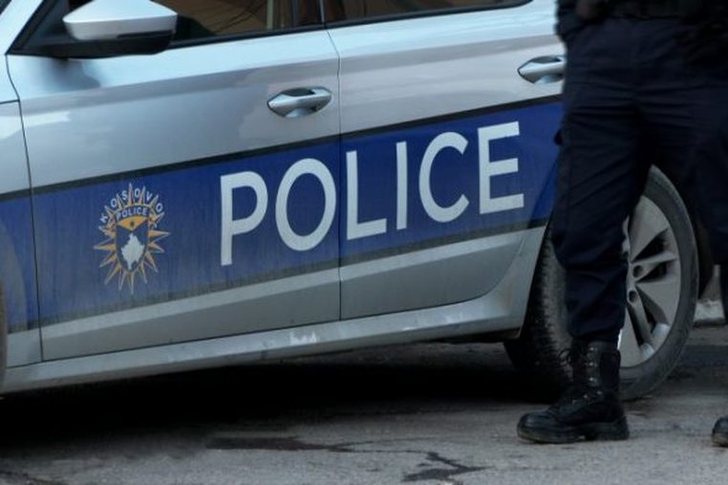
A serious incident occurred on Sunday evening in a village...
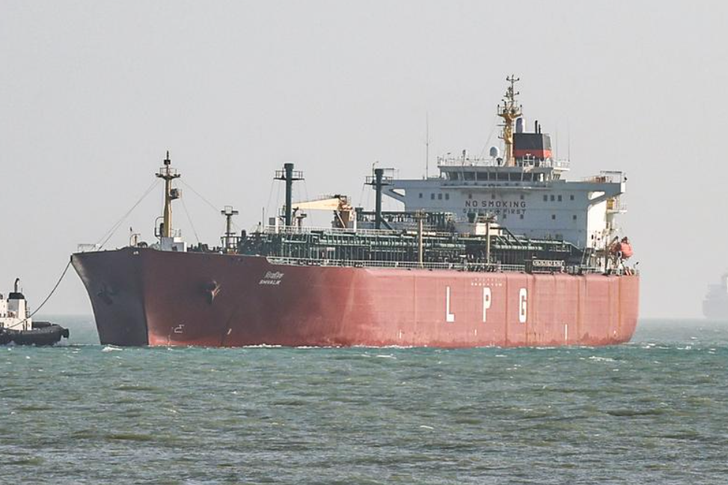
The conflict over the Strait of Hormuz is escalating signi...

CNA has launched another investigation that could lead to ...

Irfan Hysenbelliu is a businessman that we call "Irfan the...

In March 2026, CNA launched another investigation centered...
The arrested mayor of Tirana, Erion Veliaj, with 13 charge...

The Special Board of Appeal (KPA) decided this Monday ...

The KPA vetting decided this Thursday to dismiss the p...

Suela Salavaçi, a prosecutor in the Prosecutor's Offic...

The Special Board of Appeal reinstated the prosecutor ...

A serious incident has occurred in Morina, Kukes. Citizen...
The bad weather that swept the country on Tuesday evening ...

A road accident occurred this evening on Nikolla Zoraqi St...
Three people were shot and wounded in Elbasan last night b...

This Wednesday, our country will be under the influence of...
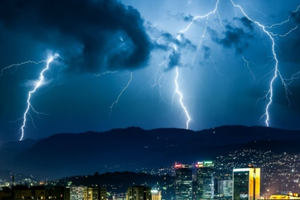
All of Southern Europe will face changing weather conditio...
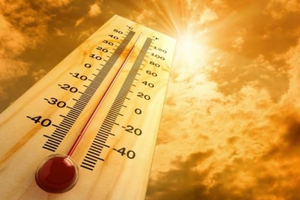
Albania was hit by temperatures significantly higher than ...

For the first time, Pogradec welcomed the Inter-Lake Chess...
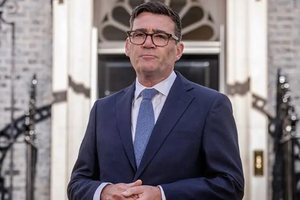
Prime Minister Andy Burnham has announced that most bus fa...

France's parliament has passed a law to ban social media f...
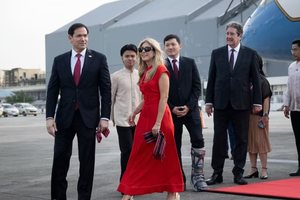
US Secretary of State Marco Rubio arrived in Manila on Jul...
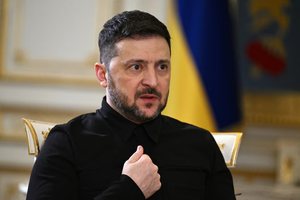
In the space of a few days, Ukrainian President Volodymyr ...

At a time when industrial products are increasingly taking...

Trust among people is not just a three-syllable word. It c...

Master of humor Todi Llupi has passed away at the age of 7...

The ninth edition of "MIK Festival" kicked off with one of...

Businesses will no longer be required to simply register t...

Despite economic growth and income in recent years, Albani...

This Wednesday, one US dollar is bought for 81.4 lek and s...

Construction company licenses will have a validity period ...