

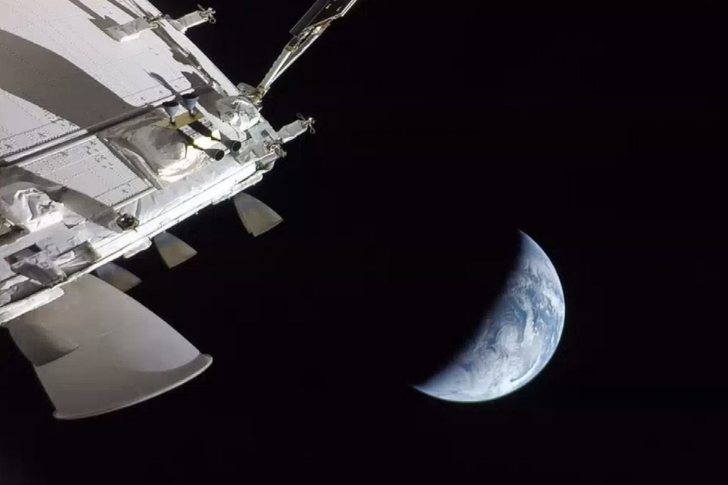
"The Artemis II journey was spectacular"/ Trump: Next step, the planet Mars
The President of the United States of America, Donald Trum...


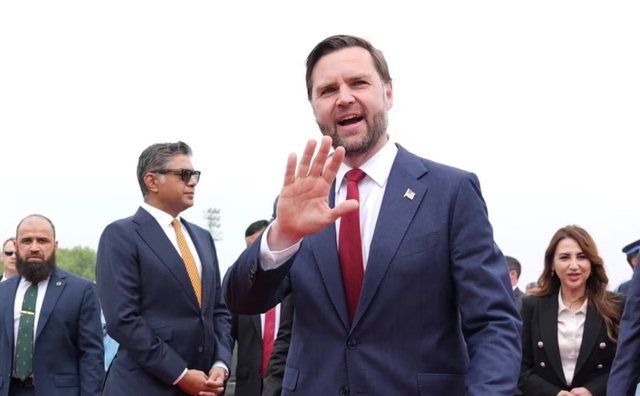
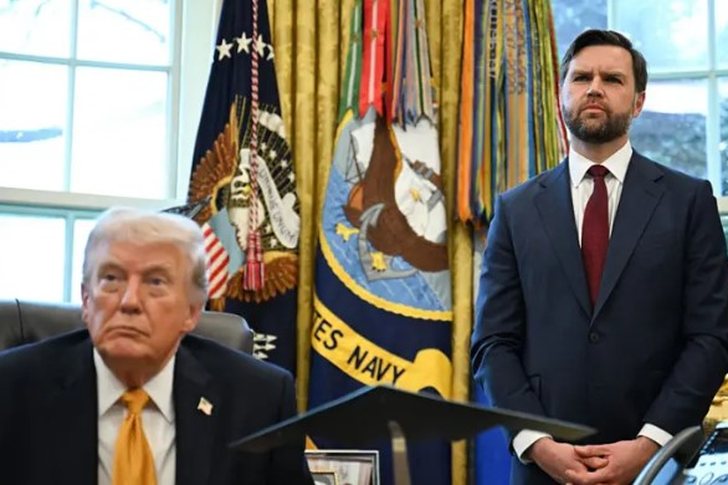
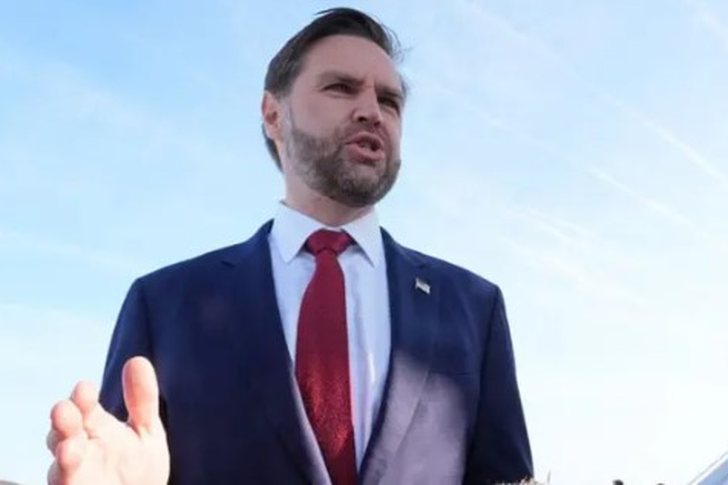
US Vice President JD Vance is facing the most important diplomatic challenge of his term, having traveled to Islamabad to lead negotiations with Iran.
These talks could ultimately determine whether the fragile two-week ceasefire will be respected, or whether the region will slide back into a new conflict.
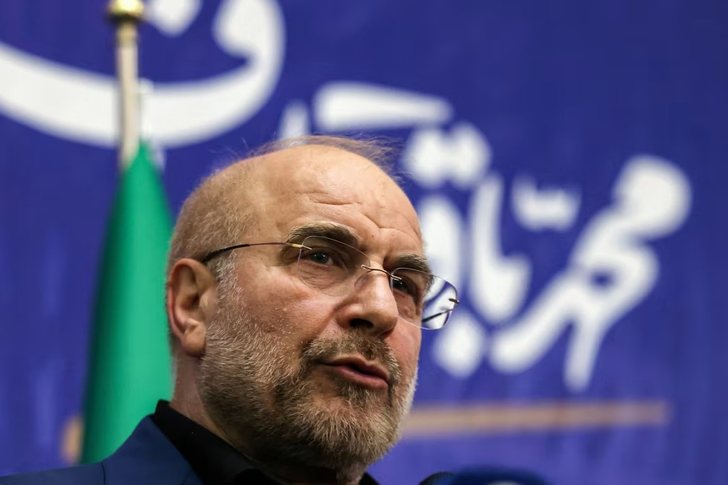
The American delegation includes special envoys Steve Witkoff and Jared Kushner, as well as officials from the National Security Council, the State Department and the Pentagon. They face an Iranian team led by Foreign Minister Abbas Araqchi and Parliament Speaker Mohammad Baqer Qalibaf.
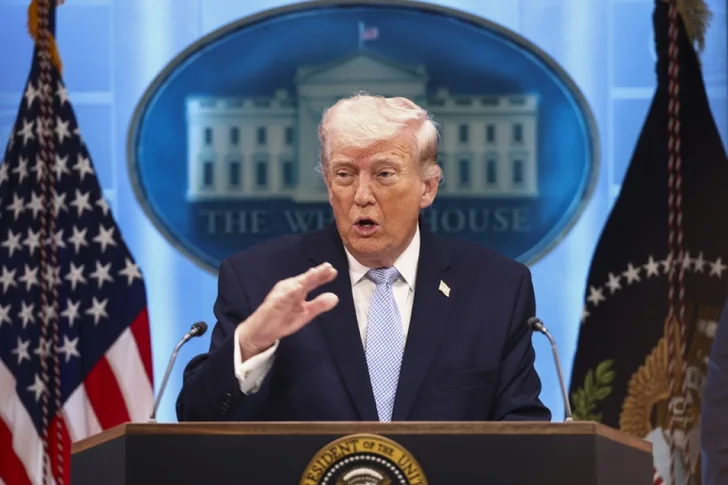
In Washington, US President Donald Trump told reporters on April 10 that he expects progress that will "open the Persian Gulf with or without" a formal agreement, while warning that he will not allow Iran to impose tariffs or effectively control the Strait of Hormuz.
However, as negotiations are expected to begin on April 11, the path to a lasting solution remains uncertain, shaped by competing pressures, regional conflict dynamics, and fundamental disagreements over the conditions for peace.
Negotiations driven by pressure, not trust
For Ryan Bohl, Middle East and North Africa analyst at risk intelligence firm RANE, the seriousness of the talks is not in doubt, but their outcome is far from guaranteed.
"The talks are serious ," Bohl told Radio Free Europe on April 10, emphasizing the US's appetite to stop a protracted conflict and the urgent need for Iran to move towards a path of reconstruction and internal stability.
"But uncertainty remains as to the extent to which each side is willing to compromise ."
According to Bohl's assessment, both Washington and Tehran are negotiating under pressure, although the balance of influence is not equal. Iran believes it has a strategic advantage through its influence over the Strait of Hormuz and higher tolerance for short-term difficulties.
"Iran's political will, in the short term, is not as weak as America's," Bohl said. "They seem to think they can use that to extract concessions."
This advantage is as much psychological as it is material. According to Bohli, Tehran is finding opportunities in Washington's inconsistent messaging.
"Tehran likely sees Washington's somewhat erratic communications as a sign of weakness and urgency ," he said, adding that this encourages them to seek concessions, such as unlocking assets for reconstruction.
Në të njëjtën kohë, kalkulimi politik i Trumpit e ndërlikon pozitën e SHBA-së. I vendosur që të mos duket sikur po bën lëshime ndaj Teheranit, presidenti mund të kufizojë fleksibilitetin e nevojshëm për një përparim, pavarësisht dobësive të brendshme që, sipas Bohlit, mund të dobësojnë pozicionin e Uashingtonit.
Hormuzi: Aset strategjik apo kurth për përshkallëzim?
Ky tension është më i dukshëm në Ngushticën e Hormuzit, arterien kyç për energjinë globale që Irani e ka kufizuar pjesërisht.
Dan Arbell, një ish-zyrtar i shërbimit të jashtëm izraelit dhe studiues në Universitetin Amerikan, e përshkroi situatën si të brishtë dhe të rrezikshme.
“Ngushtica e Hormuzit mbetet e mbyllur”, tha ai për REL-in.
Ndërsa vazhdon një “kalim i kufizuar” i anijeve, Irani e ka lidhur rikthimin e plotë të transitit me operacionet izraelite në Liban. “Kjo sigurisht po e minon përpjekjen aktuale”, shtoi Arbell.
Ryan Bohl e sheh qëndrimin e Iranit si një bast të kalkuluar.
“Irani ka treguar se aktualisht e kontrollon në mënyrë efektive Hormuzin”, tha ai. “Por, Trump mund të besojë ende se duhet të përdorë forcën për ta rihapur atë nëse Irani e përdor për shumë gjatë si kartë negocimi”.
Rezultati është një ekuilibër i paqëndrueshëm: një ngufatje strategjike që i jep Teheranit ndikim, por që rrezikon të shkaktojë pikërisht reagimin ushtarak, që ai përpiqet ta shmangë.
Fronti në Liban: Potencialisht problemi kryesor
Diplomacinë e ndërlikon më tej konflikti mes Izraelit dhe Hezbollahut, i cili është shpallur organizatë terroriste nga Shtetet e Bashkuara dhe Izraeli. Irani këmbëngul se ky front nuk mund të ndahet nga një armëpushim më i gjerë.
Bohl theksoi se Teherani e sheh këtë grup si thelbësor për të frenuar fushatat e ardhshme ushtarake izraelite: “Irani nuk mund të lejojë që Hezbollahu të eliminohet gradualisht nga izraelitët”.
Arbell vuri në pah dhunën e vazhdueshme si një pengesë kryesore. “Izraeli po bombardon objektiva në të gjithë Libanin... ndërsa Hezbollahu vazhdon të lëshojë raketa drejt veriut të Izraelit”, theksoi ai.
Këto zhvillime sfidojnë drejtpërdrejt procesin e negociatave në Islamabad.
Por, ka përpjekje për ta adresuar këtë çështje. Departamenti amerikan i Shtetit pritet të jetë mikpritës i bisedimeve në nivel ambasadorësh mes Izraelit dhe Libanit më 14 prill në Uashington. Megjithatë, Arbell paralajmëroi se pritjet duhet të jenë modeste.
“Duhet të jemi realistë”, tha Arbell. “Nuk do të ketë ndryshim brenda natës. Ky është një proces”.
Ai shtoi se, ndërsa prioriteti i Izraelit është çarmatimi i Hezbollahut, grupi militant nuk ka gjasa të çarmatoset pa një ndryshim më të gjerë rajonal.
SHBA-ja dhe Izraeli: Të harmonizuar, por jo identikë
A key sticking point is the question of whether Israel's campaign in Lebanon should be tied to US-Iran negotiations. Israeli Prime Minister Benjamin Netanyahu has sought to maintain freedom of action against Hezbollah, but that stance is changing under US pressure.
“Israel was advocating for the idea of ??not linking the two,” Arbell said. “But in recent days it has become clear that the United States expects Israel to de-escalate … to avoid undermining the broader effort.”
Arbell clarified that this is a “difference in approach” and not a rift in the alliance. While the US is focused on reopening the Strait of Hormuz and stabilizing global markets, Israel remains focused on weakening Hezbollah’s capabilities.
He suggested that a clear US message to Netanyahu could be issued over the weekend, calling for restraint to give diplomacy a chance.
The limitations of diplomacy
The core of the negotiations remains on long-standing US demands: restrictions on Iran's nuclear program, limits on missile development, and a halt to support for regional allies such as Hamas and the Houthi rebels in Yemen.
Arbell warned that the US cannot expect Iran to “change overnight” or surrender. He argued for a pragmatic approach: “The US needs to bring ideas that can be implemented and accepted. Otherwise, it will not happen.”
Both analysts see a convergence of interests in stopping the conflict. Arbell stressed that Iran needs “breathing space” to recover from the devastation of the recent attacks.
However, Bohl said he sees a risk of a stalemate. According to him, the way out could be "fatigue" on both sides.
But he also warned of a more volatile scenario: if Washington runs out of political will in the face of Tehran, Iran could retain informal control over the Strait of Hormuz, retaining the ability to block the passage again in the future.
Why Islamabad holds the key
While several diplomatic channels exist, both experts agree that the talks in Islamabad have the most immediate weight.
"I think the talks in Pakistan are more important ," Arbell said. "What happens between the US and Iran has a bigger impact on the overall situation."
Unlike the complex Israel-Lebanon process, these negotiations can produce results that are implemented within days.
For Vice President J.D. Vance, this is a defining moment. Success could stabilize a volatile region and mark a major diplomatic achievement for the Trump administration. Failure risks deepening a cycle of conflict, characterized by repeated violence and ongoing threats to the global economy.
As talks begin, the question is no longer whether both sides want a way out, but whether they can agree to one before the balance between influence and escalation collapses. /REL

The President of the United States of America, Donald Trum...
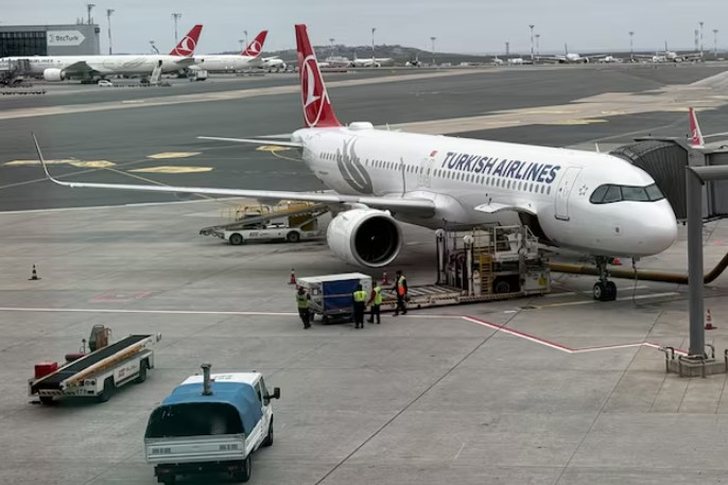
Turkish Airlines (THYAO.IS) has carried out a complete man...
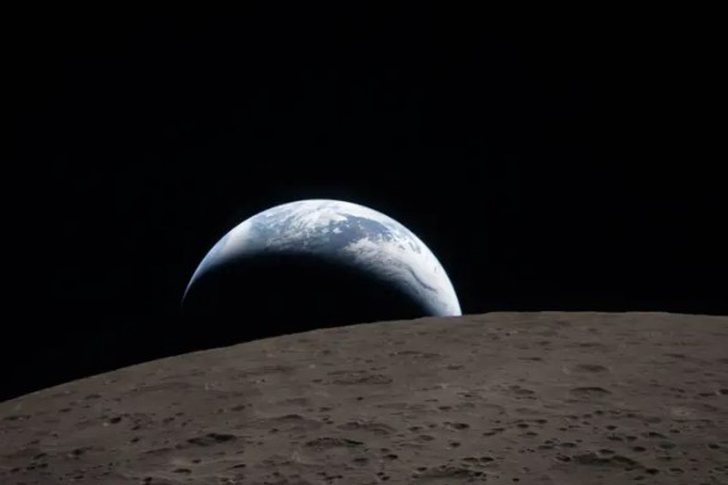
The historic Artemis II mission has been successfully conc...
Iranian and American negotiators arrive in Pakistan ahead ...
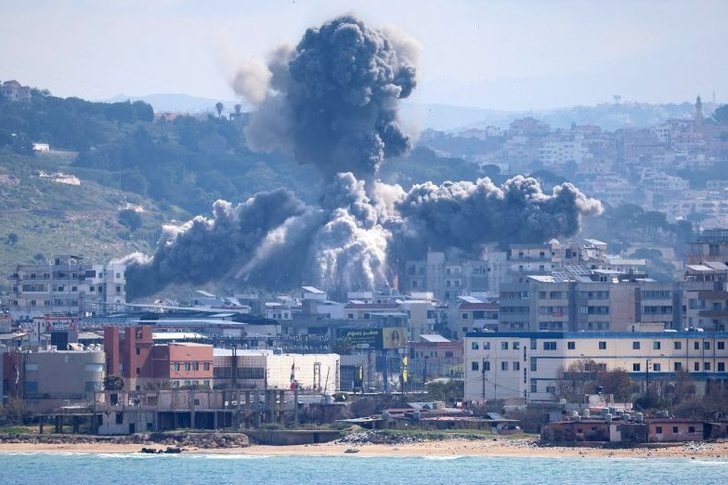
Negotiations between Lebanon and Israel will begin next Tu...
Israeli Prime Minister Benjamin Netanyahu has announced th...
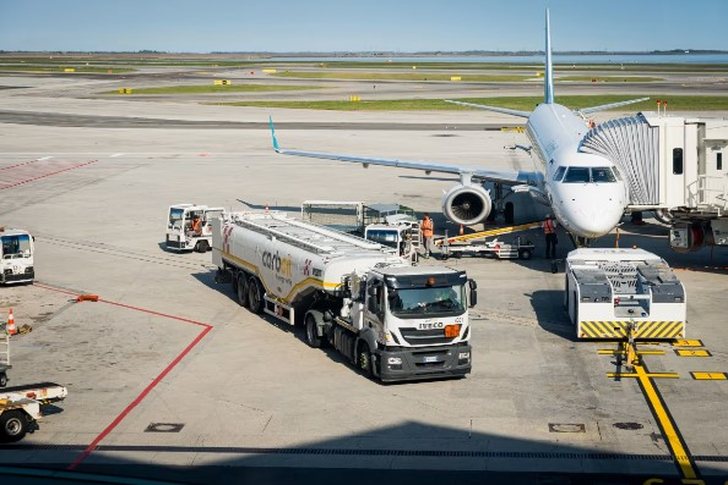
Europe could face jet fuel shortages if the Strait of Horm...
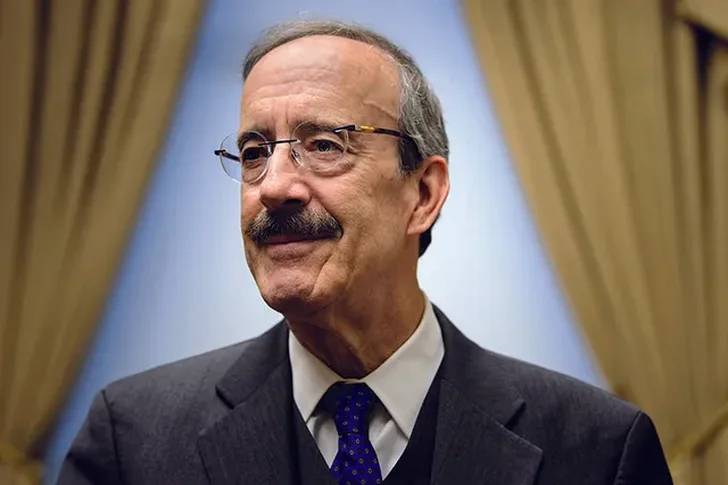
US Congressman Eliot Engel has passed away at the age of 7...
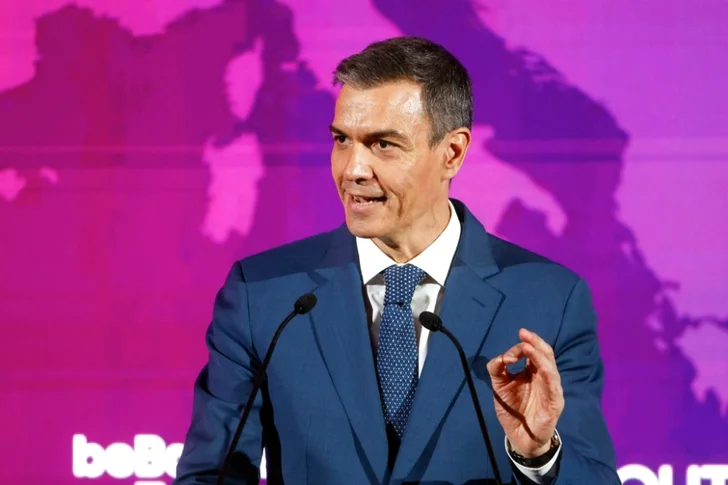
Spanish Prime Minister Pedro Sanchez stressed, during a su...
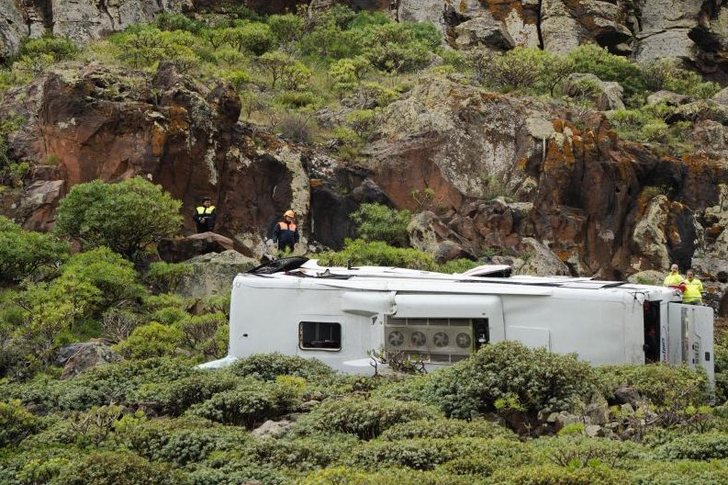
A tourist bus overturned in the Canary Islands today, kill...
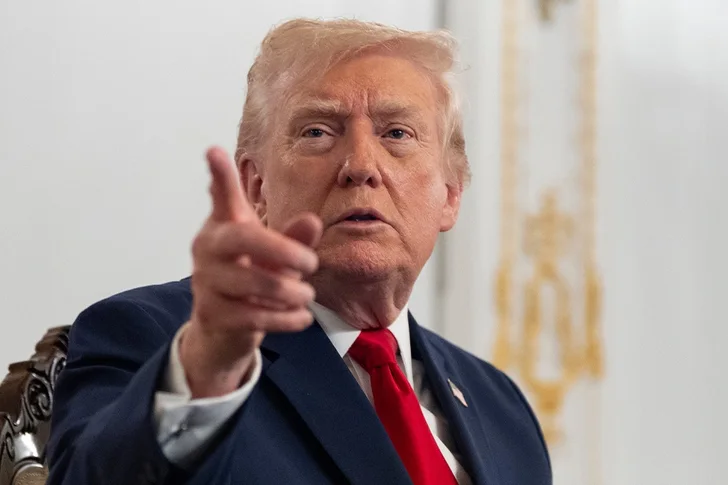
US President Donald Trump has said that the only reason th...
The Kosovo Assembly has approved in first reading the Draf...
US President Donald Trump has warned Iran that if a peace ...
United States Vice President JD Vance has departed for Isl...
Negotiations with the United States of America cannot ...
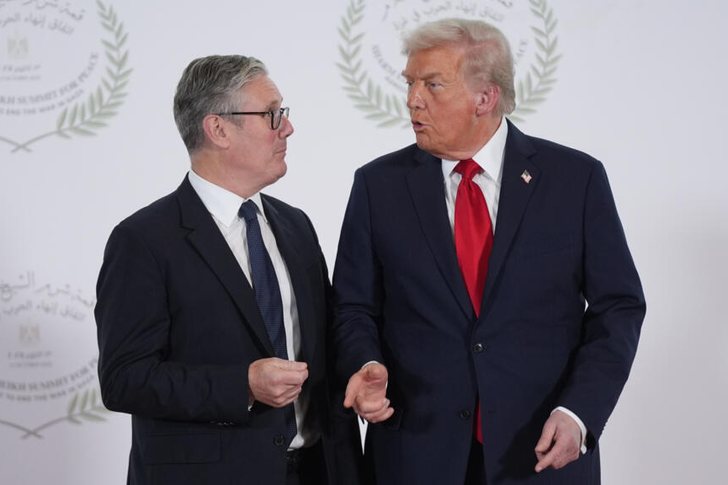
UK Prime Minister Keir Starmer has held a phone call with ...
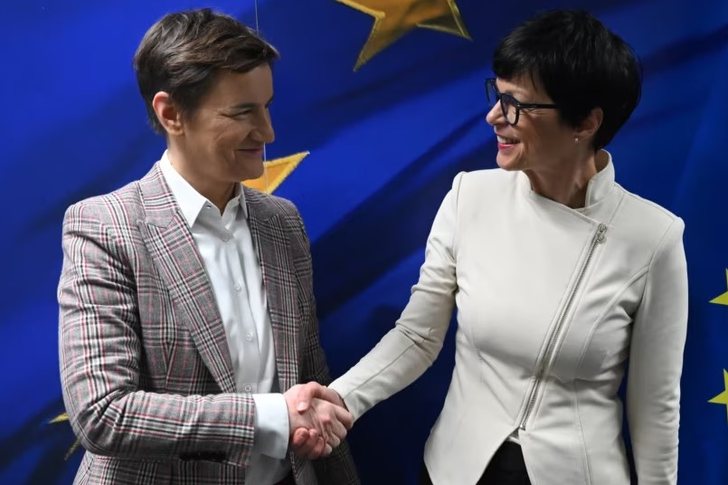
Në seancën plenare të 10 prillit, deputetët e Kuvendit të ...
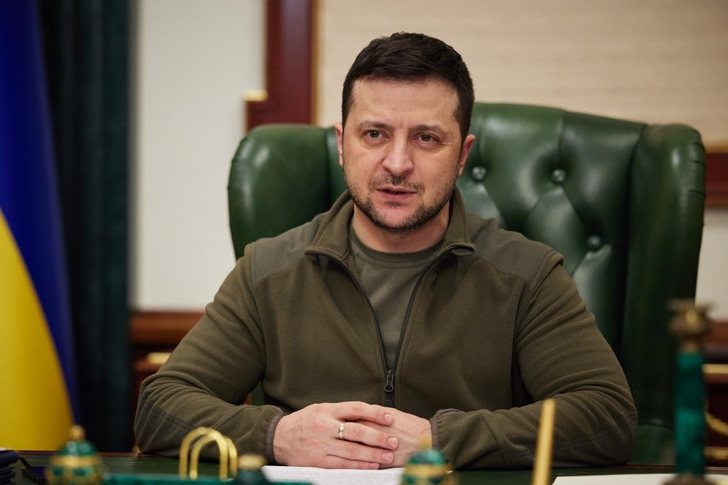
Ukrainian President Volodymyr Zelensky said today that Ukr...
With 34 votes in favor, 49 against and 7 abstentions, the ...
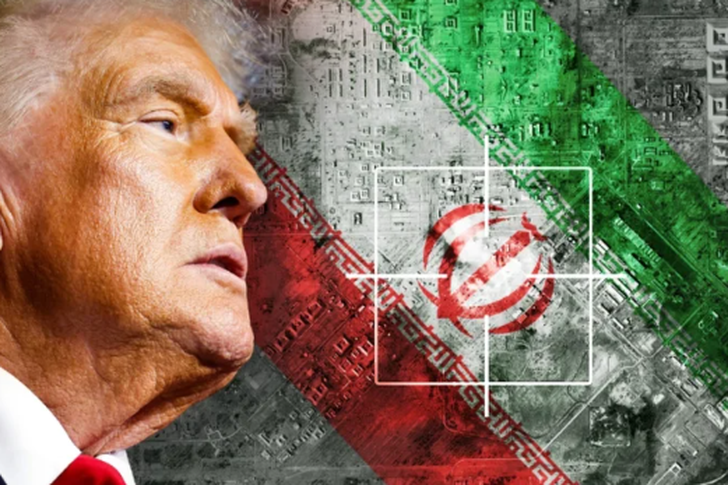
US President Donald Trump claims he achieved everything an...
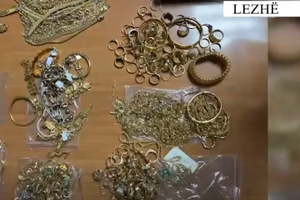
A 39-year-old citizen has been arrested in Lezha, after se...

CNA has launched another investigation that could lead to ...

Irfan Hysenbelliu is a businessman that we call "Irfan the...

In March 2026, CNA launched another investigation centered...

The Special Board of Appeal (KPA) decided this Monday ...

The KPA vetting decided this Thursday to dismiss the p...

Suela Salavaçi, a prosecutor in the Prosecutor's Offic...

The Special Board of Appeal reinstated the prosecutor ...

Following the successive operations carried out by the ope...
The Police Supervision Agency has seized the service weapo...
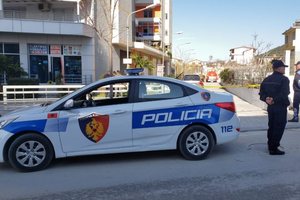
A serious incident occurred in Lushnje, where citizen IY, ...

As a result of the investigative and procedural actions ca...

As the year 2026 is in its second half, the world is exper...

Today, our country will be under the influence of stable a...

By noon, cloudiness is expected to prevail in almost all o...

Children without parental care, for whom alternative famil...
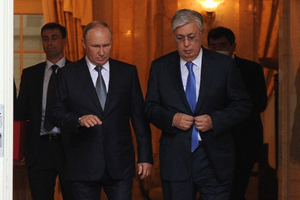
Kazakh President Kassym-Jomart Tokayev shared some critici...
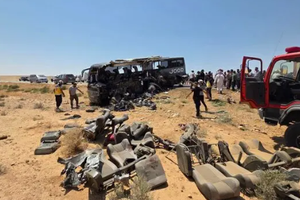
Thirty-five people were killed and 30 others were injured ...
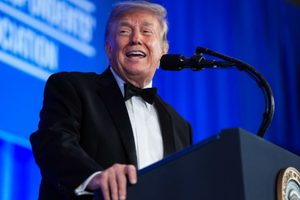
US President Donald Trump has announced that he will seek ...

Almost half of people living in France, Germany, Italy and...
Two windows, a century of history and the metaphysics of p...

In my research at the Central State Archives, specifically...

At a time when industrial products are increasingly taking...

Trust among people is not just a three-syllable word. It c...
This Saturday, one US dollar is bought for 81.7 lek and so...

War, weather and supply disruptions could send gas prices ...
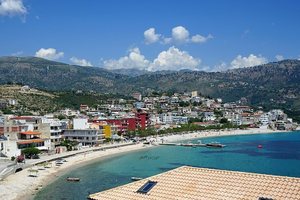
The number of active enterprises in Albania continued to g...
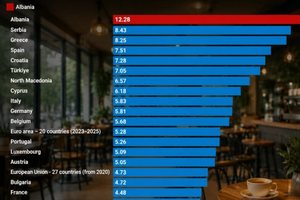
In Albania, the bar-cafe has long become an almost unique ...