

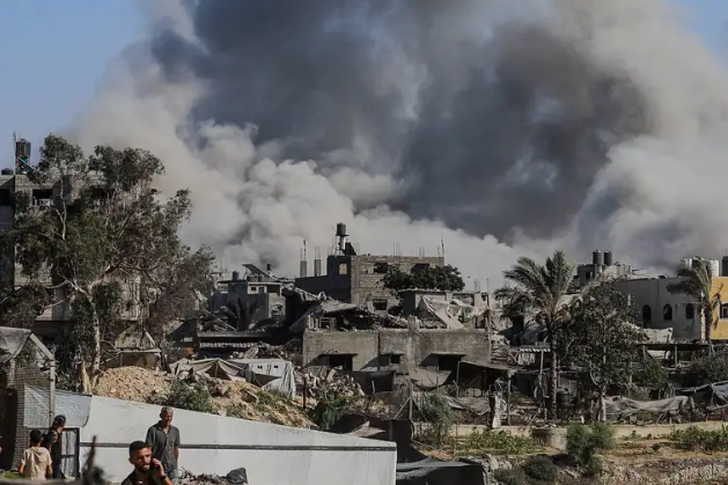
Israel is advancing towards Gaza City
Israel is making progress with its offensive on Gaza City,...


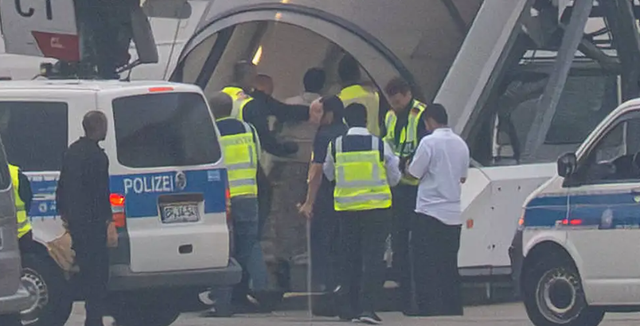
The European Court of Human Rights' ruling could have consequences for German migration policy, particularly regarding plans to expand the list of safe countries.
"Safe third countries" in German and European asylum law refer to countries where, according to the assessment of the German government or the European Commission, people can be safe from state persecution. Opinions differ as to whether these assessments are always correct. It is not surprising that legal disputes often arise, especially in times of increasingly restrictive migration policies.
In early August, the Court of Justice of the European Union in Luxembourg, the highest court in the European Union, drew attention with a ruling that allowed EU member states to independently determine which third countries they consider safe.
However, they must publish all the sources on the basis of which such an assessment is made, which has not been the case so far. Furthermore, the entire population of the country concerned must be safe, there must be no political persecution or ethnic, religious or gender discrimination.
Differences between countries
The subject of the current proceedings was a lawsuit brought by two Bangladeshi men whose asylum applications were rejected by the Italian authorities. Their country of origin is considered safe by the government in Rome. The Bangladeshi nationals concerned were transported to a camp in Albania. Italy concluded an agreement with this country, which is not a member of the EU, for the conduct of asylum procedures outside its borders.
In Germany too, there is a list of so-called safe third countries, which in political discourse are often called "safe countries of origin." They mean the same thing.
People from these countries have very little chance of having their asylum application resolved positively after an individual check. At the moment, this applies to eight European countries, including the Western Balkan countries along with Moldova and Georgia, and two African countries, Ghana and Senegal.
Potential safe third countries: Algeria, India, Morocco, Tunisia
In the coalition agreement of the German Christian Democratic-Social Democratic government, it was agreed to expand this list. Specific countries are also mentioned: Algeria, India, Morocco and Tunisia.
"We constantly check the appropriate assessment of other safe countries of origin. In particular, countries whose citizens have an asylum recognition rate of at least five years below five percent are considered safe."
It remains open whether these plans will still be easy to implement after the EU court ruling, as it sounds in the coalition agreement.
"We will review the decision," said a spokesman for the Interior Ministry responsible for asylum policy. However, the German government wants to reform the procedure. Safe third countries could in future be designated by decree, i.e. without the approval of the Bundestag and Bundesrat.
The EU's idea for joint return centers
The coalition has already submitted a corresponding bill, which is expected to be voted on after the summer recess of parliament. The first debate took place in July. On this occasion, Interior Minister Alexander Dobrindt took the opportunity to criticize the allegedly insufficient number of deportations of rejected asylum seekers: "Our goal now is to end the blockade of effective control of illegal migration."
He particularly criticised the rule that people who are to be deported have the right to legal advice before deportation, which is now set to be scrapped. The minister expects this will speed up deportations to countries that are already on the safe third country list.
Within the European Union, joint centres for the return of rejected asylum seekers are being considered. The topic was discussed by member states' interior ministers at a meeting in Copenhagen in July.
Dobrindt supports the idea: since it is difficult for individual countries to conclude agreements with third countries, cooperation between several EU countries could be a reasonable option. There are concrete plans in several countries.
"I don't rule out that something similar could be considered for Germany," the German minister said. Dobrindt wants to send a clear message with the reform: "Those who come from a safe country of origin should not even leave. Those who can't stay should not even come."
The opposition expects a change of course
Part of the political opposition in Germany hopes that the government will change its course when it comes to asylum policy following the EU court's ruling.
"The EU court's ruling on safe countries of origin is a major success for the respect of human rights and the individual right to asylum in Europe," believes Green MP Filiz Polat. The plan to declare safe countries by decree without the control of the Bundestag and Bundesrat is unacceptable to her.
Clara Bünger from the Left Party is calling on the coalition to completely review the list of safe countries of origin. "Georgia and Moldova should be removed from this list immediately."
The refugee policy spokeswoman cites, among other things, the decision of the Berlin Administrative Court in March 2025, which questioned whether the classification of Georgia as a safe country of origin was in line with EU law. The reason given is the serious human rights violations in the occupied territories of Abkhazia and South Ossetia.
As for Moldova, the Czech Republic considers this country partially safe because the Transnistria region, which falls under Moldova, is controlled by pro-Russian separatists.
Representative Bünger believes that the EU court's decision is also important for the idea, which is unacceptable to her party, of extending the regulations to third countries: "The decision is a clear rejection of the German government's plans to also declare countries like Tunisia and Algeria safe."
In these North African countries, homosexuality is punishable, as is Algeria. This violates one of the main criteria of the EU court: in countries that are declared safe third countries, the safety of the entire population must be guaranteed./ DW

Israel is making progress with its offensive on Gaza City,...
Denmark will abolish VAT on books, as part of an effort to...
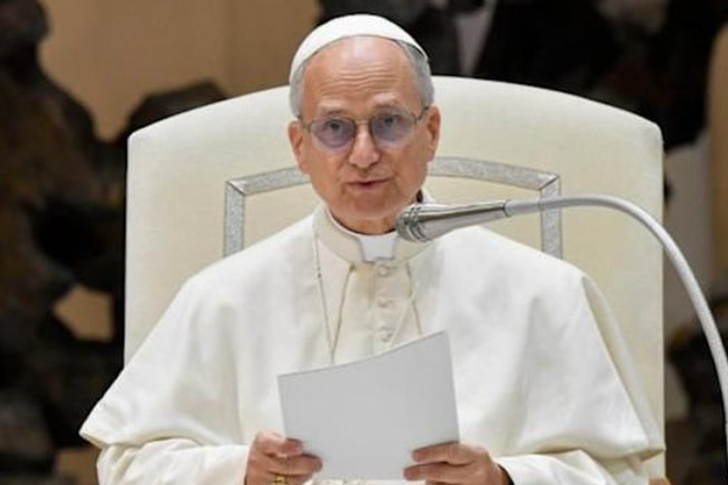
Pope Leo XIV is preparing for his first international trip...
The Kosovo Police, after conducting investigative actions ...
Sekretari i Përgjithshëm i NATO-s, Mark Rutte, njoftoi se ...
At least one person has died and 19 others have been injur...
One of Italy's major airports was forced to close parts of...
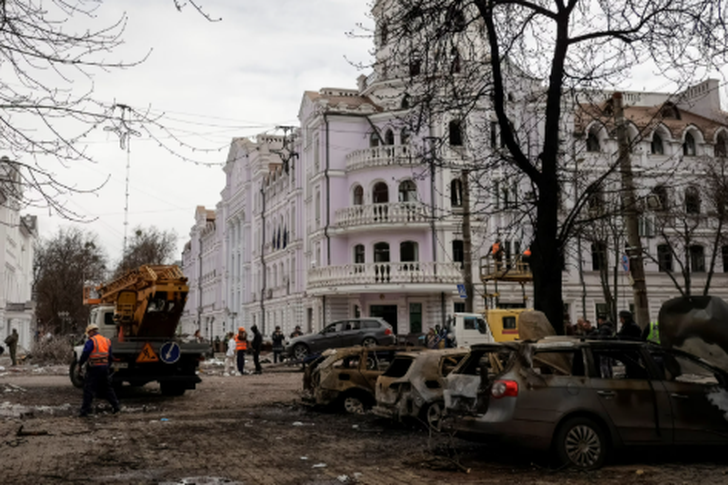
Russia launched a major drone and missile attack on Ukrain...

In Sicily, the funeral of Pippo Baudo, an icon of Italian ...
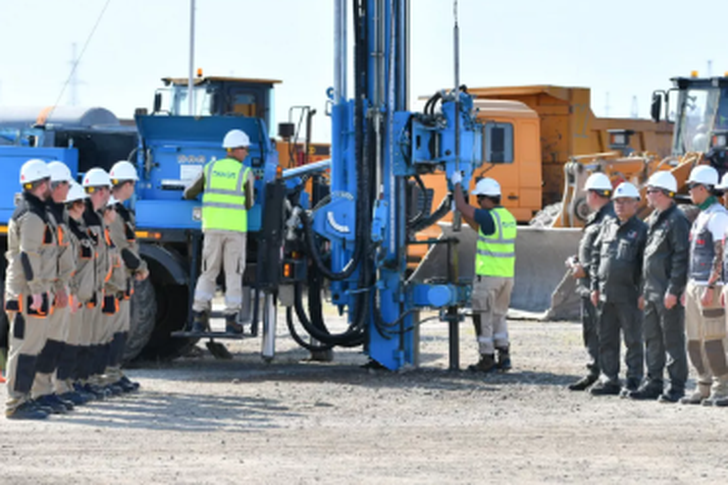
Kazakhstan has taken the first step towards building its f...
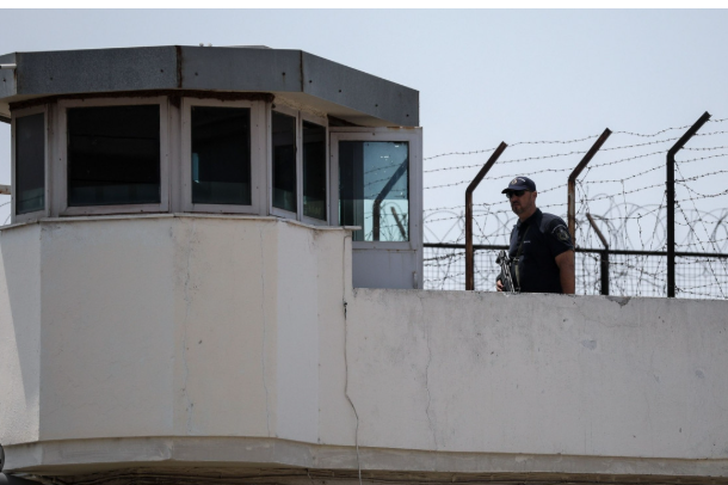
Greek police authorities today carried out raids on severa...

Antibiotic-resistant infections remain a major health thre...
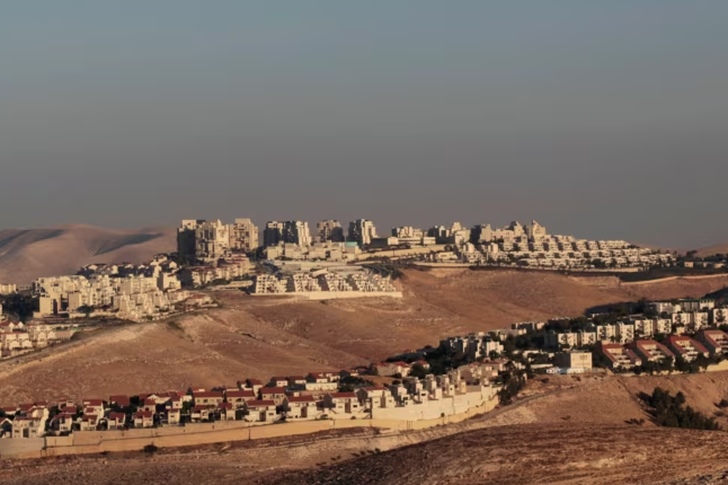
Israel has given final approval to a controversial settlem...

The debate over security guarantees for Ukraine is gaining...
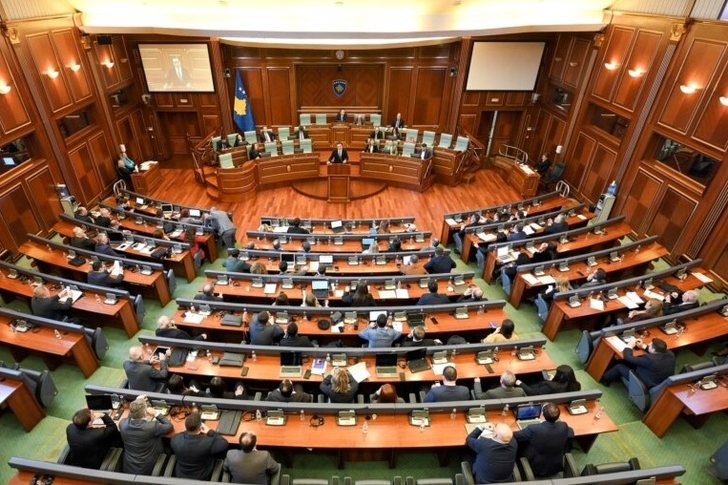
Today, the next session was held to elect the Speaker of t...

The company "Dubova Reisen" confirmed to Radio Free Europe...
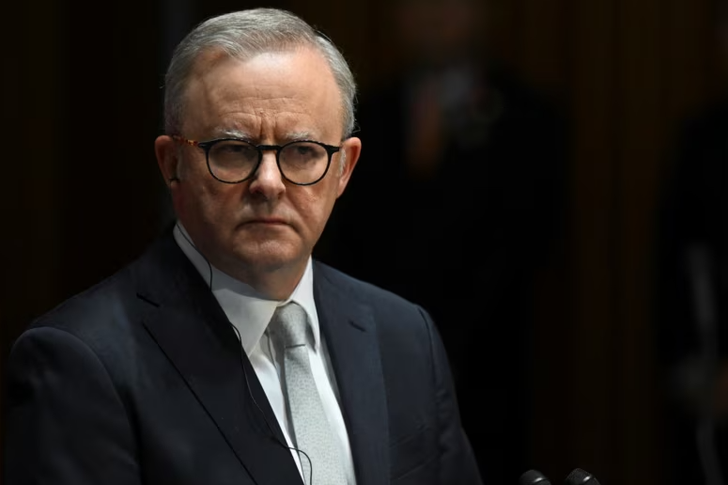
Australian Prime Minister Anthony Albanese said he treats ...
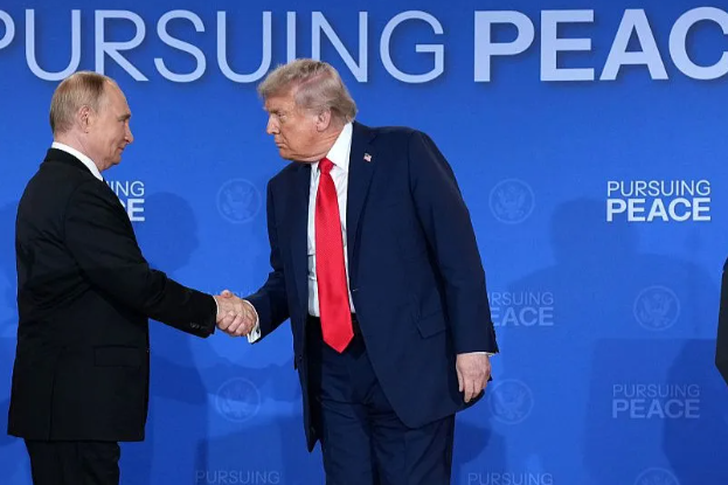
The Kremlin has downplayed rumors of an imminent summit be...
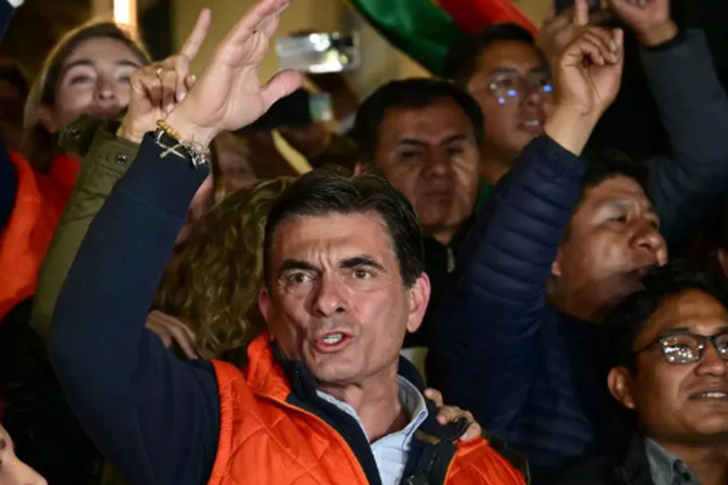
The surprise candidate in Bolivia's presidential election ...
A New Zealand soldier who tried to spy for a foreign power...

CNA has launched another investigation that could lead to ...

Irfan Hysenbelliu is a businessman that we call "Irfan the...

In March 2026, CNA launched another investigation centered...
The arrested mayor of Tirana, Erion Veliaj, with 13 charge...

The Special Board of Appeal (KPA) decided this Monday ...

The KPA vetting decided this Thursday to dismiss the p...

Suela Salavaçi, a prosecutor in the Prosecutor's Offic...

The Special Board of Appeal reinstated the prosecutor ...

A conflict occurred this Thursday evening in the toy area ...
A person has died today on Orikum beach. According to repo...

Footage emerges from the serious accident that occurred th...

A Shkodra traffic police officer was hit with hard objects...

Children without parental care, for whom alternative famil...

On Thursday, our country will be under the influence of st...
A serious accident that occurred this Wednesday with the c...

The Institute of Geosciences has shared a forecast for wea...

The European Union Office in Kosovo has called on all poli...
Serbian President Aleksandar Vučić, at a press conference ...
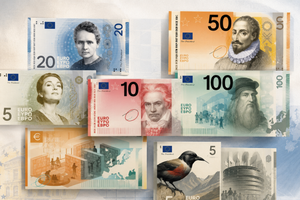
For the first time since the launch of the euro, European ...

Artificial intelligence (AI) models from the American comp...

At a time when industrial products are increasingly taking...

Trust among people is not just a three-syllable word. It c...

Master of humor Todi Llupi has passed away at the age of 7...

The ninth edition of "MIK Festival" kicked off with one of...
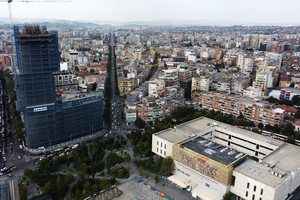
The average sale price of apartments in Tirana reaches rec...

This Thursday, one US dollar is bought for 81.5 lek and so...
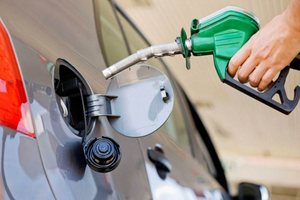
The price of diesel reached 206 lek per liter from 198 lek...

Businesses will no longer be required to simply register t...