


Fire at the waste field in Kruja/ Toxic smoke covers the area
The waste field in Kruja has been engulfed in flames since...

The waste field in Kruja has been engulfed in flames since...

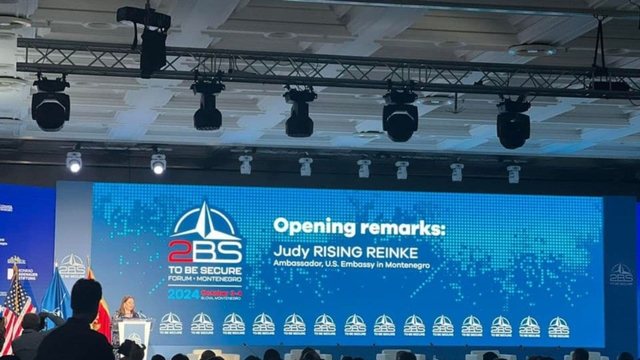
Montenegro must leave behind the internal divisions and ghosts of the past, said the ambassador of the United States of America in the country, Judy Reising Reinke. Ms Reinke made these comments at the 2BS Atlantic Alliance Security Forum on "Priorities and Challenges for the Western Balkans" which took place on Friday in the coastal town of Budva.
Ms. Reinke emphasized that the US fully supports further progress in regional economic and security cooperation, especially in Montenegro's efforts towards European integration.
"However, identity politics, encouraged and manipulated by malicious actors and their proxies, creates a climate of division that can hinder this country, but also any other country where all members of different groups are not respected and accepted." said Ambassador Reinke.
According to her, the power of true reconciliation is in the hands of the people.
"Every citizen has the power of respect, tolerance, inclusion and forgiveness, as well as the ability to reject provocations. Spreading tolerance, forgiveness and respect is one of the main keys to unlocking a safe and peaceful future," said Ambassador Reinke.
While Lieutenant General Andrew M. Rohling, deputy chairman of the NATO Military Committee, said that the alliance is fully committed to Montenegro and that it is important for NATO to have a strong leadership in the country.
Underscoring Russian influence in the region and the mechanisms to resist this influence, the NATO military official said:
"Russia launched a strong cyber attack on Montenegro and NATO, but together they took strong measures to resist it. It was a way to help Montenegro and all 32 member states helped in this situation. Russia spreads disinformation and uses other ways to weaken our resolve, but the Alliance and Montenegro together provide an environment of collective security," Rohling said.
Speaking about the dangers in the Balkans, Lt. Gen. Rohling said NATO is committed to the Western Balkans."Although Montenegro is a safe country, there are actors who try to undermine it, but NATO is committed and we have the same presence as in the past. There are reasons for concern in the Balkans, because there are also elements of instability, but this is the reason why NATO is even more prepared for anything that may come our way", emphasized Rawling.
He assessed that the war in Ukraine is a serious threat to the Balkans, but instability in the Balkans has been present for a long time.
"It is important that we do not allow instability, therefore we promote stability in this region", concluded Rohling.
The EU's special envoy for the Western Balkans, Miroslav Lajcak, estimated that there is movement and progress and that Montenegro has the best chances to join the EU. However, he believes the biggest challenge is that the region has yet to overcome the legacy of Yugoslavia.
"There is still too much of the past in present life, and too many politicians who build their careers on interpreting the past, not preparing for the future. And there is no sense of reconciliation and justice, and also, I think there are many ethnic and religious elements, which also hinders progress," said Mr. Lajcak.
Speaking about the discrepancy between the political view and reality in the Balkans, Lajcak said that the discrepancy has existed in recent years.
"The EU is committed to the region and this has not been felt in the European capitals, so now we have to convince the region that this time is real and that it is a proper perspective, and then we are interested in how the countries will use the moment of the Balkans. Montenegro is in the best position, but that process will not happen by itself, but requires results," said Mr. Lajçak.
Meanwhile, the head of the Atlantic Alliance Security Forum, Milica Pejanovic-Gjuriši?, focused on the situation at the global level, when it comes to wars in Europe and the Middle East, as well as when it comes to less visible conflicts around the world.
On the other hand, Mrs. Gjurishic spoke about the well-known regional challenges that are gaining intensity again and are a heavy burden for the Western Balkans, slowing down European integration and overall development.
"Kosovo and Bosnia and Herzegovina remain key points of possible escalation, warnings of this are increasingly coming. Disinformation and propaganda campaigns coming from Moscow through Belgrade and Banja Luka are aimed at destabilizing the region, fueling inter-ethnic tensions and slowing down integration, on the other hand, China's economic influence remains part of the geopolitical pressure that further complicates regional dynamics," said Mrs. Gjurishi?./ VOA

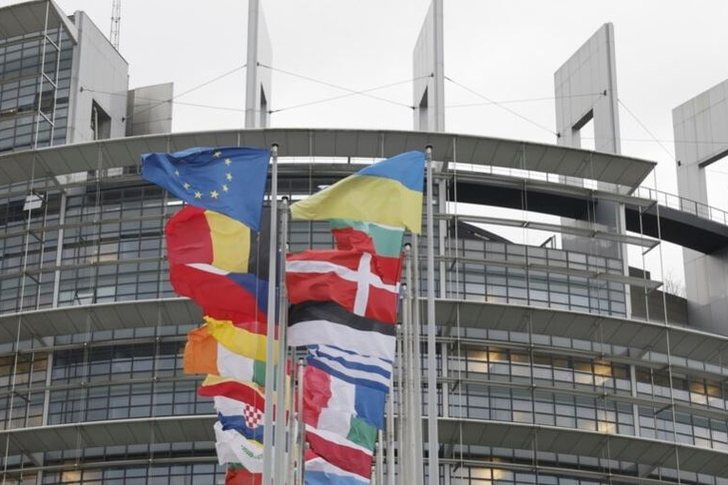
Seventeen European countries called on the European Commis...
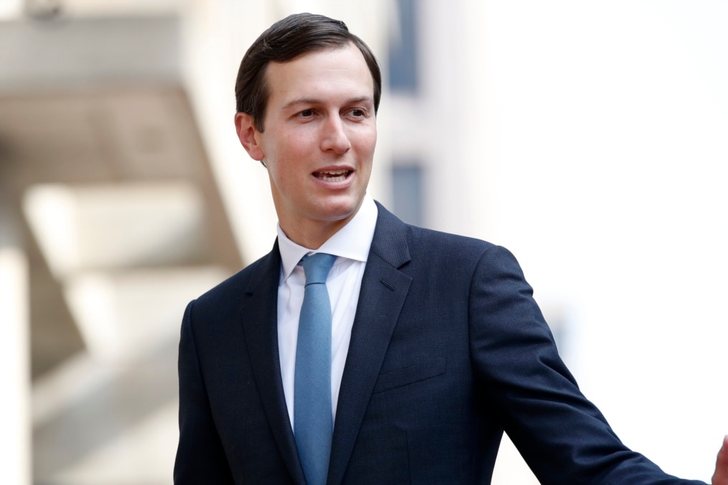
Since leaving the Trump administration, Jared Kushner, the...
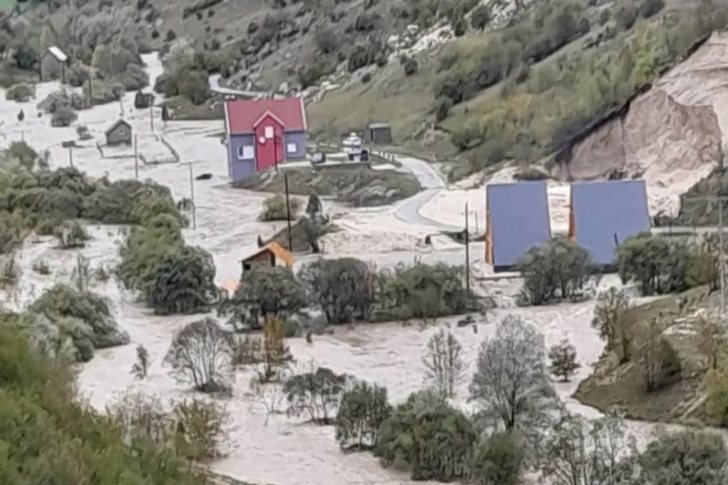
Several houses and roads were flooded on Friday in nor...
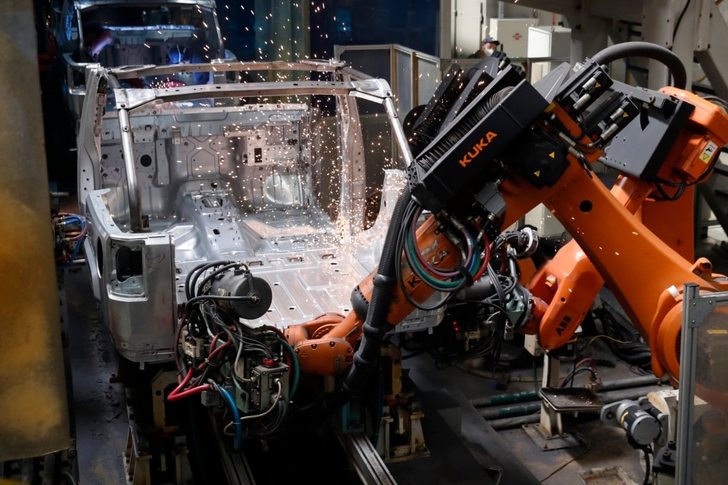
While China and the West make efforts to increase the numb...
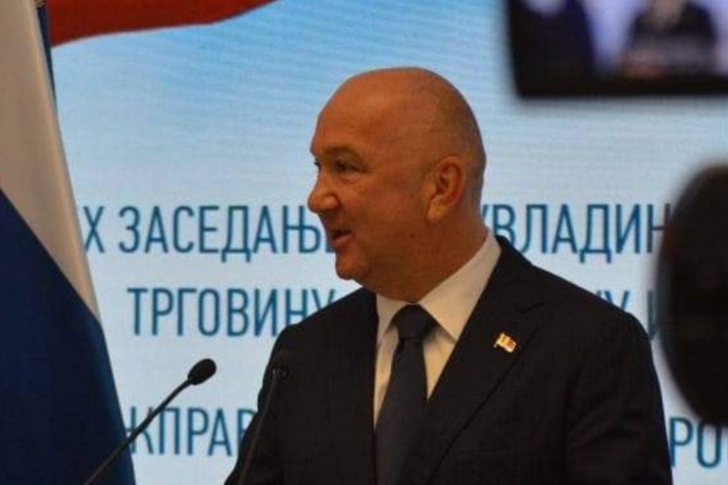
The Serbian government announced Friday that its minister ...
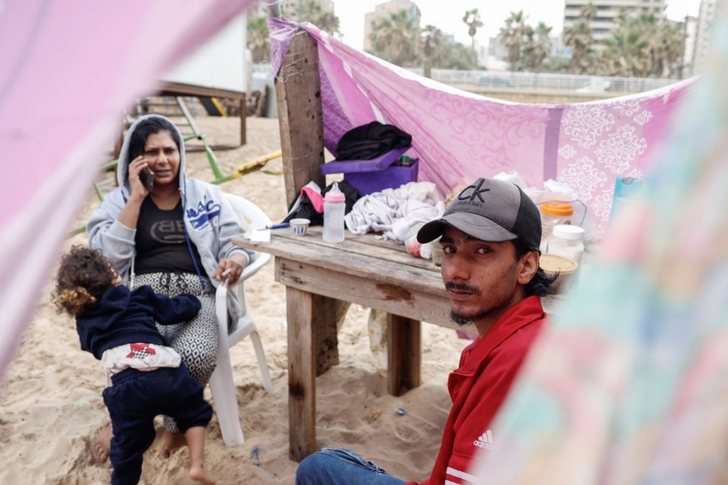
United Nations officials said Friday that most of Lebanon'...
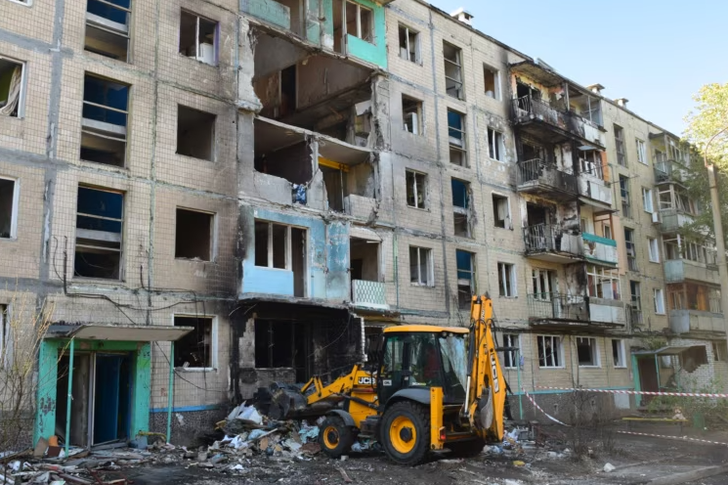
At least three civilians were killed by Russian shelling i...
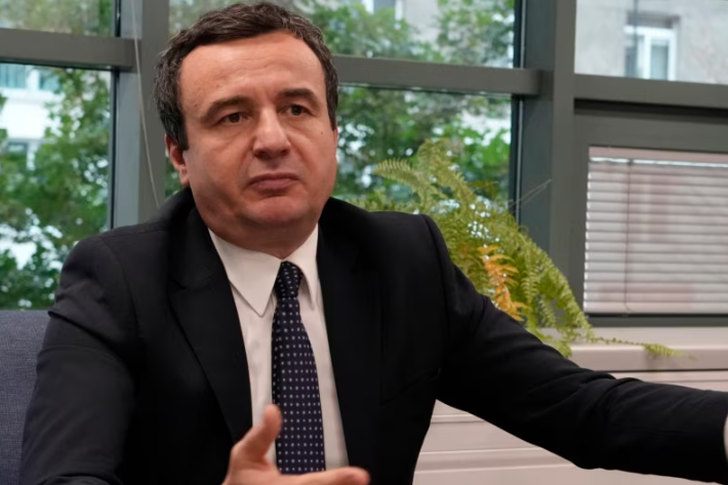
Kosovo Prime Minister Albin Kurti said on Thursday that th...
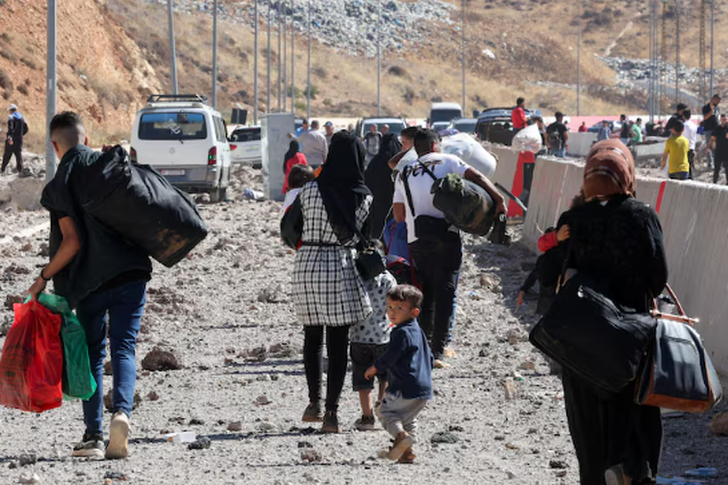
Israeli strikes closed Lebanon's main border crossing with...

Melania Trump appears to have joined a long line of former...
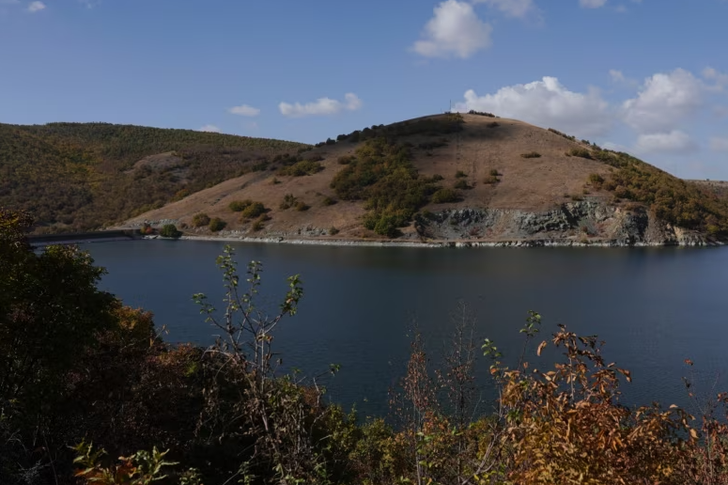
The National Institute of Public Health of Kosovo (IKSHPK)...
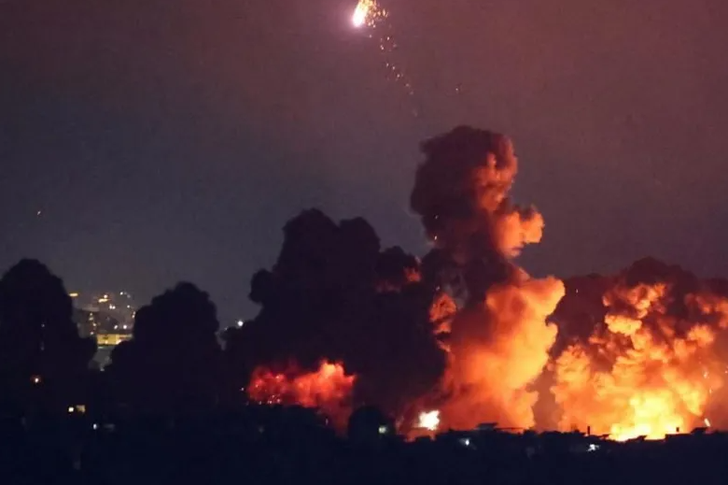
Israeli bombardment caused huge explosions outside Beirut'...
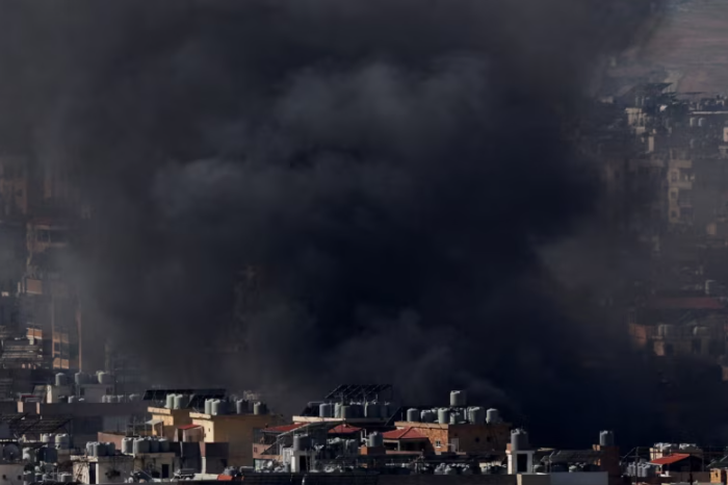
The Israeli military warned residents of more than 20 town...
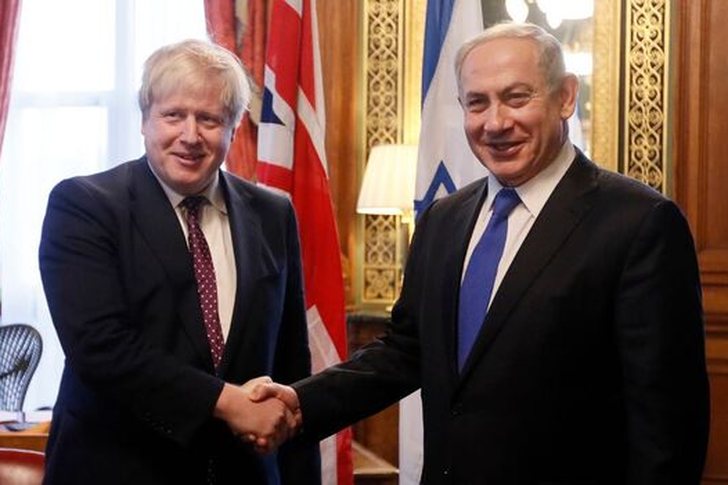
Former British Prime Minister Boris Johnson has sparked co...

A group of hackers linked to Russian intelligence has been...
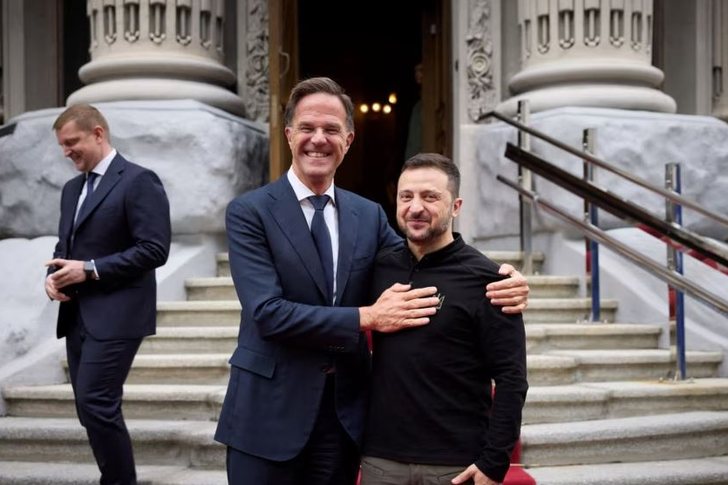
The new Secretary General of NATO, Mark Rutte, visited Ukr...
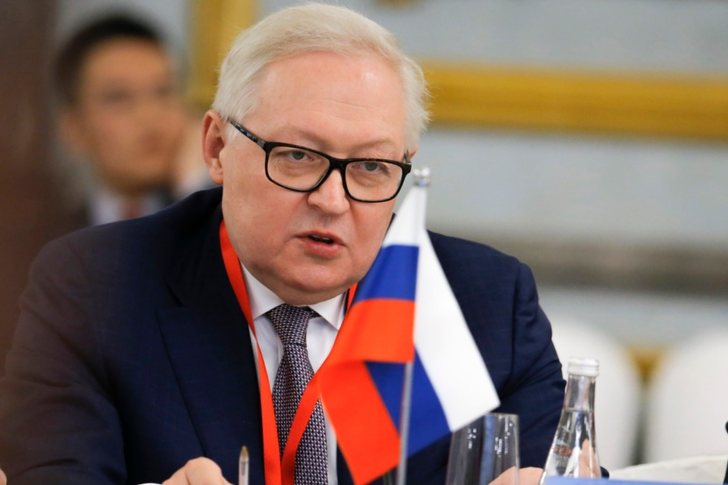
The current standoff between Russia and the West over ...
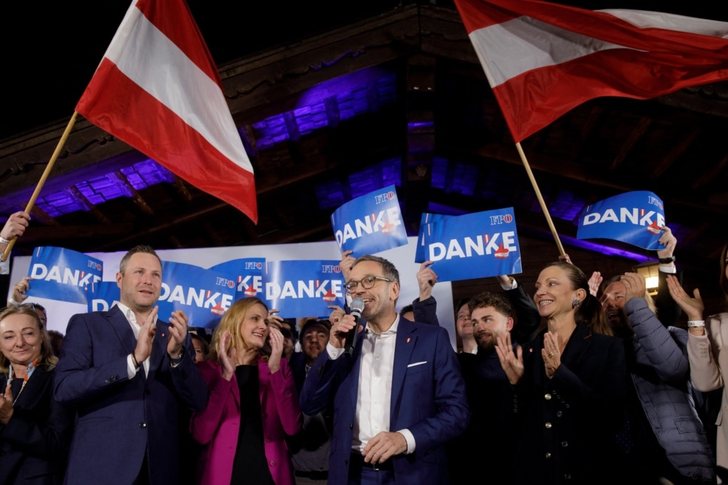
Europe looks poised to tighten migration laws amid growing...
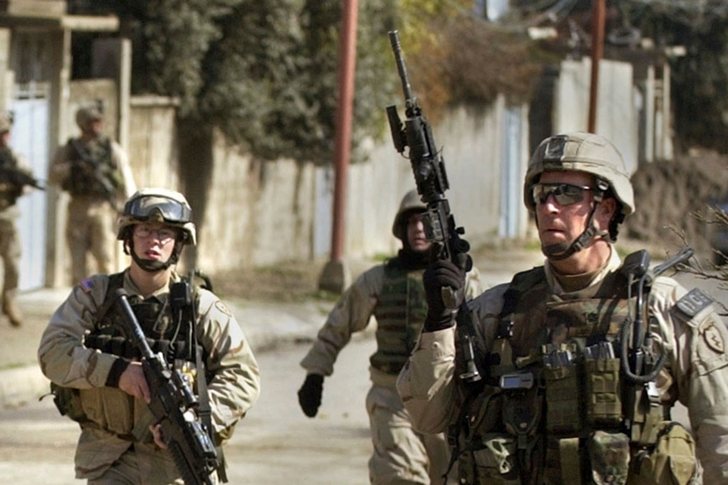
For months, President Joe Biden has been warning Israel no...
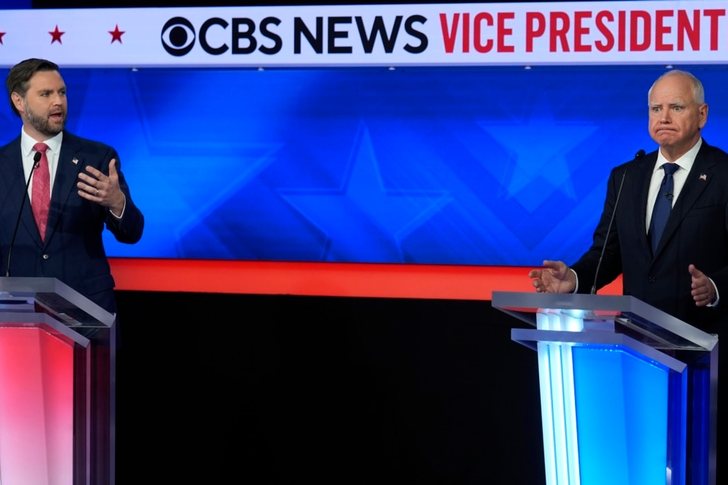
Both Democrats and Republicans in Ohio hope that Tuesday's...

CNA has launched another investigation that could lead to ...

Irfan Hysenbelliu is a businessman that we call "Irfan the...

In March 2026, CNA launched another investigation centered...
The arrested mayor of Tirana, Erion Veliaj, with 13 charge...

The Special Board of Appeal (KPA) decided this Monday ...

The KPA vetting decided this Thursday to dismiss the p...

Suela Salavaçi, a prosecutor in the Prosecutor's Offic...

The Special Board of Appeal reinstated the prosecutor ...

A road accident occurred this evening on Nikolla Zoraqi St...
Three people were shot and wounded in Elbasan last night b...

A serious incident occurred this Tuesday in the Yrshek are...

An accident occurred this Tuesday on "Dituria" street in K...

This Wednesday, our country will be under the influence of...
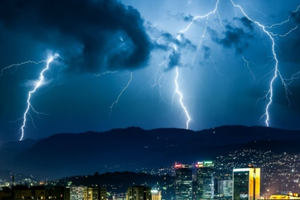
All of Southern Europe will face changing weather conditio...
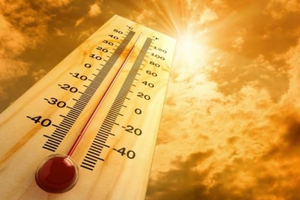
Albania was hit by temperatures significantly higher than ...

For the first time, Pogradec welcomed the Inter-Lake Chess...
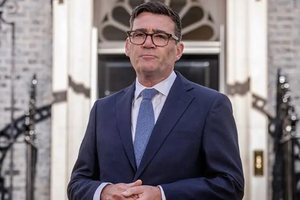
Prime Minister Andy Burnham has announced that most bus fa...

France's parliament has passed a law to ban social media f...

US Secretary of State Marco Rubio arrived in Manila on Jul...
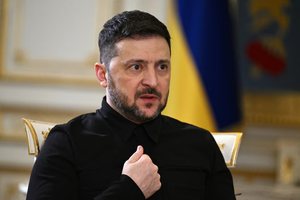
In the space of a few days, Ukrainian President Volodymyr ...

At a time when industrial products are increasingly taking...

Trust among people is not just a three-syllable word. It c...

Master of humor Todi Llupi has passed away at the age of 7...

The ninth edition of "MIK Festival" kicked off with one of...

Businesses will no longer be required to simply register t...

Despite economic growth and income in recent years, Albani...

This Wednesday, one US dollar is bought for 81.4 lek and s...

Construction company licenses will have a validity period ...