

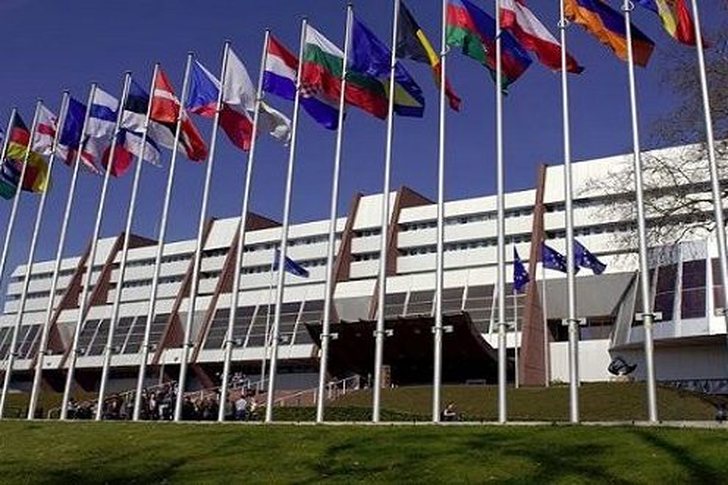
The Assembly of Kiev calls the kidnapping of Ukrainian children genocide
The Parliamentary Assembly of the Council of Europe on Thurs...


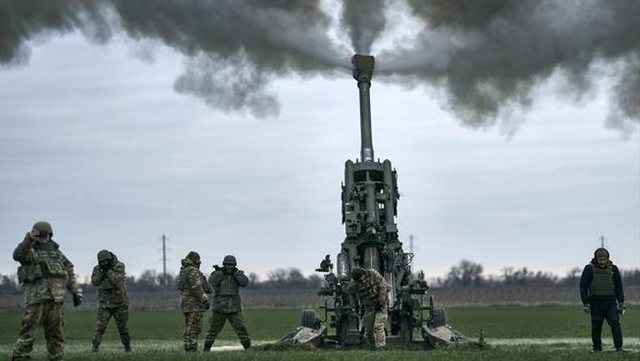
The war in Ukraine has highlighted decades of underinvestment in defense in Europe, and most countries are struggling to meet even the minimum obligations.
But they will not succeed if they do not abandon the environmental, social and governance (ESG) mindset that exists among European institutions and private investors.
Most NATO members have long failed to meet the alliance's defense spending standard of 2 percent of GDP. The defense industry in Europe relies on private investment to help fund research and development, train and recruit a skilled workforce, etc.
However, in recent years defense investments have become a taboo. Much of the pressure not to spend comes from the political left lobbying investors and legislatures through non-profit organizations.
"We have a problem because we think that arms shipments and exports are fueling conflicts, and that they are responsible for deaths and a large number of refugees," says Tomas Kushenmajster, managing director at the non-profit organization "Facing Finance".
The Swedish Consumers Association says it wants to limit investment in defense companies that produce controversial weapons such as mines or cluster munitions, or that sell weapons to governments that are corrupt, unstable, and have a dark history of respecting human rights or who "spend a disproportionate part of their budget on the purchase of weapons".
But war is an inherently ugly business, and it takes luck to find a defense company that can meet these standards. The ESG mindset has also spread to the institutions of the European Union. The European Investment Bank, the EU's development bank, has a policy against providing financing for "munitions and weapons, including explosives and sporting weapons, as well as equipment or infrastructure intended for use by soldiers and police."
Ecolabel is a voluntary EU certification program that guides consumers towards sustainable products and businesses. An effort is currently being made to include financial products as well. But the latest draft proposal suggests a restriction on investments in companies that derive "more than 5 percent profit from the production or trade of conventional weapons and military products used for combat."
Did they tell the Russians this? The EU is also working to develop a unified definition of what qualifies as an ESG investment. In July 2021, the European Union published a draft proposal for a "social taxonomy" that lists guns along with gambling and smoking as "harmful sectors or activities" which "cannot qualify as socially sustainable".
After Russian tanks rolled into Ukraine, a proposal watered down the language of social taxonomy to define as "harmful" only controversial weapons such as mines, cluster munitions, and chemical or biological weapons. But Jean Pi, Secretary General of the Association of European Aerospace, Security and Defense Industries, says that "European banks and investors have received the signal that in Europe, defense is not a sustainable activity".
Mr Pi says some investors are limiting exposure to the defense industry, and some banks have refused to provide loans and guarantees, while some insurance companies have raised their rates. Alessandra Genko, chief financial officer at Italian aerospace and defense company Leonardo, says the industry could face higher capital costs if fewer banks and institutions are willing to invest in the field.
Dutch Defense Minister Kajsa Ollongren stated last month that it is a "problem" that "our pension funds here in the Netherlands do not prefer to invest in the defense industry". There are many examples of financial institutions that have adopted policies to limit defense investments.
Allianz Global Investors says its stable funds are not invested in companies that derive more than 10 percent of their revenue from arms, military equipment and services. Meanwhile, the German bank GLS condemns "the Russian invasion of Ukraine as a war of aggression and against international law", says spokeswoman Nora Shareika.
But the bank does not invest in "arms and armaments", a policy "based on its conviction" that they "can never be sustainable, as they destroy people's lives".
Aggressive countries like Russia and China have no such ethical concerns. They respect only military power. A West that is reluctant to arm itself will not deter aggressors, and the result will be a more dangerous and violent world./ Adapted from CNA.al

The Parliamentary Assembly of the Council of Europe on Thurs...

At least five people have been killed in a new wave of...

Dronët iranianë të vendosur nga Rusia në Ukrainë fuqiz...

The Biden administration on Thursday announced new san...
Kjo është shfaqja e parë publike e zotit Erdogan pas një p...
Smoking in the United States hit another historic low last...
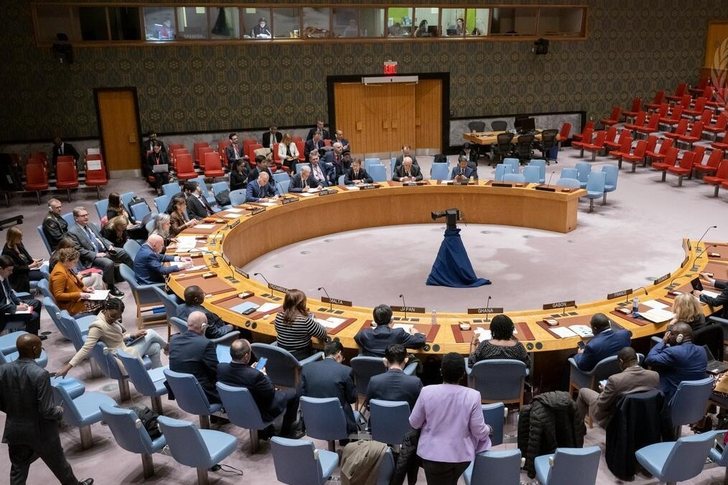
Calls for the implementation of the agreement for the norm...
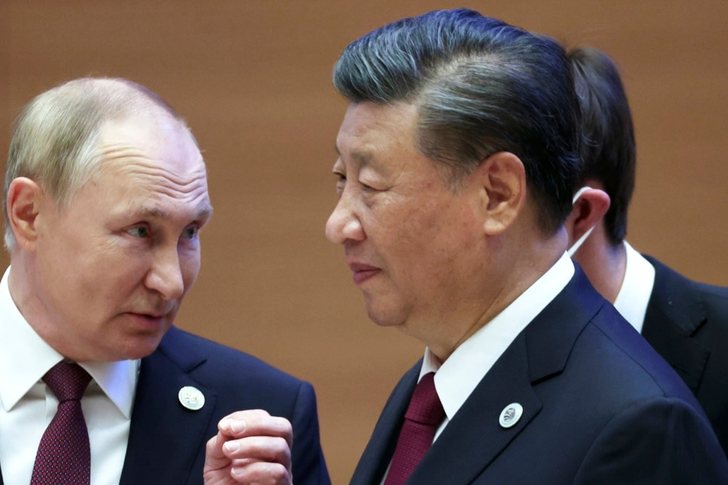
China announced that it will send a special representa...
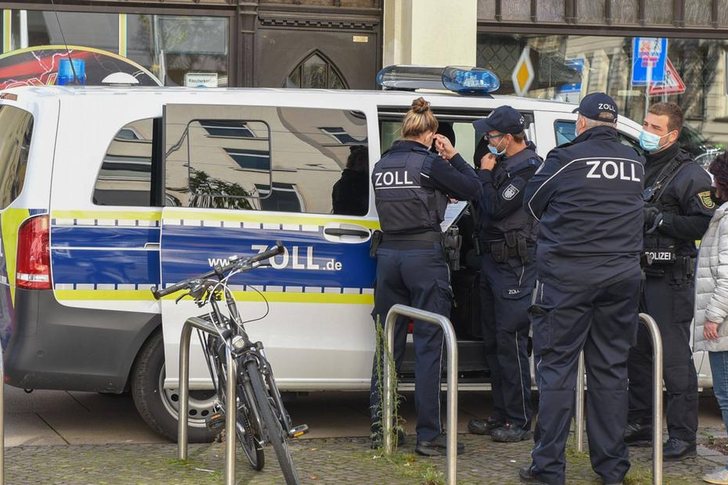
The German customs action on Tuesday was part of a gen...
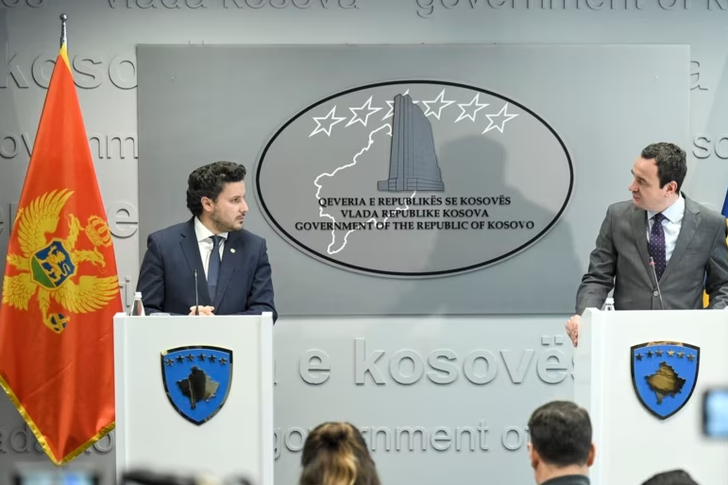
The Committee for International Relations of the Parliamen...

Three prominent journalists from Tehran – Saeedeh Shaf...
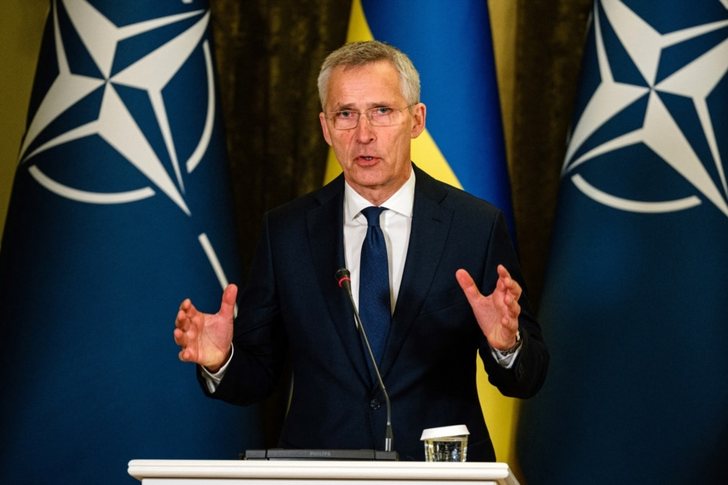
NATO chief Jens Stoltenberg said on April 27 that mili...

Russia's Foreign Ministry said on Thursday, April 27, that...
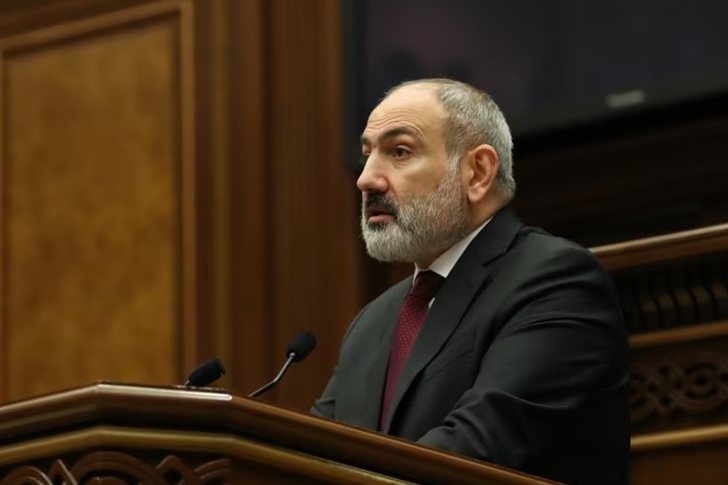
Armenian Prime Minister Nikol Pashinian has called for a g...
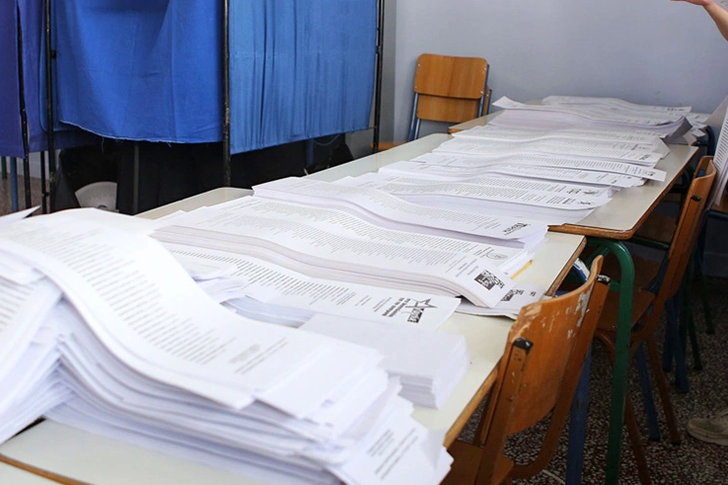
Në Prokurorinë e Gjykatës së Lartë kanë regjistruar pjesëm...

Pope Francis will allow women to vote for the first ti...

At first, she thought helping Donald Trump shop for li...

Strong earthquake tremors were felt this evening in th...

A new and sophisticated video that has attracted many clic...
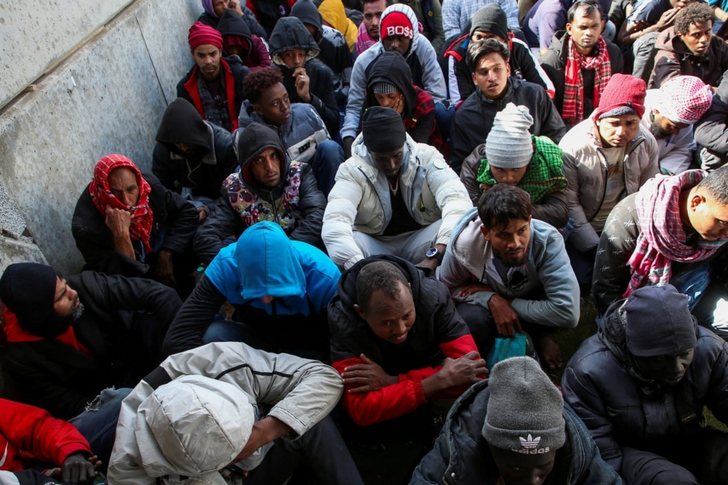
A dinghy carrying dozens of migrants to Europe capsized of...
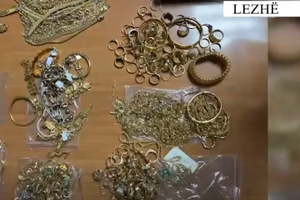
A 39-year-old citizen has been arrested in Lezha, after se...

CNA has launched another investigation that could lead to ...

Irfan Hysenbelliu is a businessman that we call "Irfan the...

In March 2026, CNA launched another investigation centered...

The Special Board of Appeal (KPA) decided this Monday ...

The KPA vetting decided this Thursday to dismiss the p...

Suela Salavaçi, a prosecutor in the Prosecutor's Offic...

The Special Board of Appeal reinstated the prosecutor ...

A conflict for weak motives was recorded today in the vill...

An accident involving three vehicles occurred a few minute...

55-year-old Belere Plaka, who was injured today with a sho...

Police Announcement: Following preliminary information...

By noon, cloudiness is expected to prevail in almost all o...

Children without parental care, for whom alternative famil...

On Thursday, our country will be under the influence of st...

A serious accident that occurred this Wednesday with the c...

Peru and Venezuela will restore diplomatic relations, the ...

United States President Donald Trump has left open the pos...

Israeli Prime Minister Benjamin Netanyahu will travel to t...
A bipartisan group of US lawmakers is calling for a Europe...

In my research at the Central State Archives, specifically...

At a time when industrial products are increasingly taking...

Trust among people is not just a three-syllable word. It c...

Master of humor Todi Llupi has passed away at the age of 7...

War, weather and supply disruptions could send gas prices ...

The number of active enterprises in Albania continued to g...

In Albania, the bar-cafe has long become an almost unique ...

This Friday, one US dollar is bought for 81.7 lek and sold...