


Scandal with Rama's international exhibitions/PD demands transparency for their financing
The Democratic Party's Anti-Corruption Spokesperson, Genta...

The Democratic Party's Anti-Corruption Spokesperson, Genta...

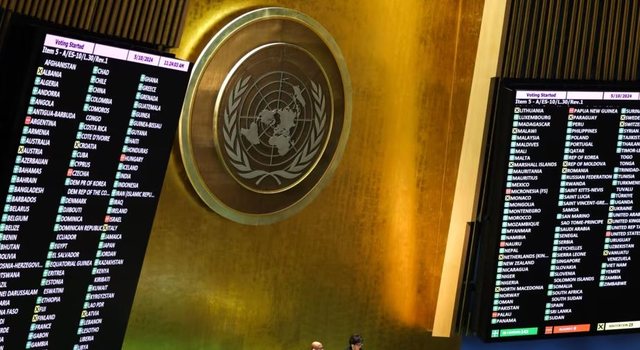
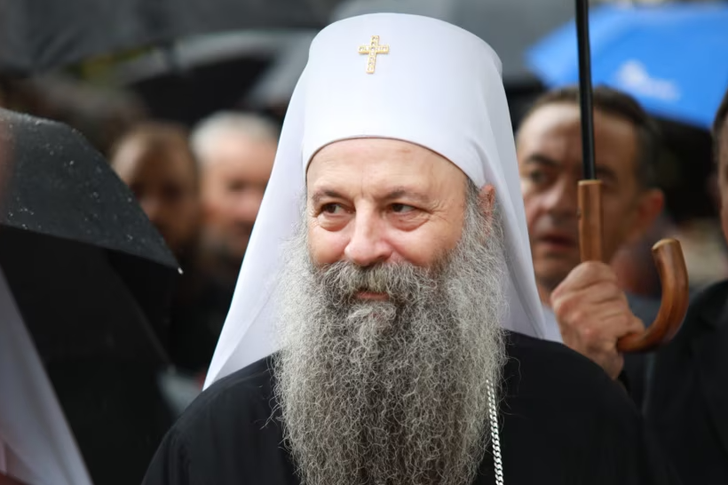
"The General Assembly of the United Nations will discuss the resolution on Srebrenica on May 23," says the website of this institution. The session will start at 16:00 CET and the adoption of the resolution requires a simple majority vote, meaning 97 of the 193 member states of the United Nations.
In the text of the draft resolution, which "Voice of America" ??has seen, it is stated that "the year 2025 marks the thirtieth anniversary of the genocide in Srebrenica, in which at least 8,372 people lost their lives, thousands were displaced and families and communities were destroyed."
The text states that the General Assembly decides to designate July 11 as the International Day of Reflection and Remembrance of the 1995 Genocide in Srebrenica, to be celebrated annually.
In the text of the Resolution originally proposed by Germany and Rwanda, among other things, any attempt to deny the genocide in Srebrenica and to magnify the figures of those who have been convicted of war crimes, crimes against humanity and genocide is condemned. It also emphasizes the importance of completing the process of finding and identifying the victims of the genocide in Srebrenica and continuing efforts to bring the perpetrators of this crime to justice.
On July 11, 1995, more than 8,000 Bosnian Muslim men and boys were executed by Bosnian Serb forces in Srebrenica. The massacre, which took place a week after Srebrenica, which had been declared a safe zone by the United Nations, was attacked by Bosnian Serb forces, has been described as the worst atrocity in Europe since the Second World War.
The former leader of the Bosnian Serbs, Radovan Karadzic, and the military man Ratko Mladic, have been sentenced to life imprisonment by the UN Court for war crimes in the former Yugoslavia, for war crimes and genocide in Srebrenica. Besides them, more than 50 people have been sentenced to more than 700 years of imprisonment for genocide and crimes in that city.
The International Court of Justice confirmed in 2007 that genocide was committed in Srebrenica, also emphasizing that Serbia failed to prevent it.
But Belgrade, which calls the Srebrenica massacre a crime of massive proportions, disputes its designation as genocide. Serbian President Aleksandar Vucic said on Monday that he will go to New York to attend the General Assembly meeting.
"I will give them the answer they deserve. Those who do this in New York will have a lot of headaches, while our hearts and souls ache," he said.
Serbia, supported by Russia, has requested the withdrawal of the resolution, stressing that with it the Serbian people would be declared genocidal. Serbia's mission to the UN said in a letter that Belgrade was not advised on the content of the draft resolution which, according to him, causes tensions in the region and divisions among UN members.
In a reaction signed by the permanent representatives of Germany and Rwanda at the United Nations, which has been seen by "Voice of America", it is said that Serbia was repeatedly and explicitly invited to engage in the document.
"Any proposal by Serbia to change the text of the draft resolution would be treated very seriously," the letter states.
The draft resolution, it further states, uses the term "genocide" in a legal context, in accordance with the decisions of the International Tribunal for the former Yugoslavia and the International Court of Justice. It does not target Serbia, a respected member state of this organization, nor does it imply any collective guilt towards states, entities or groups".
According to the signatories of the letter, the resolution aims at unification and not division, while calling on all UN member states to support it "thus sending a strong message of remembrance and against denial of the genocide".
EU: There is no place in the bloc for genocide deniers
The European Union said that the question of whether or not there was genocide in Srebrenica is not a matter of opinion, but of the decision of international judicial bodies, and anyone who tries to question it has no place in Europe.
European Union spokesman Peter Stano said on Tuesday that the bloc "will not tolerate anyone among its member states who tries to deny and relativize genocide, or who tries to glorify war criminals, and this is a message that we convey to them. all countries that wish to become members of the European Union. We expect all political actors in the Western Balkans to refrain from any actions and rhetoric that could question their aspirations and that could be seen as a denial of the terrible events that happened in Srebrenica".
Although the resolutions of the General Assembly of the United Nations are not binding, they are interpreted as documents with political weight and reflect the views of the member countries of that mechanism on the issues included in the approved resolutions./ VOA

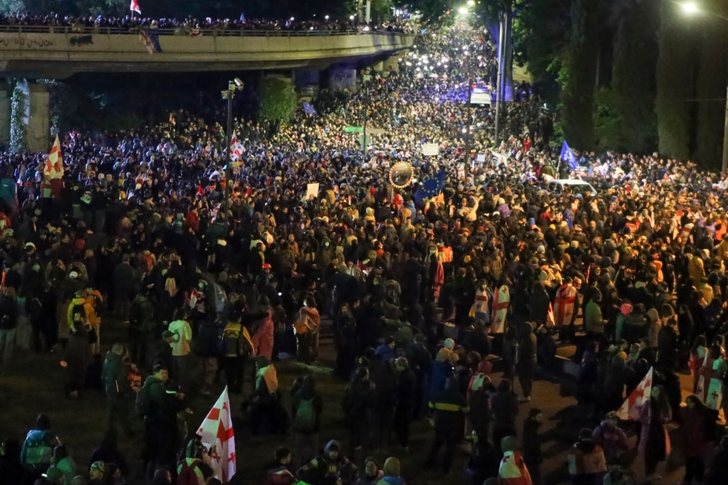
Thousands of Georgians have continued their protest in Tbi...
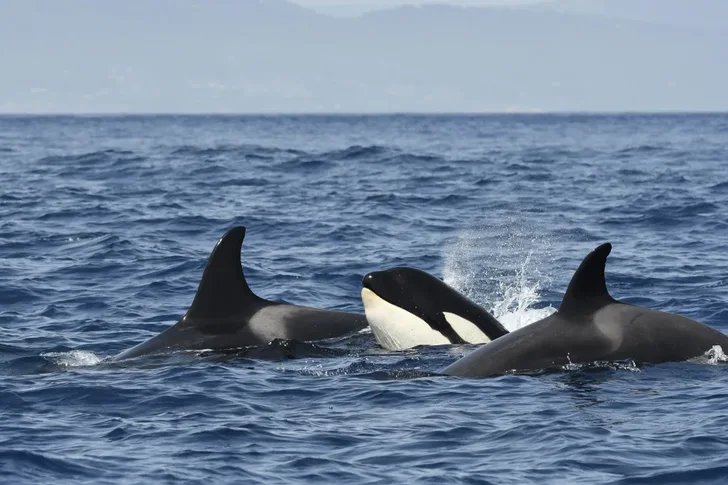
A large number of orcas have sunk a sailing yacht afte...
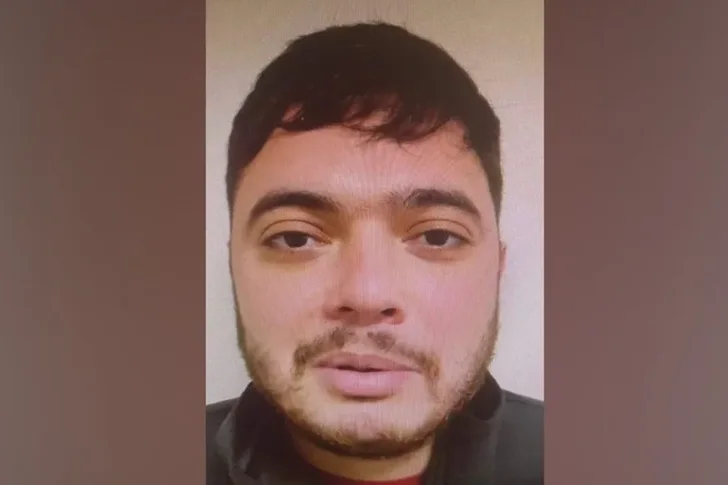
Mohamed Amra, the prisoner who escaped from a prison v...
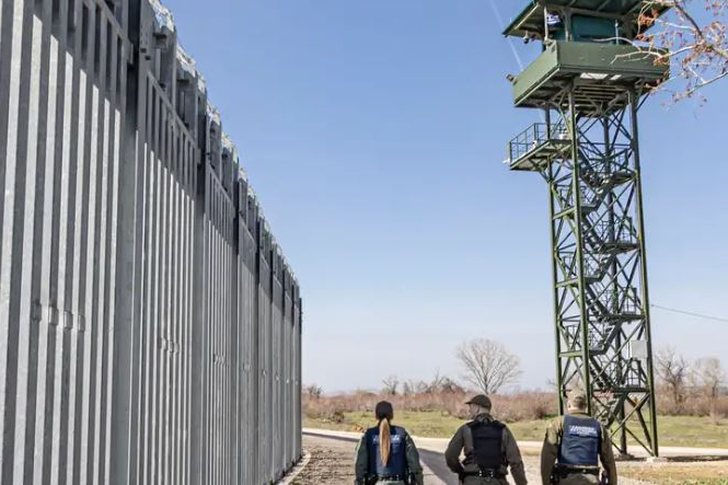
After almost a decade of persistent talks, the Council...

US President Joe Biden's administration has told lawmakers...

Georgian lawmakers on Tuesday approved the "foreign in...

Kosovo authorities have said on Tuesday that they have con...
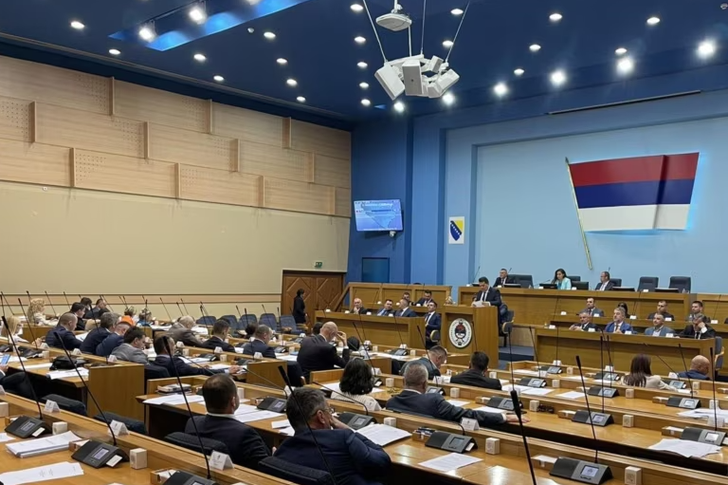
The draft law defining who are "agents of foreign influenc...

Ireland is set to raise the minimum age for buying tob...
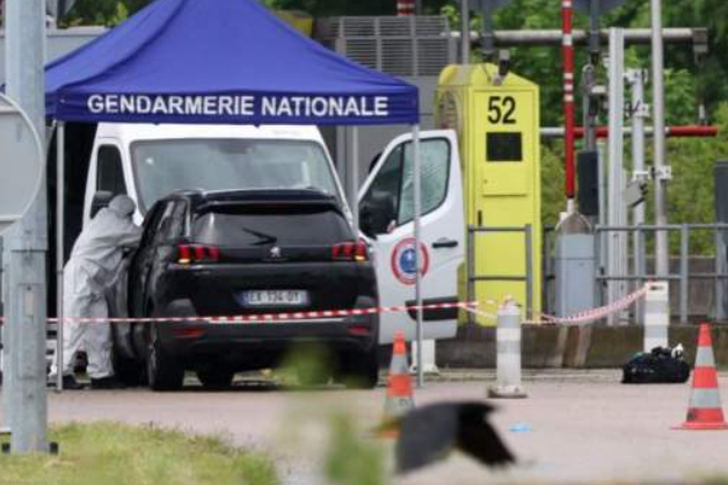
Two French prison officers have been killed and three othe...
The World Health Organization (WHO) has expressed full con...
The embassies of the QUINT States and the European Union h...
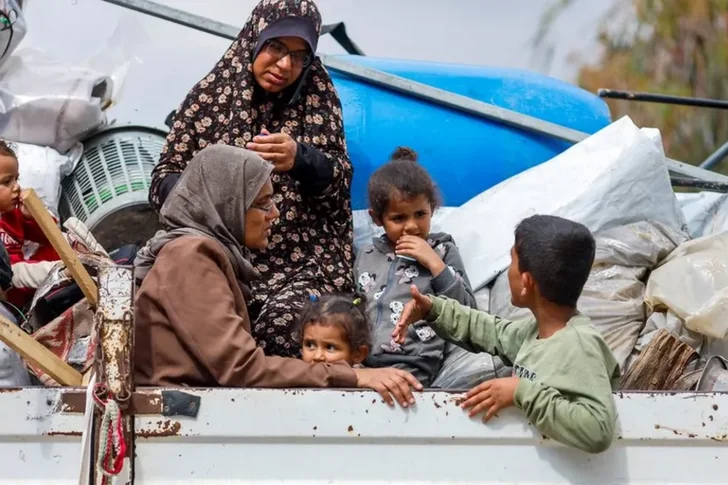
Almost 450,000 Palestinians have fled Rafah over the p...
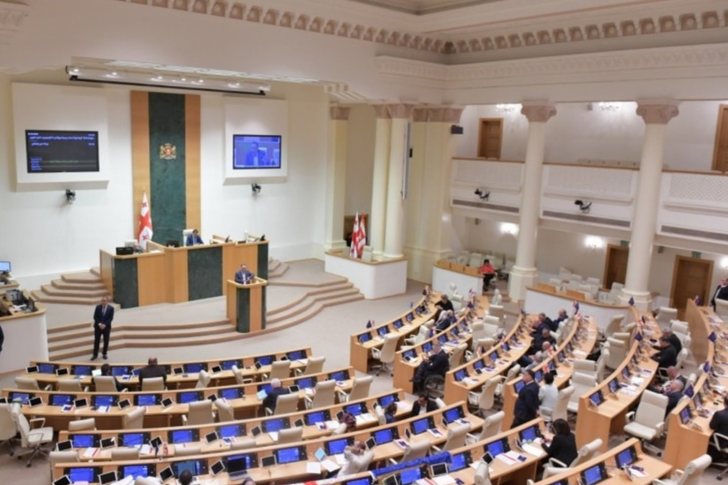
Lawmakers in Georgia have approved the controversial "fore...

President Vladimir Putin reshuffled his cabinet on Sun...

US Secretary of State Antony Blinken is in Ukraine as ...

The delegations of Kosovo and Serbia are meeting in Brusse...
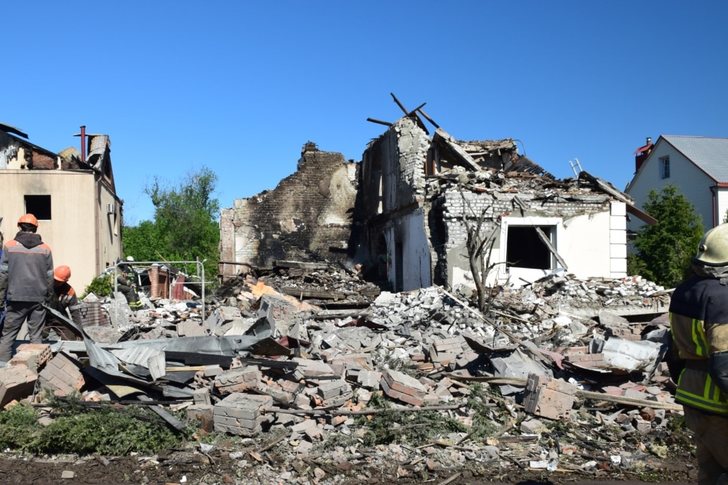
Four people have been wounded in fresh Russian attacks in ...
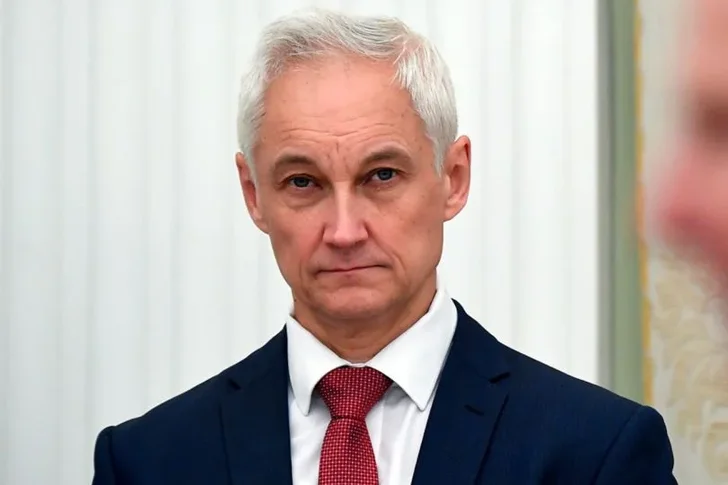
At the start of his fifth term as president, Vladimir ...

Arrested in Iraq "Scorpion", Barzan Kamal Majeed, the man ...

CNA has launched another investigation that could lead to ...

Irfan Hysenbelliu is a businessman that we call "Irfan the...

In March 2026, CNA launched another investigation centered...
The arrested mayor of Tirana, Erion Veliaj, with 13 charge...

The Special Board of Appeal (KPA) decided this Monday ...

The KPA vetting decided this Thursday to dismiss the p...

Suela Salavaçi, a prosecutor in the Prosecutor's Offic...

The Special Board of Appeal reinstated the prosecutor ...

Another phase of the international operation, codenamed "T...

Police have arrested a 34-year-old woman at Rinas Airport ...

A serious accident has occurred on the Lezhë-Shëngjin axis...

A serious incident has occurred in Morina, Kukes. Citizen...

This Wednesday, our country will be under the influence of...
All of Southern Europe will face changing weather conditio...
Albania was hit by temperatures significantly higher than ...

For the first time, Pogradec welcomed the Inter-Lake Chess...

Prime Minister Andy Burnham has announced that most bus fa...

France's parliament has passed a law to ban social media f...

US Secretary of State Marco Rubio arrived in Manila on Jul...
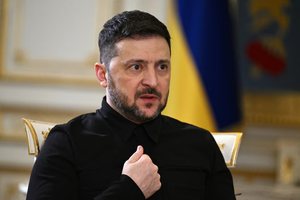
In the space of a few days, Ukrainian President Volodymyr ...

At a time when industrial products are increasingly taking...

Trust among people is not just a three-syllable word. It c...

Master of humor Todi Llupi has passed away at the age of 7...

The ninth edition of "MIK Festival" kicked off with one of...

Businesses will no longer be required to simply register t...

Despite economic growth and income in recent years, Albani...

This Wednesday, one US dollar is bought for 81.4 lek and s...

Construction company licenses will have a validity period ...