


Second victim of bad weather/ Fisherman drowns in Ksamil
Citizen MH, 61, a fisherman, was found dead near the islan...

Citizen MH, 61, a fisherman, was found dead near the islan...

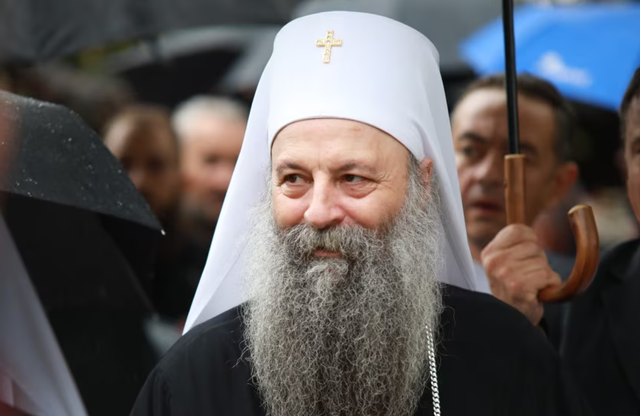
The embassies of the QUINT States and the European Union have criticized Kosovo for rejecting the visit request of the head of the Serbian Orthodox Church, Patriarch Porfirije, and some other priests.
The Ministry of Foreign Affairs and Diaspora of Kosovo on May 13 justified the decision to reject the Serbian patriarch's request for residence in Kosovo. The Ministry of Foreign Affairs said that such visits will not be allowed until "Serbia continues to violate the Brussels agreement, does not allow the visits of our state officials to Serbia and moreover does not stop with campaigns against the Republic of Kosovo in the international arena, as in the processes integrative as well as those of recognition".
However, the EU spokesperson, Peter Stano, declared on May 14 that it is Kosovo that has violated the Agreement on official visits, reached in the dialogue for the normalization of relations, since according to him, the visit of Porfirija was announced to the Kosovo authorities, as well as required by agreement.
"By refusing him entry, the government of Kosovo has not only violated the 2014 Agreement on official visits, but has also grossly ignored the importance that the Serbian Orthodox Church has for a part of Kosovo's citizens, and this goes against the basic principles of a multi-ethnic, tolerant and democratic society", said Stano.
Meanwhile, through a joint statement, the embassies of the QUINT countries - France, Germany, Italy, the United Kingdom and the United States - and the EU Office in Kosovo expressed concern over the refusal of Porfirija's visit.
"The decision of the government of Kosovo is contrary to the articles of the Ahtisaari Plan, which clearly define the rights, privileges and immunity for the clergy of the Serbian Orthodox Church, and it is also not in accordance with the obligations of Kosovo arising from the dialogue mediated by the EU -ja", was said in response.
QUINT said it expects the government of Kosovo to meet the highest standards of human rights, both in its legal framework and through its actions.
"We continue to call on the parties to refrain from any actions and rhetoric that could increase tensions and lead to incidents," QUINT said.
A day earlier, the head of the Office for Kosovo in the Serbian government, Petar Petkovic, who is also Serbia's chief negotiator in the dialogue with Kosovo, said that Porfirije was on his way to Kosovo on Monday to participate in the Holy Assembly of Bishops of the Orthodox Church Serbian in the Patriarchate of Peja, on Tuesday.
He said that the Belgrade Liaison Office, in accordance with valid agreements and procedures, has sent the notification about the plans to visit Peja.
During a press conference in Brussels on May 14, the EU spokesperson, Peter Stano, said that in the new round of dialogue, which will be held on May 15, although it has a specific agenda, it is foreseen that the issue of the rejection of request for a visit to Kosovo by the head of the Serbian Orthodox Church.
Otherwise, at the beginning of May, the Ministry of Foreign Affairs and Diaspora of Kosovo had rejected Petar Petkovic's request for a visit, not giving reasons for such a decision.
Even earlier, Kosovo has rejected requests submitted by Petkovic to conduct visits, saying that the rejection was due to "provocative statements".
Meanwhile, in January of this year, Serbia rejected the request for a visit from the Minister of Internal Affairs of Kosovo, Xhelal Sveçla. He had planned to visit the municipalities of Preshevo, Medvegja and Bujanoc, which are inhabited by Albanians.
The issue of official visits between Kosovo and Serbia is regulated through an agreement reached within the dialogue for the normalization of relations, which is mediated by the European Union. These visits must be announced through the liaison officers of Kosovo and Serbia. Meanwhile, the authorities of the respective states must authorize them./ Rel

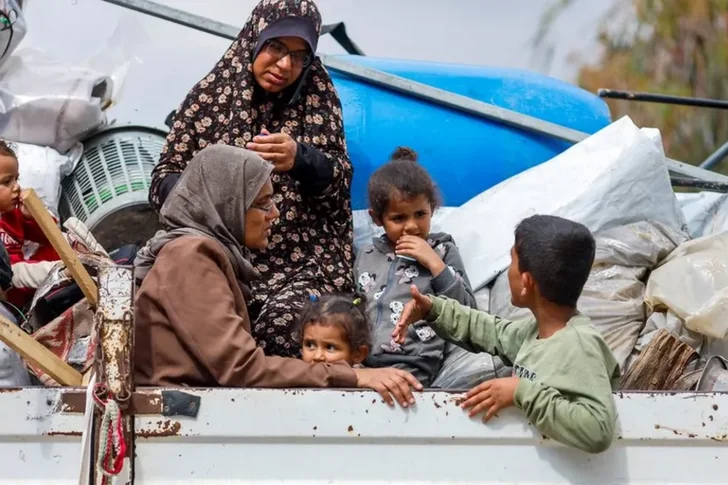
Almost 450,000 Palestinians have fled Rafah over the p...
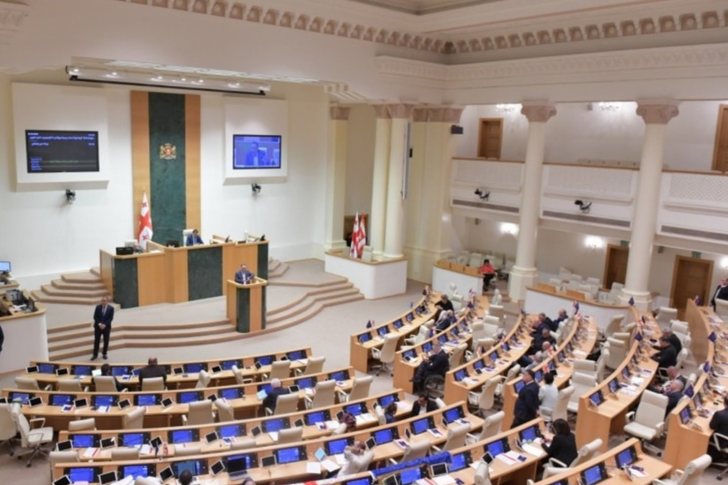
Lawmakers in Georgia have approved the controversial "fore...

President Vladimir Putin reshuffled his cabinet on Sun...

US Secretary of State Antony Blinken is in Ukraine as ...
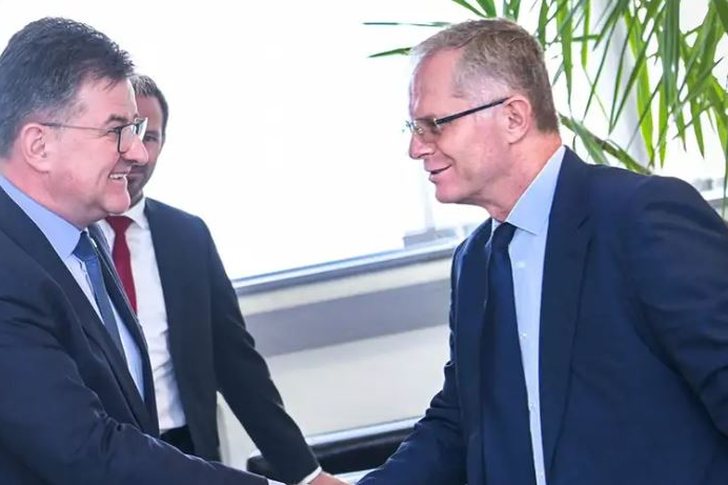
The delegations of Kosovo and Serbia are meeting in Brusse...
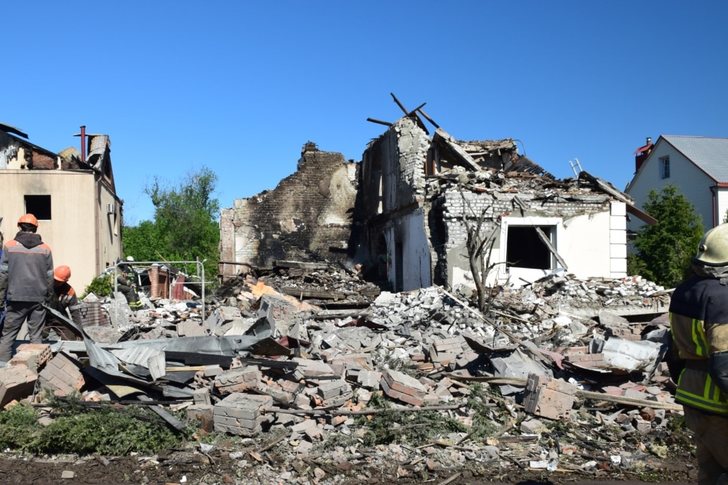
Four people have been wounded in fresh Russian attacks in ...
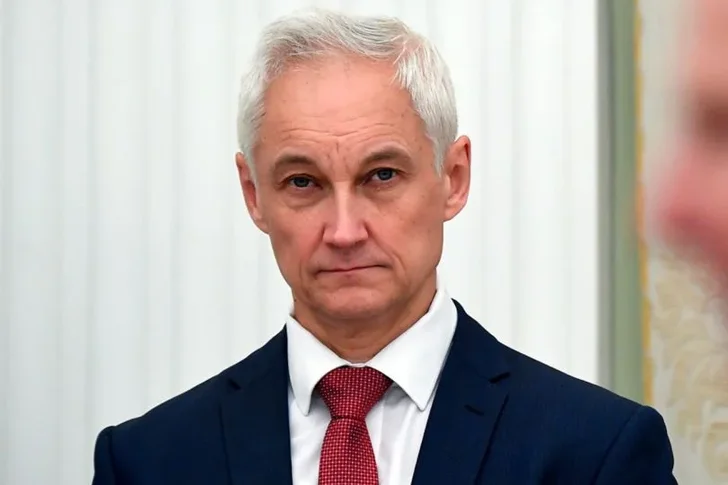
At the start of his fifth term as president, Vladimir ...

Arrested in Iraq "Scorpion", Barzan Kamal Majeed, the man ...
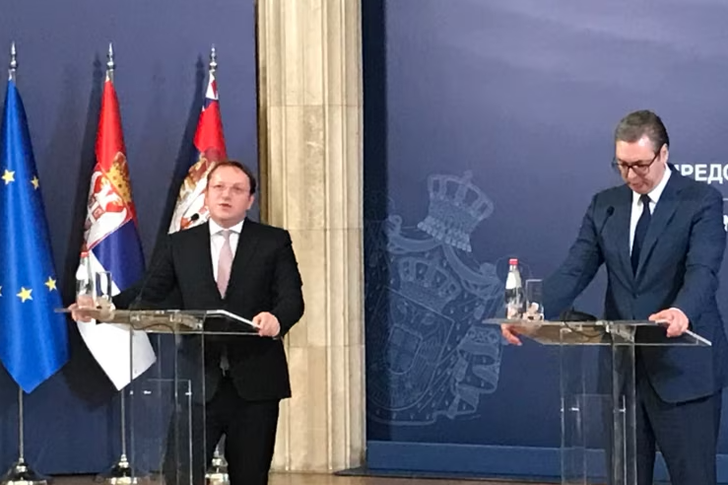
The Commissioner of the European Union for Neighborhood an...
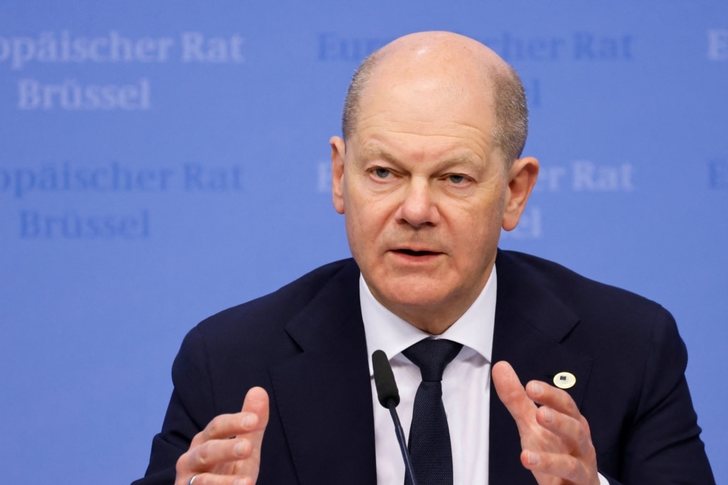
The Chancellor of Germany, Olaf Scholz, has asked Serb...
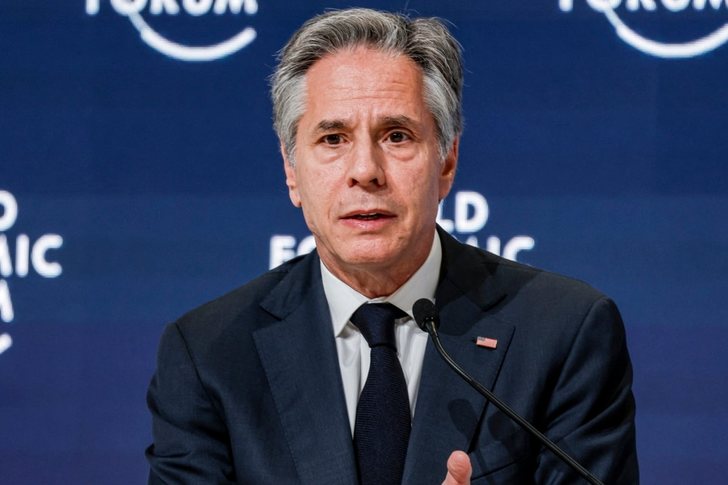
US Secretary of State Antony Blinken has made some of ...
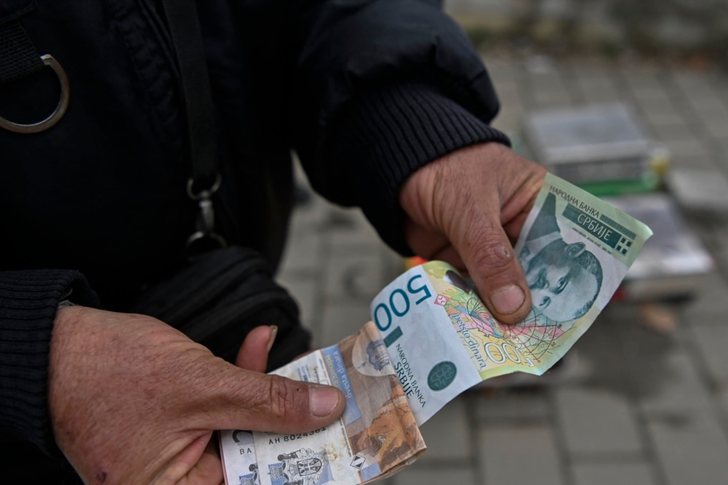
The spokesperson of the European Union, Peter Stano, has c...

Turkey has banned the administration from using foreign-ma...
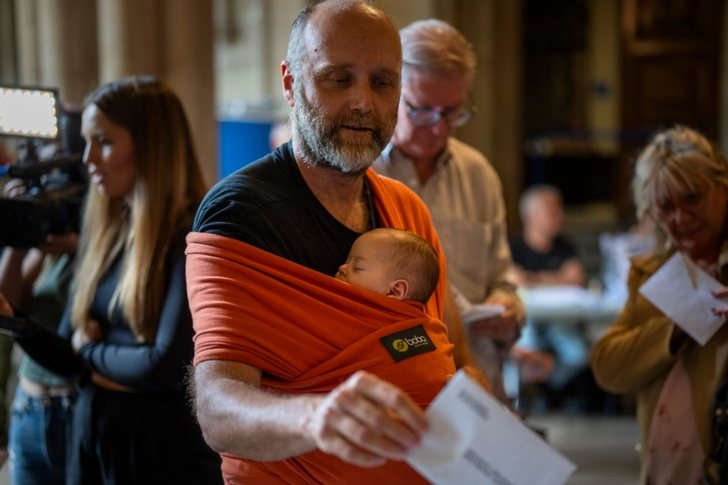
Spanish Prime Minister Pedro Sáchez's Socialists claimed v...
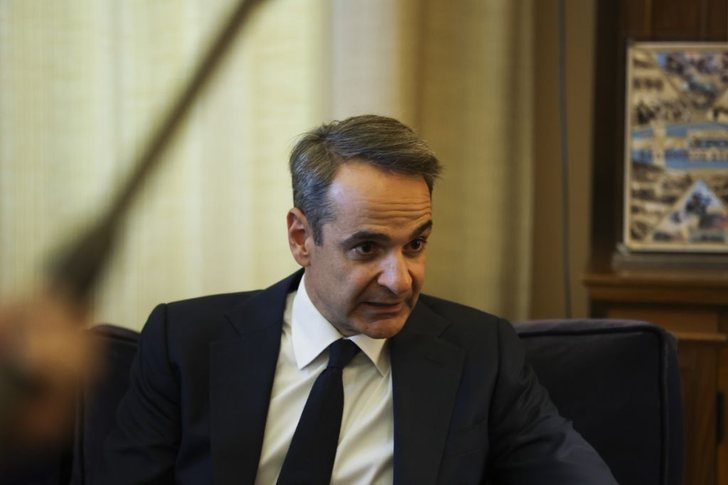
The new president of Macedonia, Gordana Siljanovska-Da...
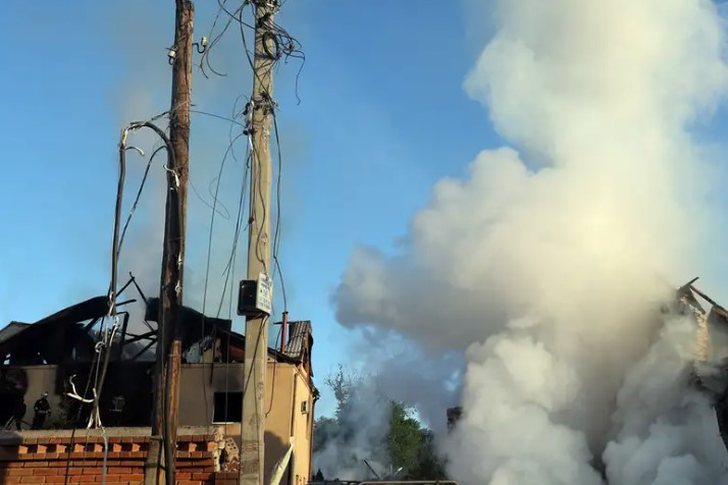
The latest Russian offensive in eastern Ukraine is meeting...

There were about 1,000 people who protested at the end of ...

The new president of North Macedonia, Gordana Siljanov...
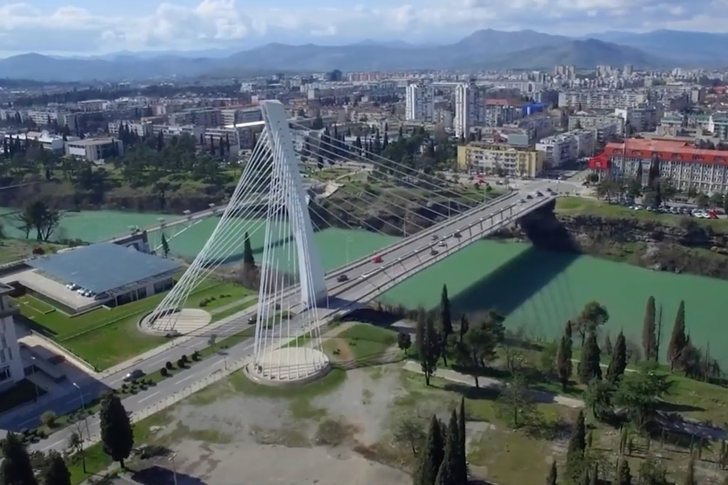
The judicial institutions in Montenegro have not yet inves...
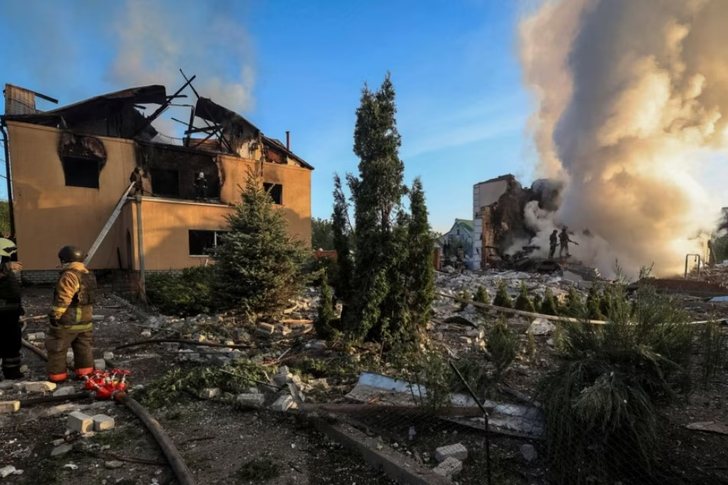
After securing approval for a new $60 billion US aid packa...

CNA has launched another investigation that could lead to ...

Irfan Hysenbelliu is a businessman that we call "Irfan the...

In March 2026, CNA launched another investigation centered...
The arrested mayor of Tirana, Erion Veliaj, with 13 charge...

The Special Board of Appeal (KPA) decided this Monday ...

The KPA vetting decided this Thursday to dismiss the p...

Suela Salavaçi, a prosecutor in the Prosecutor's Offic...

The Special Board of Appeal reinstated the prosecutor ...
Citizen MH, 61, a fisherman, was found dead near the islan...
Another phase of the international operation, codenamed "T...

Police have arrested a 34-year-old woman at Rinas Airport ...

A serious accident has occurred on the Lezhë-Shëngjin axis...

This Wednesday, our country will be under the influence of...

All of Southern Europe will face changing weather conditio...

Albania was hit by temperatures significantly higher than ...

For the first time, Pogradec welcomed the Inter-Lake Chess...
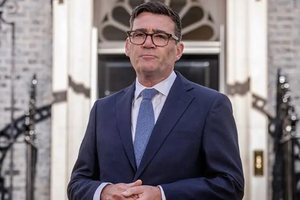
Prime Minister Andy Burnham has announced that most bus fa...

France's parliament has passed a law to ban social media f...

US Secretary of State Marco Rubio arrived in Manila on Jul...
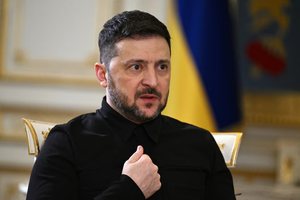
In the space of a few days, Ukrainian President Volodymyr ...

At a time when industrial products are increasingly taking...

Trust among people is not just a three-syllable word. It c...

Master of humor Todi Llupi has passed away at the age of 7...

The ninth edition of "MIK Festival" kicked off with one of...

Businesses will no longer be required to simply register t...

Despite economic growth and income in recent years, Albani...

This Wednesday, one US dollar is bought for 81.4 lek and s...

Construction company licenses will have a validity period ...