


Tensions at the airport of Alexandroupolis / Farmers break the police cordon, demand a confrontation with the minister
There was tension at the airport of Alexandroupolis in Gre...


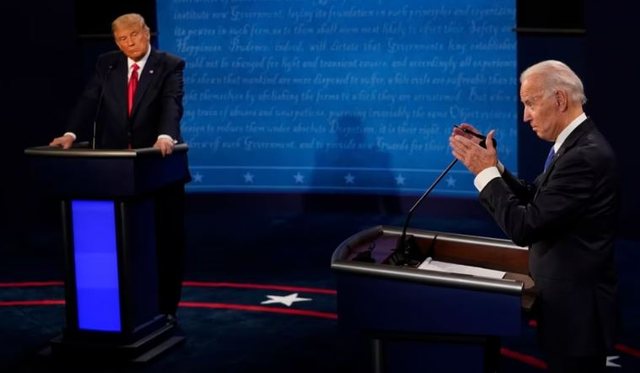
As the chances of current US President Joe Biden competing with former US President Donald Trump in the November presidential election increase, allies are looking ahead with concern.
Many worry that a second term for Trump will cause earthquakes, and that some aftershocks are already being felt.
Their key concern is that the US could become less reliable no matter who wins.
With a divided electorate and a blockade in Congress, the next American president will be able to quickly spend energy on internal issues, without yet starting to deal with other issues in the world, such as the war in Ukraine, or the one in the Middle East.
The French President, Emmanuel Macron, recently said that "America's first priority is itself".
The first Trump administration has tested the relations between the US and its allies, especially in Europe. Trump has not been very friendly with the leaders of some friendly countries, such as the former German Chancellor, Angela Merkel, and the former British Prime Minister, Theresa May, while he has spoken pleasantly of the authoritarian leaders, such as the Turkish President, Recep Tayyip Erdogan, and the Russian, Vladimir Putin.
He has called the Chinese leader Xi Jinping "brilliant", and the Hungarian Prime Minister Viktor Orban as a "fantastic leader".
On the campaign trail, Trump remains skeptical of organizations like NATO, often complaining about the billions the US spends on the military alliance, which has provided crucial aid to Ukraine as it faces Russian invasion.
He said on Saturday that, as long as he was president, he warned NATO allies that he would encourage Russia to "do whatever it wants" with countries that have not allocated funds to the North Atlantic alliance. Trump also wrote on his social network that in the future, the US should end the practice of giving aid and replace it with loans.
Biden, on the other hand, has made aid to Ukraine a key priority.
However, Biden's stance in the 2020 elections that "America is back" on the world stage has not produced the desired results.
Republicans in Congress have blocked further military aid to Ukraine, while American influence has failed to stop a conflict in the Middle East.
Thomas Gift, director of the Center for American Politics at University College London, has said that whoever wins the presidential race, the direction will be the same - a multipolar planet in which the US is no longer "the undisputed world superpower." ". Most allies refrain from directly commenting on the US election, saying it is up to Americans to choose their leader.
They are aware that they will have to work with the winner, although behind the scenes, some of them are quietly making connections with political teams, said Richard Dalton, the former top British diplomat.
The biggest concerns about US credibility exist in Europe, regardless of whether Trump wins.
Some European officials have begun to speak openly about the need to spend more on the alliance, and to plan a NATO without the US.
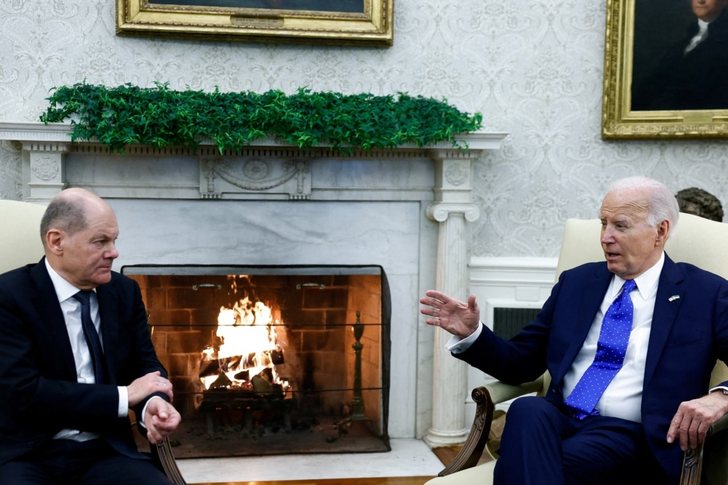
German Chancellor Olaf Scholz has said he has been on the phone for a long time with his colleagues, urging them to do more to support Ukraine.
Germany is the second country in the world in terms of allocating military aid to Kiev, after the US, but Scholz recently told the newspaper Die Zeit that his country will not be able to fill the gap, "if the US does not will offer more help". Russia, on the other hand, is busy strengthening ties with China, Iran and North Korea, and trying to reduce international aid to Ukraine as much as possible.
Macron has suggested that American attention is focused away from Europe.
If Washington's key priority is the USA, the second is China, he said.
"For this reason, I want a more powerful Europe, which knows how to defend itself and does not depend on others," Macron said at a press conference in January. Trump has supporters in Europe, especially the pro-Russian population, such as Hungary's Orbán.
However, former British Prime Minister Boris Johnson surprised many people when he recently said that "Trump's presidency could be exactly what the world needs".
Johnson is a big supporter of Ukraine, as the latter fights Russia, while Trump has praised Putin several times and said he would end the war within 24 hours.
However, Johnson has said in a column that he does not believe Trump would give up on the Ukrainians, but rather help Ukraine win the war, making the West more powerful and "the world more stable."
Bronwen Maddox, director of the international affairs institute, Chathan House, has said that arguments like those underestimate the fact of how "destabilizing" Trump has been, and how much he could be if he wins.
"For those who say that in the first term, not much damage was done to the international order, our answer is that he took the USA out of the nuclear agreement with Iran. The work that Iran has done afterwards has turned it into a state with nuclear power," she said.
Biden has criticized Trump's policy on Iran, but has failed to build bridges with Tehran, which continues to strengthen its muscles in the region.
Dalton, the former British ambassador to Iran, believes that the situation will be even worse for the Middle East if Trump wins the election.
"No administration is going to make a serious effort to resolve differences with Iran through diplomacy," Dalton told The Associated Press.
"That opportunity is long gone."
Meanwhile, Palestinians and their supporters are asking Biden to condition support for Israel, as the number of civilian casualties rises.
However, hard-liners in Israel believe that the US is already severely limiting the military's offensive against Hamas.
Itamar Ben-Gvir, the Israeli Minister for National Security, has recently said that Biden is not giving Israel "full support" and that if "Trump were in power, the American approach would be completely different." Neither allies nor rivals are talking openly about what outcome they would like to see in the US.
Trump has developed good relations with Turkey's Erdogan, calling him a "very good friend" during a meeting at the White House in 2019.
However, US-Turkey relations have been strained during his tenure.
The Trump administration has pulled Turkey out of its F-35 fighter jet project following Ankara's decision to buy missile defense systems from Russia.
Trump himself had threatened to destroy Turkey's economy.
Russian Foreign Minister Sergei Lavrov said in January that he does not believe there will be any difference between Trump and Biden.
According to him, Russia-US relations have been on a downward trend since the administration of George W. Bush.
China, where initial warmth between the leaders has turned into reciprocal economic tariffs, has changed its approach slightly with Biden.
Zhao Minghao, professor of international relations at Fudan University in Shanghai, has said that for China, the two candidates are like "two bottles of poison".
Gift, from University College London, said the world will be more divided, regardless of who wins.
"It is already a kind of reality", he said./ Rel

There was tension at the airport of Alexandroupolis in Gre...
The main United Nations agency providing aid to Palestinia...
Israel should not conduct any military operations in the d...
Senior Western officials criticized former US Presiden...
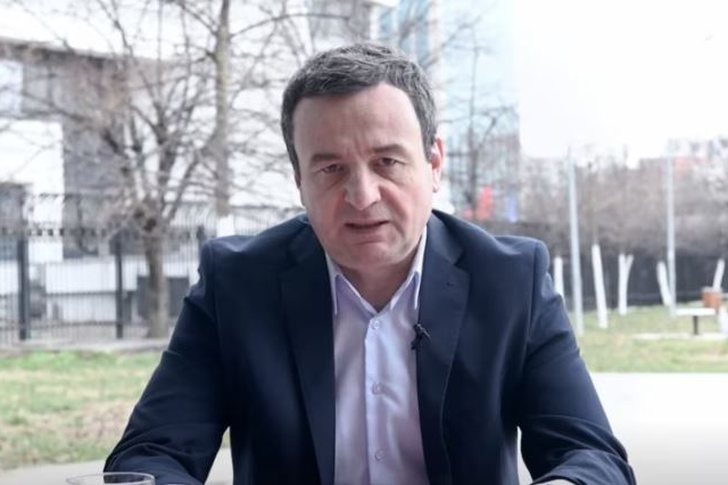
The Prime Minister of Kosovo, Albin Kurti, said on Sun...
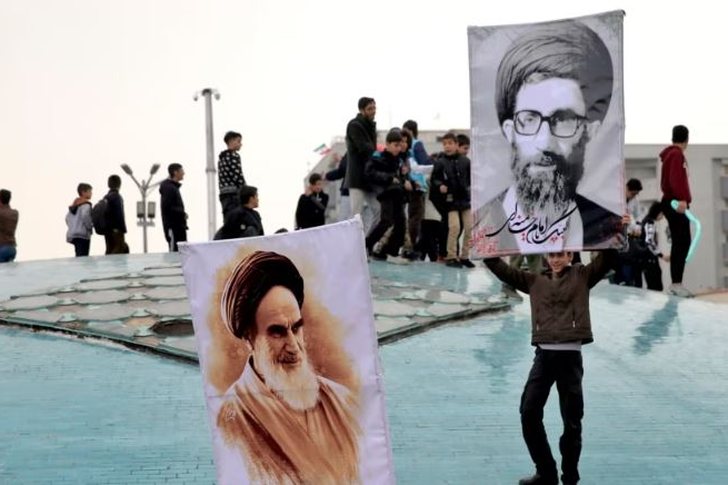
Iran marked the 45th anniversary of the 1979 Islamic Revol...
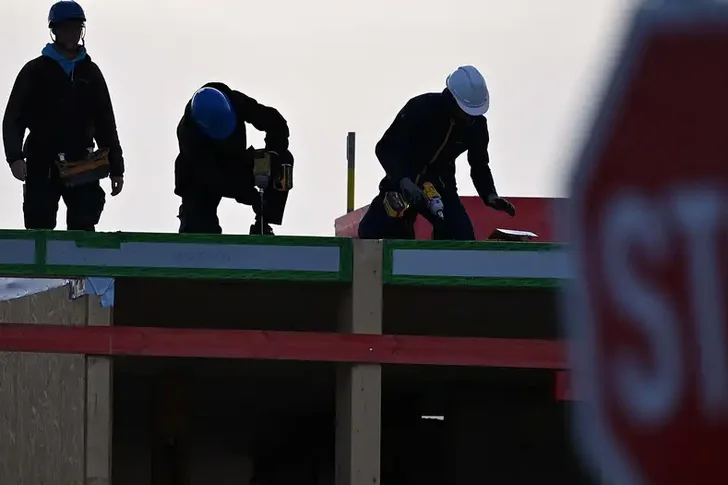
"It's not possible: my nightmare has come true, the constr...
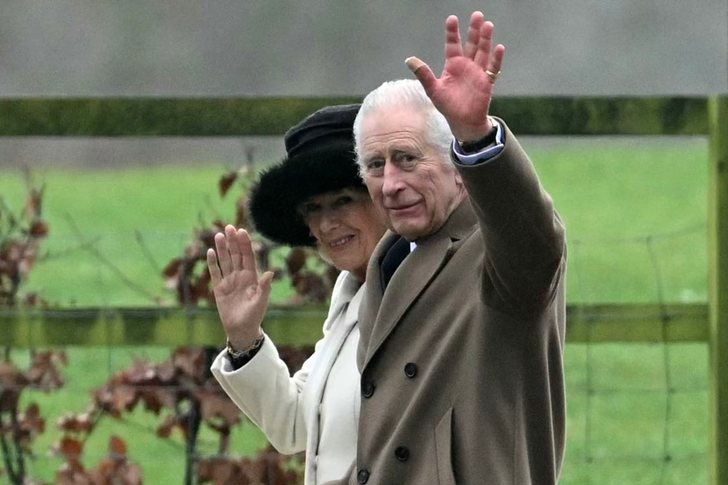
King Charles was spotted heading to church on Sunday, maki...
In 2022, about 23.8 million people of foreign origin lived...
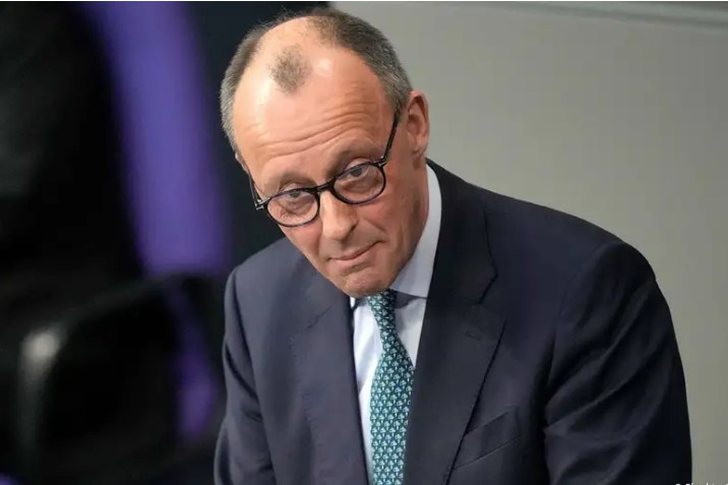
The relationship between the chancellor, Olaf Scholz, and ...
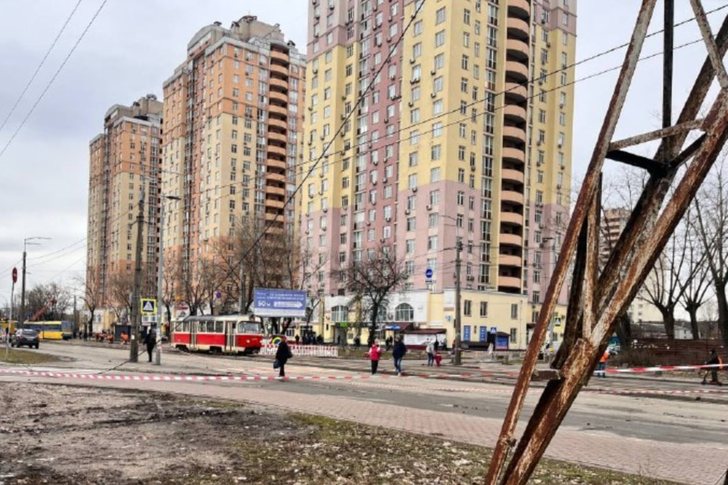
Russia's military has launched a new wave of drone attacks...
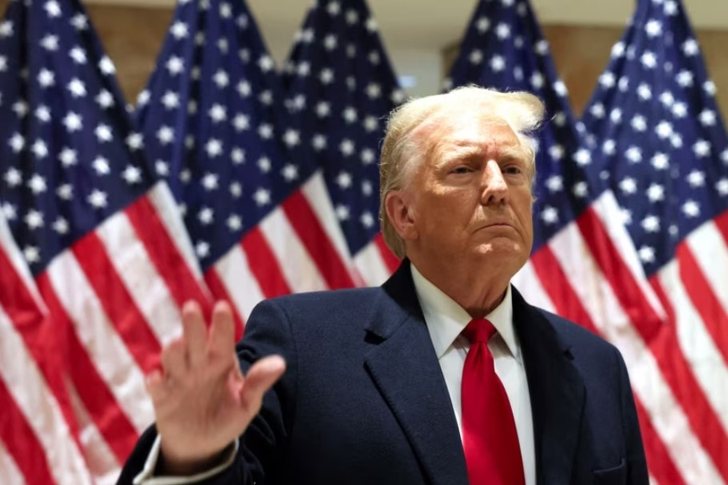
The White House has rejected comments made by former U...

People across Asia welcomed the Lunar New Year on Saturday...
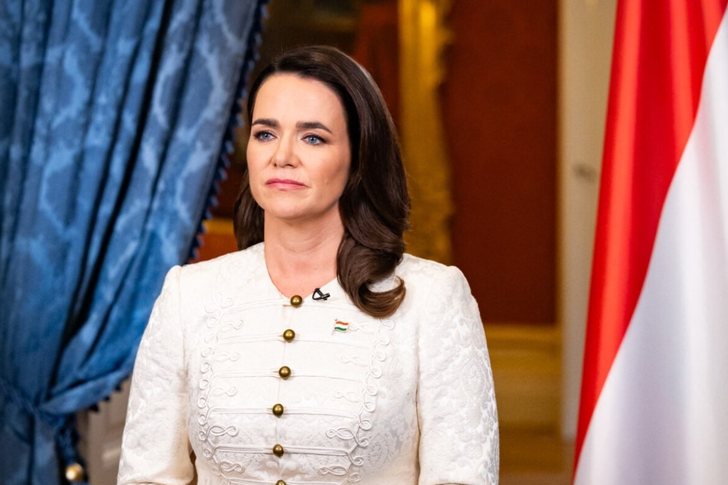
Hungary's president, Katalin Novak, resigned on Saturday a...
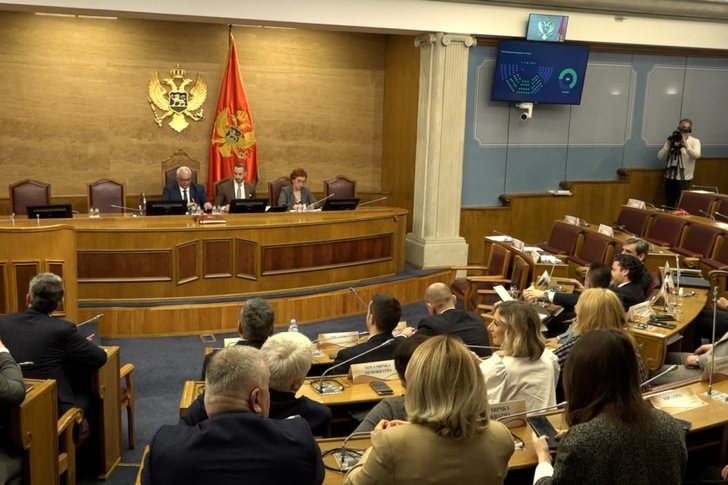
Analysts estimate that the first 100 days of the Montenegr...
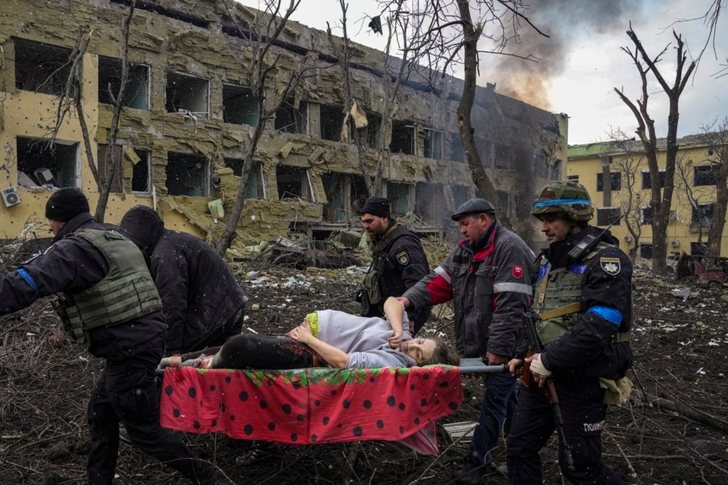
In this year's race for the Oscars, a film depicting the R...
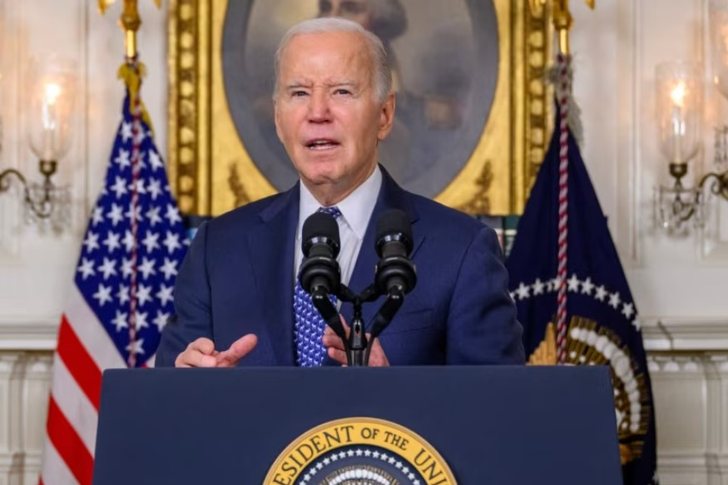
Republican rivals are raising questions about the mental a...
Casting doubt on his political rivals, whether they me...
South Korean President Yoon Suk Yeol told marines on Satur...
The US Senate will consider an emergency aid package for U...

CNA has launched another investigation that could lead to ...

Irfan Hysenbelliu is a businessman that we call "Irfan the...

In March 2026, CNA launched another investigation centered...
The arrested mayor of Tirana, Erion Veliaj, with 13 charge...

The Special Board of Appeal (KPA) decided this Monday ...

The KPA vetting decided this Thursday to dismiss the p...

Suela Salavaçi, a prosecutor in the Prosecutor's Offic...

The Special Board of Appeal reinstated the prosecutor ...
A person has died today on Orikum beach. According to repo...

Footage emerges from the serious accident that occurred th...

A Shkodra traffic police officer was hit with hard objects...

This Wednesday, around 4:00 PM, a serious accident occurre...

Children without parental care, for whom alternative famil...

On Thursday, our country will be under the influence of st...
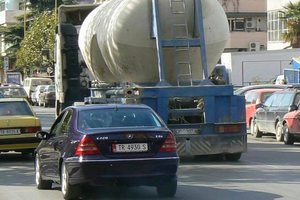
A serious accident that occurred this Wednesday with the c...

The Institute of Geosciences has shared a forecast for wea...
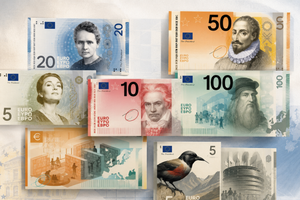
For the first time since the launch of the euro, European ...

Artificial intelligence (AI) models from the American comp...
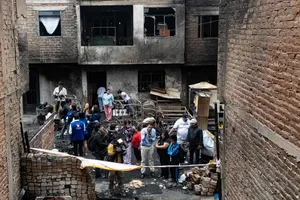
At least 10 people have died after a fire broke out in a h...
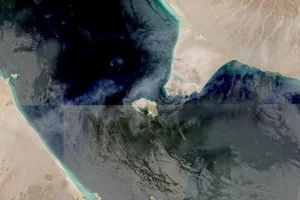
Yemen's Houthis have claimed to have attacked two Saudi oi...

At a time when industrial products are increasingly taking...

Trust among people is not just a three-syllable word. It c...

Master of humor Todi Llupi has passed away at the age of 7...

The ninth edition of "MIK Festival" kicked off with one of...

The average sale price of apartments in Tirana reaches rec...
This Thursday, one US dollar is bought for 81.5 lek and so...
The price of diesel reached 206 lek per liter from 198 lek...

Businesses will no longer be required to simply register t...