


Beyond the "shine" of the numbers, the rotten apple of the Albanian economy
The Albanian economy has never had a problem to "shine" wi...


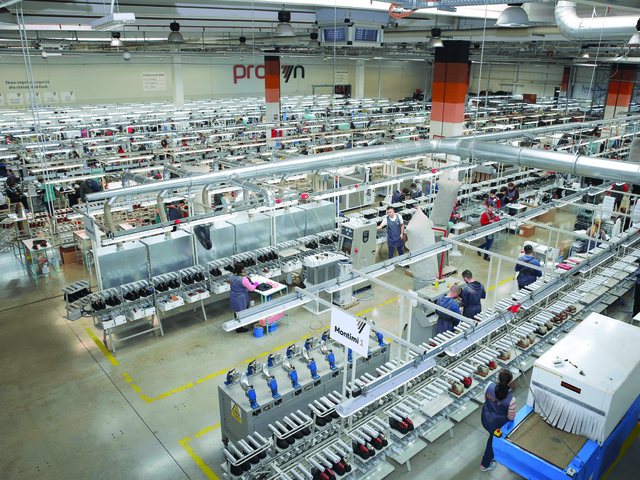
Clothing and footwear factories expect declines in sales, employment and investment for 2024 as well, due to exchange rate weakness, falling foreign demand and high labor costs.
Factories announce job cuts of 20-30% in 2024, while expectations for recovery are cloudy.
The biggest difficulties are facing the factories of shoes and intimate clothing, which have lost competitiveness in the European markets. The decrease in orders has led to a decrease in turnover, while the fall of the euro has ruined the profits of exporters.
In January 2022, the average exchange rate of the Bank of Albania was 121.5 ALL, while in December 2022, with 114.9 ALL, and at the end of 2023 it reached about 104 ALL.
Florian Zekja, from the Pro-Export Association, says that the drop in exports every month is double-digit and will continue in the coming months, and the exchange rate is among the main causes.
Factories expect an improvement in the second 6 months of the year, but estimates are made difficult by the future course of the exchange rate.
"I had a 30% reduction in turnover, due to the decrease in orders at the global level, and also, for several months we operated at a loss, combined with the negative effect of the Euro.
Only in the last quarter have we made a small profit", said Eva Laro, from the shoe production company "ProDyn", one of the largest in the country.
Clothing and footwear manufacturing factories expect employment to suffer a double-digit decline in 2024. The biggest decline will be in the counties than in Tirana. Gjergj Leqejza, who owns one of the largest clothing factories in Shkodër, "Albania Tricot", is planning to cut about 18% of employees in 2024.
He said the exchange rate has influenced the decrease in income, as the Italian contractor of intimate clothing, "Cotonela", is reducing orders in Albania. The "Cotonela" factory in Shkodër, which was the largest outside Italy, has now become uncompetitive in terms of prices, due to the increase of the minimum wage by about 30% within the year and the decrease in the value of the euro by 9% in 2023.
The processing industry sector employs about 71,000 salaried people. But their number is expected to be further reduced in 2024, as a result of the crisis in the sector and the demographic factor that is reducing the labor force naturally in the production units based on the labor arm.
The chairman of the Pro-Export Association, Edvin Prençe, said that the progress of employment in the fashion sector will be very dramatic and will have a social impact, especially in rural areas where there are no other economic activities beyond the manufacturing sector of clothing and shoes.
The association is facing daily announcements about the decline in employment, especially in the districts. In Korça, Shkodër and Fier there are data on the closure of many production units and an increase in unemployment as well.
There is a small network of production lines in the districts and there is no possibility for them to cooperate with each other like in Tirana, where a small factory can take work from a larger one.
The layoffs will be greater in small factories, which will feel the effects of the crisis more. They usually work as subcontractors and will be the first to close when the supplier faces a downturn.
Employment in industrial businesses entered the crisis in the third quarter of 2022, when the decline started with 0.2% after an increase of about 7% throughout the year.
In addition to these difficulties, the industrial sector is suffering from a labor shortage. Due to more difficult conditions and wages around the minimum levels, workers in the industry are moving to other sectors with higher wages.
The events after the war in Ukraine, in addition to high prices, have significantly increased production costs in Europe and many European customers are now looking to move production to other countries such as Uzbekistan, India and North Africa.
This trend has led to a decrease in orders in Albanian factories, causing some subcontractors in the shoe textile industry to go bankrupt.
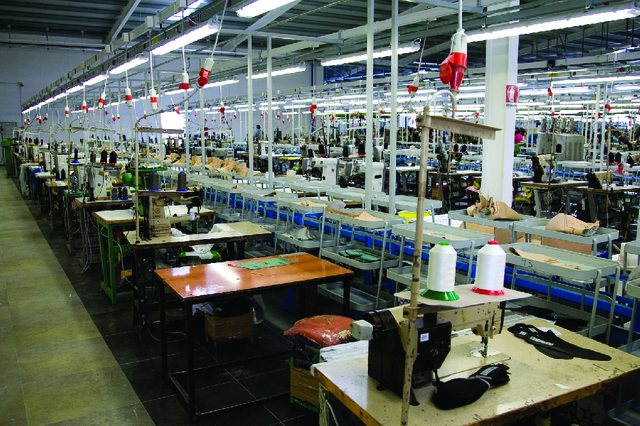
Edvin Prençe, from the Pro-Export Association, says that investments are and will continue to be blocked, having a marked lack of liquidity.
Eva Laro, from "Prodyn", said that investments in absolute terms are decreasing for 2023 and the situation will be similar in 2024.
After an unusual demand from abroad immediately after the COVID-19 pandemic, Albanian factories were faced with a work flow for which they did not have employees. Almost all factories invested in machines, mechanics, robotics to reduce the dependence on people.
Many companies began to close the loop and began efforts to produce for a high level of customers. But the exchange rate crisis ruined the investment plans. Florian Zekja, from the Pro-Export Association, said that no new investments are foreseen in 2024.
Clothing and footwear factories have no plans to increase employee wages in 2024, due to the difficulties created by the decline in sales and the contraction of activity as a whole. The minimum salary from 30 thousand ALL in January 2022 reached 40 thousand ALL in April 2023, through three decisions.
The minimum wage in our country is determined by a government decision, so its 30% increase over the course of 15 months and without consultation found the factories unprepared, which were meanwhile facing losses caused by the fall of the euro.
"Salaries are a very sensitive topic. The entrepreneurs of the sector certainly want their employees to have the highest possible salaries, but there is a limit and production plants need to be modernized and oriented so that businesses have opportunities for salary increases.
Increase productivity, review taxation, increase the number of customers and diversify production. These things did not happen, quite the opposite. The sector is not able to sustain further salary increases, what it has been able to do, it has done and continues to do as a country with a free market economy", said Mr. Prençe.
Ms. Laro, from the "ProDyn" factory, said that salary increases have been very fast in the last two years, increasing our costs at a fast rate." She added that if the government does not increase the minimum wage again, there will be no salary increase from businesses in the coming year.
Recovery plans hazy, hope in the second half of the year
Forecasts for the recovery of fashion factories are dim this time.
Eva Laro said that the multiple shocks the industry faced in the last two years will make recovery difficult. According to her, an improvement in orders is expected in March 2024, but in September, this may be reflected in higher volumes of work.
Skender Pashaj, who owns the "Fital" shoe production factory, says that previous crises have shown that, when consumers are affected by inflation, the contraction of consumption affects the shoe too much.
The inhibition of orders started last year and has continued throughout this year, making business projections for recovery difficult, he says.
"As far as the future is concerned, I think that we do not have a clear situation in the short term, because the psychological effect of this drop is starting and being felt", says Mr. Blackness.
According to him, it is necessary to react quickly because it is moving towards the destruction of the "Made in Albania" product and that part of the domestic or foreign market which the producers managed to win with many sacrifices is being lost day by day.
Mr. Prençe says that until February 2024, the situation will be similar and many job cuts and loss of current contracts are foreseen and good premises for new contracts/customers are not seen.

The Chairman of the Pro-Export Association, Edvin Prençe, says the fashion industry will also face difficulties in 2024, due to the weaknesses created by the fall of the euro, combined with the drop in orders from abroad and the increase in the minimum wage by 30% within the year.
There will be layoffs, lack of investments, decline in exports, while the recovery is expected to start in the second six months of the year.
For the sector, the year 2023 has been to forget, for a multitude of problems that, in a transparent way, your magazine has reflected. Data in value and percentage have shown it best.
The exchange rate, with a fluctuation that for 2023 was a depreciation of 16%. Knowing that even our economic activity does not leave space or high profit margins, it goes without saying that we are in total collapse.
Until February 2024, the situation will be similar and many job cuts and loss of current contracts are predicted and no good premises for new contracts/customers are seen.
The progress of employment will be very dramatic, having a social impact and especially in rural areas, where other economic activities, beyond the manufacturing sector of clothing and shoes, do not exist, and the prediction is understandable for everyone.
Investments are and will continue to be blocked, having a significant lack of liquidity and this together with the loss of new contracts, the loss of competitiveness from increases in costs and exchange rates, policies or rather, the inaction of institutions to support exporters , creating as a result the trend that is being seen, of turning off, the economic agony that the sector is experiencing.
The sector is not thinking or hoping anymore. It is understandable the political desire and opinion of the public that this sector has finished its phase.
A very wrong thought and perception that will be understood later, because this "Made in Albania" sector should be an added value for our economy, it should be diversified, become a producer and have its voice in the world market.
But alone, without development policies and increasing economic interests that intertwine to find ways for quick and non-sustainable profits will make us even more dependent and victims of imports, as in these over 30 years of democracy.
Light industries, manufacturing and many others give the economic strength that Albania must have and have the place we deserve in the world markets.
Wages are a very sensitive topic. The entrepreneurs of the sector certainly want their employees to have the highest possible salaries, but there is a limit and the modernization of production plants and orientation are needed, so that businesses have the opportunity for salary increases.
Increase productivity, review taxation, increase the number of customers and diversify production.
These have not happened, in fact the opposite and precisely these lead to and hope for a reflection on the part of the government, that things are done in cooperation and not with unilateral decisions. The sector is unable to sustain further wage increases.
What it has been able to do, it has done and continues to do as a country with a free market economy./ Monitor.al

The Albanian economy has never had a problem to "shine" wi...

Today, January 13, 2024, the US dollar is bought at 94...
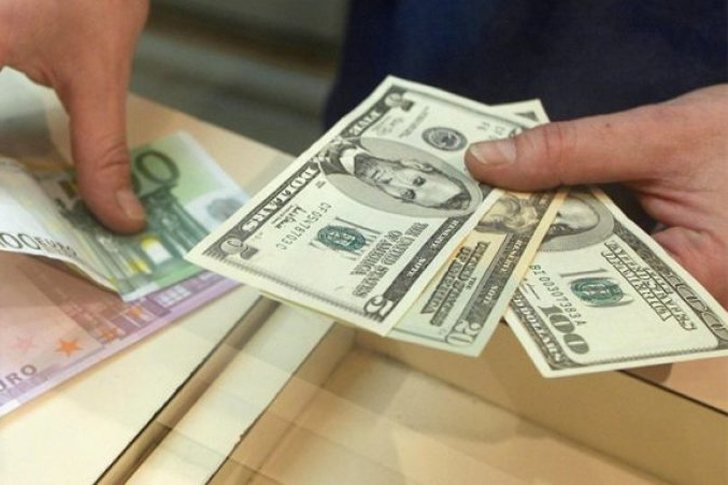
Today, January 12, 2024, the US dollar is bought at 94...

Today, January 11, 2024, the US dollar is bought at 94.2 A...
From January 1, 2024, the increase of the infrastructure i...

In order to discipline state enterprises that take loans a...
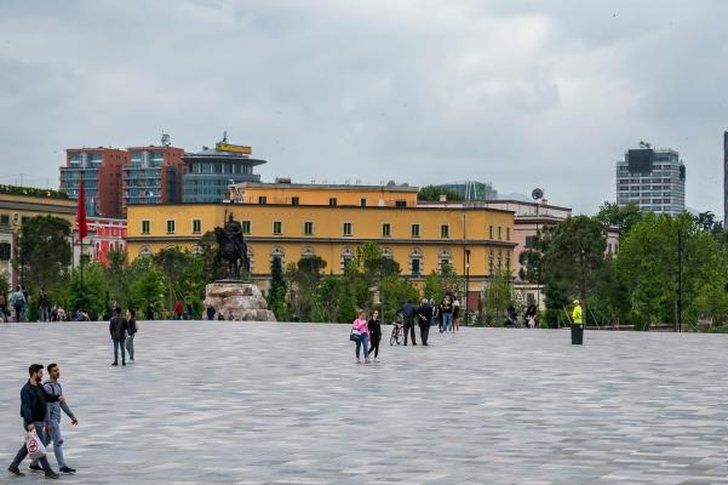
The World Bank predicts that the Albanian economy will...

The Competition Authority has opened a preliminary investi...

Today, January 10, 2024, the US dollar is bought at 94.8 A...
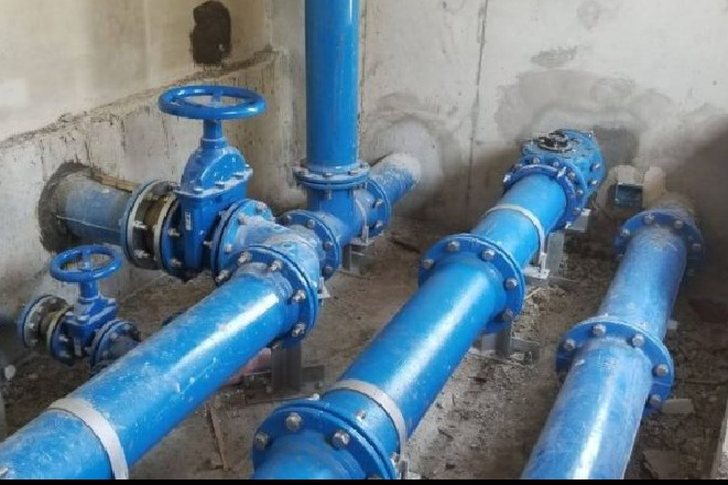
As the reform of aggregation, or the joining of water util...

The International Airport of Vlora, which is expected ...

Today, January 9, 2024, the US dollar is bought at 94.7 AL...

Today, January 8, 2024, the US dollar is bought at 94.6 AL...
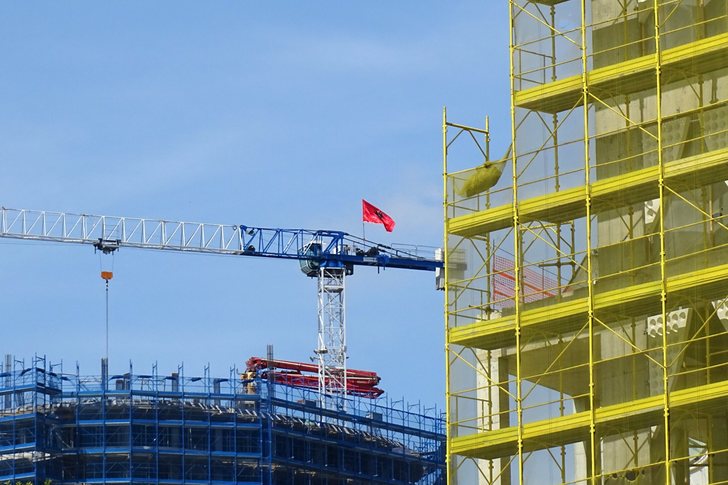
It is being built all over Europe and the region, but in n...
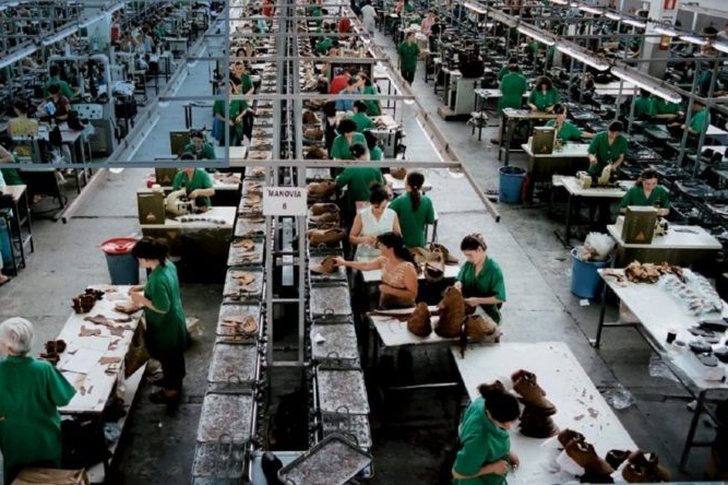
The industrial sector has entered a long crisis cycle with...
Sot më 7 janar 2024, dollari amerikan blihet me 94.5 l...

Today, January 6, 2024, the US dollar is bought at 94....

The Minister of Finance and Economy, Ervin Mete, at th...

Although with economic uncertainty and changes in cons...
Today, January 5, 2024, the US dollar is bought at 94....

CNA has launched another investigation that could lead to ...

Irfan Hysenbelliu is a businessman that we call "Irfan the...

In March 2026, CNA launched another investigation centered...
The arrested mayor of Tirana, Erion Veliaj, with 13 charge...

The Special Board of Appeal (KPA) decided this Monday ...

The KPA vetting decided this Thursday to dismiss the p...

Suela Salavaçi, a prosecutor in the Prosecutor's Offic...

The Special Board of Appeal reinstated the prosecutor ...

New details have emerged regarding the accident that occur...

New details have emerged from the serious accident that oc...

A serious accident occurred this Wednesday on the Elbasan-...

Citizen MH, 61, a fisherman, was found dead near the islan...

The Institute of Geosciences has shared a forecast for wea...
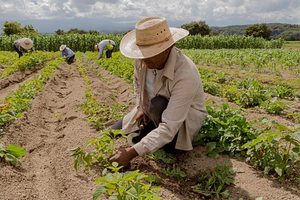
Rising energy and fertilizer prices are expected to contin...

Over 18,000 foreign citizens from 140 countries have appli...

This Wednesday, our country will be under the influence of...

US President Donald Trump has issued another warning to Ir...

Prime Minister Andy Burnham has announced that most bus fa...

France's parliament has passed a law to ban social media f...

US Secretary of State Marco Rubio arrived in Manila on Jul...

At a time when industrial products are increasingly taking...

Trust among people is not just a three-syllable word. It c...

Master of humor Todi Llupi has passed away at the age of 7...

The ninth edition of "MIK Festival" kicked off with one of...

Businesses will no longer be required to simply register t...

Despite economic growth and income in recent years, Albani...

This Wednesday, one US dollar is bought for 81.4 lek and s...

Construction company licenses will have a validity period ...