

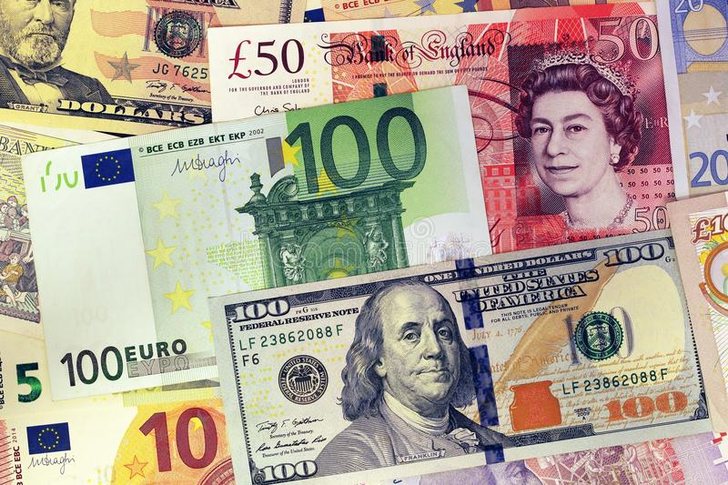
Foreign currencies falling/Exchange rate, January 27, 2025
Today, on January 27, 2025, in the foreign exchange market...



The technological revolution requires that the workforce above school age must be trained and equipped with knowledge in order to adapt to the needs of the labor market.
UNESCO (United Nations Educational, Scientific and Cultural Organization) in its Global Education Monitoring Report noted that Albanian adults had the lowest participation in training in the group of upper-middle-income countries, but also in the group of 120 countries that were studied.
As seen in the graph below, only 3% of Albanian adults aged 25-54 participate in training, ranking last alongside Thailand and Mongolia among the 30 countries classified in the middle-income group.
This low participation in the future becomes an obstacle to increasing labor productivity and to overcoming to another economic level.
Of the countries in the same group, Belarus had the highest participation in professional development training with around 18%, followed by Tajikistan with 14%.
In today's rapidly technologically advanced economies, knowledge and skills can quickly become outdated and do not respond to the needs of the labor market.
Lifelong learning is becoming increasingly essential for market integration. UNESCO collected data from 120 countries around the world to compare adult participation in training and education and found that Albania ranks at the bottom for low levels of post-school training.
In comparing data, UNESCO found that participation in education and training is low globally. In about 30 countries, less than 5% of adults are in training, and in 13 countries, about 10% of adults are in further professional development.
Among the lowest-income countries, Bolivia, Madagascar, Nigeria and Timor-Leste stand out for having over 5% of their adult population trained.
Among upper-middle-income countries, only Belarus and Tuvalu exceed the 10% threshold. The highest participation rates in vocational training and education are observed in Nordic countries such as Denmark (20%), Finland (22%), Norway (24%), Sweden (25%) and Iceland (30%).
However, even within the high-income group, 16 countries report participation rates below 5%.
UNESCO estimates that other factors, besides a country's average income level, that can influence participation in education and training are national policies and cultural attitudes towards education.
For example, in the Nordic countries, a combination of cultural norms, state policies, and flexible learning opportunities have contributed to high rates of adult participation in education./ Monitor Magazine

Today, on January 27, 2025, in the foreign exchange market...
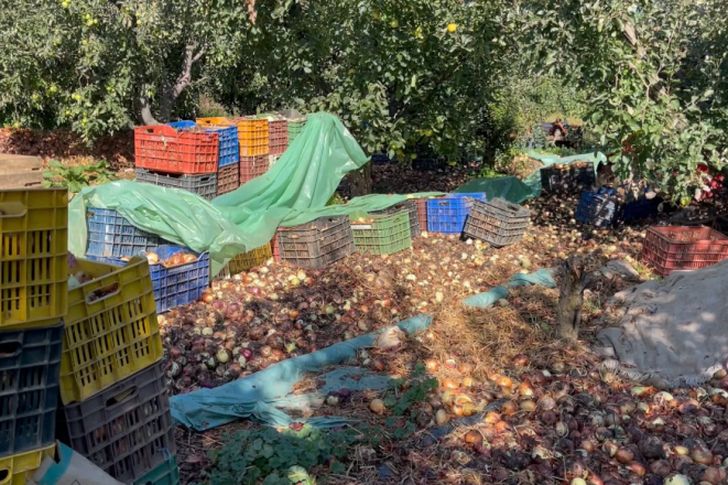
Even though the new onion planting season is coming for Ma...

Improving personal finances and taking care of health were...
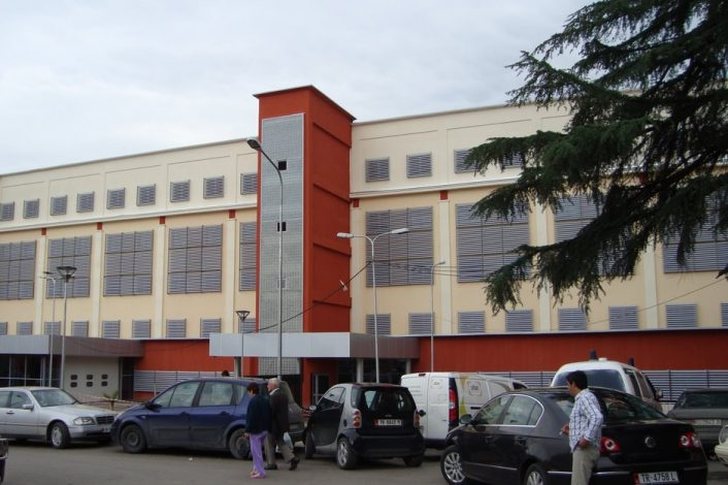
Two contracts with a cumulative value of 2.4 billion lek o...
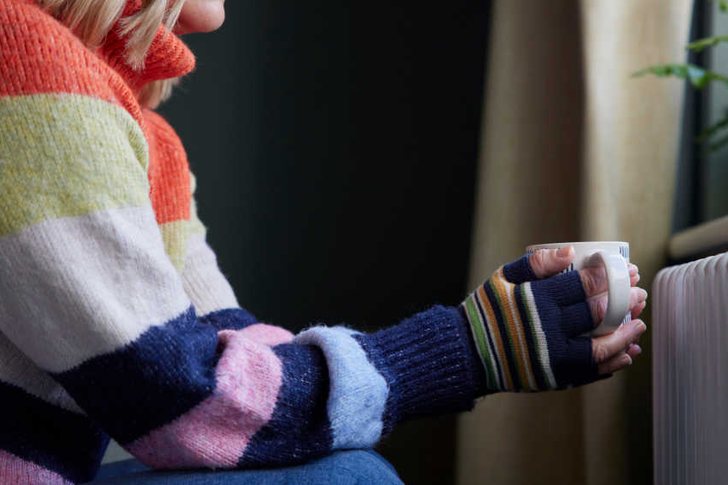
Albania is fortunate to have relatively mild weather durin...

Today, January 24, 2025, in the foreign exchange market, t...

Budget revenues last year marked an annual increase of 9%,...

Despite the continuous increase in the number of doctors, ...
On the streets of Tirana or other cities, or even in bars,...
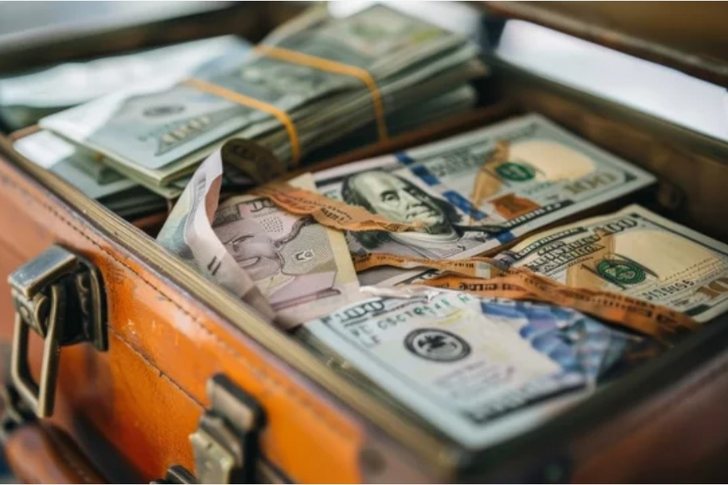
Today, January 23, 2025, in the foreign exchange market, t...
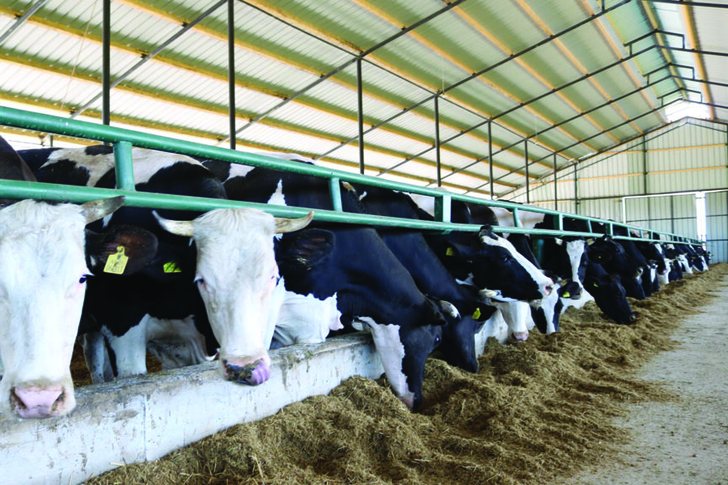
About 40 percent of Albanian farmers reported using antimi...
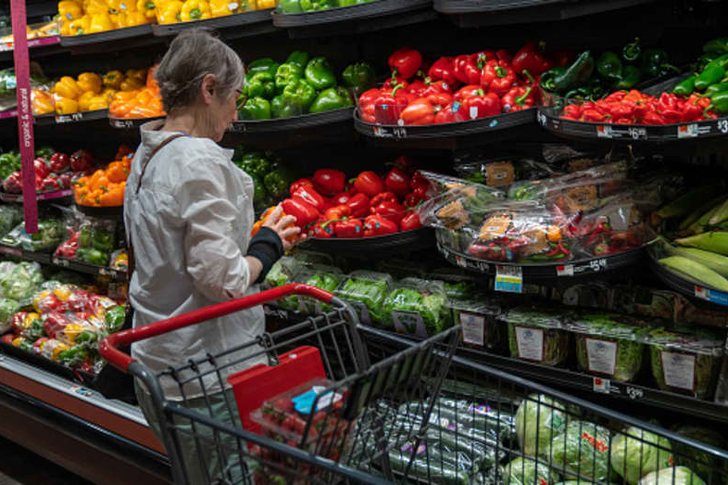
The lack of domestic production and the development of tou...

Today, January 22, 2025, in the foreign exchange market, t...

Bitcoin rose to a new all-time high of $109,588 on Monday ...

The richest people in the world are getting richer. Their ...

In 2022, Albania had per capita health spending (public + ...

Today, January 21, 2025, in the foreign exchange market, t...
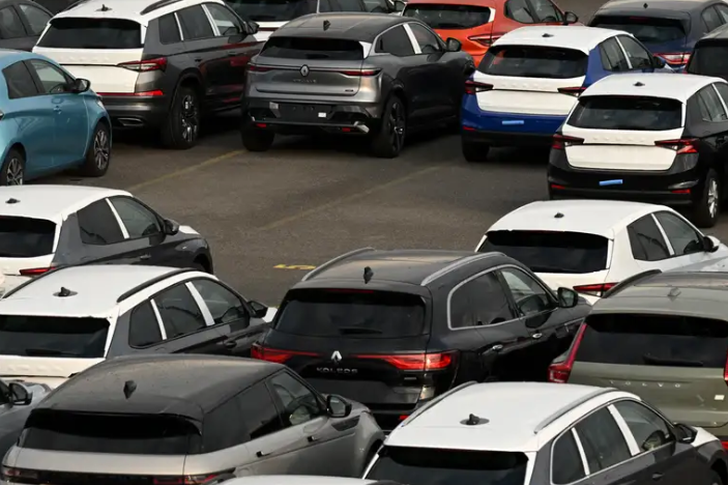
The German economy has had major problems in the past year...
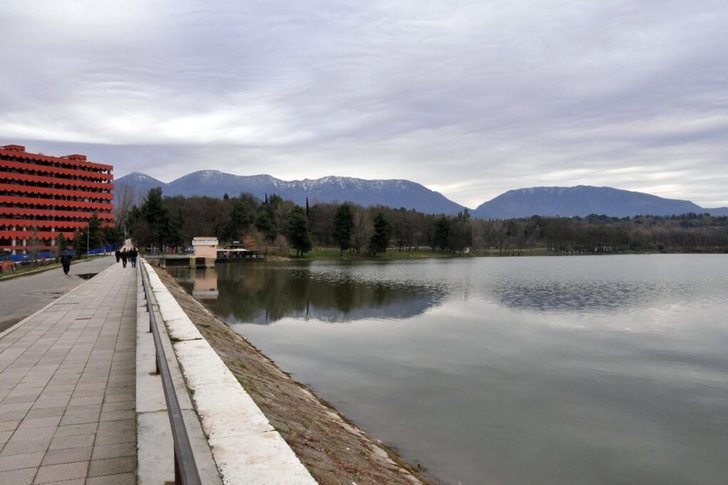
Agricultural dams in the country are expected to undergo f...
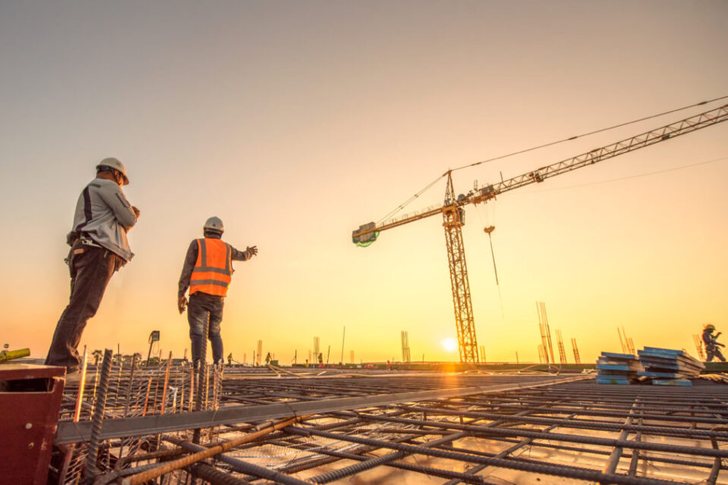
Since 2018, an average of 1.2 million square meters of bui...

CNA has launched another investigation that could lead to ...

Irfan Hysenbelliu is a businessman that we call "Irfan the...

In March 2026, CNA launched another investigation centered...
The arrested mayor of Tirana, Erion Veliaj, with 13 charge...

The Special Board of Appeal (KPA) decided this Monday ...

The KPA vetting decided this Thursday to dismiss the p...

Suela Salavaçi, a prosecutor in the Prosecutor's Offic...

The Special Board of Appeal reinstated the prosecutor ...
New details have emerged regarding the accident that occur...
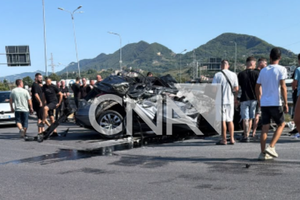
New details have emerged from the serious accident that oc...
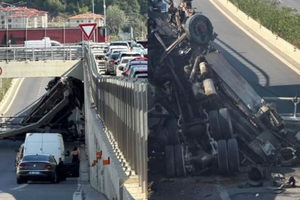
A serious accident occurred this Wednesday on the Elbasan-...
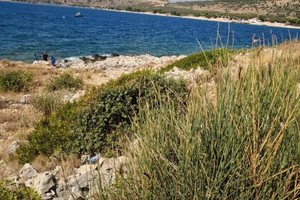
Citizen MH, 61, a fisherman, was found dead near the islan...

The Institute of Geosciences has shared a forecast for wea...
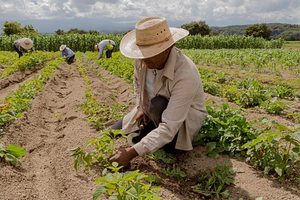
Rising energy and fertilizer prices are expected to contin...

Over 18,000 foreign citizens from 140 countries have appli...
This Wednesday, our country will be under the influence of...
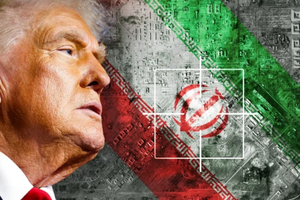
US President Donald Trump has issued another warning to Ir...

Prime Minister Andy Burnham has announced that most bus fa...
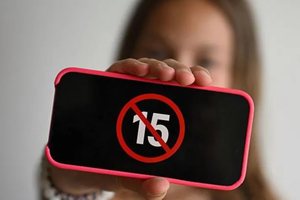
France's parliament has passed a law to ban social media f...

US Secretary of State Marco Rubio arrived in Manila on Jul...

At a time when industrial products are increasingly taking...

Trust among people is not just a three-syllable word. It c...

Master of humor Todi Llupi has passed away at the age of 7...

The ninth edition of "MIK Festival" kicked off with one of...

Businesses will no longer be required to simply register t...

Despite economic growth and income in recent years, Albani...

This Wednesday, one US dollar is bought for 81.4 lek and s...

Construction company licenses will have a validity period ...