


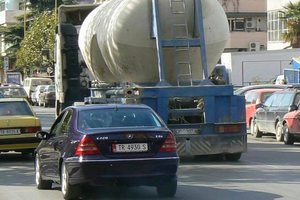
Veliaj's gross mistake/ Concrete mixers "invade" the streets of Tirana
The problem with the circulation of heavy vehicles on the ...

The problem with the circulation of heavy vehicles on the ...

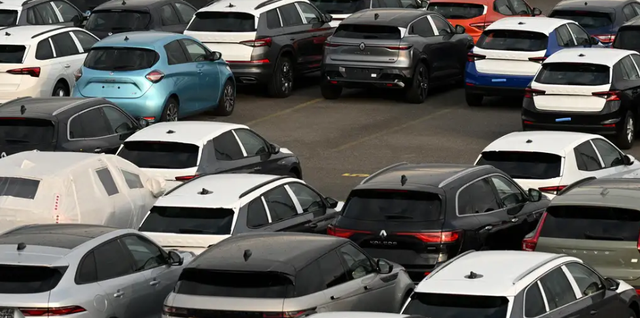
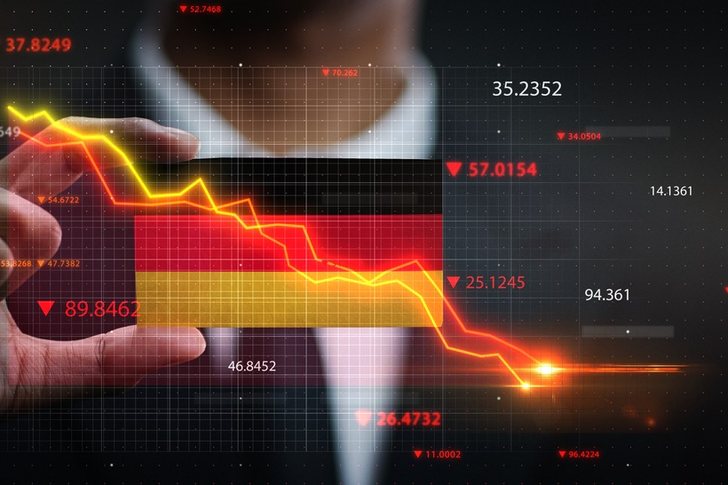
The German economy has had major problems in the past year. It has contracted for the second year in a row. The recession continues, but why?
Julian Gamper is under pressure. He not only works in his own company, but together with his brother Axel, he runs the family business that produces heating components. "Even as a child I spent weekends in the company with my father."
"We knew how to disassemble, measure and inspect the equipment," the 63-year-old says with a smile. But his face quickly turns serious: "Since then we have had major crises in every decade, from the oil crisis in the 1970s to the financial crisis."
The mid-sized company, like the entire German economy, has had another difficult year. Gamper says he can't boast about his company's business balance for 2024, and he suspects that "2025 will be just as weak as 2024."
For this situation, among other things, he blames the failed German government and the failed law on the renovation of heating systems in residential buildings, also known as the "heating law". This is a frightening example of excessive regulation, the entrepreneur points out.
This law stipulates that all old heating systems, mainly those using oil and gas, must be replaced with climate-neutral systems within a certain period of time. This has caused great anger among the population because of the costs and obligations. "All this confused people and now no one knows which direction to go," explains Julian Gamper.
He also complains about other factors that, according to him and many of his fellow entrepreneurs, have led to the current problems in the German economy. These include, for example, high energy costs, a shortage of skilled labor and high taxes, he explains. He hopes that there will be a change of power in Berlin and expects the new government to have more faith in German businesses: "They just have to let us work."
Many medium-sized companies in Germany share a similar view. According to a survey by the Ifo Institute, around a third of these companies expect the situation to worsen this year. The figures prove that they are right in this negative forecast. Gross domestic product in Germany fell by 0.2 percent last year, according to the Federal Statistical Office. In 2023, this decline was 0.3 percent. The last time such a negative development was recorded for two consecutive years was in 2002 and 2003. The head of the statistical office, Ruth Brand, explains that economic growth last year was held back by cyclical and structural pressures: "These include increasing competition for German exports on international markets, high energy costs, persistently high interest rates, but also the uncertain economic outlook."
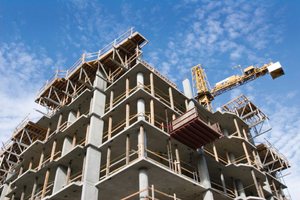
In addition to the poor state of the construction and retail sectors, the German economy has been hit by political uncertainties – from Russia's war against Ukraine to the federal government's budget turbulence and the collapse of the three-party coalition.
Many companies are cautious about investments because the outcome of the early parliamentary elections to be held at the end of February is unknown. Therefore, the future conditions of the economic and political framework are also unknown.
The Organization for Economic Co-operation and Development (OECD) in its forecasts for Germany assumes that Europe's largest economy will grow this year as slowly as other industrialized economies. Even domestic economic experts are counting on a minimal increase of 0.2 percent at best.
So what should policymakers do for the German economy? The Munich-based Ifo Institute is calling for a fundamental reform of the German tax system by the new government after the election. "Businesses need impulses for investment and growth."
"On the other hand, many rules, exemptions and privileges should be abolished, because they lead to more bureaucracy and hinder growth," says ifo president Clemens Fuest.
He refers to low- and middle-income families, stating that tax reform should make their lives easier and make work more attractive.
Entrepreneur Julian Gamper wants to wait carefully until 2026, because, as he says, coalition negotiations and new laws will take time. It is important, he emphasizes, that the federal government is still willing to listen to the opinions of economists: "Global companies are not the backbone of our economy, but medium-sized businesses." The new government must remember this - and act accordingly. / DW

Agricultural dams in the country are expected to undergo f...
Since 2018, an average of 1.2 million square meters of bui...
Today, January 20, 2025, in the foreign exchange market, t...

Today, January 19, 2025, in the foreign exchange market, t...
The main factors that will influence the price increase re...
Today, January 18, 2025, in the foreign exchange market, t...
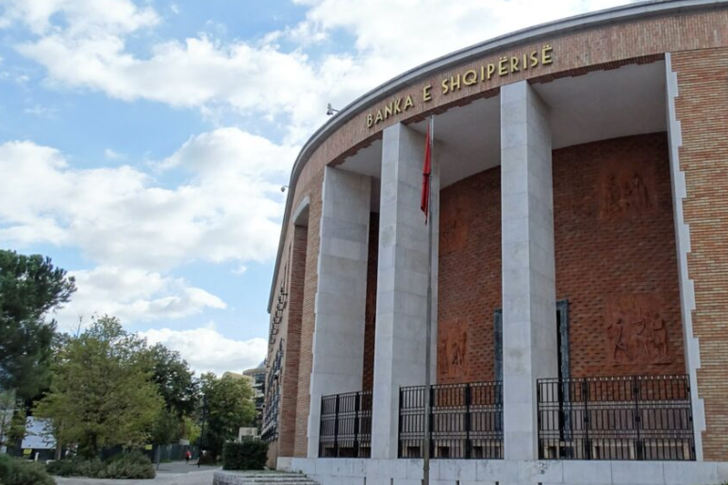
During the past year, the record of 2023 was exceeded....
Today, January 17, 2025, in the foreign exchange market, t...
The launch of the new system for determining compulsor...
Armed conflict, extreme weather and disinformation hav...
Today, January 16, 2025, in the foreign exchange market, t...
Germany's economy, which is also the largest in Europe, ha...
In the new draft cooperation strategy with Albania 202...

High apartment prices and low incomes of Albanians con...
Today, January 15, 2025, in the foreign exchange market, t...
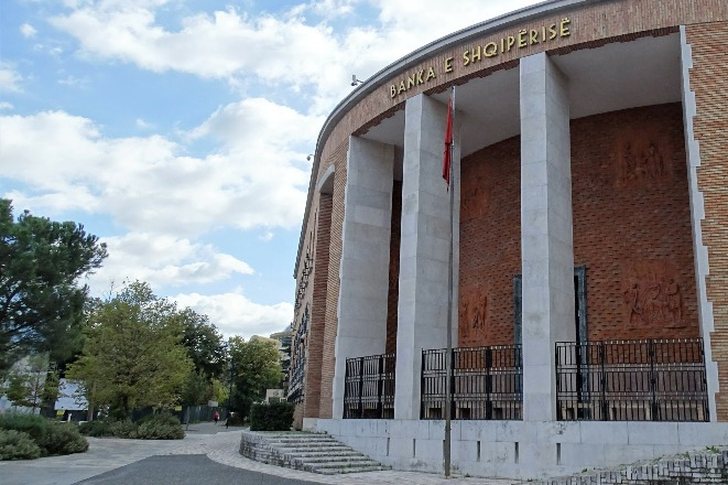
The Bank of Albania has prepared regulatory changes th...
Today, January 14, 2025, in the foreign exchange marke...

Today, on January 13, 2025, in the foreign exchange ma...
Today, on January 12, 2025, in the foreign exchange ma...
Today, on January 11, 2025, in the foreign exchange market...

CNA has launched another investigation that could lead to ...

Irfan Hysenbelliu is a businessman that we call "Irfan the...

In March 2026, CNA launched another investigation centered...
The arrested mayor of Tirana, Erion Veliaj, with 13 charge...

The Special Board of Appeal (KPA) decided this Monday ...

The KPA vetting decided this Thursday to dismiss the p...

Suela Salavaçi, a prosecutor in the Prosecutor's Offic...

The Special Board of Appeal reinstated the prosecutor ...

New details have emerged regarding the accident that occur...

New details have emerged from the serious accident that oc...
A serious accident occurred this Wednesday on the Elbasan-...

Citizen MH, 61, a fisherman, was found dead near the islan...
A serious accident that occurred this Wednesday with the c...

The Institute of Geosciences has shared a forecast for wea...
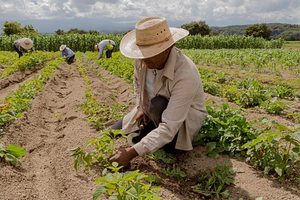
Rising energy and fertilizer prices are expected to contin...
Over 18,000 foreign citizens from 140 countries have appli...
US President Donald Trump has issued another warning to Ir...
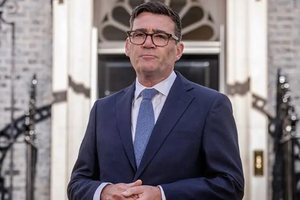
Prime Minister Andy Burnham has announced that most bus fa...

France's parliament has passed a law to ban social media f...

US Secretary of State Marco Rubio arrived in Manila on Jul...

At a time when industrial products are increasingly taking...

Trust among people is not just a three-syllable word. It c...
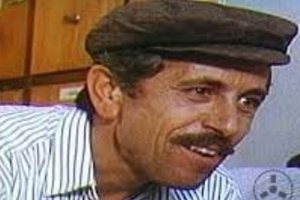
Master of humor Todi Llupi has passed away at the age of 7...
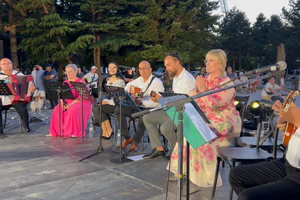
The ninth edition of "MIK Festival" kicked off with one of...
Businesses will no longer be required to simply register t...

Despite economic growth and income in recent years, Albani...
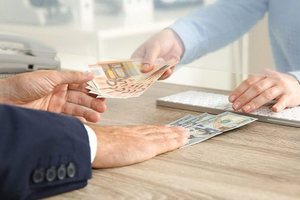
This Wednesday, one US dollar is bought for 81.4 lek and s...
Construction company licenses will have a validity period ...