

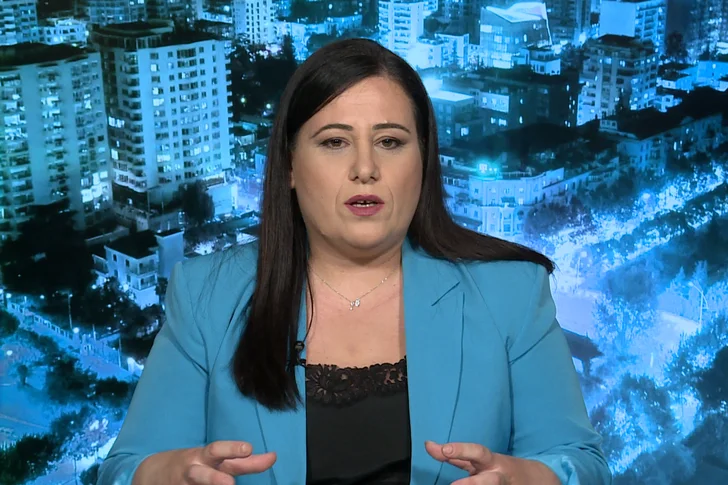
Journalist: Unjust dismissals will cost the state budget 127 million euros
Journalist Dorina Azo has stated that unfair dismissals fr...


 The economic consequences are complex and dynamic (in part due to the psychology of consumers and entrepreneurs), but roughly, more as a trend than as a quantitative assessment, it can be said: The
biggest winners
1. The biggest winner is the government: the government has over €5.5 billion in foreign currency debt that today 'costs' cheaper. The government has revenues in lek which it converts into euro to pay the debt, and today it needs about 20% less lek than a year and a half ago to pay the external debt. De facto, only from currency devaluation, the country's external debt has been 'reduced' by around €1 billion.
2. One, two, three oil importers (oil import is a monopoly/duopoly/oligopoly)—they import at least €600 million of fuel per year, which now costs 20 percent less (in lek) to buy. The selling price of fuel has not changed, so just from the strengthening of the lek, the profits of fuel importers have increased by around €150 million per year.
3. Importers in general: the cost (in Lek) of purchasing goods in foreign markets has decreased by approximately 20%, while their income from sales has increased (prices have remained unchanged or increased). Therefore, importers' profits may have increased by approximately 20% from the exchange rate alone. The country's total imports are around €8.5 billion per year.
4. Albanian tourists abroad: vacations of Albanians abroad are about 20 percent cheaper in lek. It should be borne in mind that Albanians spend in a year on tourism abroad almost as much as foreigners spend on tourism in Albania. Due to the devaluation of currencies, today it is relatively cheaper to take a vacation outside Albania than in Albania compared to a year ago.
5. Borrowers in euros: all those who have received loans in euros and the conditions or interest have not been changed/structured. Among them, the main beneficiaries are large borrowers who usually take loans in euros (consumers usually take loans in Lek).
The Biggest Losers
1. Albanian immigrants: their remittances (approximately €850 million in 2022) have lost 20 percent of their purchasing power—for example, €850 million today buys roughly as much as €680 million in 2021. About 26 percent of households Albanians live completely or partially on remittances from immigrants and have been significantly affected by the strengthening of the lek.
2. Exporters: revenues in lek of exports have fallen, including the revenues of agricultural products that Albanian farmers have managed to export to foreign markets. Their production costs are in Lek, so the income of the exporters has decreased by approximately 20%. For some, this situation is a risk of bankruptcy. In 2022, Albania exported around €4.5 billion.
3. Foreign tourists and Albanian tourism: tourism in Albania has practically become 20 percent more expensive. Tourism revenues were around 1 billion euros in 2022; this year, to get the same level of services, tourists must spend at least 200 million euros more.
4. Anyone who is paid in euros: local residents and foreigners who have their salaries or income in euros, including landlords with contracts in euros. An important group are the foreign diplomats in Tirana, who now have personal reasons to denounce (to their bosses) the main cause of the devaluation of their currencies against the lek.
 Winners or losers not yet determined:
1. The banking sector: it is difficult to assess the net impact on the banking sector as it operates both in Lek and foreign currency.
2. The energy company (KESH or as it is now) which imports and exports energy depending on the present factors, including rainfall in the country (avoiding the fact that a large part of its sales-purchase decisions are made on non-economic considerations and not of public interest)./ CNA

Journalist Dorina Azo has stated that unfair dismissals fr...
Sot më 19 korrik 2023, dollari amerikan blihet me 89.7 lek...
Today, July 18, 2023, the US dollar is bought at 89.6 ALL ...
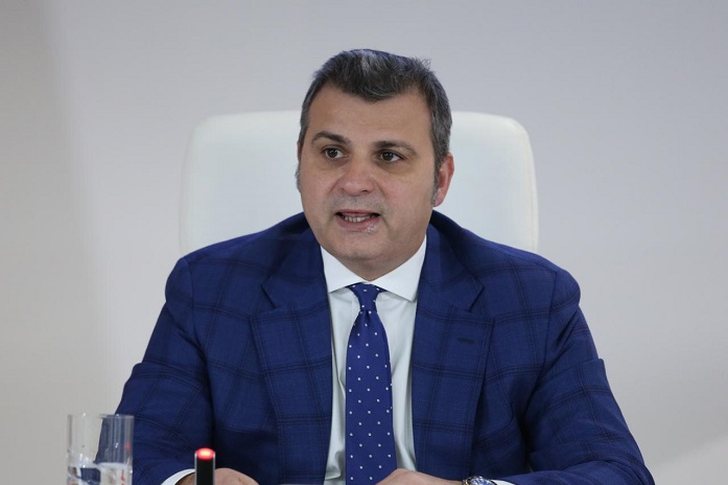
The governor of the Bank of Albania, Genc Sejko, has calle...
Today, on July 10, 2023, the US dollar is bought at 94.6 A...
Today, on July 7, 2023, the US dollar is bought at 95.2 AL...
Today, on July 5, 2023, the US dollar is bought at 95.5 AL...
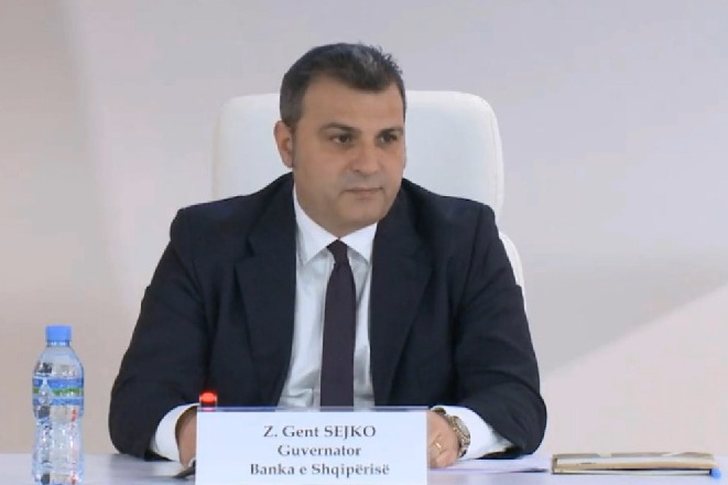
The governor of the Bank of Albania, Gent Sejko, was a...
Inflation in Albania has fallen. This was announced by...
Today, on July 5, 2023, the US dollar is bought at 95 ALL ...
Ministrja e Financave, Delina Ibrahimaj, foli mbrëmjen e s...
Germany's total debt has never been higher - it reached a ...
Throughout 2023, we have seen a significant devaluation of...
Today, on July 4, 2023, the US dollar is bought at 96 ALL ...
Today, on June 30, 2023, the US dollar is bought at 97.2 A...
The European Commission presented this Wednesday a dra...
The Financial Supervision Authority in the latest report s...
Gjiganti bankar zviceran UBS po përgatitet të shkurtojë 35...
Sot, më 27 qershor 2023, dollari amerikan blihet me 97.4 l...
Russia opened financial markets on Monday, with the ruble ...

CNA has launched another investigation that could lead to ...

Irfan Hysenbelliu is a businessman that we call "Irfan the...

In March 2026, CNA launched another investigation centered...
The arrested mayor of Tirana, Erion Veliaj, with 13 charge...

The Special Board of Appeal (KPA) decided this Monday ...

The KPA vetting decided this Thursday to dismiss the p...

Suela Salavaçi, a prosecutor in the Prosecutor's Offic...

The Special Board of Appeal reinstated the prosecutor ...

Footage emerges from the serious accident that occurred th...

A Shkodra traffic police officer was hit with hard objects...

This Wednesday, around 4:00 PM, a serious accident occurre...

Tirana Police have shared details regarding the accident t...

On Thursday, our country will be under the influence of st...
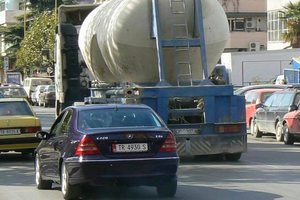
A serious accident that occurred this Wednesday with the c...

The Institute of Geosciences has shared a forecast for wea...
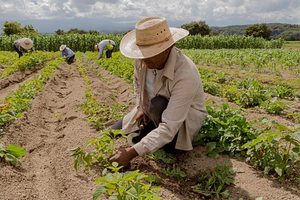
Rising energy and fertilizer prices are expected to contin...

Artificial intelligence (AI) models from the American comp...

At least 10 people have died after a fire broke out in a h...
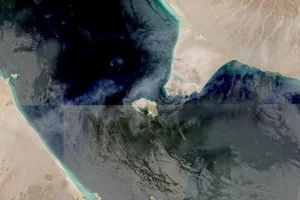
Yemen's Houthis have claimed to have attacked two Saudi oi...

The trial of ousted Venezuelan President Nicolas Maduro on...

At a time when industrial products are increasingly taking...

Trust among people is not just a three-syllable word. It c...

Master of humor Todi Llupi has passed away at the age of 7...

The ninth edition of "MIK Festival" kicked off with one of...
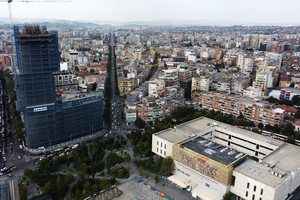
The average sale price of apartments in Tirana reaches rec...
This Thursday, one US dollar is bought for 81.5 lek and so...
The price of diesel reached 206 lek per liter from 198 lek...

Businesses will no longer be required to simply register t...