

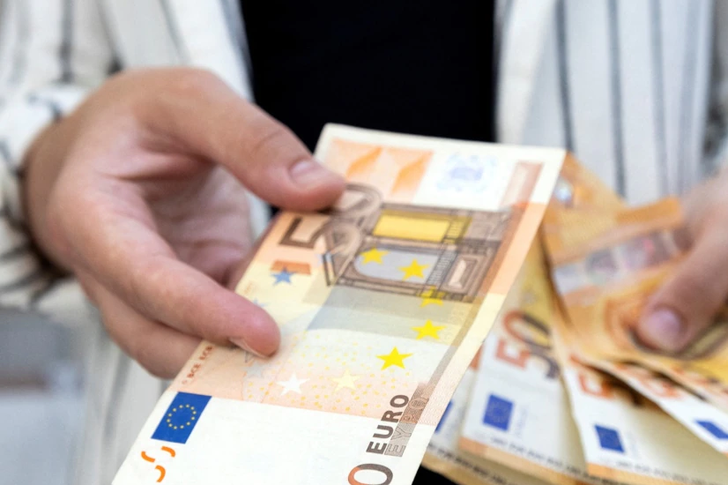
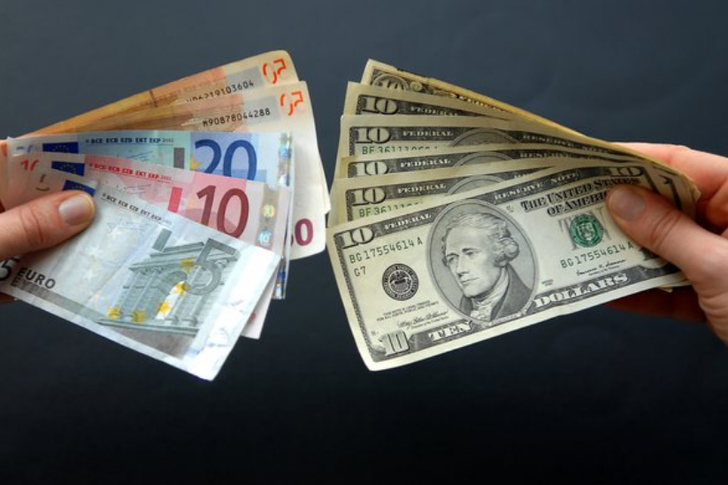
The devaluation of the euro and the strengthening of the lek/ Ibrahimaj, worried
Throughout 2023, we have seen a significant devaluation of...



Germany's total debt has never been higher - it reached a record level at the end of the first quarter of this year. According to the Federal Statistics Agency, the main reason for this high debt is above all the increase in expenses in the fight against the energy crisis, but there are other reasons as well.
The total debt of the state at the federal level, at the level of the states and municipalities, including the social security debt, reached in the first quarter of the year to about 2,406.6 billion euros. That was the debt on March 31. Compared to the end of 2022, this means an increase of 1.6 percent, or about 39 billion euros more.
Only the debt of the federal state in the first three months of this year has increased by 2.4 percent, to about 1.660 billion euros. The Federal Statistics Office announced that the increase in debt was mainly the result of "increased financing needs, as a result of the current energy crisis, which is also related to Russia's mega-aggression against Ukraine".
Billions for energy and price containment
About 200 billion euros have been reserved for the so-called curbing of gas prices and financial support for energy suppliers. Therefore, the increase in debt is mainly the result of additional budgets created for this purpose, the so-called special property.
In November last year, the Energy Economic Stabilization Fund was established. This special fund only in the first three months of this year led to an increase in public debt by 73 percent - by 22 billion euros to a total of 52 billion euros, the Reuters news agency reported. Also, the debt for mitigating the consequences of the pandemic increased by 53 billion euros and a special fund was created with expenses of 802 million euros for the needs of the German Bundeswehr.
Debts have decreased the most in Bavaria
When it comes to the German lands, there was a slight decrease in debt by 0.5 percent to a total of 604 billion euros. Bavaria reduced its debts the most, by 16.8 percent to around 32.45 million euros. North Rhine-Westphalia has the largest debt – but this land also has the largest number of inhabitants. In this period, this country had about 3 percent more debts than a year ago - with a total of 236 million euros.
On average, this means a debt of 13,065 euros per capita in Germany.
While in the municipalities, unlike the states, debts have increased by 1.9 percent to a total of 143 billion euros./ DW

Throughout 2023, we have seen a significant devaluation of...
Today, on July 4, 2023, the US dollar is bought at 96 ALL ...
Today, on June 30, 2023, the US dollar is bought at 97.2 A...

The European Commission presented this Wednesday a dra...
The Financial Supervision Authority in the latest report s...
Gjiganti bankar zviceran UBS po përgatitet të shkurtojë 35...

Sot, më 27 qershor 2023, dollari amerikan blihet me 97.4 l...
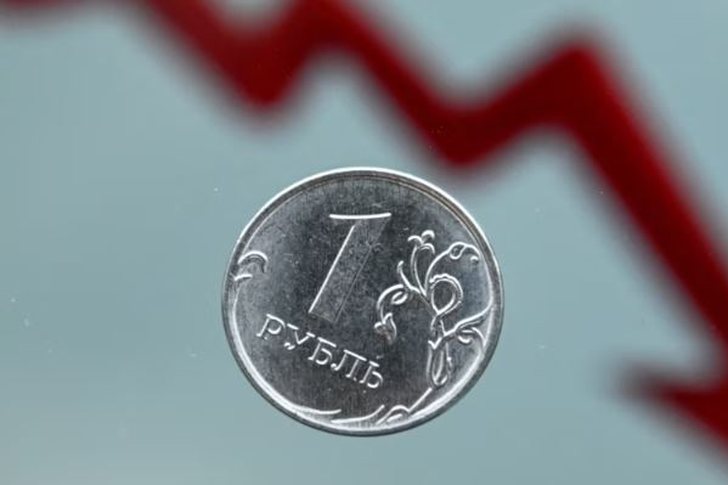
Russia opened financial markets on Monday, with the ruble ...
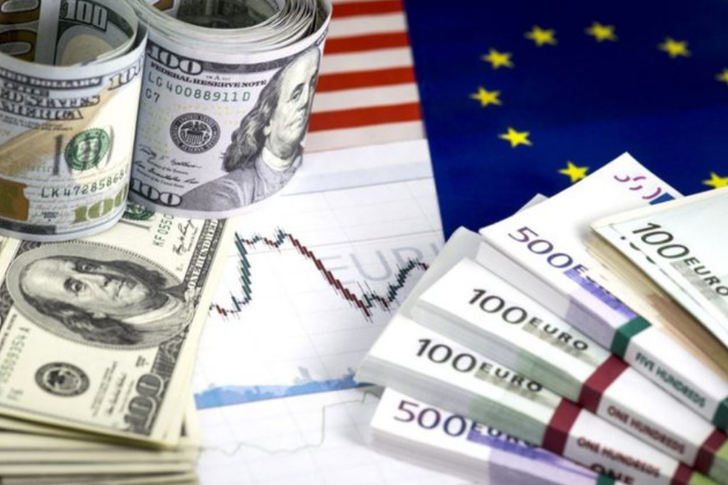
Today, on June 26, 2023, the US dollar is bought at 97.6 A...
Sot, më 25 qershor 2023, dollari amerikan blihet me 97. le...
Sot, më 23 qershor 2023, dollari amerikan blihet me 96.8 l...

The opposition recorded a deep defeat in the local ele...
Today, on June 22, 2023, the US dollar is bought at 97.2 A...
A team of the International Monetary Fund (IMF), headed by...
The International Monetary Fund has published a statement ...
Sot, më 21 qershor 2023, dollari amerikan blihet me 97.4 l...
Today, on June 20, 2023, the US dollar is bought at 98 ALL...
Sot, më 19 qershor 2023, dollari amerikan blihet me 98.3 l...

Economist Dritan Shano has commented on INSTAT's report on...
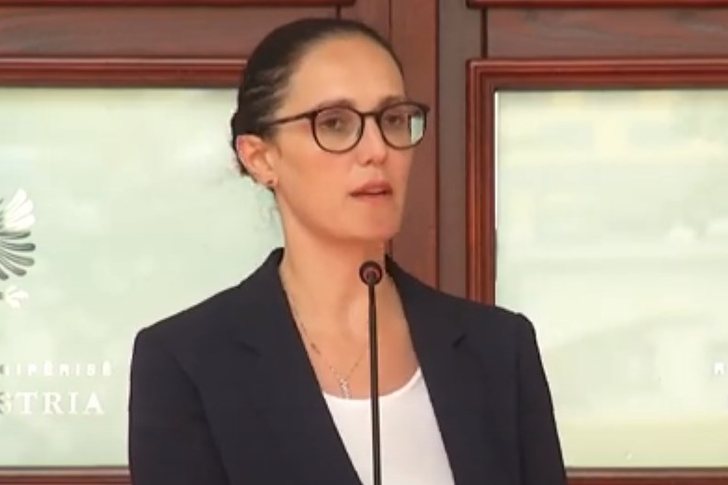
The Minister of Finance, Delina Ibrahimaj, announced t...

CNA has launched another investigation that could lead to ...

Irfan Hysenbelliu is a businessman that we call "Irfan the...

In March 2026, CNA launched another investigation centered...
The arrested mayor of Tirana, Erion Veliaj, with 13 charge...

The Special Board of Appeal (KPA) decided this Monday ...

The KPA vetting decided this Thursday to dismiss the p...

Suela Salavaçi, a prosecutor in the Prosecutor's Offic...

The Special Board of Appeal reinstated the prosecutor ...

Footage emerges from the serious accident that occurred th...

A Shkodra traffic police officer was hit with hard objects...

This Wednesday, around 4:00 PM, a serious accident occurre...

Tirana Police have shared details regarding the accident t...

On Thursday, our country will be under the influence of st...

A serious accident that occurred this Wednesday with the c...

The Institute of Geosciences has shared a forecast for wea...

Rising energy and fertilizer prices are expected to contin...

Artificial intelligence (AI) models from the American comp...

At least 10 people have died after a fire broke out in a h...

Yemen's Houthis have claimed to have attacked two Saudi oi...

The trial of ousted Venezuelan President Nicolas Maduro on...

At a time when industrial products are increasingly taking...

Trust among people is not just a three-syllable word. It c...

Master of humor Todi Llupi has passed away at the age of 7...

The ninth edition of "MIK Festival" kicked off with one of...

The average sale price of apartments in Tirana reaches rec...

This Thursday, one US dollar is bought for 81.5 lek and so...
The price of diesel reached 206 lek per liter from 198 lek...

Businesses will no longer be required to simply register t...