


"He is taking the money of crime out of the country"/ Vokshi: We will demand an investigative commission for Rama's travels
MP Albana Vokshi has announced that the opposition will re...

MP Albana Vokshi has announced that the opposition will re...


The exposure of the banking sector in real estate loans reached 342 billion ALL or almost 3.3 billion euros at the end of last year.
According to Bank of Albania statistics, the total value of real estate loans increased by almost 23% during 2023. This figure includes both customer segments, businesses and individuals. The majority of the portfolio belongs to individuals, with approximately 53% of the total exposure in loans for real estate, while the difference of 47% is the loan granted to businesses. Currently, real estate loans make up 48% of the total loan portfolio granted to the private sector of the economy.
In recent years, the banking sector has significantly increased the loan portfolio for properties, both for businesses and for individuals. It is estimated that lending has been a very important factor in supporting demand in the real estate market. But, on the other hand, this has also increased the exposure of the banking sector against the performance of the real estate market.
In the vast majority of cases, loans for real estate are secured with properties left as collateral in favor of banks (in the most typical case, the property itself purchased with a loan). A potential crisis in the real estate market would reduce the value of collateral and expose banks to the risks of loan losses.
In October last year, the Bank of Albania approved the regulation "On data reporting, identification and monitoring of indicators on lending and investments for real estate". According to the Bank of Albania, this regulation formalizes, standardizes and expands the data collected by banks and lending entities regarding the indicators of the standards they use for exposure to residential and commercial real estate. Also, the regulation offers the possibility for the Bank of Albania to use these indicators as macroprudential policy instruments, when necessary to mitigate the risks associated with these exposures if they are assessed at high levels.
In the case of residential real estate loans, lending entities must provide the necessary details and data classifications for each such loan in order to identify and monitor indicators of their exposure to the residential real estate market. .In the last statement of January 2024, the International Monetary Fund (IMF) suggested to the Bank of Albania the establishment of a countercyclical capital increase for the banking sector. In the statement, the Executive Board of the IMF estimated that the imposition of a countercyclical addition to the capital adequacy ratio for commercial banks could be considered in the medium term, to further strengthen financial stability.
The regulation "On macroprudential capital additions", approved by the Bank of Albania in 2019, foresees, among other things, the possible application of a countercyclical addition, as an instrument to curb an excessively rapid increase in lending to the economy.
Until now, the Bank of Albania has not applied a countercyclical capital supplement and this was also confirmed in the last decision of the Governor, dated December 27, 2023.
The decision to add such an allowance is made by the Governor of the Bank of Albania with a quarterly frequency, based on the analysis of the deviation of the ratio of credit to GDP to the long-term average. According to the regulation, the basic criterion for the application of a countercyclical allowance would be the deviation of the credit-to-GDP ratio from the long-term average by more than two percentage points. The most recent level of -8.12% is still far from this threshold.
However, as a complement to this primary indicator in the decision-making of the Bank of Albania, several other elements, grouped under the early warning indicator and which signal developments in lending and non-financial assets, specifically the real estate market, serve.
This includes the annual increase in bank credit, the annual change in real estate bank credit, the annual change in the housing price index and the annual change in the housing price index to rental value. These indicators are summarized in the Early Warning Indicator (TPHP) index. At the end of the third quarter of 2023, the value of the TPHP index was 0.51, increasing from the value of the preceding quarter (0.49) and slightly above the comparative threshold value (0.5).
The suggestions for the application of a countercyclical rate by the IMF seem to be based precisely on the early warning indicators and mainly on the developments in the real estate market and the credit given by the banks to finance their purchase./ Monitor Magazine


Today, on March 11, 2024, in the foreign exchange market, ...

Today, on March 10, 2024, in the foreign exchange mark...
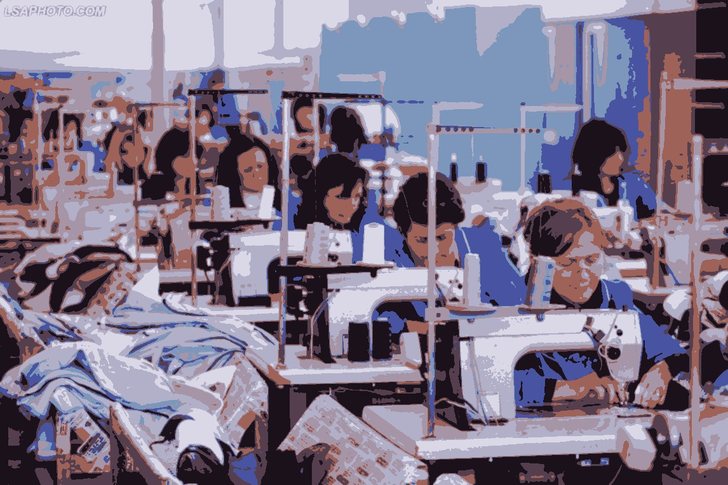
Nazmia has been working in the textile sector since 2017, ...
Today, March 9, 2024, in the foreign exchange market, ...

Arrears in December 2023 have decreased to ALL 7.85 billio...
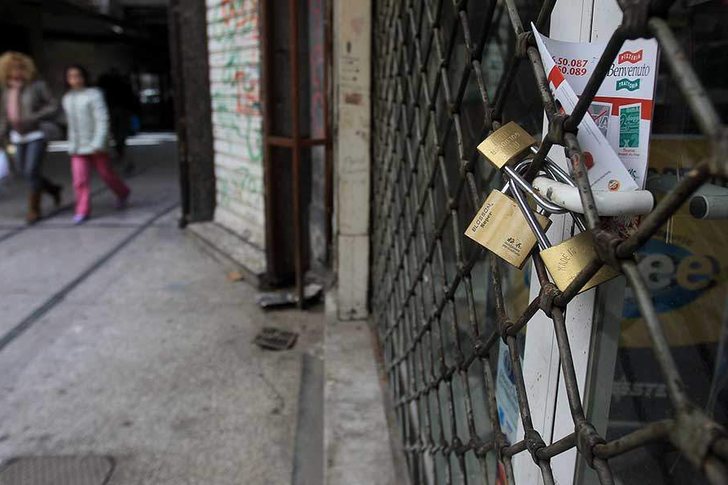
While Albania has for years facilitated the procedures for...

Today, March 8, 2024, in the foreign exchange market, the ...
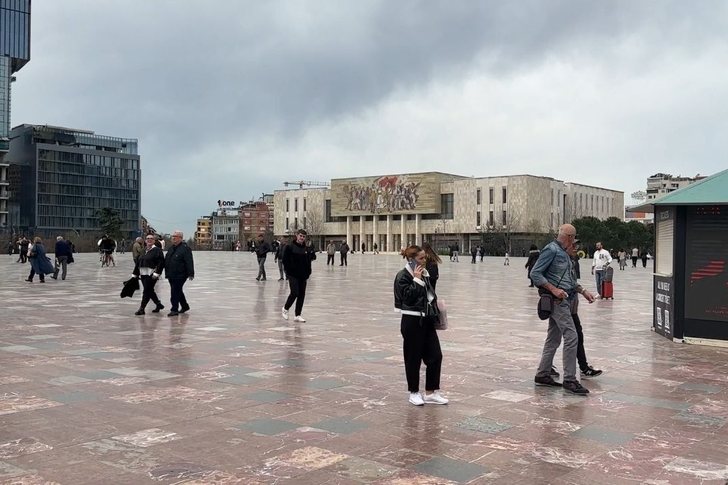
The high flow of tourists in Albania has not stopped even ...

It's March 8, women's day. The balance over the years show...

Po ta dinin që 7 Marsi 1887, i cili shënon hapjen e Shkoll...

Today, March 7, 2024, in the foreign exchange market, the ...
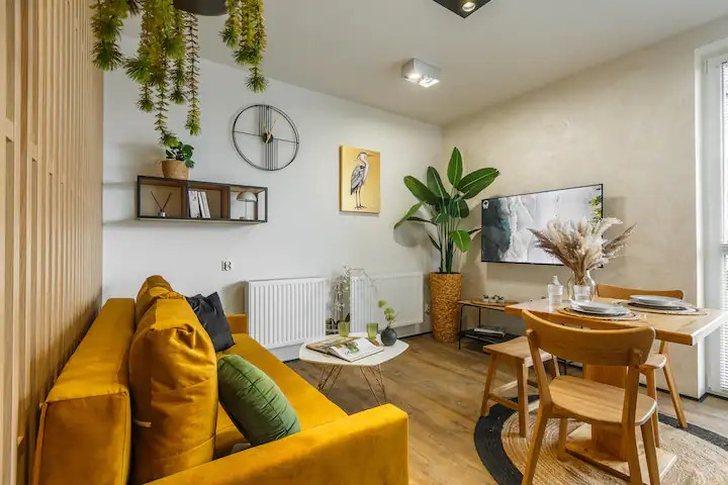
Any individual who rents out rooms, apartments or vill...

Today, March 6, 2024, in the foreign exchange market, the ...

Our country allocates much less funds from the general bud...
Today, March 5, 2024, in the foreign exchange market, the ...
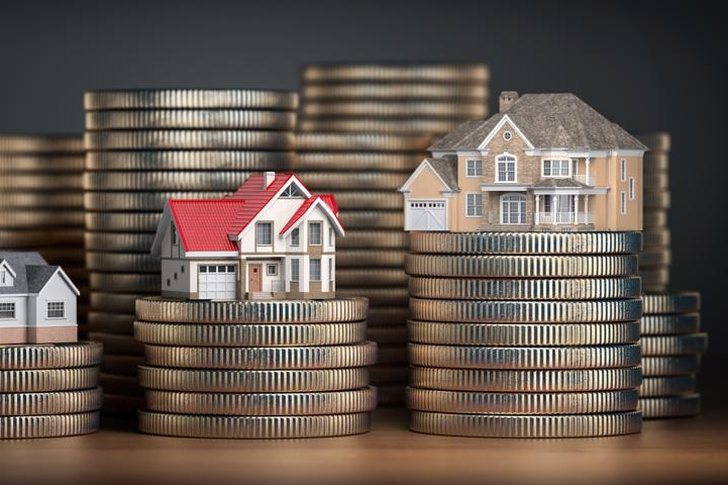
If there is one business that has been doing well in recen...

Today, on March 4, 2024, in the foreign exchange market, t...
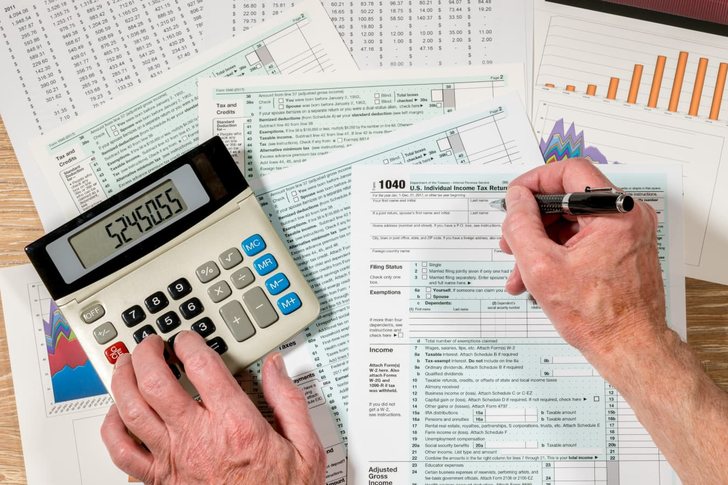
The country's economy has accelerated growth rates after t...

Months after the end of last year's tourist season, consum...
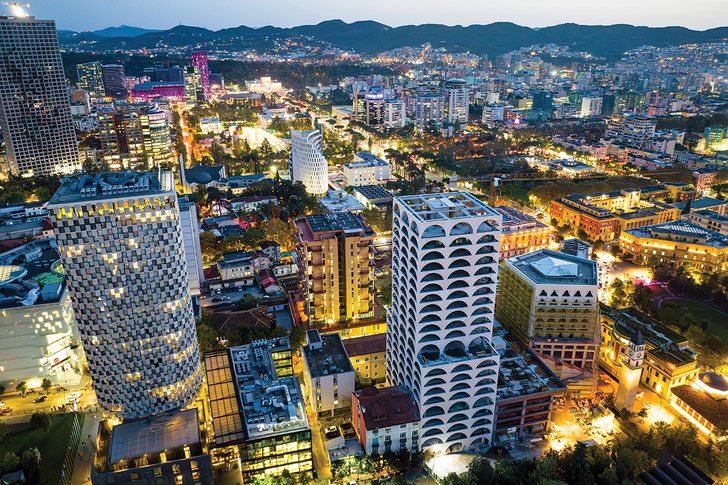
Apartment prices in Tirana are only getting more expensive...

CNA has launched another investigation that could lead to ...

Irfan Hysenbelliu is a businessman that we call "Irfan the...

In March 2026, CNA launched another investigation centered...
The arrested mayor of Tirana, Erion Veliaj, with 13 charge...

The Special Board of Appeal (KPA) decided this Monday ...

The KPA vetting decided this Thursday to dismiss the p...

Suela Salavaçi, a prosecutor in the Prosecutor's Offic...

The Special Board of Appeal reinstated the prosecutor ...
A serious incident has occurred in Morina, Kukes. Citizen...

The bad weather that swept the country on Tuesday evening ...

A road accident occurred this evening on Nikolla Zoraqi St...

Three people were shot and wounded in Elbasan last night b...

This Wednesday, our country will be under the influence of...
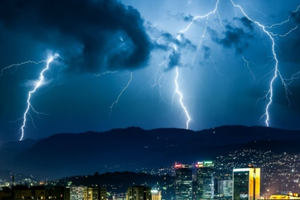
All of Southern Europe will face changing weather conditio...
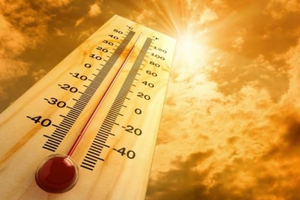
Albania was hit by temperatures significantly higher than ...

For the first time, Pogradec welcomed the Inter-Lake Chess...

Prime Minister Andy Burnham has announced that most bus fa...

France's parliament has passed a law to ban social media f...

US Secretary of State Marco Rubio arrived in Manila on Jul...

In the space of a few days, Ukrainian President Volodymyr ...

At a time when industrial products are increasingly taking...

Trust among people is not just a three-syllable word. It c...

Master of humor Todi Llupi has passed away at the age of 7...

The ninth edition of "MIK Festival" kicked off with one of...

Businesses will no longer be required to simply register t...

Despite economic growth and income in recent years, Albani...

This Wednesday, one US dollar is bought for 81.4 lek and s...

Construction company licenses will have a validity period ...