

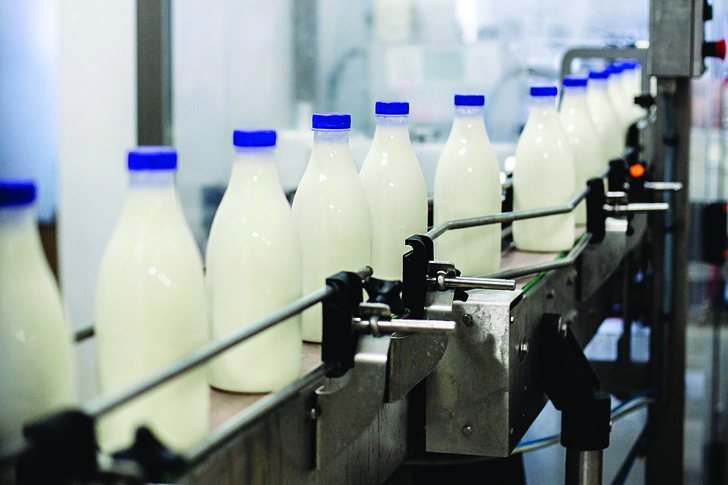
Milk imports for the 9-month increased by 27%/ Processors: Domestic production does not guarantee quantity due to the closure of small farms
Milk processing plants continue to increase milk imports f...


The increase in interest rates on loans can translate into an increased credit risk for the banking sector.
In the latest financial stability report, the Bank of Albania assesses that, under the conditions of the possibility of further interest rate increases and the impact of higher rates on borrowers' solvency.
For this reason, the Bank of Albania suggests that banks should maintain caution against the possibility of transferring interest rate risk to credit risk.
Most of the long-term loans and part of the medium-term ones granted by the banking sector are built on a variable interest rate.
This rate consists of a reference indicator (benchmark) and a fixed margin applied above this rate. Since the benchmark indicators are variable to reflect the changes in interest rates in the financial markets, the total interest rate of loans also changes periodically.
For loans in Lek, the most common benchmark indicator is the yield of 12-month treasury bonds, while for loans in Euro it is the 12-month Euribor.
Last year, the blow for borrowers with variable interest rates came especially in the Lek currency, due to the strong increase in yields, especially in the second half of the year.
In November last year, the yield on these instruments reached 5.83%, the highest level in nearly a decade. However, during this year bond yields have suffered a continuous decline and are currently very close to the level of the basic interest rate.
The risk from interest rates this year has come especially from Euro loans. The European Central Bank has continued this year to raise interest rates aggressively and has brought them to the highest historical levels.
This is also reflected in a continuous increase in Euribor. Currently, the 12-month Euribor is around 4.2%, near a 15-year high.
This rate is forwarded to the interests of credits with variable interest rates in Euro, which until last year generally had a higher fixed margin component, given that the Euribor until the beginning of 2022 was at negative levels.
However, the negative effect of the increase in interest rates has been compensated by the strengthening of the Lek in the exchange rate, at least for those borrowers whose income is in the local currency.
Currently, the appreciation of the Lek on an annual basis is slightly lower than 10%, but during the summer the appreciation reached the limits of 15%. This strengthening of the Lek has protected borrowers with income in Lek and loans in Euro from the increase in interest rates.
However, not all borrowers with loans in Euro have income in Lek. For borrowers with income in foreign currency, especially for exporting entities, the increase in interest rates for loans in euros has been an additional blow, attached to the devaluation of the Euro against the Lek.
Data from the Bank of Albania show that problem loans this year have an increasing tendency, although this increase has been smaller than expectations.
The ratio of non-performing loans during the first half of the year increased by 0.2 percentage points, to the level of 5.2% (while by the end of August it has further increased to 5.3%).
While the stock of problem loans expanded by about ALL 1.3 billion and at the end of June it stood at about ALL 37 billion./ Monitor magazine

Milk processing plants continue to increase milk imports f...
Today, on October 19, 2023, the US dollar is bought at...
Të mërkurën, qeveria vendosi që nëpërmjet një akti nor...
Today, on October 18, 2023, the US dollar is bought at 99....
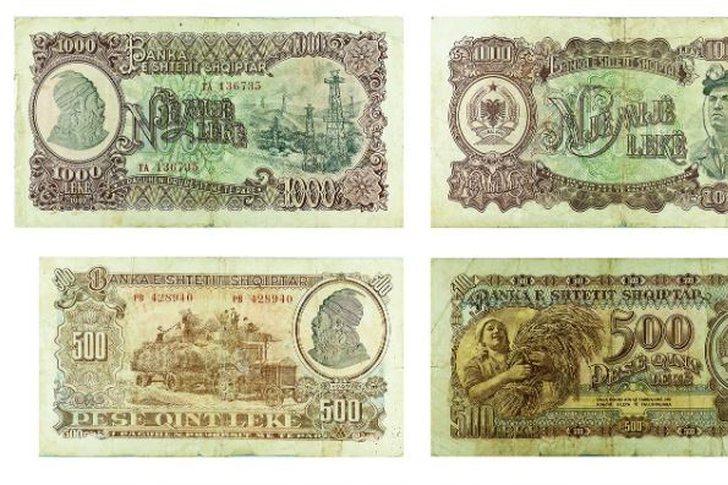
The Bank of Albania has put into circulation the series of...
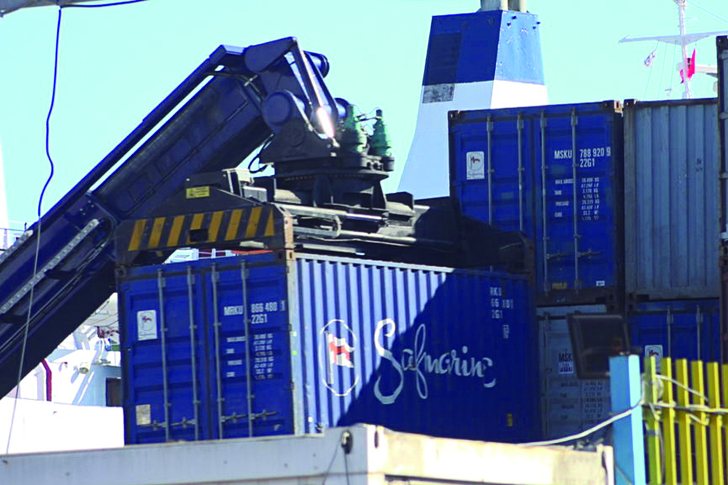
Exports have continued their downward trend for the ei...
Sot, më 17 tetor 2023, dollari amerikan blihet me 99.8...

The draft law "On the taxation of real estate" submitted f...
Today, on October 16, 2023, the American dollar is bou...
The President of the European Commission, Ursula von d...

Today, on October 15, 2023, the US dollar is bought at...
Today, on October 14, 2023, the US dollar is bought at 99....
Known mechanisms are activated in the world stock markets ...
Today, on October 12, 2023, the US dollar is bought at 99....
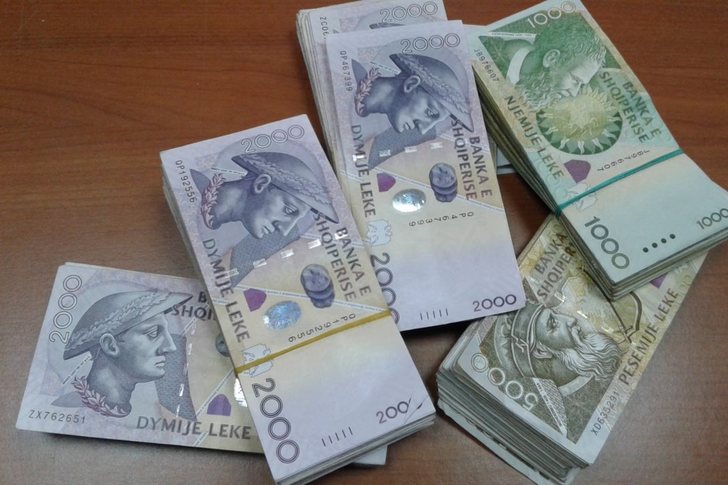
The strengthening of the lek has shrunk the loan portfolio...
Today, on October 12, 2023, the US dollar is bought for 99...

Like the country's population, the number of Albanian fami...
Today, on October 10, 2023, the US dollar is bought at 99....
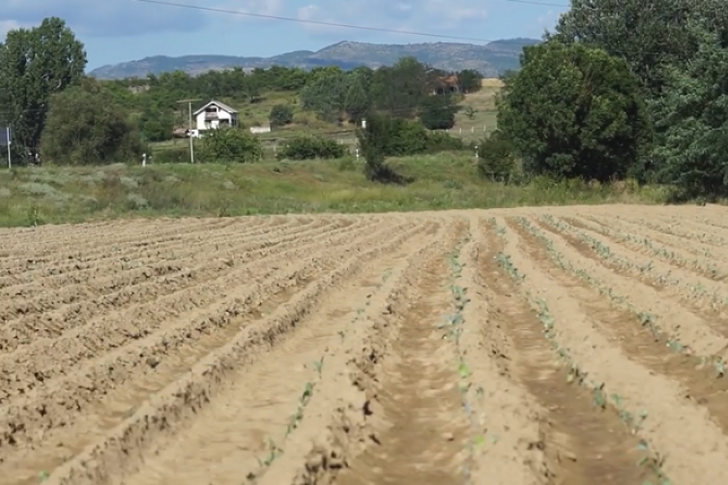
The new law on real estate taxation also provides for an i...
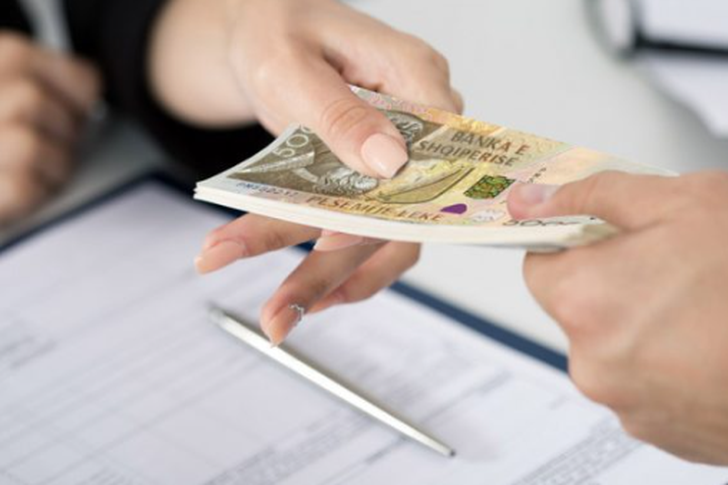
The Bank of Albania announced that the ratio of non-perfor...

CNA has launched another investigation that could lead to ...

Irfan Hysenbelliu is a businessman that we call "Irfan the...

In March 2026, CNA launched another investigation centered...
The arrested mayor of Tirana, Erion Veliaj, with 13 charge...

The Special Board of Appeal (KPA) decided this Monday ...

The KPA vetting decided this Thursday to dismiss the p...

Suela Salavaçi, a prosecutor in the Prosecutor's Offic...

The Special Board of Appeal reinstated the prosecutor ...

Footage emerges from the serious accident that occurred th...

A Shkodra traffic police officer was hit with hard objects...

This Wednesday, around 4:00 PM, a serious accident occurre...

Tirana Police have shared details regarding the accident t...
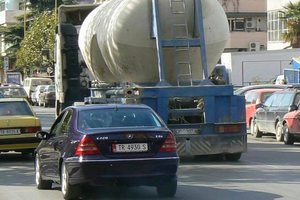
A serious accident that occurred this Wednesday with the c...

The Institute of Geosciences has shared a forecast for wea...

Rising energy and fertilizer prices are expected to contin...

Over 18,000 foreign citizens from 140 countries have appli...

The trial of ousted Venezuelan President Nicolas Maduro on...

US President Donald Trump has issued another warning to Ir...

Prime Minister Andy Burnham has announced that most bus fa...

France's parliament has passed a law to ban social media f...

At a time when industrial products are increasingly taking...

Trust among people is not just a three-syllable word. It c...

Master of humor Todi Llupi has passed away at the age of 7...

The ninth edition of "MIK Festival" kicked off with one of...
The price of diesel reached 206 lek per liter from 198 lek...

Businesses will no longer be required to simply register t...

Despite economic growth and income in recent years, Albani...

This Wednesday, one US dollar is bought for 81.4 lek and s...