


A year of waiting for a 3 million debt, what happened after the intervention of "Stop"
The next case broadcast on the show "Stop", this Thursday,...

The next case broadcast on the show "Stop", this Thursday,...

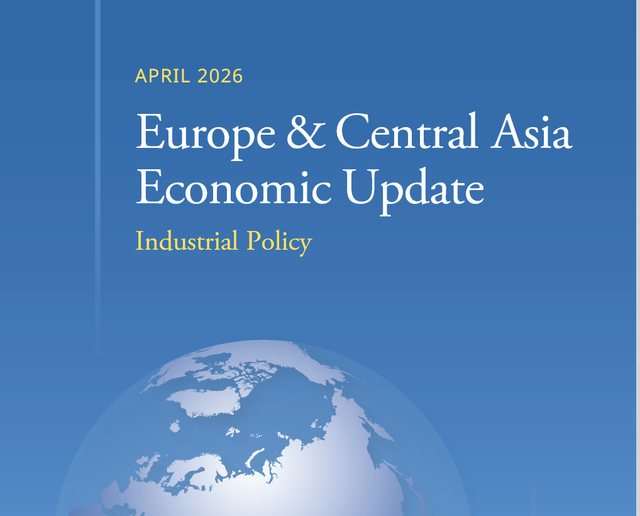
The World Bank has slightly revised down its expectation for Albania's economic growth, bringing it to 3.4% for 2026, from the 3.5% it previously predicted.
The decrease is only 0.1 percentage point, but it signals a further slowdown of the Albanian economy in a more difficult regional and international environment. For Albania, this would be the lowest growth rate in the last five years. According to the World Bank's own previous projections, the economy grew by 4.8% in 2022, by 4% in 2023, by 4% in 2024 and is estimated to have grown by 3.9% in 2025, while the forecast for 2026 has now been reduced to 3.4%.
The World Bank, in its latest April 2026 report, titled “Industrial Policies,” expects the six Western Balkan countries to grow by an average of 3.1% in 2026 and 2027, supported by stronger exports and public investment, including infrastructure projects financed by the European Union. However, this is not enough to avoid a slowdown in consumption, as wage growth is expected to moderate, investment to weaken as the tourism-related construction boom cools, and foreign direct investment inflows to be more tepid.
Kosovo leads the pack in economic growth expectations for 2026, with 3.7%, followed by Albania. Montenegro and North Macedonia will grow by 2.9% each, Serbia by 2.7% and Bosnia and Herzegovina by 2.5%.
Another risk comes from inflation. The hit to energy prices, linked to the Iran war, is expected to fuel inflation in the region, hitting low-income groups harder, holding back real wage growth and slowing the pace of poverty reduction.
The report provides three main messages. First, the Western Balkans are expected to continue growing, but at a moderate pace, far from a strong economic acceleration. Second, the main support will come from services exports, especially tourism and information technology, as well as public investment, while consumption is expected to cool due to slower wage growth, the fading of the tourism-related construction boom and weaker foreign direct investment inflows. Third, the increase in energy prices, linked to the war with Iran, is seen as a direct risk to inflation, especially for lower-income households, because it reduces real wage growth and slows down poverty reduction.
The report also highlights that countries in the region, all aiming for European Union membership, need to make better use of industrial policies and the green transition to strengthen energy security and bring their economies closer to the standards of the European energy market. This is a signal that future growth cannot rely indefinitely on consumption, construction or tourism, but requires a broader manufacturing base and more economic diversification.
According to the report, the resilience of the countries of Europe and Central Asia is being tested again by the crisis in the Middle East and the increase in the price of energy imports. Economic growth in the region is expected to slow to 2.2% on average in 2026-2027, from 2.6% in 2025. In the Russian Federation, the pace of economic expansion is expected to moderate due to more limited fiscal support and structural constraints. Meanwhile, in Turkey, economic growth is expected to decline to 2.8% this year, due to higher energy and food prices, before accelerating again to 3.7% in 2027.
Risks to the outlook remain considerable. A more protracted and intense conflict in the Middle East could severely disrupt global energy supplies, pushing up prices for oil, natural gas and fertilisers, and leading to weaker economic growth and higher inflation. Growth in the Eurozone could also weaken, particularly if global trade tensions escalate. /Monitor

International stock markets rose sharply, while oil prices...
The price of oil in the country increased by about 30% in ...
This Wednesday, one US dollar is bought for 82 lek and sol...

Property compensation, despite efforts to speed up the pro...
Today in the foreign exchange market, the euro will be exc...
Albanian investments abroad reached a new historical recor...

The labor market in Albania in the last quarter of 2025 co...
There seems to be no hope for easing traffic. The crisis i...
This Monday, one US dollar is bought for 82.2 lek and sold...
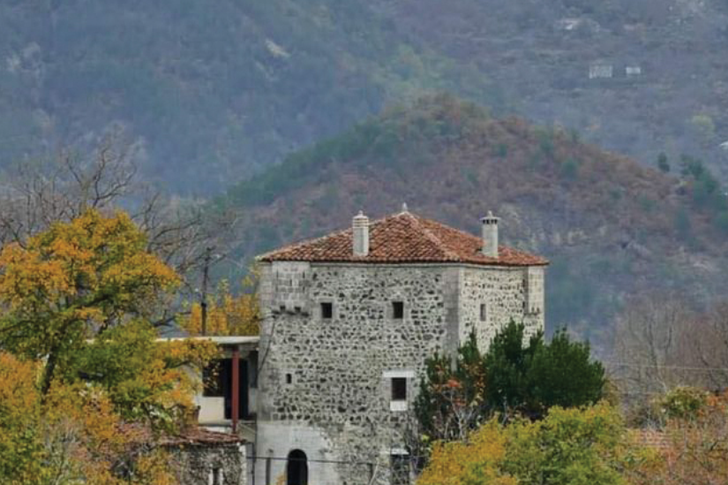
Albania is testing whether its historical heritage can be ...
This Friday, one US dollar is bought for 82.5 lek and sold...
Official data from the Bank of Albania, included in the an...
The government has approved a normative act to reduce the ...
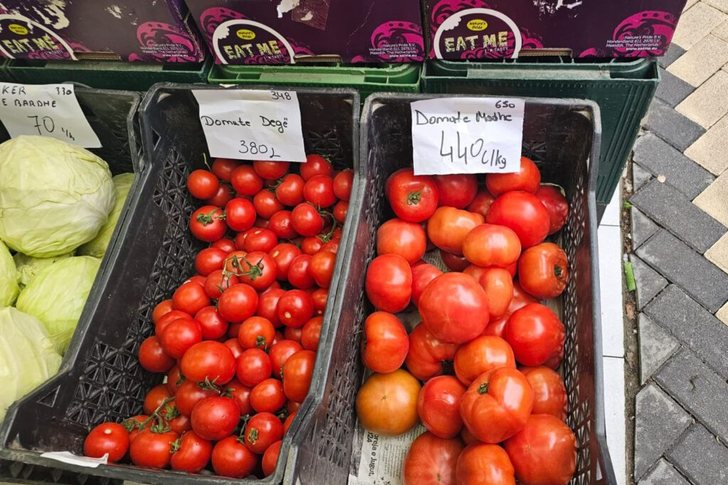
Tomatoes are the most popular product in our country, the ...

The Ministry of Finance has proposed a new draft law on ac...
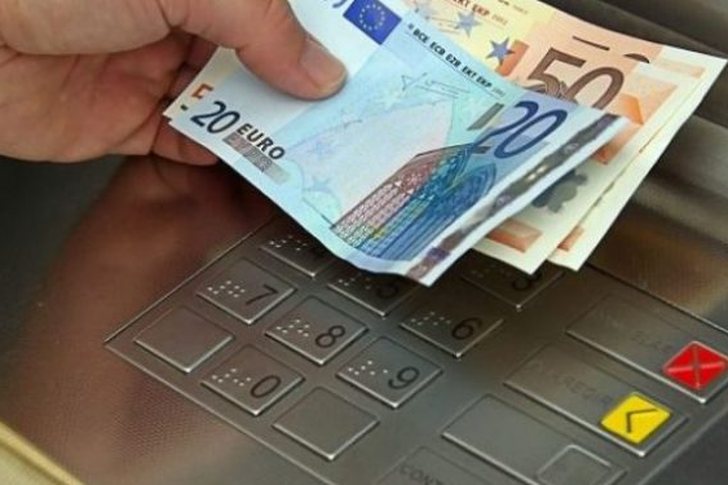
This Thursday, one US dollar is bought for 82 lek and sold...
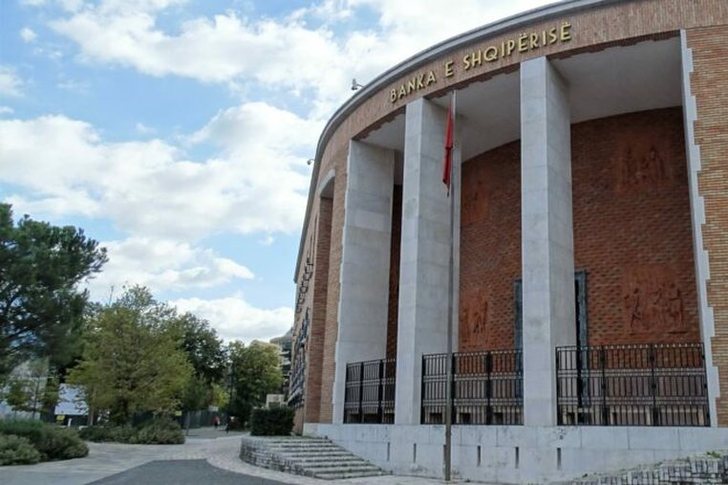
The Supervisory Council of the Bank of Albania, at today's...

The stock of unpaid social security obligations of busines...

Evisi is dual-employed, in two private companies, as an ad...
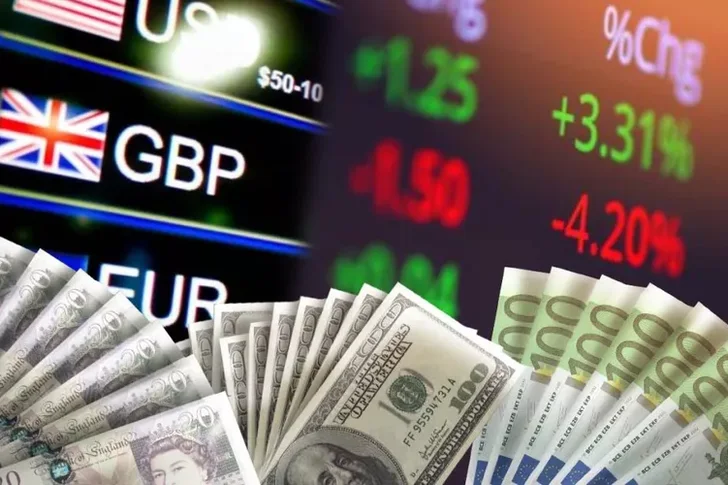
This Wednesday, one US dollar is bought for 82.5 lek and s...

The next case broadcast on the show "Stop", this Thursday,...
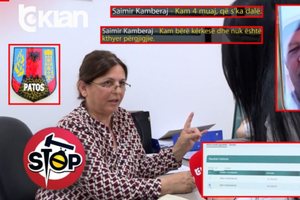
The case published this Thursday, June 4, on the show "Sto...

The protests of recent days related to the situation in Zv...

The case addressed this Wednesday, June 3, on the show "St...

The Special Board of Appeal (KPA) decided this Monday ...

The KPA vetting decided this Thursday to dismiss the p...

Suela Salavaçi, a prosecutor in the Prosecutor's Offic...

The Special Board of Appeal reinstated the prosecutor ...
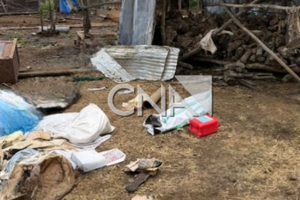
Several images provided by CNA show the area where this mo...

A quantity of explosive material exploded this morning at ...
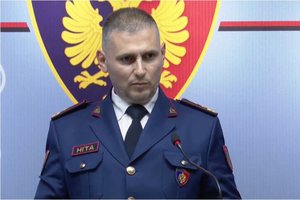
The Head of the State Police, Skënder Hita, expressed his ...

New details have emerged regarding the serious incident th...

For many children and teenagers, the long summer holidays ...
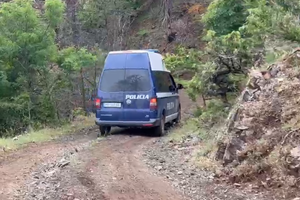
Witnesses in Lozhan, Maliqi, have shared details from the ...
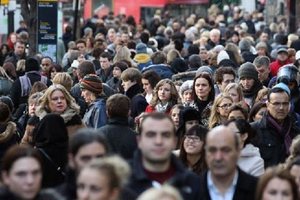
Albania is facing an unprecedented demographic transition,...

On Thursday, our country will be affected by unstable weat...
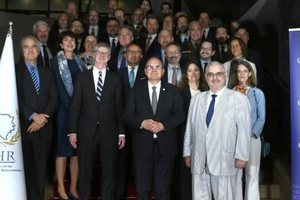
The Peace Implementation Council in Bosnia and Herzegovina...
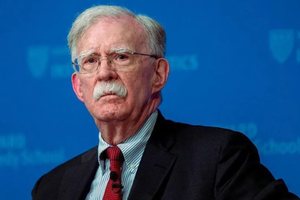
John Bolton, the former national security adviser to US Pr...
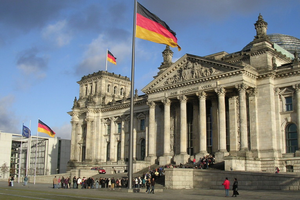
The number of millionaires worldwide rose by nearly 2 mill...
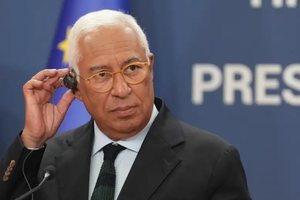
The European Union must find ways to accelerate the member...
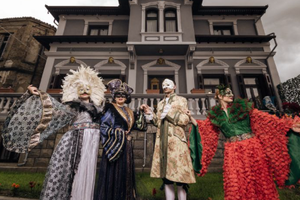
Korça is ready to open the summer season with one of the c...

Two years after his passing, the renowned Korçë poet Skënd...
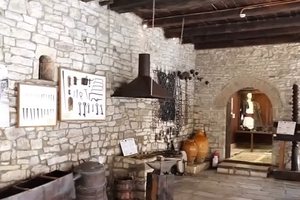
The Ethnographic Museum of Berat has opened its doors to v...
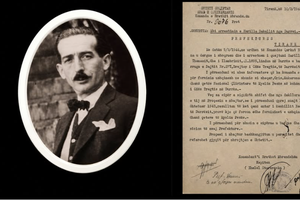
The story of Harilla Bakalli is one of the most chilling t...
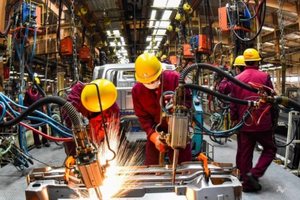
The government aims to transform the country's industrial ...
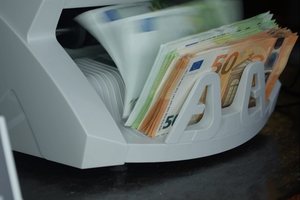
Kursi i këmbimit të euros me lekun ka rënë më tej këtë jav...
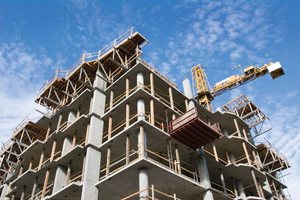
Profit margins in the construction sector have increased s...
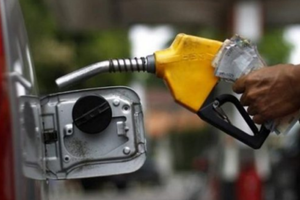
The Transparency Board, at its meeting today, decided to i...