


Fire at the waste field in Kruja/ Toxic smoke covers the area
The waste field in Kruja has been engulfed in flames since...

The waste field in Kruja has been engulfed in flames since...

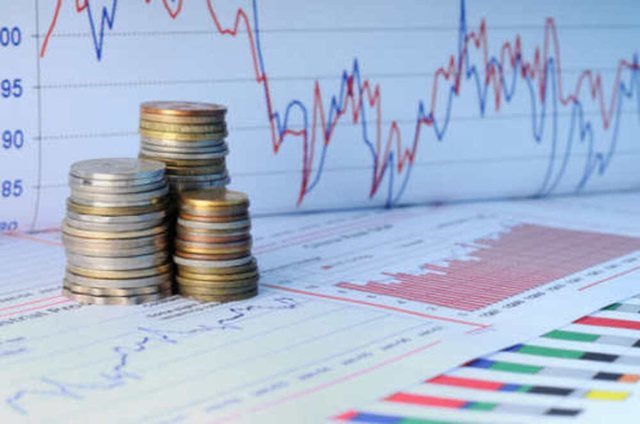
The country's economy is expanding at a pace above the average of the past decade, positively affecting the growth of budget revenues. But on the other hand, the inability to fulfill the budget program in the area of ??expenditures is making the redistribution of income inefficient.
Official data show that last year, budget expenditures in relation to GDP reached 28.9%, marking the lowest level in the last 14 years, since 2010 (see chart below).
Albania marked a regression in relation to itself in the ability to implement the state budget law in the area of ??expenditures, but also had the worst position in the region.
Public spending in all Western Balkan countries increased in 2024, reaching an average of 38.6% of GDP, up from 36.8% in 2023. Montenegro recorded the highest spending increase at 45.9% of GDP, mainly due to increases in minimum pensions and capital spending.
Bosnia and Herzegovina ranked second for the highest level of spending with 45.3%, while Albania ranked on the other hand with the lowest level of public spending in the Region with only 28.9% of GDP followed by Kosovo with 30.1%.
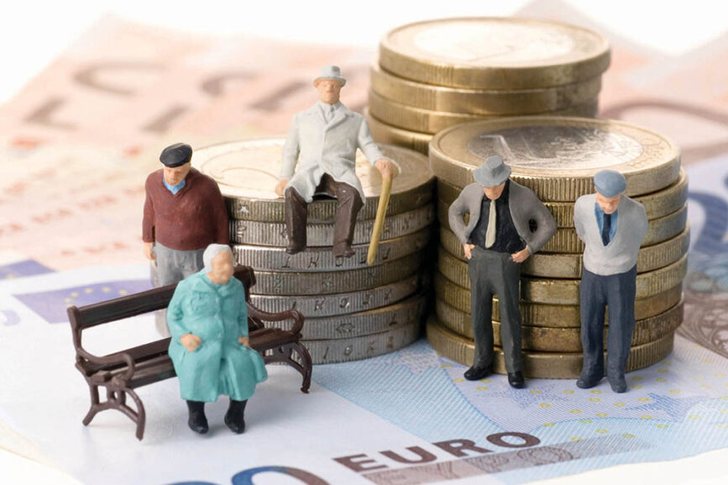
The World Bank recently analyzed that countries in the Region increased budget expenditures mainly from social payments, with pensions dominating most of the growth.
Montenegro recorded the most significant increase, 1.7 percentage points of GDP, from the increase in higher minimum pensions, followed by Bosnia and Herzegovina. North Macedonia, Serbia and Kosovo experienced more moderate increases, while Albania had the lowest increase in pension spending.
Bosnia and Herzegovina and North Macedonia allocated significant portions of their budgets to pensions, with both countries spending nearly a fifth of their GDP on social benefits in 2024.
Ensuring the long-term sustainability of state pension systems remains a key challenge for most G6 countries, given rising spending pressures, informality and ageing populations.
Meanwhile, with the exception of Montenegro, public wage expenditure continued to increase as a percentage of GDP. North Macedonia and Serbia recorded the highest increases with 0.7 and 0.6 percentage points of wage expenditure relative to GDP, respectively, while Albania, Kosovo and Bosnia and Herzegovina saw a moderate increase of 0.2–0.3 percentage points.
Despite gradual wage increases in the public sector, Albania's wage bill remains the lowest as a share of GDP at 4.5%, significantly below the regional average.
Most G6 countries are experiencing a recovery in capital spending. The regional average increased from 5.2% of GDP in 2023 to 5.4% in 2024.
Serbia led the region with a 0.9 percentage point increase, reaching 7.3%, followed by Montenegro and Kosovo, which saw increases of 0.7 and 0.6 percentage points, respectively. Bosnia and Herzegovina also recorded a moderate increase of 0.4 percentage points, while Albania remained in the same position./ Monitor.al

Today, in the foreign exchange market, one US dollar will ...
The number of people benefiting from the social security s...

Today, in the foreign exchange market, one US dollar will ...
The number of unemployed citizens remains historically low...

The revenues that the government collects from taxes paid ...
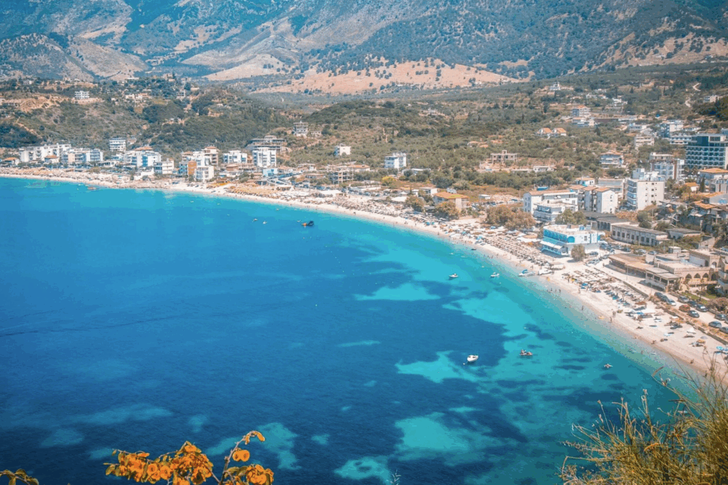
Tourism is Albania's great opportunity. After 2016, the co...

Today, in the foreign exchange market, one US dollar will ...
Today, in the foreign exchange market, one US dollar will ...
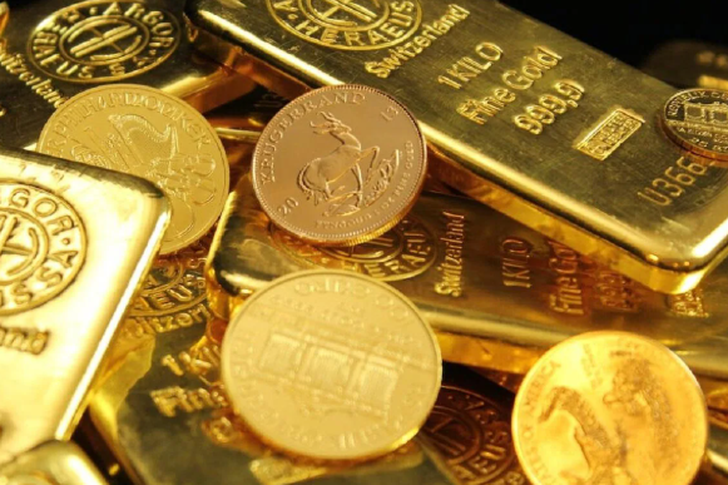
Gold has reemerged as a cornerstone of global finance, wit...

Today, in the foreign exchange market, one US dollar will ...
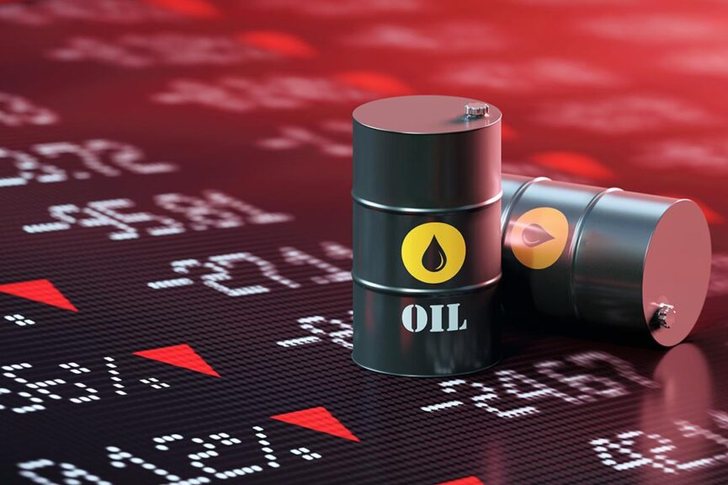
Oil prices continued to fall on Wednesday and are heading ...

Today, in the foreign exchange market, one US dollar will ...
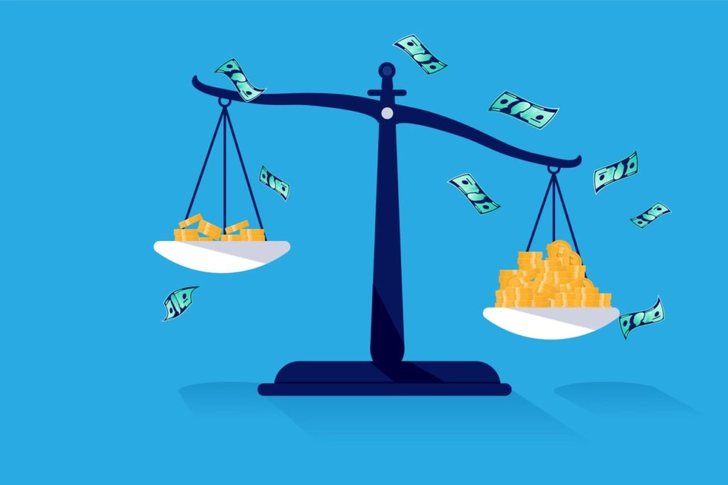
From the perspective of citizens, economic inequality in t...
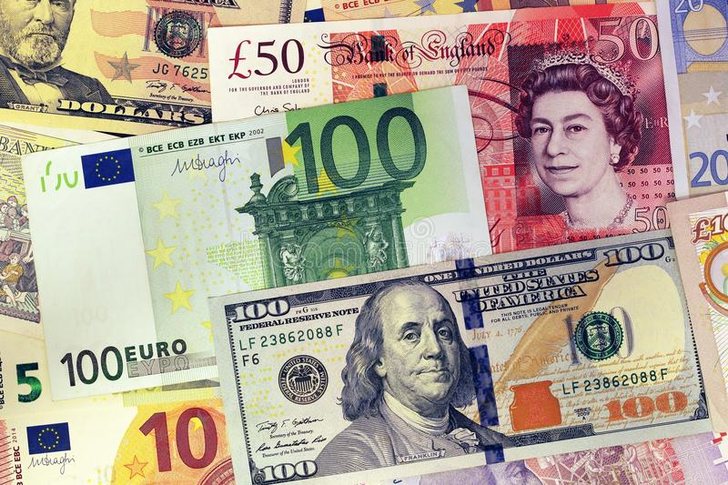
Today, in the foreign exchange market, one US dollar will ...
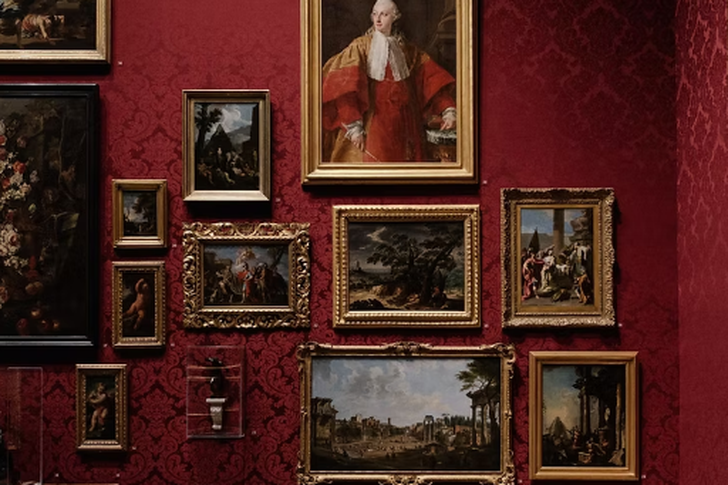
Global sales of art and antiques have fallen for the secon...

Today, in the foreign exchange market, one US dollar will ...
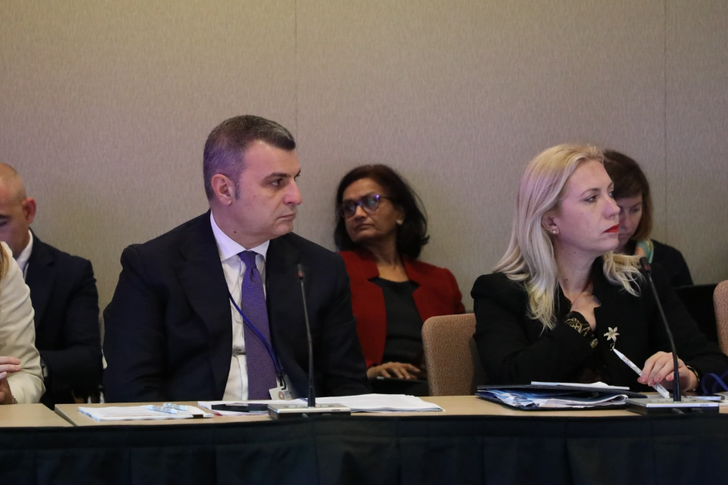
Within the framework of the IMF and WB Spring Meetings, th...
Today, in the foreign exchange market, one US dollar will ...
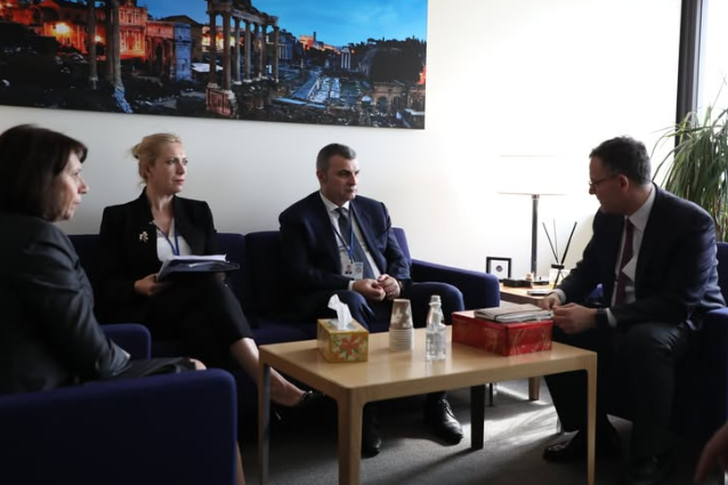
Governor Gent Sejko held a meeting with Mr. Riccardo Ercol...

Today, in the foreign exchange market, one US dollar will ...

CNA has launched another investigation that could lead to ...

Irfan Hysenbelliu is a businessman that we call "Irfan the...

In March 2026, CNA launched another investigation centered...
The arrested mayor of Tirana, Erion Veliaj, with 13 charge...

The Special Board of Appeal (KPA) decided this Monday ...

The KPA vetting decided this Thursday to dismiss the p...

Suela Salavaçi, a prosecutor in the Prosecutor's Offic...

The Special Board of Appeal reinstated the prosecutor ...

A road accident occurred this evening on Nikolla Zoraqi St...

Three people were shot and wounded in Elbasan last night b...
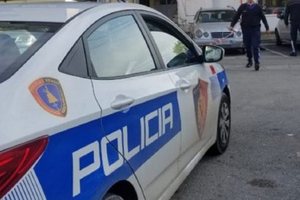
A serious incident occurred this Tuesday in the Yrshek are...

An accident occurred this Tuesday on "Dituria" street in K...
This Wednesday, our country will be under the influence of...
All of Southern Europe will face changing weather conditio...
Albania was hit by temperatures significantly higher than ...

For the first time, Pogradec welcomed the Inter-Lake Chess...

Prime Minister Andy Burnham has announced that most bus fa...

France's parliament has passed a law to ban social media f...

US Secretary of State Marco Rubio arrived in Manila on Jul...

In the space of a few days, Ukrainian President Volodymyr ...

At a time when industrial products are increasingly taking...

Trust among people is not just a three-syllable word. It c...

Master of humor Todi Llupi has passed away at the age of 7...

The ninth edition of "MIK Festival" kicked off with one of...

Businesses will no longer be required to simply register t...

Despite economic growth and income in recent years, Albani...

This Wednesday, one US dollar is bought for 81.4 lek and s...
Construction company licenses will have a validity period ...