


"With fake but original FB"/ Rama stings Qori, Lapaj and Shehaj
Prime Minister Edi Rama has ironically mocked the infiltra...

Prime Minister Edi Rama has ironically mocked the infiltra...

The revenues that the government collects from taxes paid by businesses and individuals have been increasing in value year after year, but in relation to the size of the economy, they have fluctuated since 1998 in the range of 26-28% of GDP.
This level is much lower than the European Union average of 40% of GDP, or than other countries in the region (with the exception of Kosovo), which fluctuate at 34-40% of GDP.
High informality and the concentration of part of the economy on agriculture remain factors influencing this low level of budget efficiency,
VAT continues to account for the largest share of revenues, with around 30% of the total. In second place are social security with 19%, followed by profit tax with 10%, and excise duties with 9%.
In total, the budget is kept afloat by taxes paid by individuals on consumption (VAT, excise duty, customs duty), payroll tax, and income tax, which contribute to about 70% of the total.
But how has this money been returned to taxpayers? The relatively low level of revenues limits budget expenditures, as a prerequisite for maintaining a budget deficit at the level of 1-3% of GDP.
Until 2009, budget expenditures were above 30% of GDP, at the expense of the deficit and public debt. Subsequently, they decreased below 30% with the exception of 2020-2021, when spending was necessary to cope with the situation created by the pandemic.
As a result of revenue growth at a faster rate than expenditure, the public budget has gradually decreased, reaching 54% of GDP at the end of 2024, the lowest level since 2008.
The two rating institutions Moody's and Stanbdard & Poors have revised their rating for Albania upwards in recent years.
After 2017, the government experimented with Public-Private Partnership projects in many areas, most of which failed, while a large part of them are now under investigation by SPAK, such as incinerators or healthcare concessions.
Annual payments for these concessions averaged around 120 million euros per year over the last 5 years.
Capital expenditures relative to the size of the economy were highest in 2008-2009 (8.7-8.4% of GDP), as a result of investments in the construction of the Durrës-Kukës road, the largest project of the Democratic Party government.
In recent years, although capital expenditures have exceeded 1 billion euros in value, they are lower in relation to GDP than in 2005.
Since 2000, total capital expenditures, which go to infrastructure, water supply, sewage, education, health, etc., have reached around 18 billion euros, but the country still does not have adequate infrastructure in any direction (roads, sewage, water supply, health services, etc.), testifying to a low efficiency of spending taxpayers' money.
Healthcare remains underfunded, with budget spending for this category not exceeding 3% of GDP, compared to around 7%, which is the European Union average.
Albanians spend a lot of their money on medical treatment, both domestically and abroad.
According to the World Bank, in 2021, for every 100 lek spent on health, Albanians paid about 60 lek out of pocket, up from 52 lek in 2000.
In contrast, the state is financing less and less for the health welfare of its citizens, with 39.7% of the total, down from 46.5% in 2000.
Out-of-pocket financing is the highest in Europe. Second behind us is North Macedonia, with 41.7%, followed by Montenegro (38.1%), Serbia (35.8). The lowest indicator in the region is in Bosnia and Herzegovina (30.7%), while data for Kosovo is missing.
In high-income countries, this indicator is lower than 20%. Low standards of health care are one of the reasons that drive emigration even today.
Human capital has not received the due importance it deserves in recent years. Budgetary spending on education has fallen in recent years to less than 3% of GDP, from the 5% that is the European average.
The results of the international PISA test (standardized for many countries that assess the performance of school systems in preparing students) for Albania suggest that more than 70% of 15-year-olds are unable to read and understand academic texts and have limited skills in mathematics, as the country marked the highest deterioration in the world.
This cannot be the basis for the direction Albania should take – an economy based on knowledge and high productivity.
The country needs a radical improvement in the education system, from early childhood education to higher education, which seems not to have been a priority of government policies./ Monitor.al

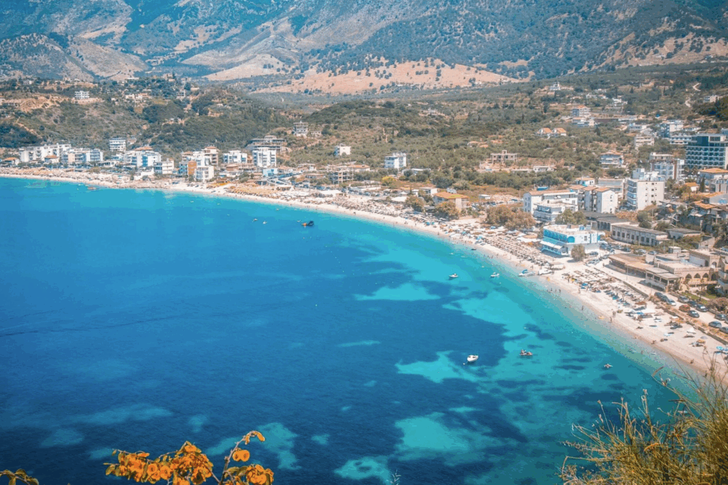
Tourism is Albania's great opportunity. After 2016, the co...

Today, in the foreign exchange market, one US dollar will ...
Today, in the foreign exchange market, one US dollar will ...
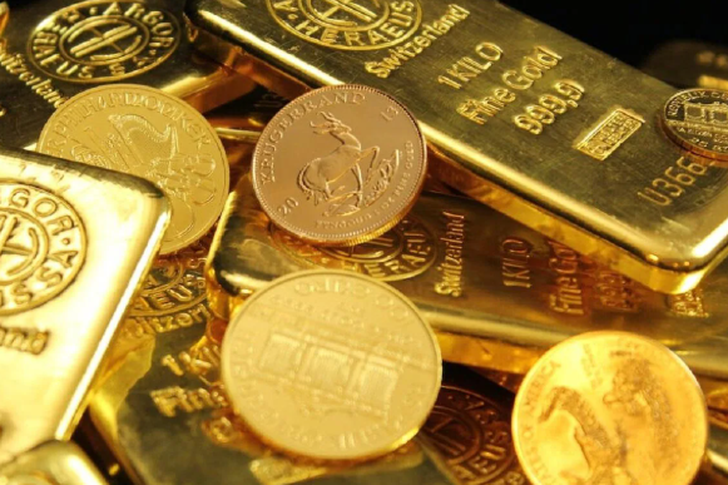
Gold has reemerged as a cornerstone of global finance, wit...

Today, in the foreign exchange market, one US dollar will ...
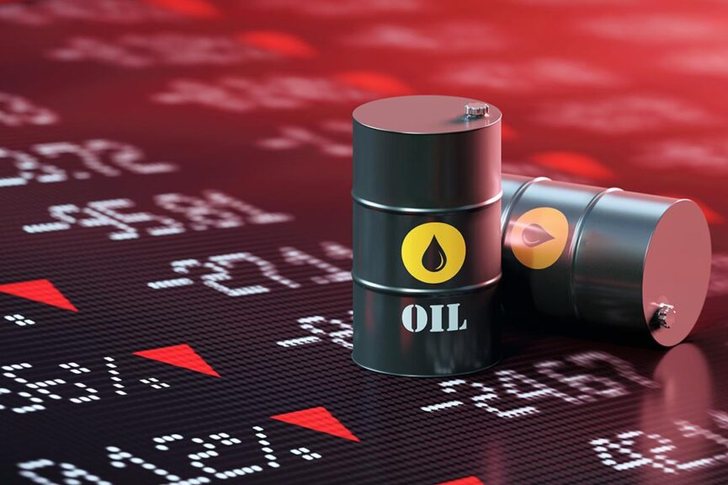
Oil prices continued to fall on Wednesday and are heading ...
Today, in the foreign exchange market, one US dollar will ...
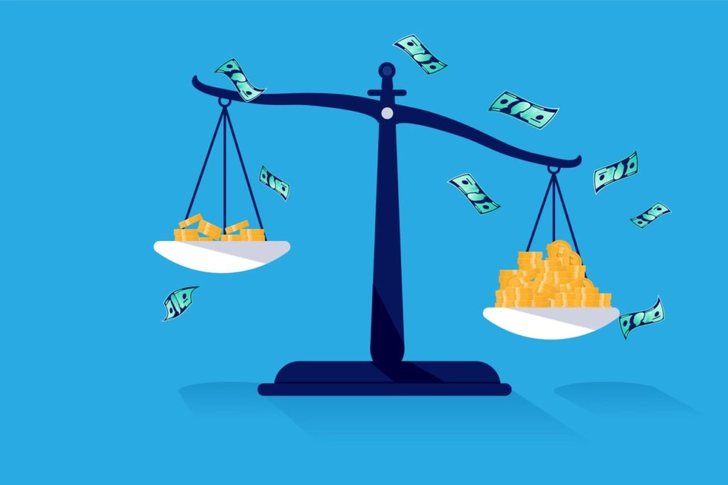
From the perspective of citizens, economic inequality in t...
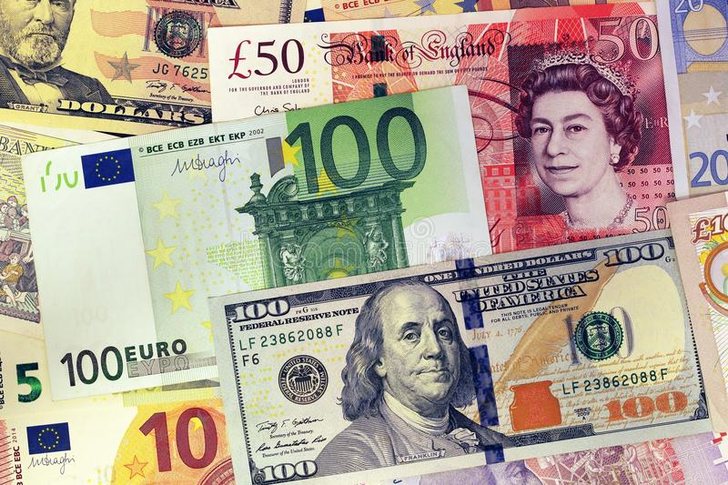
Today, in the foreign exchange market, one US dollar will ...
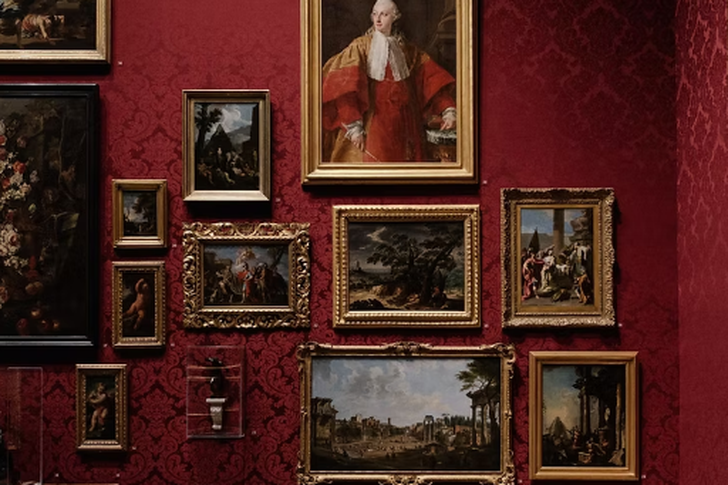
Global sales of art and antiques have fallen for the secon...

Today, in the foreign exchange market, one US dollar will ...
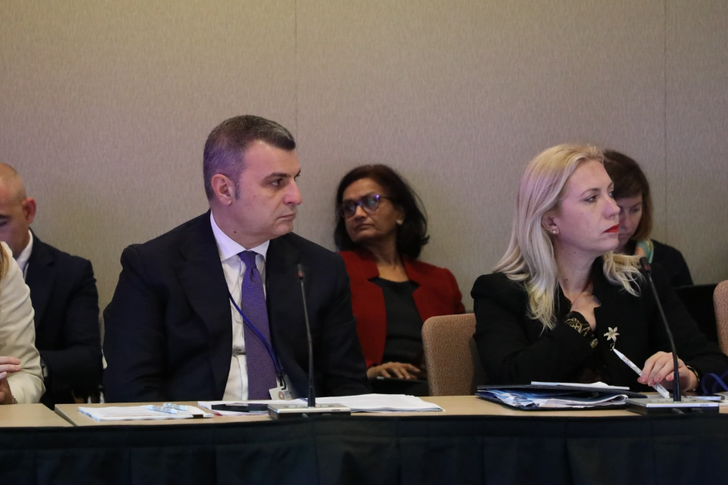
Within the framework of the IMF and WB Spring Meetings, th...
Today, in the foreign exchange market, one US dollar will ...
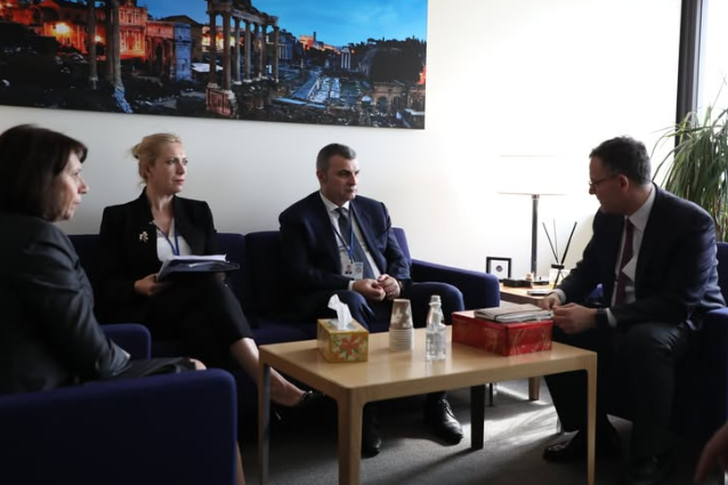
Governor Gent Sejko held a meeting with Mr. Riccardo Ercol...

Today, in the foreign exchange market, one US dollar will ...
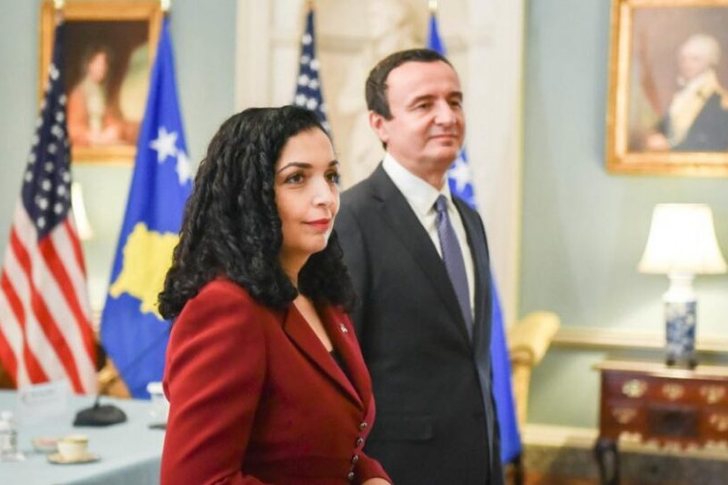
The Anti-Corruption Agency has published the asset declara...
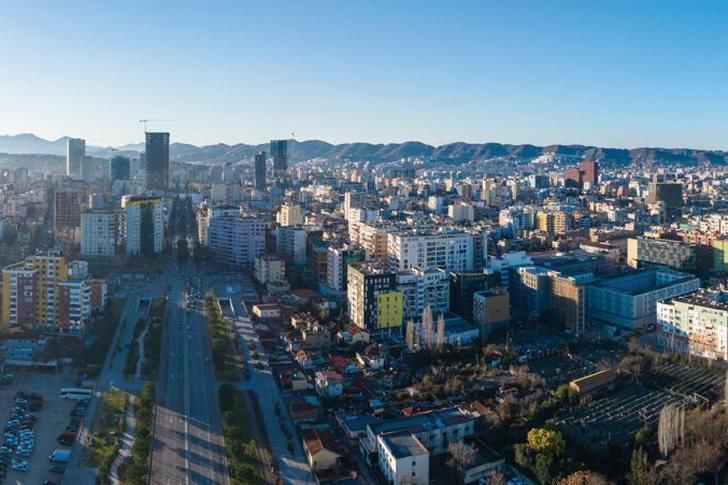
The Bank of Albania estimates that housing prices returned...
Today, in the foreign exchange market, one US dollar will ...
Commercial banks are caught in the middle of an unpreceden...
Today, in the foreign exchange market, one US dollar will ...

CNA has launched another investigation that could lead to ...

Irfan Hysenbelliu is a businessman that we call "Irfan the...

In March 2026, CNA launched another investigation centered...
The arrested mayor of Tirana, Erion Veliaj, with 13 charge...

The Special Board of Appeal (KPA) decided this Monday ...

The KPA vetting decided this Thursday to dismiss the p...

Suela Salavaçi, a prosecutor in the Prosecutor's Offic...

The Special Board of Appeal reinstated the prosecutor ...
The bad weather that swept the country on Tuesday evening ...
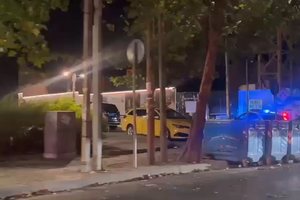
A road accident occurred this evening on Nikolla Zoraqi St...
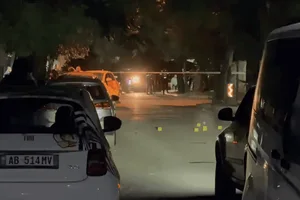
Three people were shot and wounded in Elbasan last night b...
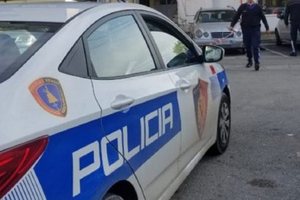
A serious incident occurred this Tuesday in the Yrshek are...
This Wednesday, our country will be under the influence of...
All of Southern Europe will face changing weather conditio...
Albania was hit by temperatures significantly higher than ...
For the first time, Pogradec welcomed the Inter-Lake Chess...
Prime Minister Andy Burnham has announced that most bus fa...
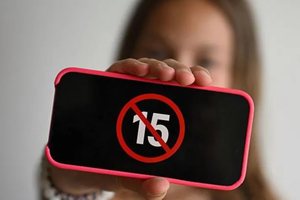
France's parliament has passed a law to ban social media f...
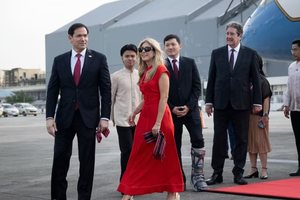
US Secretary of State Marco Rubio arrived in Manila on Jul...
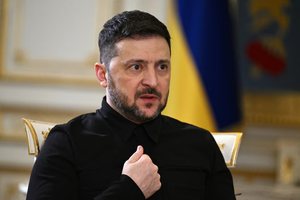
In the space of a few days, Ukrainian President Volodymyr ...

At a time when industrial products are increasingly taking...

Trust among people is not just a three-syllable word. It c...

Master of humor Todi Llupi has passed away at the age of 7...

The ninth edition of "MIK Festival" kicked off with one of...
Businesses will no longer be required to simply register t...
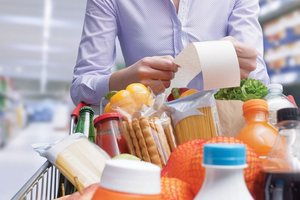
Despite economic growth and income in recent years, Albani...
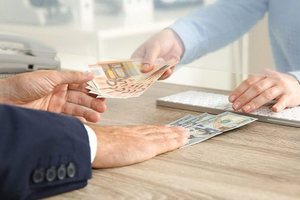
This Wednesday, one US dollar is bought for 81.4 lek and s...
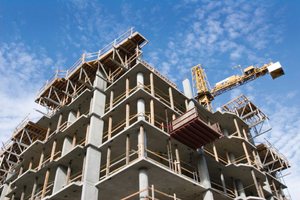
Construction company licenses will have a validity period ...